Some multiplayer games fade quietly, slipping out of rotation as tastes change and technology marches on. Others leave a louder absence, a space that never quite gets filled, no matter how many new releases arrive. Unreal Tournament belongs firmly in the second category, a series that once defined what competitive shooters could feel like and now exists mostly as a memory players keep bringing up because nothing has fully replaced it.
Videos by ComicBook.com
So, what actually happened to Unreal Tournament? Why exactly has such a massive franchise and series stayed dormant for so long? In an era flooded with shooters chasing realism, progression systems, and endless unlocks, Unreal Tournament’s absence feels like a missing pillar. Even knowing the realities of Epic’s priorities, it is hard not to wonder how a post-Fortnite world still has no room for one of the most influential arena shooters ever made.
The Glory Days of Unreal Tournament
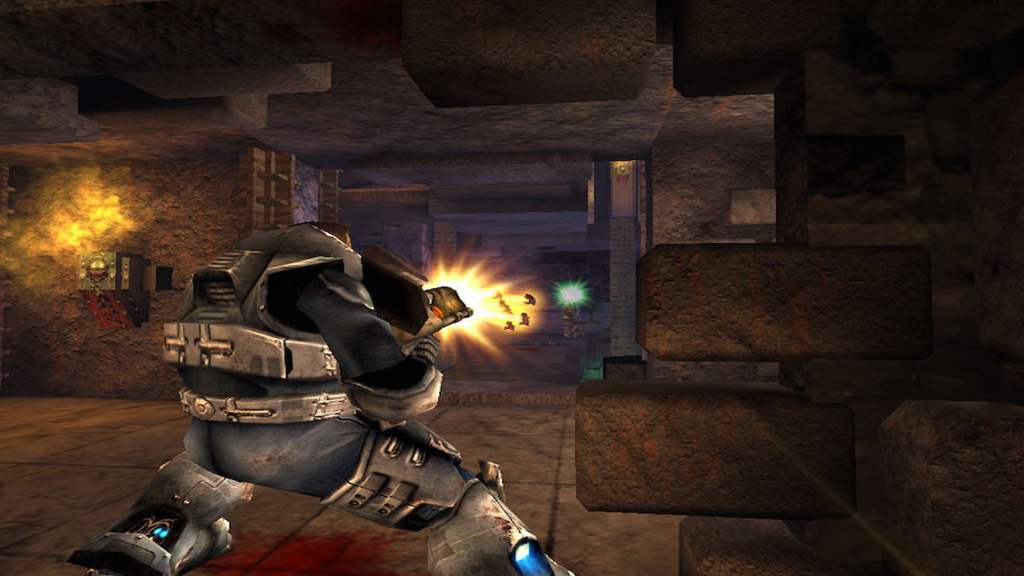
At its peak, Unreal Tournament was pure mechanical clarity. Movement mattered. Aim mattered. Map knowledge mattered. There were no loadouts to grind for and no perks to unlock that tilted the playing field. You spawned, you moved fast, and you either mastered the systems or got left behind. For many, it was like a gateway drug into the FPS genre.
The original Unreal Tournament set the tone, but Unreal Tournament 2004 perfected the formula both mechanically and graphically. Modes like Assault and Onslaught showed how flexible the core design could be without losing its competitive edge. The weapons were iconic not because they were flashy, but because they were readable and deadly in skilled hands. Every sound cue, every pickup location, every jump pad mattered for success, and knowing these things often rewarded you with victory.
This was also a time when Epic was deeply invested in Unreal as both a game and a technology showcase. At its peak, Unreal Tournament was a statement that showed what the Unreal Engine could do while delivering a multiplayer experience that rewarded precision and confidence. Even the original Unreal, though more narrative-driven, contributed to that identity of speed, atmosphere, and raw mechanical focus.
What makes those games linger is how little compromise they made. Unreal Tournament never tried to appeal to everyone. Players who wanted that kind of intensity would meet the game on its own terms. In doing so, Unreal Tournament built a community that stayed loyal long after newer shooters took center stage.
Why Unreal Tournament Deserves a Modern Revival
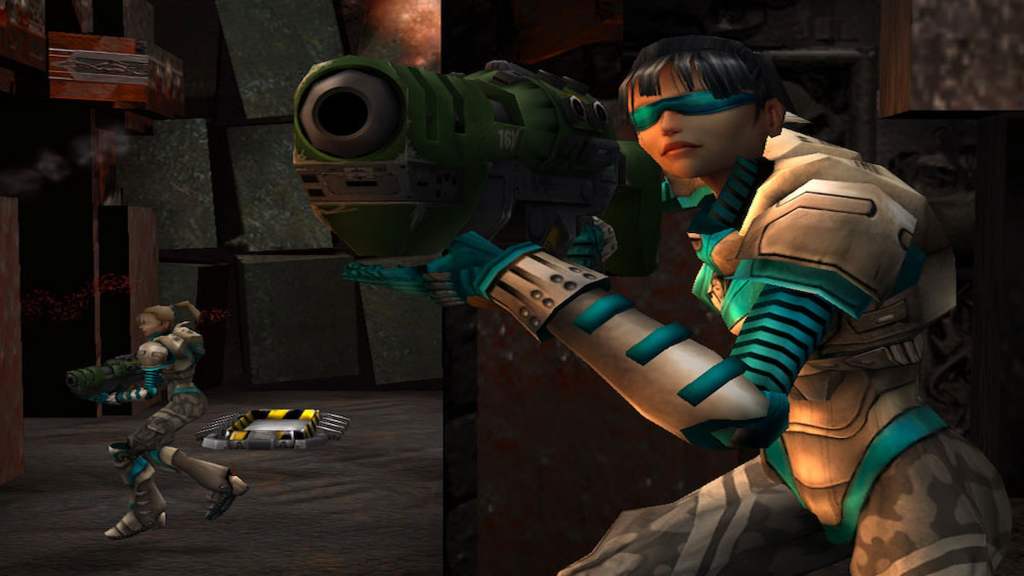
The easy explanation for Unreal Tournament’s disappearance is Fortnite. Epic found unprecedented success in a completely different space, one that demands constant updates and massive support, while rewarding lots and lots of money. From a business perspective, it makes sense. From a player’s perspective, it either stings or isn’t cared about at all.
What makes the dormancy feel so frustrating, though, is that the appetite for arena shooters has never fully gone away. Games like Quake Champions and Splitgate, among various indie throwbacks, and even custom modes in other shooters all point to the same truth. Players still want fast, skill-driven combat that cuts out the noise. They want shooters where improvement is visible and earned, not hidden almost entirely on arbitrary progression systems.
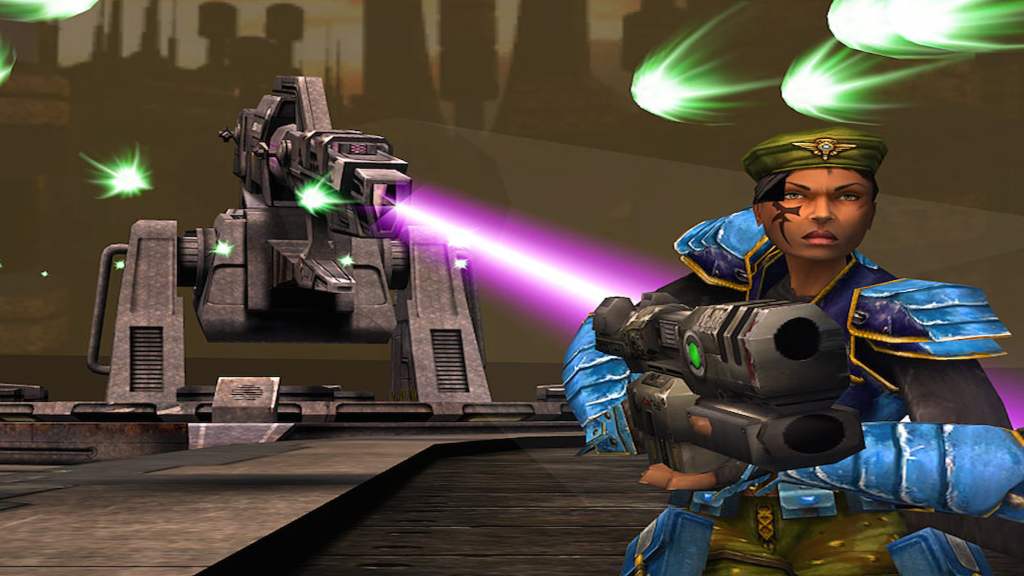
A modern Unreal Tournament would not need to abandon its roots to succeed. If anything, its biggest strength would be leaning into what made it different. Clean movement, readable weapons, and maps designed around flow rather than spectacle. Modern technology could enhance that foundation without diluting it, offering better onboarding, stronger netcode, and smarter matchmaking without compromising the core experience.
There is also a cultural gap that Unreal Tournament could fill. So many shooters today chase the same ideas, whether that is hero abilities, extraction mechanics, or live service hooks. Unreal Tournament stands apart by doing none of that. It offers purity, and in a crowded market, purity is memorable.
Of course, realism matters. Epic is not lacking successful projects, and Unreal Tournament is unlikely to return anytime soon. The brief attempt to revive it years ago showed interest but also highlighted how difficult it is to justify a passion project at that scale. That does not make the desire any weaker; it just frames it as something closer to hope than expectation.
Unreal Tournament’s legacy is secure, but its absence is still felt. It represents a style of shooter design that valued mastery above all else and trusted players to rise to the challenge. Whether or not it ever returns, the question of what happened to Unreal Tournament keeps resurfacing for a reason. It is not nostalgia talking. It is the sense that something important is still missing from the modern arena shooter.
What do you think? Leave a comment below and join the conversation now in the ComicBook Forum!
Most Viewed
-
Courtesy of Lionhead Studios -

Image via Prime Video -

Courtesy of Toei Animation