Few franchises carried the same weight of expectation as Mass Effect in the mid-2010s. For many players, the original trilogy represented the gold standard for narrative-driven role-playing games and is still one of the most beloved today. It combined rich world-building, memorable characters, and meaningful player choice in a way that felt rare even then. By the time the trilogy concluded, Mass Effect was not just a successful series but a defining pillar of modern RPGs.
Videos by ComicBook.com
That legacy is what made Mass Effect: Andromeda such a troubled release. When it arrived in 2017, it had to live up to the trilogy’s reputation as well as evolve it in a meaningful way. Nostalgia and expectation ultimately contributed to the game’s downfall. While it was not an outright failure, it was a disappointment to fans. Its release may have single-handedly derailed one of gaming’s greatest franchises and sent BioWare down a spiral.
Mass Effect Hype Was At An Old Time High
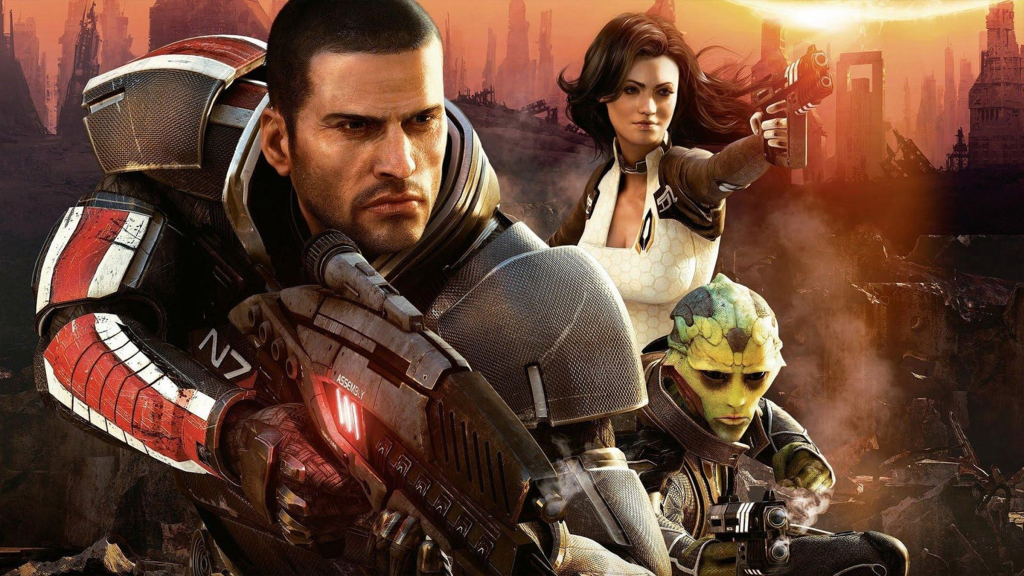
To first understand what went wrong, it helps to remember just how intense the hype surrounding Mass Effect: Andromeda truly was. The original trilogy had concluded only a few years earlier, and despite Mass Effect 3’s controversial ending, the series remained immensely popular. Players were eager to return to the universe, and Mass Effect: Andromeda was poised to be the greatest space game of its time.
BioWare positioned Mass Effect: Andromeda as both a reboot and an evolution. New galaxy. New characters. New stakes. This framing made sense, but divided the fan base. Many wanted to see Shepherd return, while others felt it was time to move on to a new protagonist. But regardless of what side fans were on, they assumed the game would carry forward the same narrative ambition, character depth, and emotional weight that defined the trilogy.
Perhaps in the face of this anticipation, the project struggled. Development was split across multiple studios, leadership changed hands, and core design ideas shifted several times. The transition to the Frostbite engine introduced technical challenges that BioWare was not fully prepared to handle. By the time the game entered full production, much of the development time had already been spent experimenting rather than building.
Mass Effect: Andromeda Failed To Match Impossible Expectations
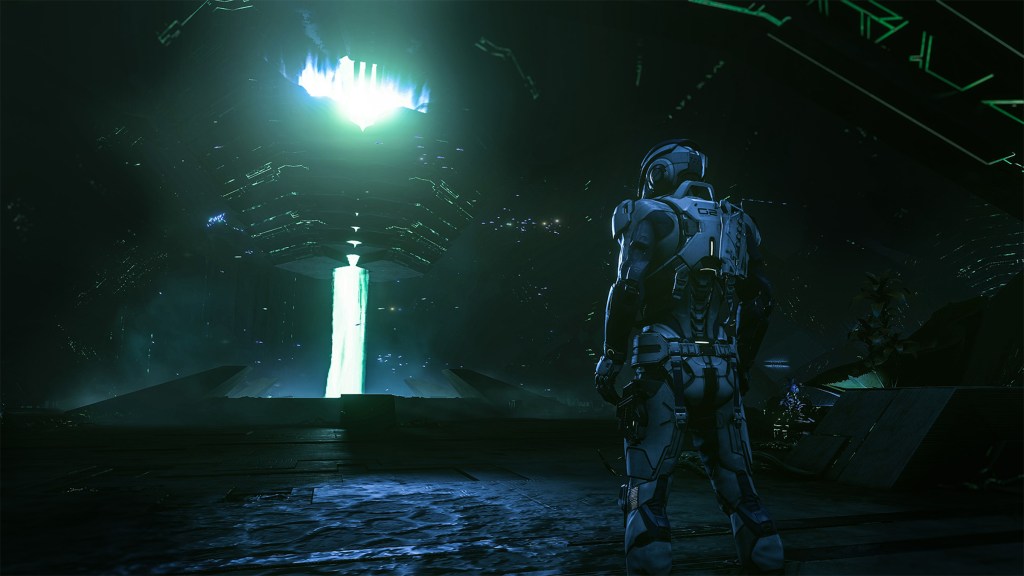
When Mass Effect: Andromeda launched, it was immediately clear that it was not the triumphant return many had hoped for. Facial animations became an instant focal point of criticism, but they were only the most visible symptom of deeper issues. Writing felt uneven, leaving fans unsatisfied after the trilogy’s impeccable narrative. Characters lacked the immediate charm of earlier companions and left fans uninvested in them. Finally, quest design leaned heavily on repetitive open-world tasks, giving the game bloat.
Importantly, Mass Effect: Andromeda was not a complete failure. Its combat system was arguably the best the series had ever seen and felt incredibly modern. Exploration had genuine moments of wonder, and the world was beautiful. And while the core premise of colonizing a new galaxy had potential, the game struggled to execute these ideas with consistency.
The biggest problem was tone. Andromeda attempted a lighter, more adventurous feel, and so it lacked the emotional gravity they associated with Mass Effect. The absence of familiar species, locations, and historical context made the world feel shallow, especially when combined with underdeveloped antagonists.
The game performed decently in sales, but not well enough to justify its massive budget or live service ambitions. The initial reception was mixed, with those disappointed in the game being the most vocal. BioWare made updates and patches to address many of the issues, but the damage was done. Single-player expansions were canceled, and the series was effectively put on ice.
Mass Effect 5 Has To Course Correct
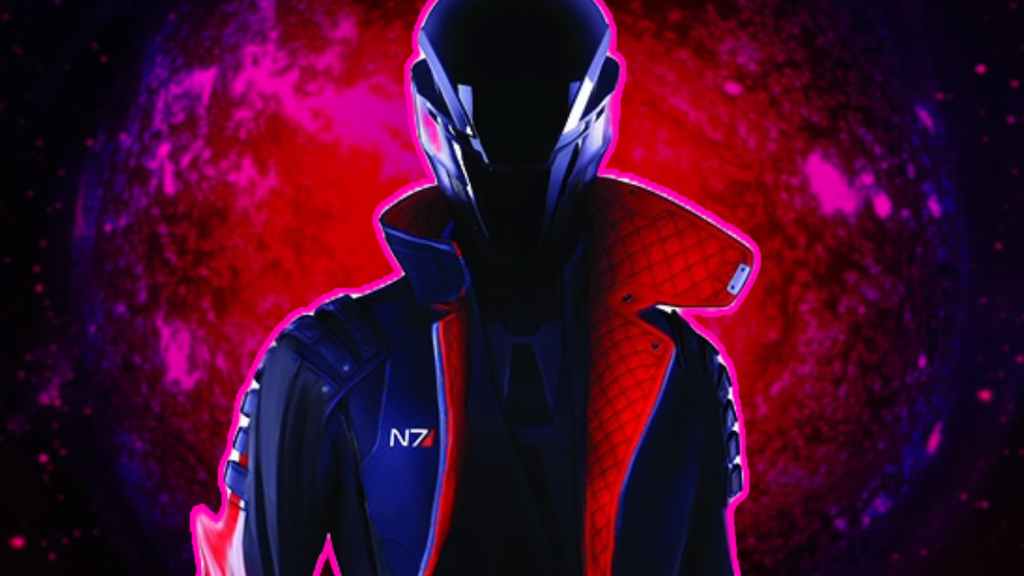
Mass Effect 5 represents both BioWare’s best opportunities. It is a chance to regain fans’ trust, but the margin for error is small. The lessons of Mass Effect: Andromeda are clear, as are those of Dragon Age: The Veilguard. There is so much riding on this game that the studio cannot afford to fail. Not only would it be the end of Mass Effect, but it could potentially be the end of BioWare altogether.
First, identity matters. Players do not just want a sci-fi RPG with shooting and dialogue wheels. They want Mass Effect. That means strong companions, focused storytelling, and a sense that player choices carry emotional weight. Technical ambition cannot come at the expense of narrative cohesion. There have been rumors that Commander Shepard will return, but it remains to be seen if this would be best for Mass Effect 5, or just a desperate appeal to nostalgia.
Second, the scope must be realistic. Andromeda suffered from trying to do too much without a clear creative anchor. Open world design should serve the story, not dilute it. Recent successes like Baldur’s Gate 3 have shown that depth often resonates more than sheer size. Even if BioWare opts to make the game more open, it needs to be careful. Too much bloat can dilute the core experience that fans love.
In hindsight, Mass Effect: Andromeda was not the disaster it is sometimes remembered as, but it was a turning point. It exposed structural issues at BioWare and highlighted how fragile even the biggest franchises can be. Whether Mass Effect 5 succeeds will depend on how well those lessons are truly understood. The hope remains that the next chapter will remind everyone why Mass Effect mattered in the first place and be a return to form.
What do you think? Leave a comment below and join the conversation now in the ComicBook Forum!
Most Viewed
-

Warner Bros. Animation / Cartoon Network Studios -

Courtesy of The Pokemon Company