Yakuza launched for the PlayStation 2 on December 8, 2005, in Japan, before making the leap to the rest of the world the following year. Sega was initially concerned that the game’s violence and mature storytelling wouldn’t connect with audiences. Luckily, those fears couldn’t have been more wrong.
Videos by ComicBook.com
In the past twenty years, Yakuza has evolved into one of the publisher’s most popular franchises in the modern era, taking on a level of critical and commercial success that prior attempts like Shenmue had struggled to reach. A large part of that is due to the game’s mix of open-world worldbuilding and focus on strong centralized narratives, a tricky task that almost no other game series does as well. Two decades later, it’s worth looking back at the early days of the series and why it has not only endured but thrived globally.
Yakuza Debuted Two Decades Ago
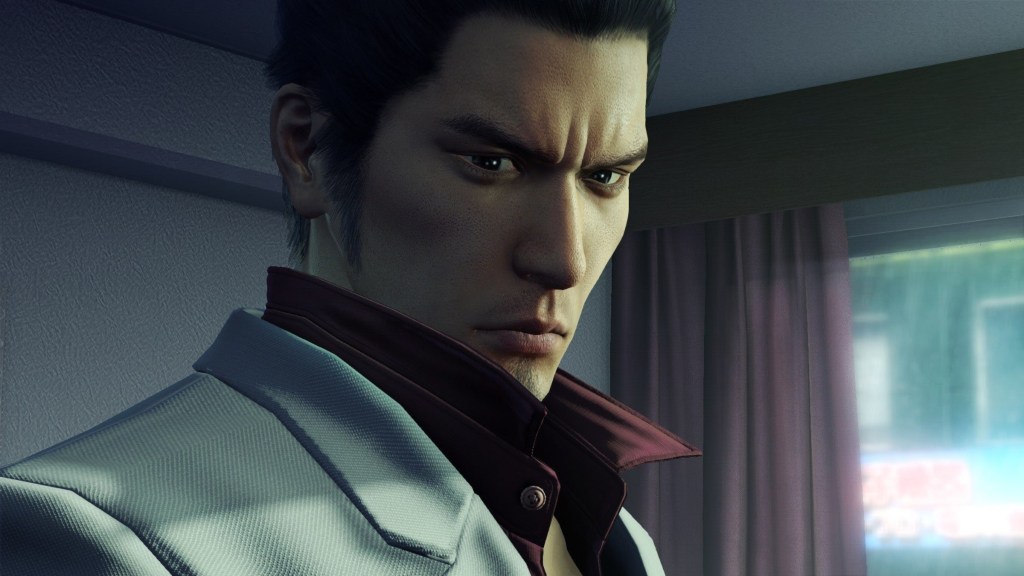
Debuting twenty years ago in Japan before becoming a global phenomenon over the subsequent two decades, Yakuza has steadily become one of modern gaming’s most enduring franchises. Developed by Sega’s New Entertainment R&D, the first Yakuza was released in the aftermath of the Grand Theft Auto franchise becoming one of the biggest things in gaming. Series creator Toshihiro Nagoshi initially struggled to get the game made, but his ambition of exploring the honor and crimes of Yakuza members eventually convinced Sega to give it a shot — especially after Sony expressed interest in the title and brought the first game to the PlayStation 2.
After three years in development with a team that pulled from all sorts of genre experience, Yakuza gestated into a sprawling, ambitious title. The central narrative, which Japanese crime novelist Hase Seishu edited, introduced Kazuma Kiryu as a former Yakuza member who is released from prison and finds himself entangled in the hunt for his childhood friend and the missing ten billion yen that she’s connected to. The crime epic at the center of the game was genuinely compelling, and would have drawn players in even if the tight combat, expansive worldbuilding, and strong presentation weren’t good. Luckily, the overall game design was engaging, with the depth of the game’s depiction of Japanese culture drawing players in.
How Yakuza Has Evolved
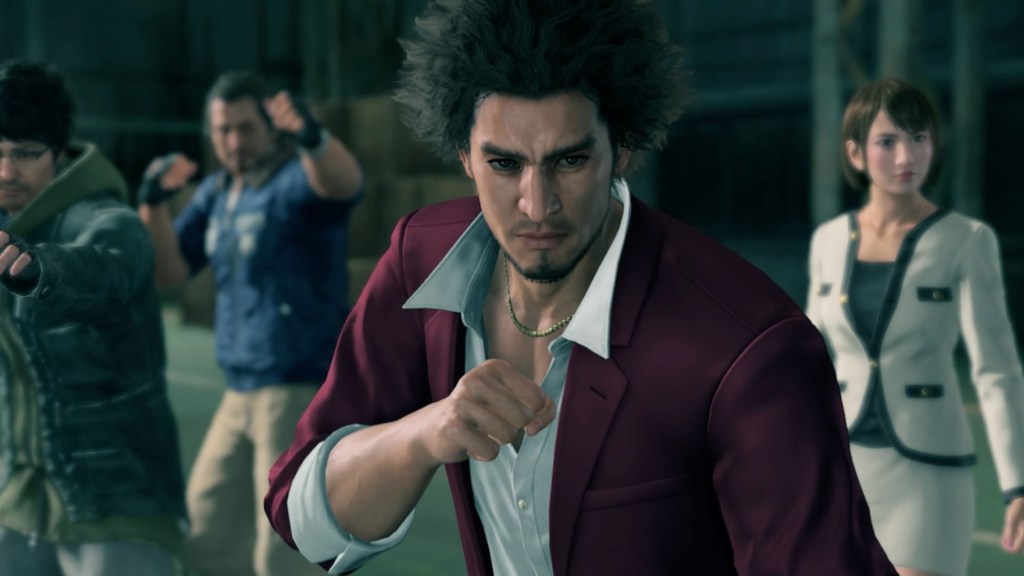
The success of the first Yakuza quickly set off a chain of sequels, many of which continued to expand on Kazuma Kiryu’s evolution and the development of the clans vying for control of Japan’s criminal underworld. The result has been nine games in the mainline series, including 2015’s Yakuza 0. Along the way, a number of spin-offs reimagined the series from different perspectives, including shifting them to different historical periods or incorporating horror elements. The series continues to thrive in the modern day thanks to titles like Like a Dragon: Pirate Yakuza in Hawaii, which highlight the sheer variety of gameplay modes that have been incorporated into the series.
The first Yakuza included a lot of mini-games and sub-quests that players could embark on, and that depth has only gotten more impressive as the series has gone on. Now, players can enter fighting arenas, get into go-kart races, or sing karaoke while asserting their will on the underworld. The series has consistently earned impressive reviews from critics, especially in Japan. It’s one of the rare franchises with multiple perfect scores from the historically critical Famitsu magazine, which speaks to the franchise’s expansive narrative ambitions and engaging gameplay. The series has also been a major hit for Sega with gamers, with the “Like a Dragon” sub-series of sequels and spin-offs selling over twenty-eight million copies by the end of 2024.
Why Yakuza Has Endured

Yakuza is at its best when it melds ambitious storytelling with clear characterization — something that bleeds out naturally into the gameplay. The storylines are typically emotionally resonant, with a focus on broken friendships and gnawing nobility that give them a more tragic edge than most mainstream video game franchises are willing to tackle. However, the games also know that there needs to be a certain amount of levity at play to counteract the drama.
This is why Yakuza‘s blend of bombastic combat, compelling narratives, and vast worldbuilding is so crucial to the series’ success. It’s able to be anything to anyone, similar to a Grand Theft Auto game. Like the GTA games, the focus on strong storytelling grounds the vastness of the potential player paths, without taking away from all the kart races that players might get invested in. The result is a game series that threads the needle between having a genuine open sandbox and strong narrative throughlines.
Yakuza in particular benefits from strong worldbuilding, creating entire landscapes and worlds to explore hidden just under the surface of polite society. These tweaks to make Yakuza just a bit silly give it a distinct personality to separate it from the countless GTA clones that have come out over the years, and break up the tension at crucial junctions. There’s nothing quite like Yakuza, with a clear identity that the first game in the series carved out two decades ago.
Most Viewed
-

Image Courtesy of MAPPA