Handheld video game consoles have been around for a long time, going back to the days of old Tiger LCD systems, Nintendo’s Game & Watch line of products, and a variety of others. The first was Milton Bradley’s Microvision, released in 1979, so they’ve been around for decades. Like any gaming console, there have been good ones and terrible ones, with a smattering of mid-grade handhelds in between. These are easily the five best, and we’re not including things like the Nintendo Switch or Switch 2, as they’re a different variety, being handheld-console hybrids. We’ve ranked them based on their technical achievements, game library, and impact on popular culture.
Videos by ComicBook.com
5) Sega Game Gear
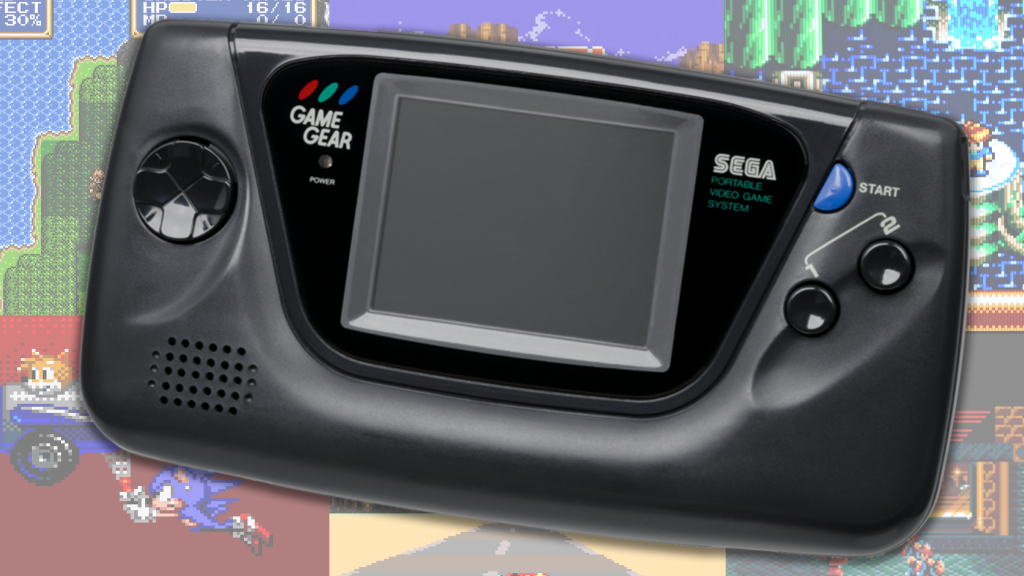
Sega’s answer to the handheld market was the Game Gear, an 8-bit system with a color display, released in North America and Europe in 1991. It featured a full-color, backlit screen, a powerful CPU, and a landscape form factor, making it one of the most technologically superior handhelds released during the early 1990s. It featured over 350 games in its library, which are excellent additions to existing franchises, including several Sonic titles. While it suffered from a short battery life, causing gamers to go through AA batteries like they were going out of style, it offered an entertaining, portable gaming experience beloved by those who had the opportunity to play it.
4) Sony PlayStation Portable
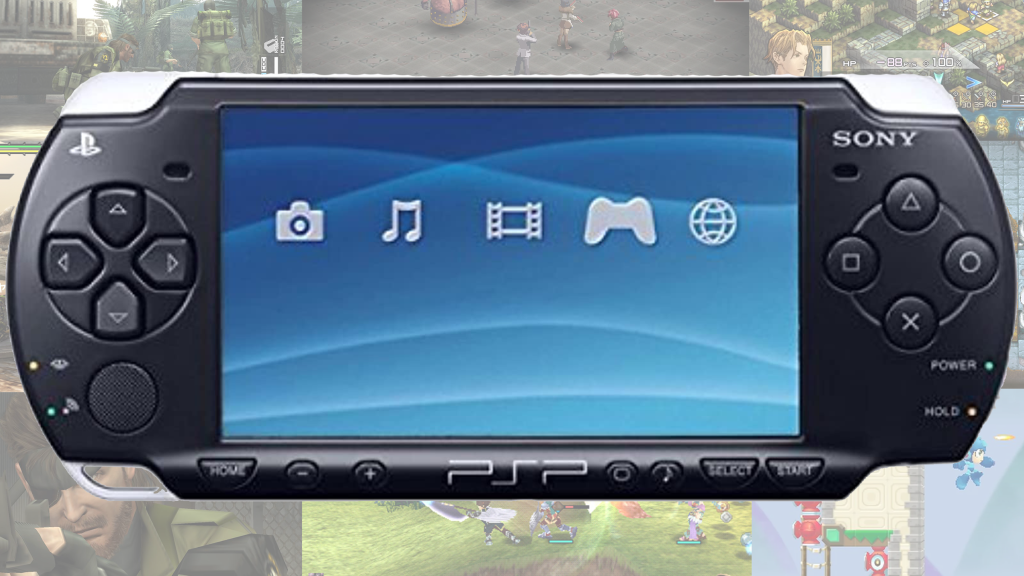
When Sony entered the handheld market in 2005, it did so with the PlayStation Portable. The console was meant to compete with the Nintendo DS, and it featured significantly better hardware, sound, and graphics capabilities. It also boasted a 4.3” backlit, widescreen TFT LCD, which made it a standout at the time. The PSP had more memory, better storage options, could play movies, and its games were comparable to those released on the PlayStation 2 and 3. While some didn’t appreciate its proprietary Universal Media Disc format, these offered superior storage, allowing for larger games, though with longer load times. Sony continued improving the handheld, releasing several models over the years.
3) Valve Steam Deck
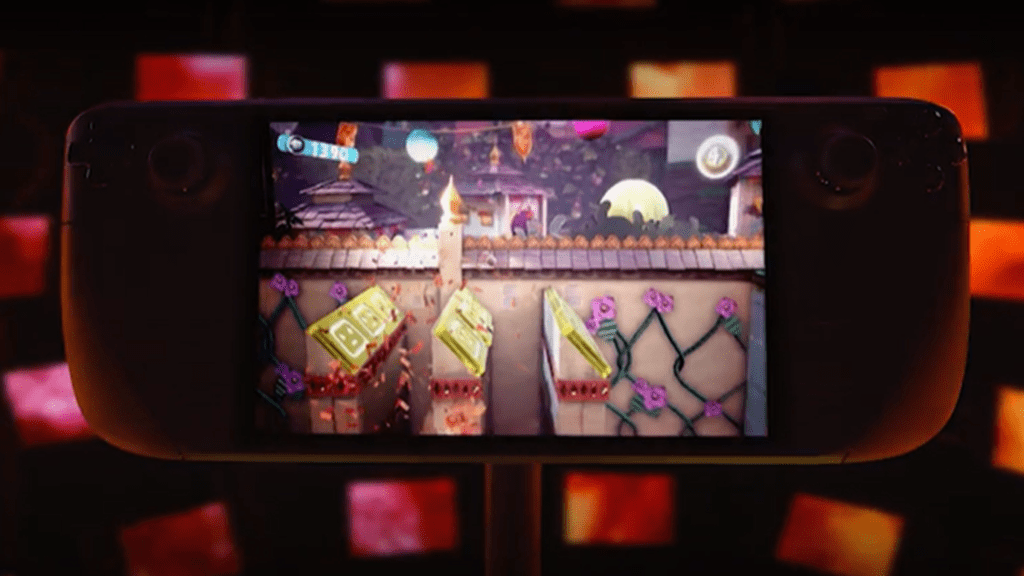
Steam is filled with more games than anyone can play in a lifetime, but they were limited to laptop and desktop computers for a long time. That changed with the release of Valve’s first handheld, the Valve Steam Deck, in 2022. Unlike traditional handheld consoles, the Steam Deck is, first and foremost, a computer. It runs SteamOS, a Linux-based operating system, and it’s loaded with powerful hardware. This allows the Steam Deck to run anything available on Steam, and one of its best benefits is the library: any games you own on Steam are available. There is a dock you can buy to use on an external monitor, but at its core, the Steam Deck is a handheld system.
2) Nintendo 3DS
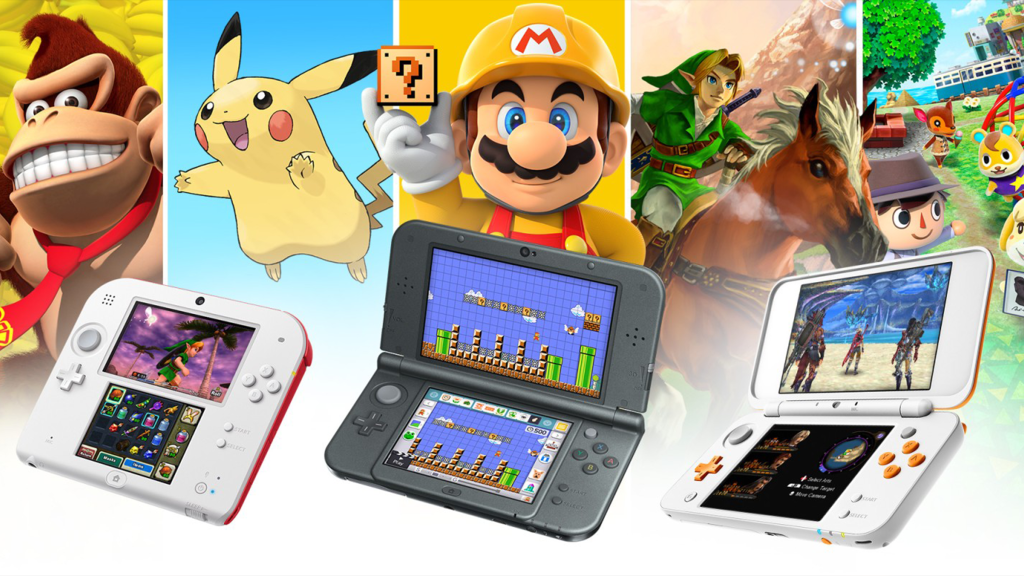
The Nintendo 3DS is the result of several generations of popular Nintendo handhelds going back to the company’s earliest days in the 1980s. The clamshell design is reminiscent of its Game & Watch products, not to mention the 2DS, and its 3D technology, which doesn’t require glasses, is an incredible technical achievement. Add to that the impressive library of games available on the system, either through physical copies or digital download, and there aren’t many handhelds that can compete. Nintendo released the 3DS in 2011, and by 2024, the company had sold more than 75 million units across various models.
1) Nintendo Game Boy
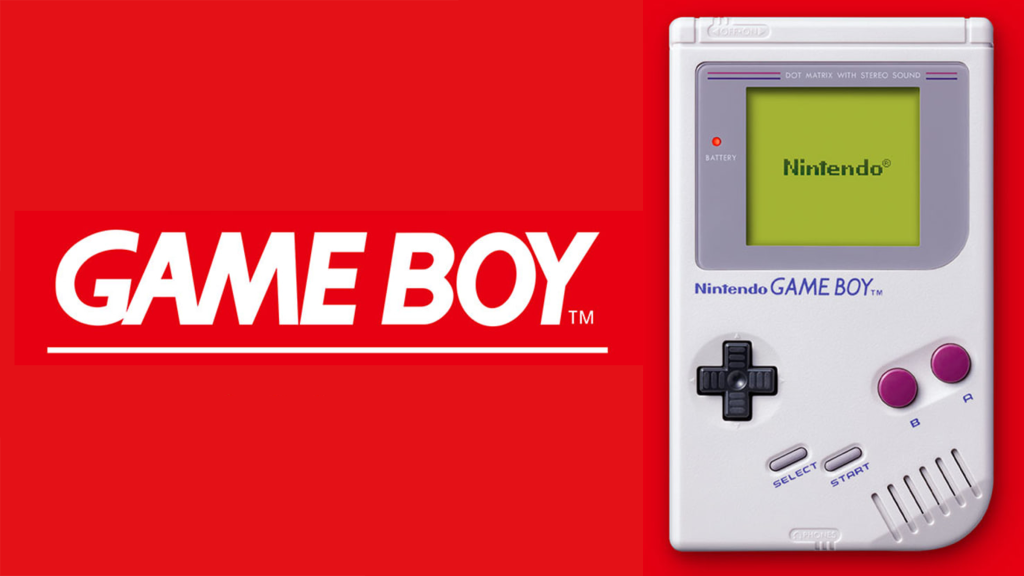
By today’s technical standards, the Nintendo Game Boy is a brick-shaped dinosaur, but it’s so much more than it looks. When Nintendo released it with Tetris, the company upended the video game industry. Eschewing available color-screen technology to keep manufacturing simple and the cost down. Nintendo made a conscious decision to remain retro, which worked in its favor. Other companies competed with color screens, better sound quality, and more, but at its core, the Game Boy’s success stemmed from its incredible game library. Sega and Atari couldn’t compete, and the Game Boy maintained its success for years. It’s a cultural icon and one of the most important consoles in history.
Honorable Mention – NEC Turbo Express
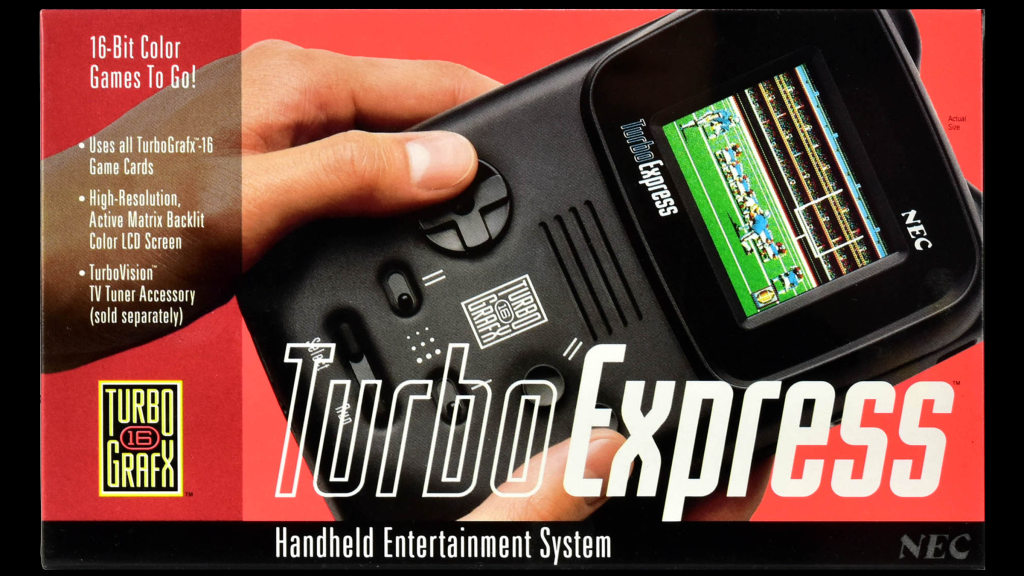
While few in the West ever heard of it when it was available, the NEC Turbo Express was one of the most innovative consoles of its generation. It competed with the Atari Lynx, Nintendo Game Boy, and Sega Game Gear, blowing them all out of the water on its features alone. If you owned a TurboGrafx-16, the console’s games were compatible with the handheld, opening the door to a large library upon purchase. The reason it gets an honorable mention is that it was poorly marketed and was ridiculously expensive, so almost nobody got a chance to play one. Despite this, its 16-bit portable graphics and sound were years ahead of the competition when it arrived in 1990.
Which handheld console is your all-time favorite? Leave a comment below and join the conversation now in the ComicBook Forum!
Most Viewed
-

Courtesy of Crunchyroll -

Image Courtesy of TOHO -

Warner Bros. Animation / Cartoon Network Studios -

Image Courtesy of Toei Animation