The samurai is one of the oldest warrior archetypes in fiction and history, representing a type of loyal vassal seen in feudal Japan. Samurai characters are often found in several games, including the recent Onimusha: Way of the Sword, a remake of developer Capcom’s classic series that pits a samurai against supernatural forces. The exciting combat and swordplay of this title reflects the appeal of playing as a samurai well, but it isn’t the only classic samurai game that could come back successfully.
Videos by ComicBook.com
It’s sometimes easy to forget that samurai games have been around for almost every console generation, a trend that continues to this day. Great titles like Ghost of Tsushima and its successor, Ghost of Yotei, both capture the essence of being a samurai in modern action-adventure experiences. At the same time, other games use samurai across a variety of other gaming genres, such as Samurai Shodown with fighting games or the Nioh series for action RPGs.
5. Blood Will Tell
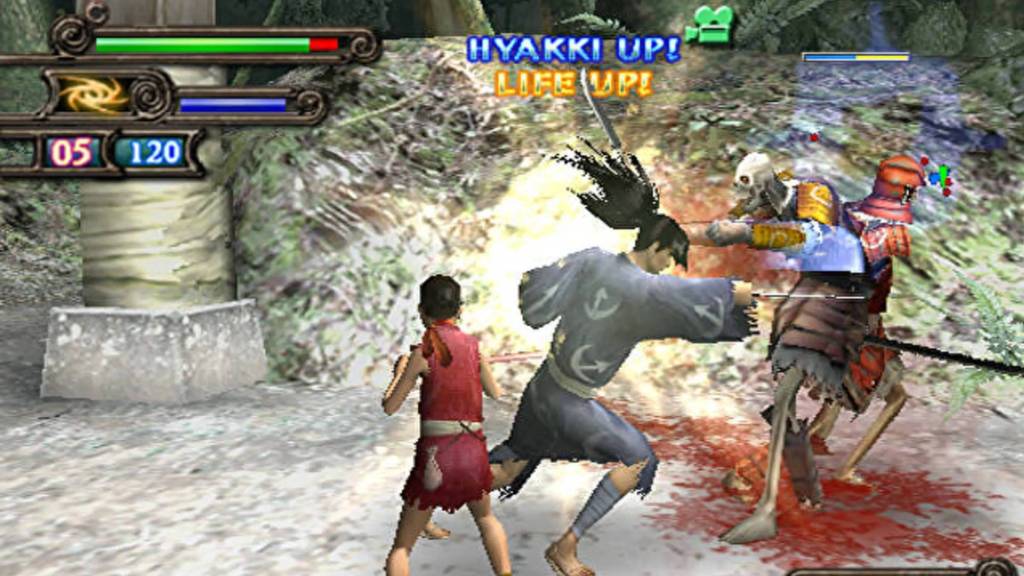
Blood Will Tell has plenty of similarities to Onimusha, as it is also a samurai game that features the player using their training as a warrior to fight against supernatural opponents. This PlayStation 2 game has a fascinating story, where the main character Hyakkimaru has had their body parts stolen by 48 demons, who he must defeat to reclaim himself, literally. Along with the thief Dororo, Hyakkimaru’s quest is full of action where you slowly get stronger by defeating the fiends who hold the protagonist’s parts hostage.
Both Hyakkimaru and Dororo are playable characters in Blood Will Tell, each with their own combat style depending at what point you are in the game. The combat of this title is certainly dated, with a hard-to-control camera and some inconsistencies when it comes to attacking targets accurately. That being said, a remake like Onimusha: Way of the Sword could easily improve this aspect of the game, making combat smoother than it was before. The interesting narrative alone makes this a samurai title that is fresh, different, and worth retrying compared to the stories you see with the archetype today.
4. Genji: Dawn Of The Samurai

Another PS2 samurai title is Genji: Dawn of the Samurai, a 2005 game that has many comparisons to Onimusha, albeit with plenty of its own unique qualities. Much like Blood Will Tell, this game features two different samurai players can control, either the agile Yoshitsune or the tank-like Benkei. Yoshitsune uses a pair of swords, performing high leaping jumps to avoid foes and get the jump on them. Alternatively, Benkei uses a huge war club to destroy obstacles in the environment, while also attack multiple enemies at once with huge swings of his weapon.
The variety in this game only gets better when you level up either protagonist using Essences of Amahagane, to enhance your preferred character’s normal or special attacks. As you get better and better, either character gets the use of abilities called Kamui, using a limited resource to unleash these skills for devastating effects on the battlefield. This action-adventure title rides and dies on this gameplay, using fluid attacks and powerful techniques to convey the combat mastery natural to each samurai character.
The graphics of this game were already somewhat ahead of its time, but a remake or remaster could make them even more impressive in the modern day. The PS3 sequel to Genji: Dawn of the Samurai wasn’t nearly as good, yet bundling the stories of both Way of the Samurai and Dawn of the Samurai together could create a more complete experience. With small platforming segments from the original title that could be improved for better traversal outside of combat too, this game has plenty of potential similar to Onimusha.
3. Way Of The Samurai
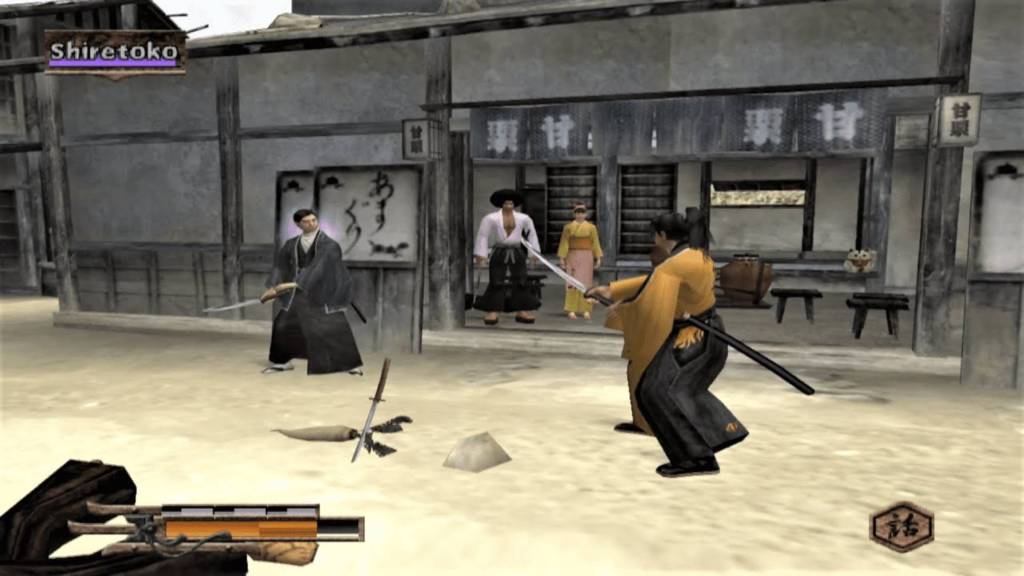
Way of the Samurai is a 2002 PS2 action-adventure game that perhaps captures the ever day experience of being a samurai best before Ghost of Tsushima or Ghost of Yotei. Like those games, this game has you play as a fictional Ronin character, navigating a world as a wandering warrior no longer bound to a lord. Way of the Samurai has a focus on samurai swordplay and third-person action similar to the Yakuza series, with combat almost feeling like a hack-and-slash or solid beat-em-up experience. Yet, the combat is quite slow, demanding deliberate strategy rather than mindless button mashing.
One missed strike of your sword can easily be turned against you, as your character can be taken out fairly quickly in any fight. This reflects the quickdraw-style duels from Kurosawa movies, arguably the best samurai content across all media. This degree of cinematic “realism” can be found across Way of the Samurai, including in the sword weapons you choose to wield. Swords have limited durability, which can be worn down through blocking and striking. However, these weapons also have different attributes and special abilities, making them worth any upkeep and maintenance required.
Player actions actually have consequences in this game too, as multiple quests have branching narratives depending on how you approach them. Similar in ways to Kingdom Come: Deliverance 2 on a smaller scale, a remake of Way of the Samurai could expand upon the game’s surprisingly detailed systems. You practically chose the plot of the original game, taking swords from enemies and creating a diverse collection based on which foes you want to pursue. With this adding so much replayability, a remake could be a refreshing samurai game far different from others.
2. Total War: Shogun 2
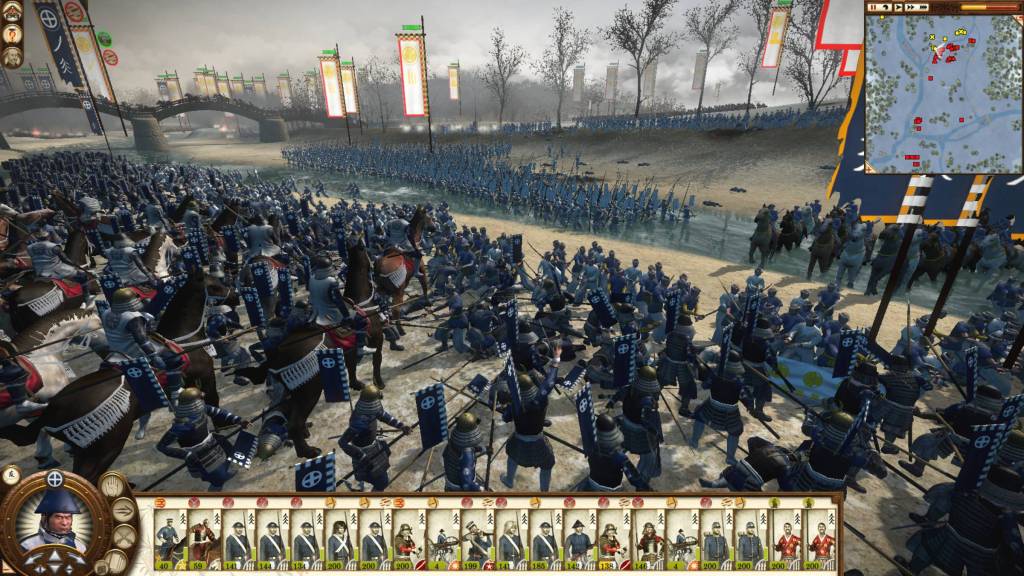
Most of the games on this list have you play as a singular samurai character, but Total War: Shogun 2 has you instead take on the role of a commanding lord of samurai armies. This real-time strategy (RTS) game was released in 2011, yet it feels like a classic game from the genre’s much earlier roots. This game has a mixture of turn-based actions and RTS gameplay staples, giving players a big amount of freedom in their actions that is a blend of something like Starcraft and Civilization.
Set during the 16th century in feudal Japan, ten different warlords all fight for supremacy using troops under their command. The 3D battles throughout this game’s tactical campaign are insanely detailed, requiring you to build up kingdoms and armies of samurai warriors using the resources at your disposal. Eventually, you’ll need to create fleets for naval fights and train legions of warriors for large-scale conflicts with other warlords. Economic and political power manifest through a number of strategies, from sending spies to infiltrate enemy forces to building massive siege weapons to tear through defensive points.
This game would be perfect for a remake or remaster, mainly for its eight player online modes that could create truly interesting RTS competitions. The two-player story campaign also adds levels of co-op to the title, which can be rare within the strategy genre. Although this game is only around 15 years old, improvements to graphics and performance could help it overcome its biggest weaknesses from a technical level.
1. Bushido Blade
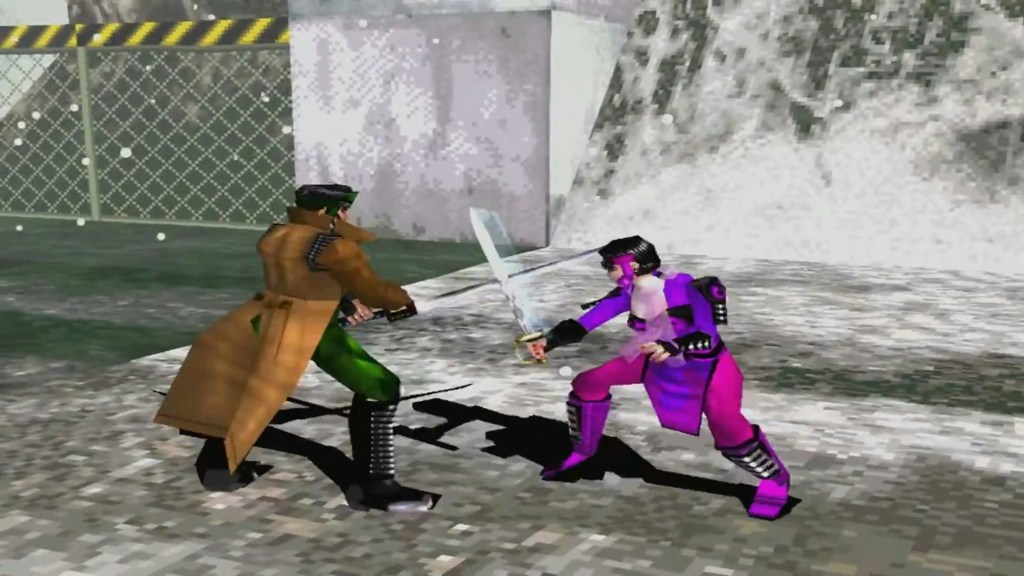
Much like SNK’s Samurai Shodown, Bushido Blade is a fighting game that is far different from the likes of Street Fighter, Mortal Kombat, or even its inspirations of Soul Calibur or Tekken. Like Soul Calibur, this is a 3D fighting game where players can move freely in every direction, and use weapons to attack one another in intense duels. That being said, this game is perhaps the only one of its kind to feature one-hit kills, where even one strike from your opponent is enough to defeat you.
In the same style as Way of the Samurai‘s combat, the mission statement of Bushido Blade is “swift and deadly.” Getting hit once in this game could lead to your character suffering a greivous injury, crippling a limb as a fight continues or even making you lose your weapon. The wide open arenas in Bushido Blade are massive, only adding to the careful back-and-forth players engage with during every round. You have to play this game carefully, as reckless attacks are sure to expose your character to a killing blow.
The only aspect of this game that hasn’t aged quite well is the graphics, coming from the original PlayStation back in 1997. Compared to Tekken or Soul Calibur, Bushido Blade doesn’t control super tightly either, but both of these problems could easily be solved by a dedicated remake or remaster. The characters were unique from one another, employing their own play styles and strategies to fit the Bushido code of honor samurai tend to live by. As a samurai game, Bushido Blade is one of the best that captured a samurai’s philosophy, perhaps even more than something like Onimusha.
More Gaming
-
Image courtesy of Moon Studios GmbH -
Image courtesy of Bethesda -
Cyberpunk 2077 x Witcher