Older Fighting Games are some of the most nostalgic gaming titles out there, reminding players of bustling arcades and fierce competition. Some fighting game series have continued and thrived, with some even being brought back in new entries to revive their franchises into the modern age. While series like Mortal Kombat and Street Fighter continue alongside revived projects like Fatal Fury, some forgotten games deserve to be brought back for new audiences.
Videos by ComicBook.com
A variety of older fighting games have been brought back for modern systems, mainly in collections released as larger bundles. The biggest example of this was in the Capcom Fighting Collection games, which put together both big Capcom fighting games like Marvel vs. Capcom and more obscure ones, such as Plasma Sword: Nightmare of Bilstein. However, these are hardly full revivals, mainly just ports and slightly updated versions of the same games they have been for decades.
5. Rival Schools
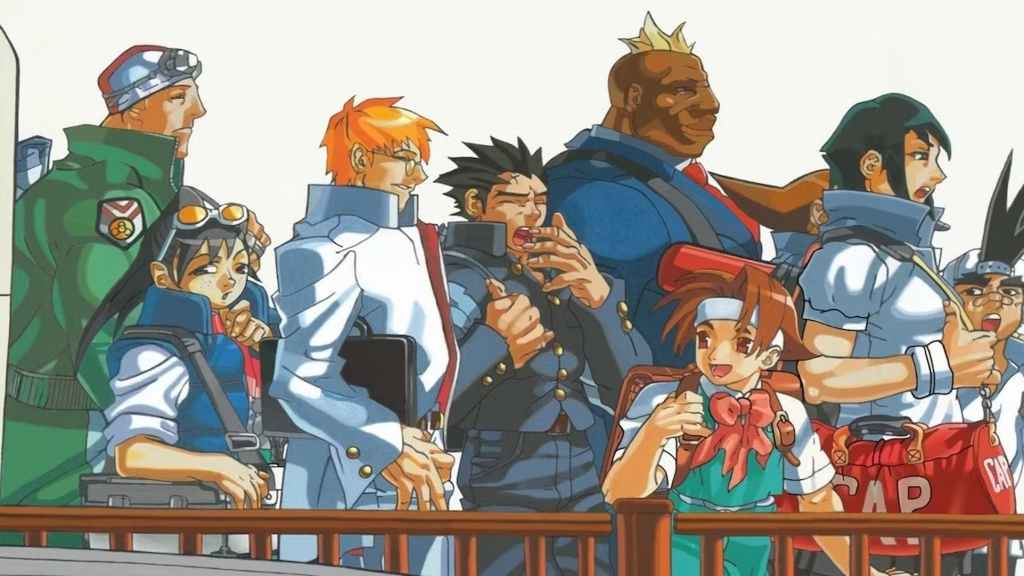
One of Capcom’s most unique fighting games they ever made was Rival Schools, a title where groups of students participate in tag team battles. The 3D graphics of the first Rival Schools was a sharp deviation from the 2D pixel art style of Capcom’s early Street Fighter titles, even featuring a crossover with that series by including SF‘s Sakura in Rival Schools as a playable fighter. The characters and mechanics of Rival Schools are beloved by a variety of fighting game fans, but the last title for the franchise was a Dreamcast port in 2000.
Rival Schools emphasized the tag team systems of its fighting far more than Marvel vs. Capcom would in Capcom’s other games. One-on-one fights could quickly escalate into Team-Up attacks as players built up their “Vigor” meter throughout a match. With super moves, extreme air launching attacks, and compelling defensive mechanics like Tardy Counters or Attack Cancels, Rival Schools is an incredibly distinct game in Capcom’s library. The setting of it at a high school is far different from other games in the genre too, which would help it stand out in any sort of revival.
4. Bloody Roar
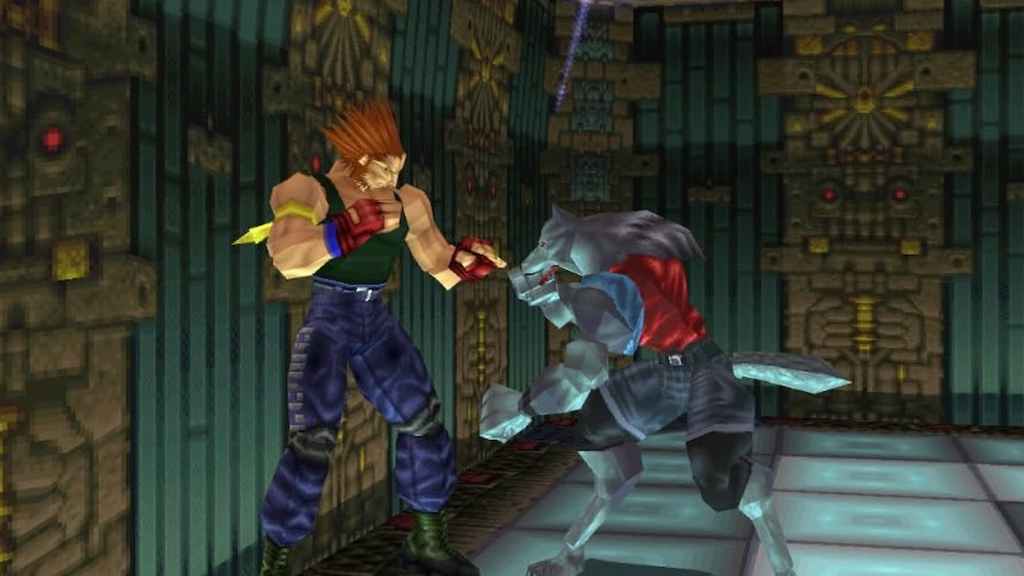
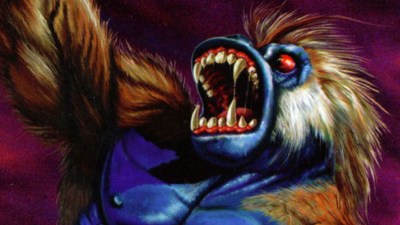
Bloody Roar is another fighting game that deserves a sequel, remake, or revival of some kind due to its unique mechanics. Although the first game in this 3D series didn’t have a large roster, it expanded until the release of Bloody Roar 4 in 2003, where it has remained dormant ever since. The action of this series has long been praised by fans, who mainly point out the “Beast Transformation” system that allows players to transform during a match.
Players in Bloody Roar would control both a normal character and their deadly beast form, such as Wolf, Rabbit, Mole, Fox, or Gorilla depending on which fighter you were. These “Zoantrhope” forms, as the game called them, boosted a player’s speed and lethality, creating exciting matches. Impressive graphics for its time made the first Bloody Roar very popular during the era of 3D fighting games, offering something different from pioneers like Virtua Fighter, Soul Calibur or Tekken. With a gothic feel and potential to expand its transformation systems further, Bloody Roar is overdue for a comeback.
3. The Last Blade
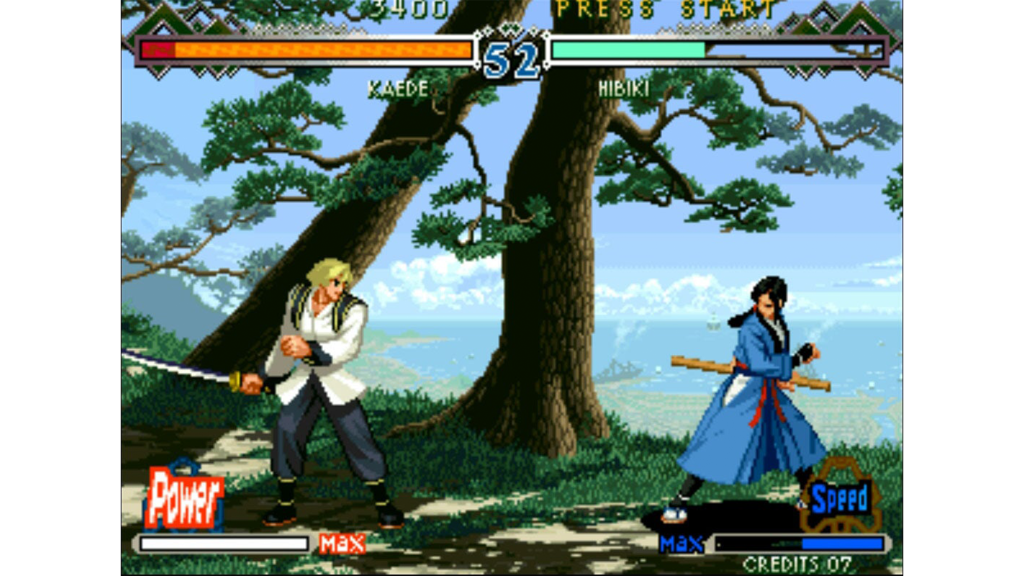
SNK has released plenty of fighting games over the years, but The Last Blade might be one of the most underrated gems in their collection. It’s easy to overlook The Last Blade when Samurai Shodown and The King of Fighters exist, yet the series is far different from SNK’s other series. The Last Blade takes place in Edo era Japan, focusing greatly on the feudal aesthetic of that specific time period. Unlike Samurai Shodown, the 2D fighting of The Last Blade is less explosive and faster paced to create something different.
One of the best systems in The Last Blade comes from the Speed and Power modes players can select when choosing a character. Speed mode allows for more combos, with a larger range of special attacks and launching moves to disrupt opponents. Meanwhile, Power mode increases a character’s damage potential, giving them access to “Hidden Secret Slash” moves in place of faster attack chains. This makes The Last Blade almost a combination of The King of Fighters and Samurai Shodown, acting as one of SNK’s more innovative titles that could easily be brought back.
2. Darkstalkers
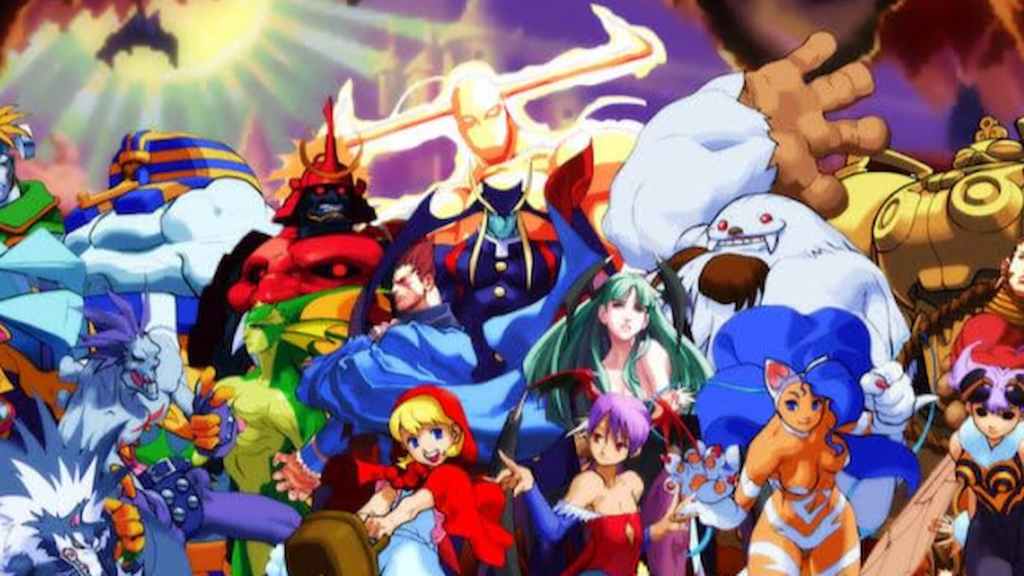
“Darkstalkers are not Dead” is a phrase that has now been almost a joke within Capcom fighting games, as the Darkstalkers series has practically been “dead” for years now. This series’ last game was Vampire Savior in 1997, only ever existing in arcades throughout its life cycle. This is one of the genre’s greatest shames, as Darkstalkers is undeniably one of the most accessible and gorgeous fighting games ever made due to its cartoony, horror-esque 2D pixel-art visuals.
Even among the best arcade fighting games, Darkstalkers had a level of presentation unlike any other. This series had a roster of very recognizable characters, with many representing a trope from popular horror media in some way. From John Talbain as a kung-fu master werewolf to undead samurai Bishamon and the succubi Morrigan and Lilith, Darkstalkers characters are still remembered well today. Arguably the blueprint for many other fighting games to come after it, Darkstalkers may not be as forgotten as others, but it deserves to be revived nonetheless.
1. Star Gladiator/Plasma Sword
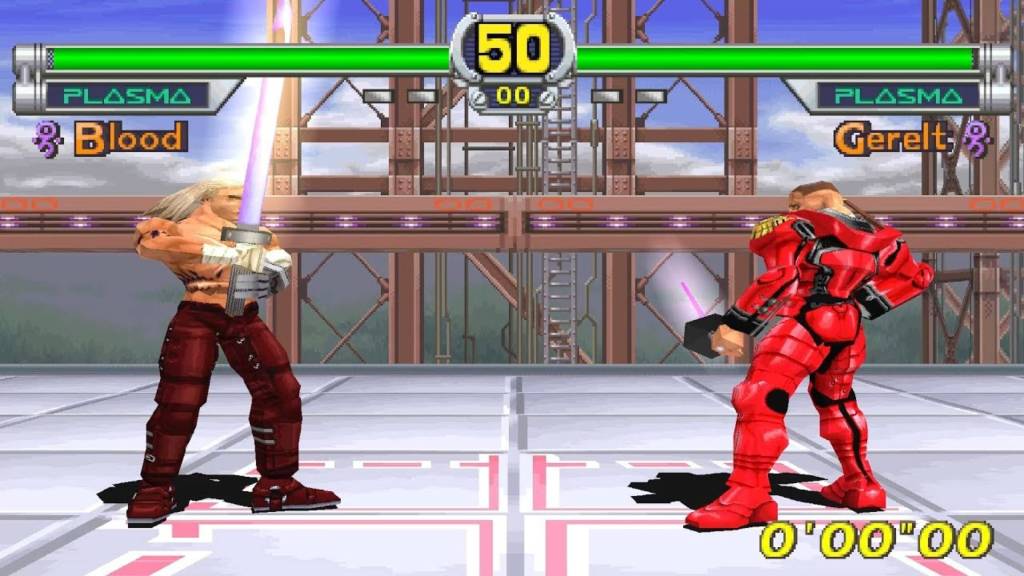
Many fighting games are grounded in some way, with battles being tied to modern day brawls or visits into a medieval type of past. Very rarely does a fighting game go full sci-fi like Star Gladiator does, creating a futuristic lens on an otherwise pattered genre. The characters in Star Gladiator and its sequel Plasma Sword are less concerned about being martial arts masters, but rather wielders of laser swords, cosmic magic, or robotic viruses to dominate 3D matches.
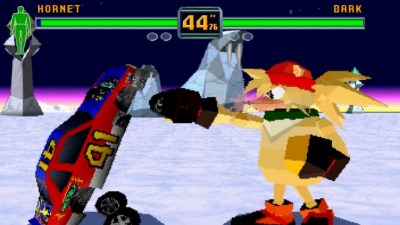
The gameplay of Star Gladiator is similar to Soul Calibur, with players capable of omnidirectional movement on stages with ring outs to encourage smart spacing. Plasma Sword expanded upon this concept more, giving characters dashing movements and special Plasma skills to change how opponents interacted with each other. Extended combo systems in Plasma Sword helped this series evolve more, with characters you’d be more likely to see in Cowboy Bebop or Flash Gordon rather than Street Fighter or Tekken.
At the time of its release, the growing innovations in 3D fighting games left Star Gladiator and Plasma Sword in the dust, reducing its relevancy as Capcom focused more on its other IPs. Although it has been forgotten over time, Star Gladiator now has a setting far different from other titles in the genre, perhaps positioning it well for a revival that reminds players the level of variety fighting games once had.
What forgotten fighting game series do you want to see return? Leave a comment below or join the conversation in the ComicBook Forum!
More Gaming
-

Courtesy of Evil Empire