Not every game is meant to last, but some titles don’t even get a chance to build an audience within a year after their release. Oftentimes, this is reflective of poor business practices, with companies expecting developers to create an instant classic that earns millions upon millions of players and retain them for weeks after release. This can lead to disingenuous or predatory live service titles, but occasionally, it also leads to solid games with niche audiences to shut down without a chance to meet their full potential.
Videos by ComicBook.com
Game servers get restricted or closed for any number of reasons, yet their decline always robs players of a chance of seeing the project grow into something enjoyable. Despite even the most disastrous of launches, some titles can bounce back over time depending on developer passion and how willing their connected groups are to continual game support. Just look at a game like No Man’s Sky, which was only allowed to become a beloved game after many years of support, a feat that couldn’t be acheived if it was shut down too fast.
5. Concord
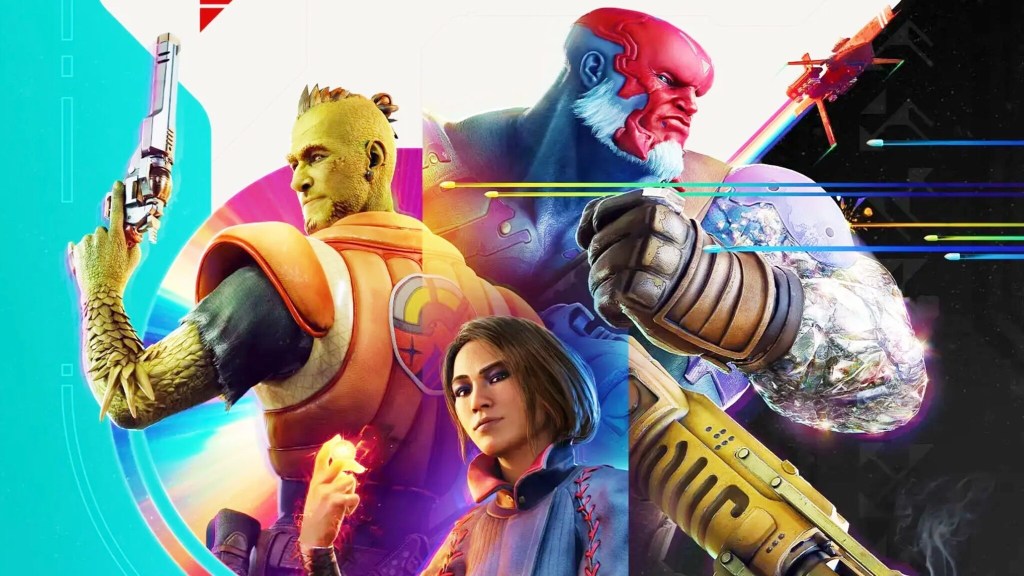
Even if given 10 years, I doubt Concord would have ever succeeded, as the game was the ultimate example of a disappointing hero shooter without any essence of that genre’s appeal. To put it simply, the heroes in Concord were boring, uninspired, and generic, leading many players to not pay attention to the game in comparison to other stylish titles in the genre. As Overwatch, Marvel Rivals, and recently, Deadlock have proven in recent years, a hero shooter’s cast is integral to getting players engaged.
Concord only lasted 11 days, making it the fastest game shutdown in modern history, despite Sony reportedly spending nearly $400 million to get it made. The game’s irony is most exemplified on it getting an animated episode on Amazon Prime’s Secret Level mini series, alongside successful titles and IPs like Armored Core 6, Warhammer 40,000, and even Dungeons and Dragons. The player count of Concord reached about a high of 700 players on Steam at its “height,” truly reflecting how little players wanted to try out the game.
Thankfully, this is a rare case where players got all their money back through refunds, but after all the marketing efforts of Concord, the ones left in the dust the most were those who worked on the game. Developer Firewalk Studios closed its doors shortly after Concord‘s failure, marking a frustrating lack of faith Sony ever had of letting creatives from that group ever try to make something players would be interested in. Corporate meddling is by far the biggest contributor to Concord‘s fate, but allowing creative freedom could have given the game more time to find an identity.
4. Rumbleverse
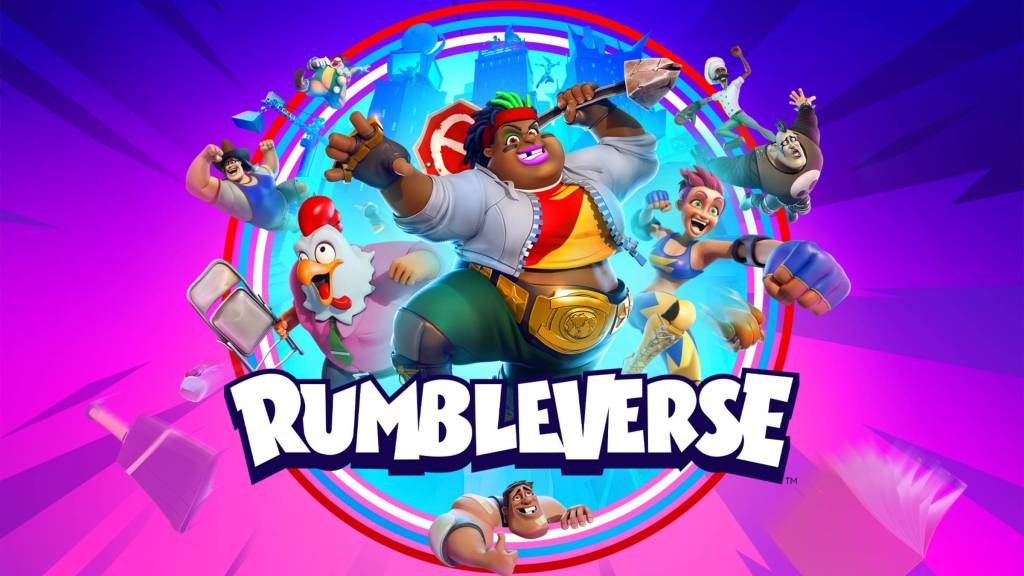
Rumbleverse is a great game that didn’t get a chance to live up to its potential, shutting down only after six months and four days back in 2023. This brawler battle royale was a breath of fresh air in the genre, taking away some of the annoying tropes of games like Fortnite while also adding an exciting pro wrestling aesthetic for players to get hooked onto. The chaos of this game had an old school arcade feel, with high flying knock outs that were supported by wacky physics on surprisingly detailed maps.
The mechanics of this game are also far deeper than you’d expect, coming from Iron Galaxy’s background as creators behind 2013’s Killer Instinct reboot, at least during later seasons of that fighting game. Instead of traditional battle royale formulas of finding the strongest guns on a map, a player’s fighting prowess is equal at the start of matches. This way, players never felt helpless, simply gathering bigger and better stats through beat-em-up style upgrades found as they explore a map. For all intents and purposes, Rumbleverse was slapstick gameplay at its finest.
Although performing huge grapple throws off skyscrapers was undeniably fun, the game never got enough of a player base to continue support. As a free-to-play title, the monetization pushed by Epic Games was all over the place, never reaching expectations despite Iron Galaxy’s best efforts. Battle Passes and exclusivity on PC through the Epic Games Store hindered player interest in the long run, shutting down Rumbleverse before it could truly become a cult classic.
3. Babylon’s Fall
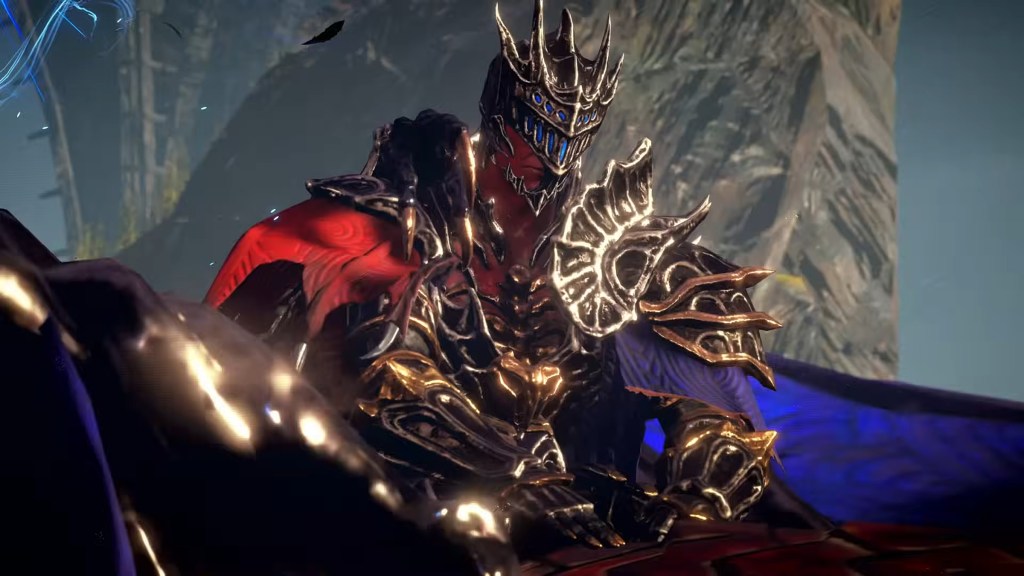
Developer Platinum Games, the group behind the Bayonetta series, created Babylon’s Fall back in 2022 as an action RPG/hack-and-slash hybrid that many players hoped would live up to the studio’s past successes. Unfortunately, any excitement over this title quickly was stifled through the usual suspects — poor live service systems and uninspired gameplay that didn’t keep players invested. This game tried to implement a Monster Hunter style of solo or co-op quests, but despite attempting widespread attention, its missions never inspired the grind it was trying to set up.
The premise of this game was that players controlled a character called a Sentinel, who wielded two weapons and a unique tool called “Gideon’s Coffin.” The goal of the game was to use the spectral weapons in your arsenal to ascend a Ziggurat tower, either on your own or with up to four players at once. While you weren’t trying to get to the top of the Ziggurat, a hub world let you purchase upgrades, visit shops, or mix and match loot you got from your runs. On its surface, this concept had its appeal, with a variety of gameplay options due to the weapons available in the Babylon’s Fall.
The repetitive nature of this game never made more than one or two runs worth it, as it never offered anything new or progressive in its gameplay with player efforts. For example, once you reached the top of the Ziggurat once, you’ve seen everything interesting about Babylon’s Fall. Unlike games with interesting loops, like Risk of Rain 2, Babylon’s Fall had lackluster combat that didn’t make playing in its engine too fun, and that doesn’t even begin to cover the terrible microtransactions. Aggressive store prices and an egregious Battle Pass made things unsustainable, with hardly players justifying keeping servers online.
2. 2XKO
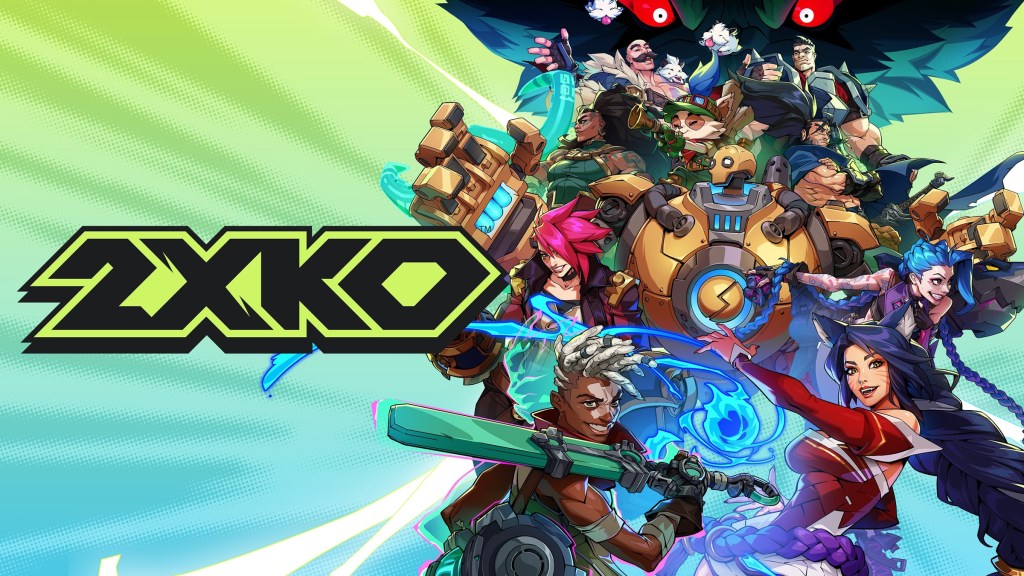
2XKO is the most recent example of a game being shut down too soon, despite having the potential to be an incredibly popular title with the right crowd. This 2v2 fighting game featured characters from League of Legends, arguably one of the most popular games in the world. Developed by the same creators, Riot Games, 2XKO was made by veterans of the fighting game field looking to build something special. Yet, this knowledge of fighting games didn’t prevent 2XKO from being accessible to newcomers as well, with simplified mechanics that made jumping in easier.
The biggest problems with 2XKO came from a delayed console release and a small cast of characters compared to most fighting games. Although the game would receive free updates adding well-received fighters through DLC, it didn’t even reach the same roster size as other titles. For example, Marvel Tokon: Fighting Souls released with 21 characters, which was considered small, but 2XKO will only have 17 fighters by the end of 2026. Layoffs at Riot Games certainly didn’t help either, significantly cutting staff working on the game.
According to official statements, 2XKO just couldn’t attain sustainability within the fighting game crowed, despite many praising the title’s innovative parts. 2XKO‘s deep features and ability to let two friends play together on the same team led to incredibly fun moments, both within casual and competitive scenes. After only eight months, though, Riot plans to shut down the game’s development by the end of 2026, before other League of Legends characters could help alleviate the biggest issue the game faced.
1. Highguard
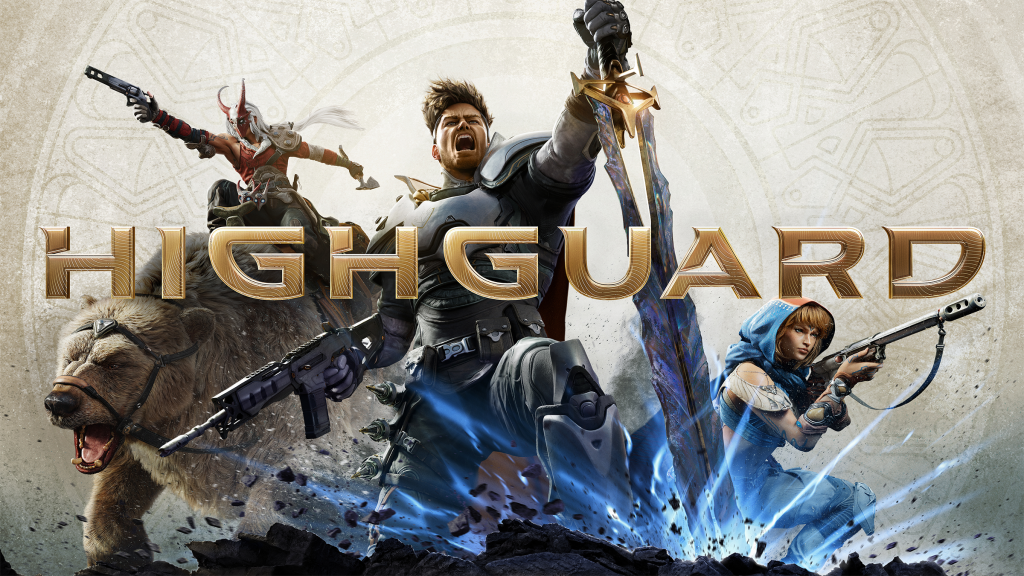
The story of Highguard is similar to Concord in many ways, but more confusing and less predictable than the Sony flop. First premiering during the Game Awards, Highguard was a live service game announced by developer Wildlight Entertainment as a shadow drop, launching the title only a month after its reveal. This free-to-play raid/hero shooter combined different elements of various genres together, but baffled players through a blend of almost too many systems into a soup that was hard to decipher.
There were a first-person shooter shell in Highguard supported by base-building and siege mechanics, with teams of players competing with one another to destroy another group’s stronghold. Survival mechanics here only complicated that process, with players spending a match’s initial phase reinforcing bases with different materials they found on a fantasy-inspired map. Once bases were fortified, teams fought over a central map item called the Shield Breaker to break into enemy strongholds, finally winning matches after a long effort.
Although the fun parts of this game could have been refined, its initially high player count quickly dropped as players realized its many flaws. Funding was cut for this game by the larger company Tencent overseeing it, mainly because it couldn’t reach a lingering player count within ridiculous expectations of millions. Failed unrealistic revenue goals prevented Highguard from purging its bad systems and refining its decent ones, ending the game’s support in just 45 days. Although not as good as Rumbleverse or 2XKO, Highguard had any chance of recovering taken away quickly, creating a disappointment players will soon forget.
More Gaming
-

Courtesy of Ubisoft