Video games have been around for a long time, and the industry has suffered more than a few setbacks. From crashes that nearly killed video games before they got going to horrible stories of abuse at game studios, there have been plenty of problems. When something truly controversial comes along, it endangers the industry, and instead of focusing on things like #Gamergate, terrible people, and their bad actions, we looked at some of the most controversial games that caused real-world issues and nearly put the video game industry out of business. These are five games that caused widespread controversy, listed in no particular order.
Videos by ComicBook.com
1) Street Fighter X Tekken
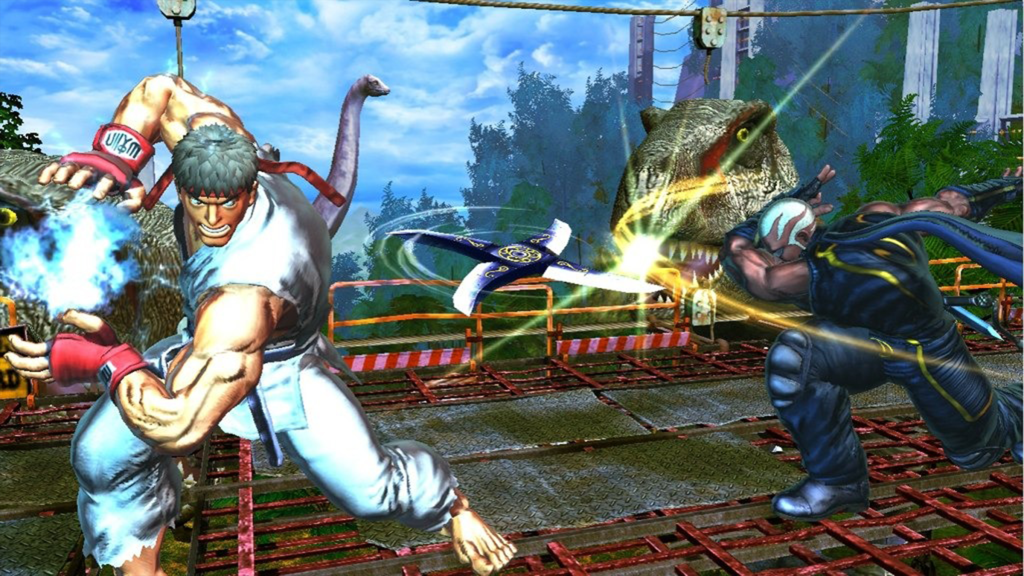
Gamers have often enjoyed DLC, which adds new content to their games at a relatively low cost. DLC is one of those terms everyone understands, but in Street Fighter X Tekken, Capcom seemingly forgot that it stood for “downloadable content.” Instead of offering normal DLC for Street Fighter X Tekken, Capcom included it on the disk behind a paywall. The company explained its reasoning as a smooth transition of additional content after the PlayStation Vita’s port was released, which debuted the 12 characters already on the disk. Fans were furious over the implication that content they’d eventually have to pay for came pre-packaged in their games. The controversy impacted the industry by making gamers dubious of DLC, as many avoided future purchases.
2) Manhunt
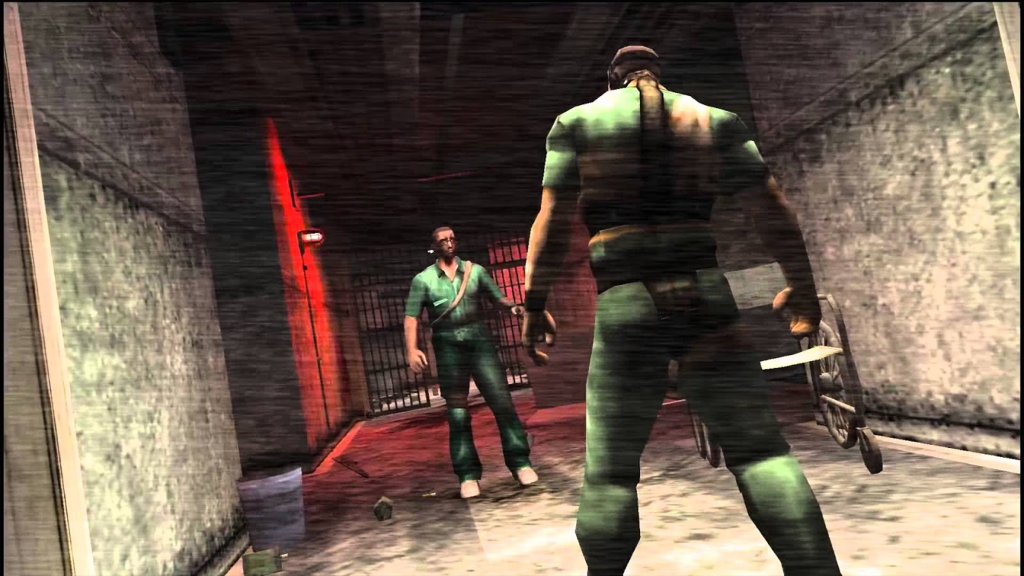
Manhunt is a stealth game, where players control a death row inmate who is forced to slaughter gang members to create snuff films. The premises of Manhunt and its sequel did not sit well with regulators, and they sparked significant controversy. It didn’t take long for the game to receive the banhammer in multiple countries, including the United States and the United Kingdom. The Manhunt franchise was described as a “murder simulator,” bringing a lot of negative attention towards gaming, as a brutal murder in the U.K. was blamed on the games. The police ultimately discarded this supposition, but the negative press and widespread condemnation resurfaced long-held beliefs that video games lead to violent behavior.
3) Star Wars: Battlefront II

If you’re in the mood to trigger a gamer, just mention “loot boxes” to them and see how they react. The most notorious instance of loot box microtransactions is Electronic Arts’ Star Wars Battlefront II. The game introduced a means of getting gear that could be improved through additional purchases. Essentially, players shelled out cash to score random prizes that gave them an advantage in gameplay. The random nature of the loot boxes and their cost introduced a pay-to-play concept to a game most often described as gambling. This led to investigations in several countries and widespread negative reactions to EA and the game in general. The loot box controversy impacted the industry by making gamers wary of pre-ordering AAA titles that promised much and delivered experiences that only improved with added, hidden costs.
4) Wolfenstein 3D

Wolfenstein 3D was a monumental achievement in FPS development, but it also brought with it a ton of controversy. The game pits the player against Nazis and uses the Swastika and other imagery to depict its environment. Additionally, the game’s track includes “Horst-Wessel-Lied,” which was the anthem of the Nazi Party. If you’re wondering what’s controversial about making Nazis the bad guys, it’s the symbolism and references themselves. The game was banned in Germany because depicting Nazi imagery is incredibly illegal there. While that significantly impacted the game industry in Germany, on the other side of the pond, the game’s violent imagery spawned numerous complaints, creating problems for retailers and game developers alike.
5) Mortal Kombat
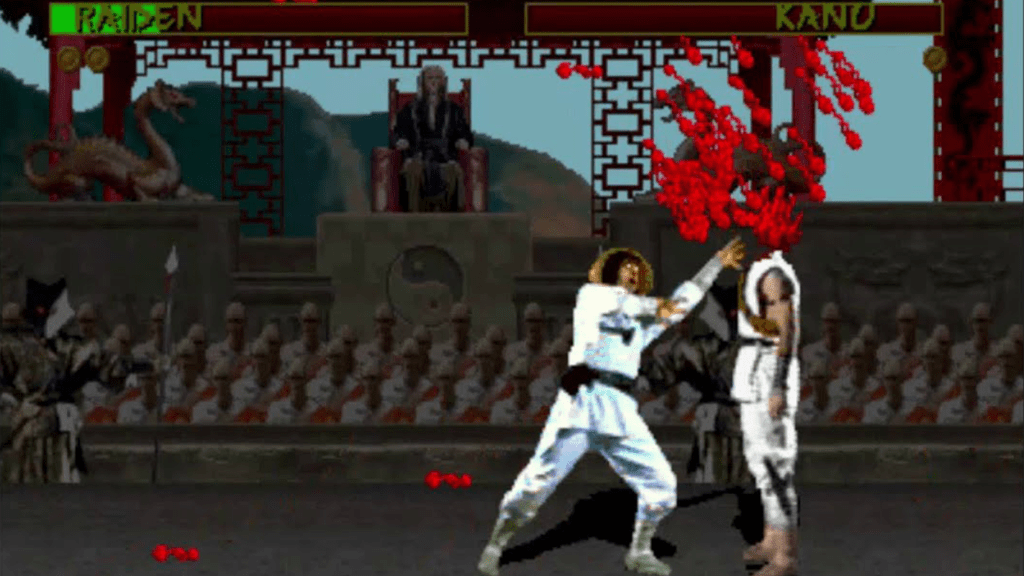
Of all the video game controversies that threatened the industry, the one surrounding violent imagery in Mortal Kombat was the most impactful. The game’s Fatalities upended the marketplace, pushing religious and parent groups to censor and push for bans. Indeed, the game was banned in several nations, and it wasn’t unlike the “Satanic Panic” that surrounded Dungeons & Dragons during the previous decade. Even the U.S. Congress got involved, and the whole thing became a fiasco that nearly killed violent video game. The result was the establishment of the Entertainment Software Rating Board (ESRB), which now places ratings on games. The industry muddled through it, but the impact is still being felt to this day.
What was the biggest gaming controversy when you were a kid? Leave a comment below and join the conversation now in the ComicBook Forum!
Most Viewed
-

Courtesy of Crunchyroll