Plenty of strategy games are hard, testing the limits of your ability to plan ahead as you maneuver unique to do specific actions. Oftentimes, the most challenging games of this genre will not only test your moment to moment decision making, but also your endurance throughout long scenarios. Unforgiving strategy games will even take away safety rails, directly punishing you for making mistakes with long-lasting consequences.
Videos by ComicBook.com
Difficulty in games can be hard to describe, with difficult or unfair boss battles being as tough as a 30+ minute RTS match in something like Starcraft. For the purposes of this list, the strategy games mentioned will be ones with unique restrictions or a lack of hand-holding information that adds new layers of challenges that other titles in the same category sometimes lack. This could include permadeath on important characters, narrow win conditions, or other elements that are hard to plan around compared to other strategy games.
5. XCOM: Enemy Within
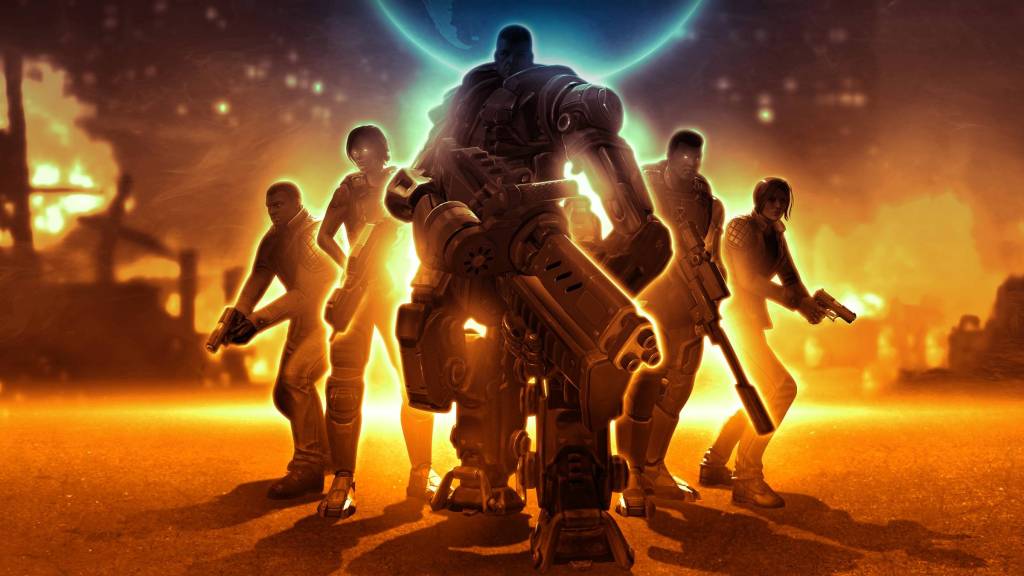
The first XCOM is already a strategical masterpiece, featuring high-stakes mechanics that are enough to make even the most hardcore fan of the genre shudder. Perma-death on any character, brutal RNG, other pressures like time limits demand a lot from players, easily becoming overwhelming fast. However, the Enemy Within expansion for the original XCOM pushes the already difficult parts of the game to the extreme, adding more on top of what players already struggle against.

This expansion introduces far stronger enemy units than the base game, with enhanced AI that transforms every strategy that would normally work in XCOM‘s standard settings. The difficulty spike this creates is sharp, forcing you to learn new mechanics to adapt fast. Cybernetic modifications to your soldiers becomes a must, encouraging more RPG-like investment in specific units to help them grow stronger. As a result, it makes their deaths far more devastating in combat encounters, derailing campaign runs into impossible endeavors even after hours of playing.
4. They Are Billions
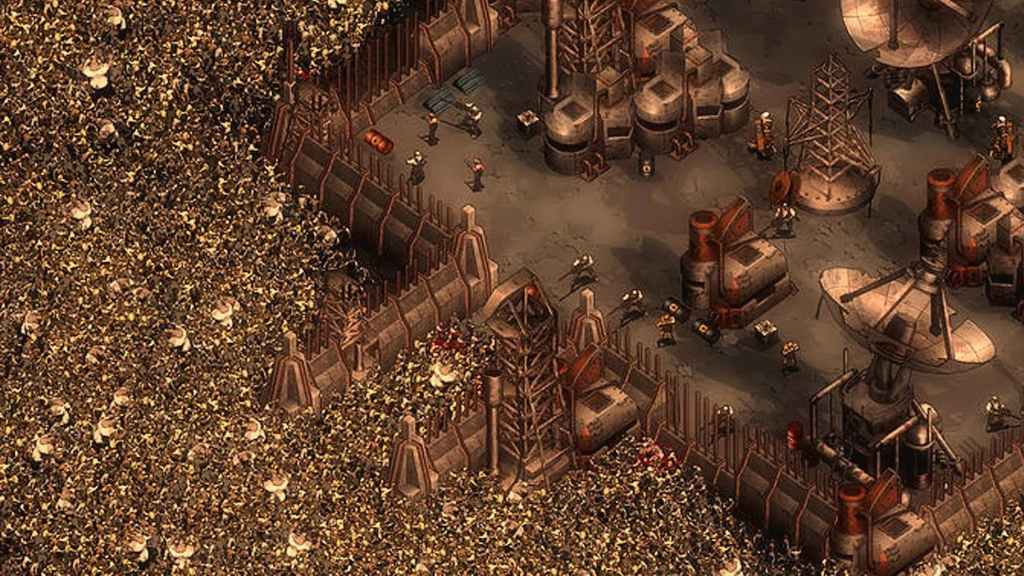
Plenty of games try to capture the scale of a zombie apocalypse, but They Are Billions might be the only one that evokes true terror of just how many undead there can be in that kind of environment. Among strategy games with awesome premises, They Are Billions is less turn-based and more like a Balloon Tower Defense or Civilization game, throwing waves of enemies at you that you plan for in advance. Most titles like this tend to start slow, getting players used to many types of enemies before challenging them, but this game throws you into the frying pan almost instantly.
Beyond giving you the basic guardrails, They Are Billions mostly leaves you to your own devices as you try to figure out how to deal with zombie hordes. As your enemies grow in size to astronomically staggering numbers, you have sole control in deciding how to expand, what to invest in, and what risks you take to stay alive. The pace of this game is far from straightforward to figure out, using an “Ironman” style of play that prevents pausing.
Missing a zombie breach could cost you dozens of hours of solid progress if you aren’t prepared, as you juggle resource management and base-building on top of general defensive strategies to deal with undead hordes. One small error and over-reliance on favorable RNG spells disaster if you aren’t careful, building an experience that punishes you heavily if you lack the self-discipline to overcome demanding content.
3. Mordheim: City of the Damned

Mordheim: City of the Damned is another strategy game with permadeath for its characters, taking your attachments and adding more weight to sacrifices. However, unlike other games in the genre, this one has far fewer parameters surrounding permadeath as a concept, taking it a step further to increase the tension within every mission. Your team of carefully trained characters can all die at any point, including its leader who spearheads story progression. Like the dice rolls of Baldur’s Gate 3, RNG in Mordheim: CotD is not forgiving, so a single tough enemy could end a compelling narrative instantly.
Even if your characters survive from an enemy attack, Mordheim: CotD puts even greater pressure on them through its unique injury system. Characters can receive critical debuffs and changes to their strengths through getting hurt, shifting your strategy to accommodate for their decrease in utility. Resources are scarce to try and heal those units too, so your warband’s endurance is put to the test as your options become slimmer and slimmer in future strategical missions.
2. Europa Universalis 4

Constant DLC changes and extra expansions make Europa Universalis 4 almost impossible to learn with just what the game gives you. This strategy title is notorious for its complexity, requiring you to balance war, trade, economy, and other management ideas at the same time in prolonged matches. Unlike the simpler approach Civilization takes to its presentation, Europa Universalis 4 doesn’t attempt to guide you very far, instead encouraging you to figure out what strategies work best on your own.
Failure is not just something to avoid in this game, but something you’ll inevitably run into due to the lack of tutorials. Out-of-game resource guides are one of the best ways to learn how Europa Universalis 4 works, especially when you consider the multitude of extra mechanics added throughout the game’s life cycle through various updates. This alone builds a game that’s hard to approach, but very satisfying to figure out once you slowly learn which obstacles are in your way.
1. Darkest Dungeon 2
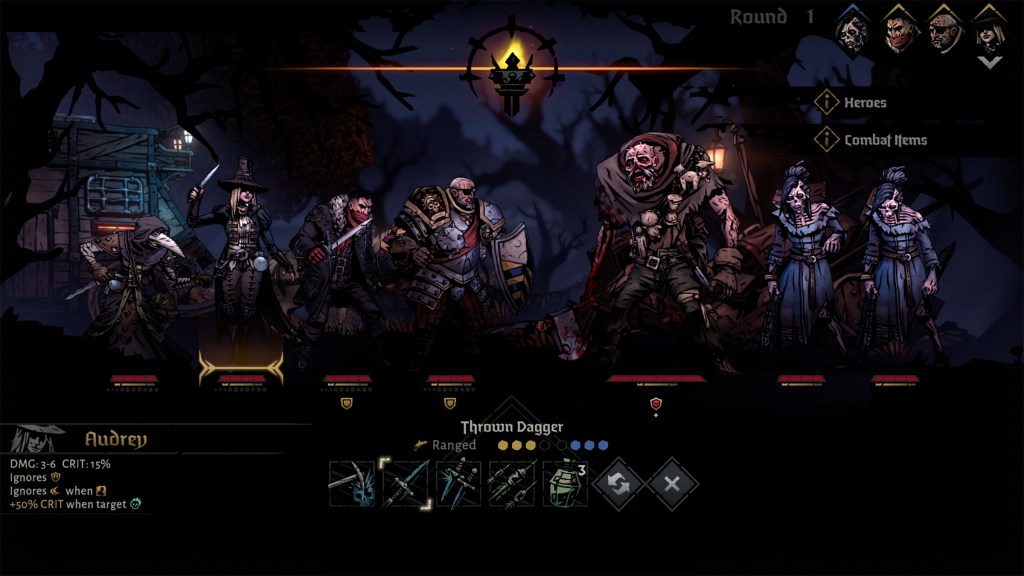
The roguelike deck-building experience of Darkest Dungeon 2 demands your absolute attention for any strategy to work, mainly due to how soul-crushing it is to lose dozens of hours of a run due to a solitary misjudgment. The attention to detail here is what makes this strategy game so intense, either with characters in your squad or the general mechanics that steer you at every turn. RNG obviously dictates the most success, but other wrenches can throw off your plans without warning, forcing you to be flexible to new changes.

Characters in this game have relationships you have to pay attention to, with good ones boosting power while others shackle your squad with penalties. Throughout your run, you have to micro-manage your team’s feelings in addition to their normal stats, with a group’s stress being just as important to prepare for as the tactics of enemies they face. Since no two runs are the same, survival is more important than having the “optimal” plan each and every time, meaning you will have to make sacrifices through tough choices.
The path your group takes is also based on your decisions, adding a new layer to strategy for progression that other games in the genre tend to avoid. This non-linear approach helps Darkest Dungeon 2 stand out as a truly difficult strategy game at times, reflecting how the most grueling titles introduce new methods of testing your wits than you could ever anticipate.
What strategy games do you think test their players the most? Leave a comment below or join the conversation in the ComicBook Forum!
More Gaming
-

Courtesy of Game Freak -

Courtesy of The Pokemon Company -

Courtesy of 343 Industries -

Image Courtesy of Warner Bros. Games