Some games never really escape their first impression. A rocky launch, a handful of loud criticisms, or sky-high expectations that were simply impossible to meet can define how a game is remembered long after it has changed or been reevaluated for the better. Once one of these kinds of narratives takes hold, it spreads fast, and reversing that trajectory is far harder than creating it in the first place.
Videos by ComicBook.com
The following games were widely disliked for various reasons, many of which do not fully hold up today, but are still held in contempt by some despite this. Each one has had real shortcomings, no doubt, but those flaws often became the entire conversation, drowning out what these games actually did well. As such, these are five underrated games that were hated for all the wrong reasons.
5. The Bureau: XCOM Declassified

The Bureau: XCOM Declassified is a game that faced immediate backlash simply for what it was not. XCOM is a beloved franchise that has been around for a long time, and anything that deviates from the franchise’s well-beloved formula is not typically seen in a positive light. Fans expected classic turn-based XCOM strategy, but instead got a third-person tactical shooter with squad commands layered on top. That shift alone caused many players to dismiss it outright, regardless of what the game actually offered.
While it is fair to say the marketing set expectations quite poorly, The Bureau is far more interesting than its reputation suggests. The squad mechanics add tension to every encounter, forcing you to think differently about positioning and abilities when compared to standard XCOM. Its Cold War setting and slow-burning story also give it a distinct identity within the XCOM universe, which is typically known for its heavy sci-fi setting, making it an underrated experiment rather than a failed one. Today, the game is still a solid experience, but many continue to write it off due to how different it is from its roots.
4. No Man’s Sky
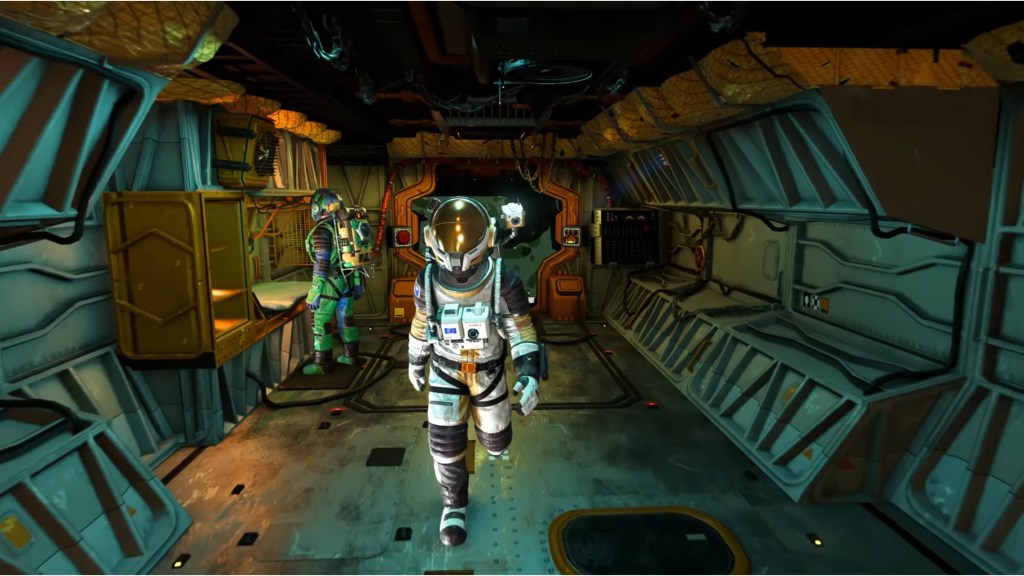
No Man’s Sky is almost always mentioned in conversations about disappointing launches due to how infamous it was. At release, it lacked so many features players believed would be present due to many of them being directly stated to be from the developers themselves. Not only that, but its universe felt lonelier and more limited than promised. The backlash was swift and overwhelming, turning the game into an industry-wide punchline. This was a self-inflicted wound, so there’s no real fault here with the consumers.
But, despite that, what often gets lost in translation is how much No Man’s Sky has changed for the better since its infamous release. Years of updates have since added storylines, multiplayer systems, base building, and deeper survival mechanics than anything present before. The game is now a sprawling exploration sandbox that rewards curiosity and long-term play, and it has an incredibly loyal fanbase thanks to these updates. Its early failures are real, but continuing to judge it solely on launch ignores the experience it has become.
3. Fallout 76

Fallout 76 launched in a state that made criticism unavoidable, especially so if you are a Fallout fan. Technical issues and server instability severely plagued this title’s initial release, and that alone was already pretty bad for its reputation. But what really sank this game was the genuinely shocking absence of human NPCs, something the Fallout franchise is well known for. This made the world feel completely empty and unfinished, and thus, many players felt it stripped away what made Fallout compelling in the first place.
Over time, Fallout 76 quietly rebuilt itself. The developers went back on that design decision to omit NPCs and introduced them in one of the game’s largest updates. Along with them came full questlines and seasonal content that gave the world structure and personality. While it will never fully escape its launch reputation, the current version offers a solid cooperative exploration experience and storytelling that feels far closer to a traditional Fallout experience. The idea that it is still broken or hollow no longer really reflects its reality.
2. Assassin’s Creed Unity

Assassin’s Creed Unity became infamous for its technical problems at launch. Bugs, glitches, and performance issues dominated coverage, often eclipsing any discussion of its actual design. What really took a toll on this game’s reputation was the lack of functional CO-OP at its release. It was there, but all kinds of networking and dsync issues cratered its reputation faster than any bugs did. For many players, Unity became the symbol of a franchise that had grown too large, too fast.
Once those issues were patched, a different game emerged from the ditch it dug itself into. Unity features one of the most detailed cities the series has ever produced, with Paris feeling alive in a way few open worlds manage, even to this day. Its parkour system is smooth and expressive, encouraging vertical movement and exploration. It’s a shame, because Unity’s biggest crime was just launching technically unfinished, rather lacking ambition, creativity, or quality beneath the surface.
1. Mass Effect: Andromeda

Mass Effect: Andromeda endured one of the strangest waves of online backlash a video game has ever seen. Following a beloved trilogy meant comparisons were inevitable, and expectations were naturally sky-high from the start. While the game had real issues worth criticizing, the conversation quickly fixated on its occasionally awkward facial animations, turning them into the defining image of the entire experience. This was such a defining aspect of the game’s reputation that, often, actual problems were glossed over in favor of these facial faults. Those visuals ended up totally eclipsing everything else the game offered, good and bad, locking its reputation in ice almost overnight.
That was a real shame, because beyond its rough presentation, Andromeda offers the best combat in the entire Mass Effect series, along with expansive worlds designed around exploration rather than linear missions. Its characters take time to grow on you, but many develop meaningful arcs as the story unfolds. Judged as a standalone sci-fi RPG, Andromeda is far more engaging than its reputation suggests, and its backlash often said more about expectations than execution. Even so, because of its initial launch and EA’s decision to seemingly discontinue the Mass Effect spin-off, many will never experience the good side of Mass Effect: Andromeda.
What do you think? Leave a comment below and join the conversation now in the ComicBook Forum!
Most Viewed
-

Sony Pictures -
Image Courtesy of Marvel Comics -

Image courtesy of The Pokemon Company -

Image Courtesy of HIDIVE -

Image Courtesy of Netflix -

Image Courtesy of Marvel Studios