When a game comes out of the gate and isn’t a big hit with fans, you usually don’t see developers make a sequel. After all, the first game wasn’t well-received. Why would that justify a sequel? Fortunately, a few developers have flown in the face of seemingly common sense and stuck with their IP and somehow turned a corner to deliver a great sequel. Granted, the industry is often driven by sequels, so studios are more willing than other forms of media to greenlight a second game. That said, it’s hard to overstate how tough it can be to pull this feat off.
Videos by ComicBook.com
Here are seven great sequels to disappointing games.
7) Conker’s Bad Fur Day
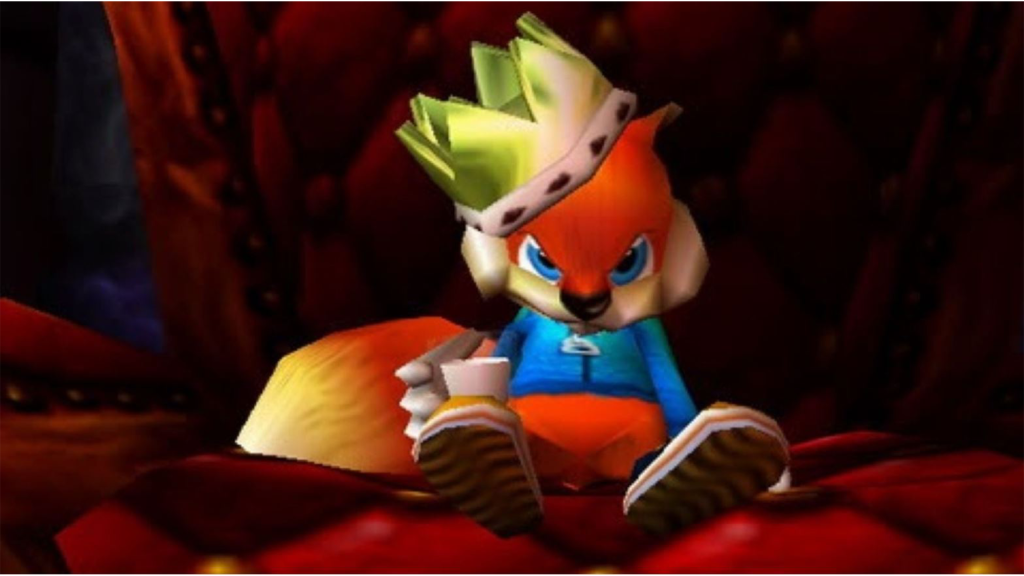
I would put it to you that most players don’t even know that Conker’s Pocket Tales existed on the Game Boy Color. It’s a middling action-adventure game starring Conker the Squirrel in a kid-friendly adventure. Developer Rare could’ve left Conker behind, but it instead decided to take things in a completely different direction with Conker’s Bad Fur Day.
That cutesy squirrel was morphed into a hard-drinking, toilet-humor-spewing loser, whose adventure makes a hard turn into the world of mature games. Bad Fur Day might be a little cringe for its edgy humor, but it looks great and seemingly reinvigorated the series. Unfortunately, Rare quickly dropped the ball again.
6) The Evil Within 2
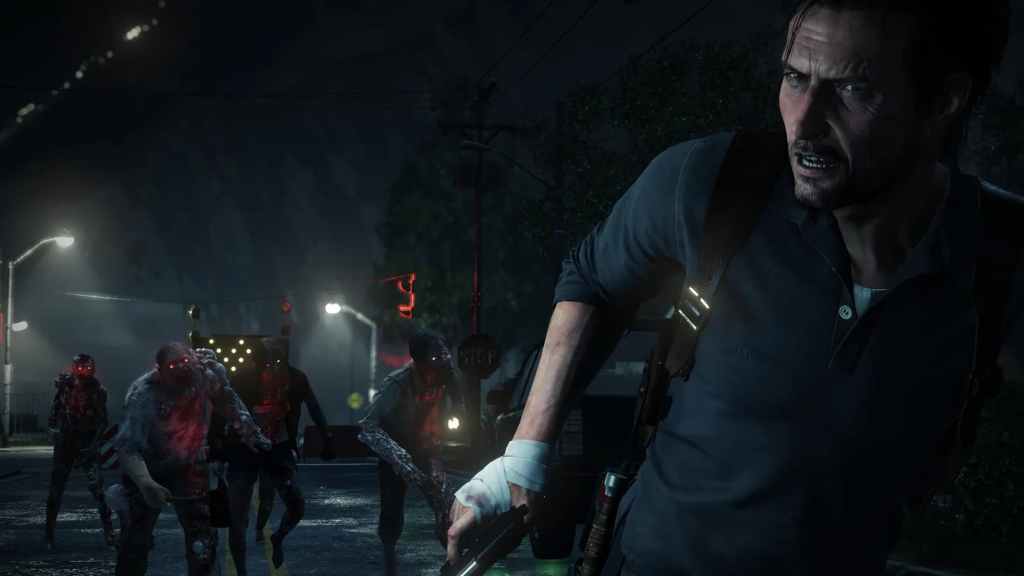
The Evil Within was a fine return to survival horror for Shinji Mikami, but it was far from the revelation most fans were hoping for from the guy who created Resident Evil. With average review scores and sales, most thought the series was dead after that first game.
Then, Mikami stepped aside and let John Johanas take the reins for the surprise sequel. Thankfully, The Evil Within 2 was able to overcome a dull open world to give players one of the better survival horror games of the last decade. It’s unlikely we’ll ever get a third game, but The Evil Within 2 was at least able to show the team at Tango Gameworks had the juice.
5) Red Steel 2
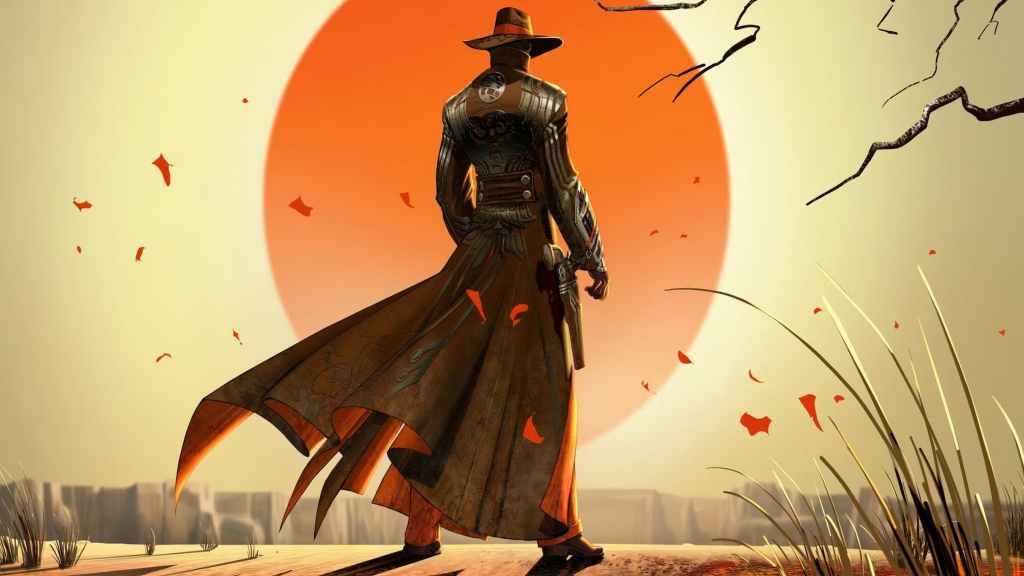
The first Red Steel game on Wii seemed like a dream. It blended great visuals with sword and gun-fighting, which seemed tailor-made for the system. Unfortunately, things didn’t work out, as Ubisoft couldn’t quite make the combat work perfectly. Still, the Wii was very popular, so Red Steel sold more than one million copies, setting up a sequel.
Red Steel 2 launched a few years later and delivered on just about every promise the first game had made. The standalone sequel was exactly what players wanted with the first game, but the damage done by the original meant the much-improved sequel sold under 300,000 copies. It’s a shame we’ve never received a sequel because that second game really was great.
4) Just Cause 2
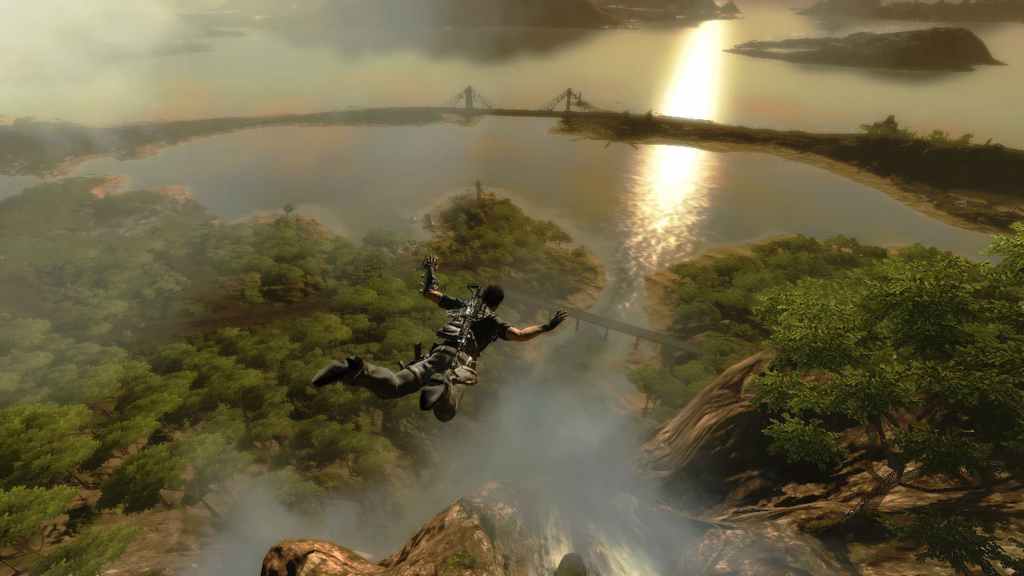
The first Just Cause game was a mediocre open-world sandbox filled with bugs. Toss in boring quests and simplistic gameplay, and you have a game that many reviewers felt was rushed to market. Thankfully, the team at Avalanche had put too much into the engine and decided to stick with it.
Just Cause 2 was an open-world revelation. There was so much to do in the massive world, and Avalanche embraced fun over everything else. Sure, some of the hijinks you’ll get up to defy physics, but who cares when you’re having such a good time? The two follow-ups never could live up to that second game, but at least Avalanche caught lightning in a bottle once.
3) Watch Dogs 2
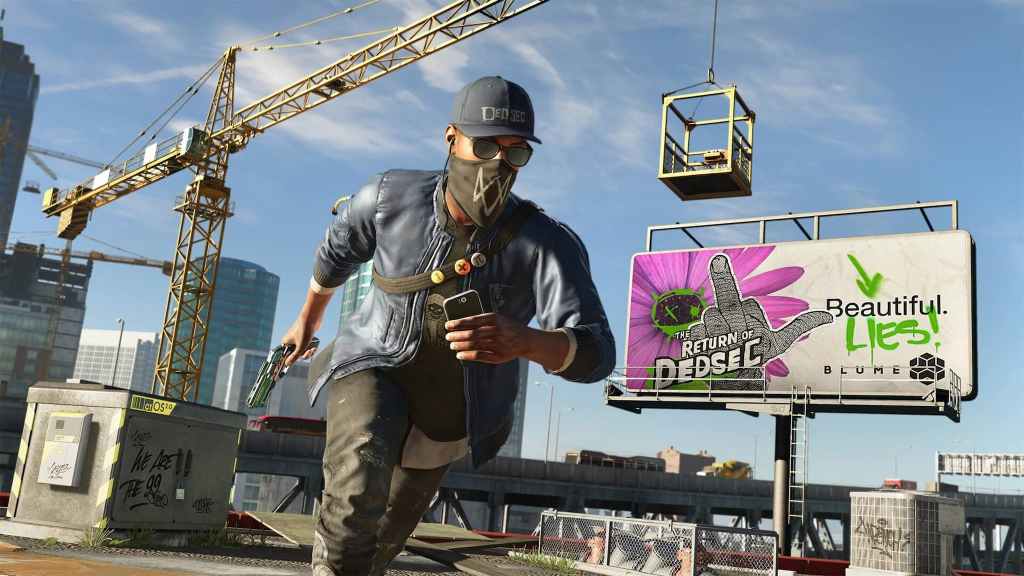
The first Watch Dogs had a few neat ideas. Being able to control Chicago by hacking with your cell phone could’ve been great. Unfortunately, it couldn’t quite live up to the hype. The story feels a bit lifeless, and Aiden Pearce isn’t exactly winning awards for fan-favorite character. Still, the gameplay showed potential, and Watch Dogs did sell well.
With that in mind, it’s not a huge surprise that Ubisoft stuck with the series. And Watch Dogs 2 corrected most of the issues fans had, tossing aside the overly serious Pearce for the witty Marcus Holloway. Watch Dogs 2 also beautifully captures San Francisco, making it a must-play game during the PlayStation 4 era. Like many games on this list, Ubisoft didn’t keep up the momentum with the sequel, as Watch Dogs: Legion felt like a big step back.
2) Wave Race 64

Look, the first Wave Race is fine. The Game Boy game had relatively realistic racing for the system, but it looked like a muddy mess. You can’t blame the developers too much, as the Game Boy wasn’t exactly the most powerful system on the planet, but it definitely seems like the kind of game that most people would’ve forgotten about after a month.
Thankfully, they didn’t because Wave Race 64 might be the best racing game on the Nintendo 64. That’s high praise, but those high-speed boat races were exhilarating. And that water still looks great today. Who would’ve thought that old Game Boy game would eventually become one of the best-selling N64 games?
1) Street Fighter 2
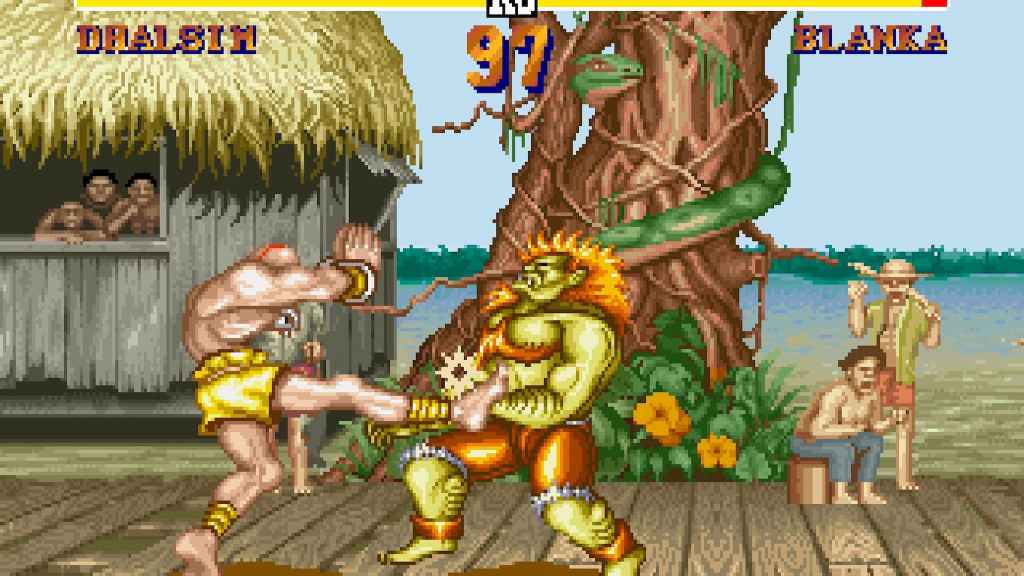
The first Street Fighter game sold fewer than 50,000 arcade machines. That’s not a bad number in 1987, but, as you’ll see soon, feels like a joke compared to where the series was headed. On the gameplay front, the first game was doing some weird things with pressure-pad controls, but was generally solid. Being able to press buttons harder to make your character’s punch have more power is rad in theory. It does lose some luster when your hands sting after an arcade session.
Four years later, Street Fighter 2 arrived. Even if you only count the original arcade machines, the sequel sold 60,000 cabinets. If you toss in the 140,000 machines sold in Japan for Champion Edition, you can quickly see that SF2 was a major step forward, and that’s not even counting the other regions and versions. Simply put, Street Fighter 2 was the biggest game on the planet. You could see the bones of success in that first game, but it’s hard to imagine anyone saw Street Fighter 2 grossing over $10 billion over its lifetime. It is by far the best example of a great sequel to a disappointing first game.
What do you think? Leave a comment below and join the conversation now in the ComicBook Forum!
Most Viewed
-
Image Courtesy of A-1 Pictures -
Image via HarperCollins -

Image Courtesy of Big Finish