Difficult games have never been more popular. The rise of the soulslike genre proved that many players enjoy overcoming impossible odds, learning enemy patterns, and celebrating victories that feel earned instead of handed out. There is something satisfying about finally beating a challenge that seemed impossible only hours earlier. Still, not everyone enjoys fast reflexes and split-second dodges. I have always admired games like Dark Souls, but I have never been particularly good at them. Instead, I gravitate toward turn-based games where strategy matters more than reaction time, even if those games can be just as ruthless.
Videos by ComicBook.com
That slower pace does not make these games any easier. In fact, some of the hardest RPGs and strategy games ever made are completely turn-based. Poor planning, one bad decision, or a bit of bad luck can erase hours of progress. Whether they rely on brutal tactical combat, unforgiving survival mechanics, or difficult role-playing systems, these games constantly demand smart decision-making. If you are looking for a serious challenge that rewards patience and planning, these five turn-based games stand among the toughest experiences the genre has ever produced.
5) XCOM 2
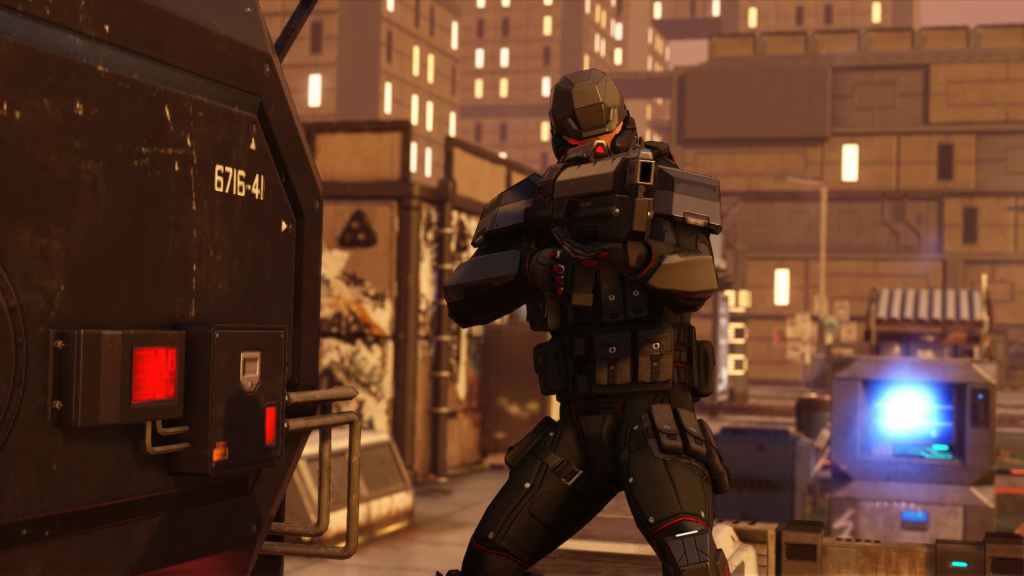
Firaxis Games’ XCOM 2 is often praised as one of the greatest strategy games ever made, but it is also one of the most unforgiving. Set after humanity loses the first war against the aliens, players command a resistance force trying to liberate Earth from occupation. Every mission is important because failure carries lasting consequences for both your soldiers and the global campaign.
Combat revolves around percentages, positioning, and risk management. Missing a 95 percent chance shot has become one of gaming’s most infamous jokes, but those moments also highlight how unforgiving the game can be. Losing an experienced soldier permanently can completely change your plans, forcing you to rebuild squads while enemy forces continue growing stronger. This is a feeling I am all too familiar with.
What makes XCOM 2 so compelling is that nearly every mistake teaches a lesson. Charging ahead without scouting, ignoring high ground, or clustering soldiers too closely often leads to disaster. I have restarted more campaigns than I can count after early mistakes snowballed into impossible situations. Every victory feels earned because the game never stops testing your tactical instincts.
4) Battle Brothers
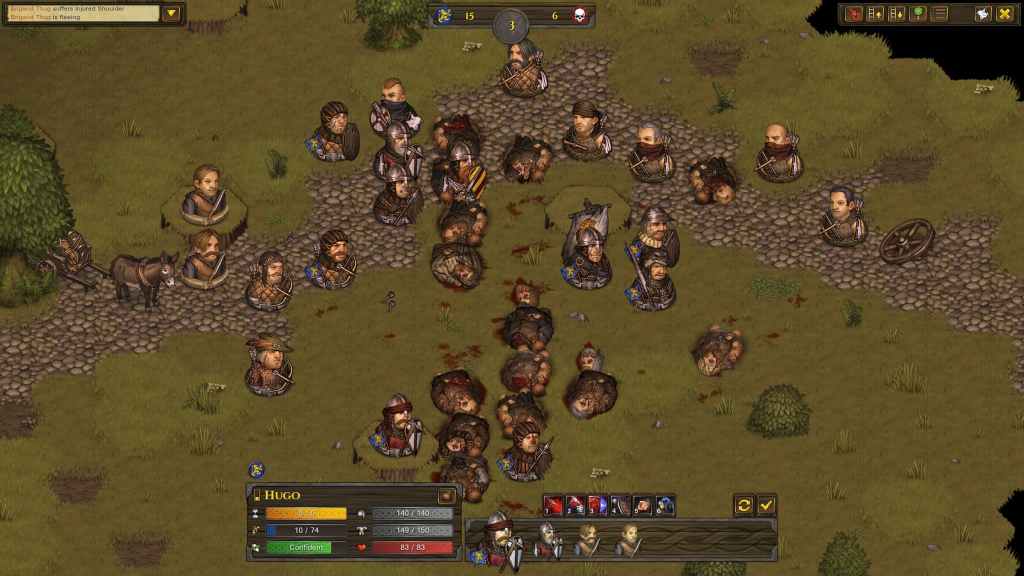
Battle Brothers takes players into a bleak medieval-inspired world where survival is never guaranteed. Instead of controlling legendary heroes destined to save the world, you manage a struggling mercenary company that accepts contracts simply to keep food on the table. Every recruit feels valuable because replacing fallen soldiers costs money you probably do not have; at least, that was my experience. The game quickly teaches players that even seemingly minor victories often come with painful losses.
Combat revolves around positioning, morale, fatigue, weapon effectiveness, armor durability, and terrain advantages. There are no flashy abilities to rescue careless players from poor planning. A farmer with a pitchfork can kill one of your best mercenaries if you underestimate the situation. Permanent injuries further complicate every battle, forcing difficult decisions about whether experienced soldiers remain worth keeping after suffering crippling wounds.
Outside combat, the strategic layer becomes almost as stressful as the battles themselves. Managing payroll, buying equipment, repairing damaged armor, hiring replacements, and deciding which contracts to accept requires constant attention. One bad financial decision can destroy an otherwise successful campaign. Few strategy games combine economic management with tactical combat so effectively, making every surviving company feel like an incredible achievement.
3) Age of Decadence
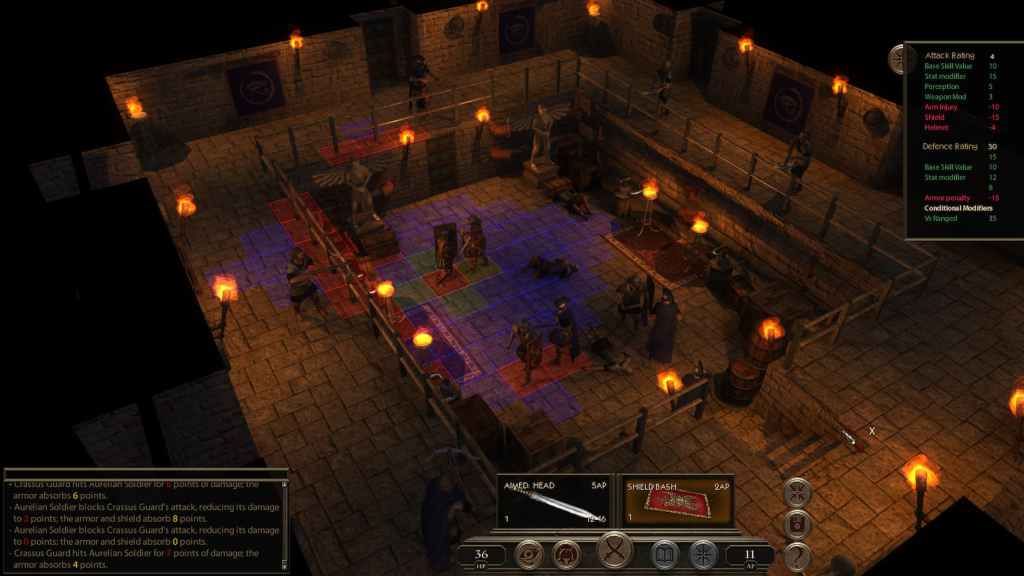
Many RPGs encourage players to become unstoppable heroes capable of mastering every skill. Age of Decadence rejects that completely. Developed by Iron Tower Studio, the game takes place in a post-apocalyptic world inspired by the decline of the Roman Empire, where political intrigue and survival often matter more than combat. Every choice shapes your experience, and many quests can be completed through diplomacy, stealth, persuasion, or outright manipulation instead of violence.
Character creation is one of the most important decisions in the game because specialization is essential. Trying to create a balanced character usually results in failure. Players who invest heavily in speech skills may avoid battles entirely, while dedicated warriors sacrifice social options in exchange for greater combat effectiveness. The game constantly rewards commitment while punishing indecision.
Combat itself is brutally tactical. Positioning, action point management, equipment selection, and enemy awareness all determine success. Many encounters feel almost impossible unless your character build was designed specifically for those situations. The game never adjusts its difficulty to accommodate weak builds, making every victory feel genuinely earned. That uncompromising design remains one of Age of Decadence‘s defining strengths and the main reason I love it.
2) Darkest Dungeon
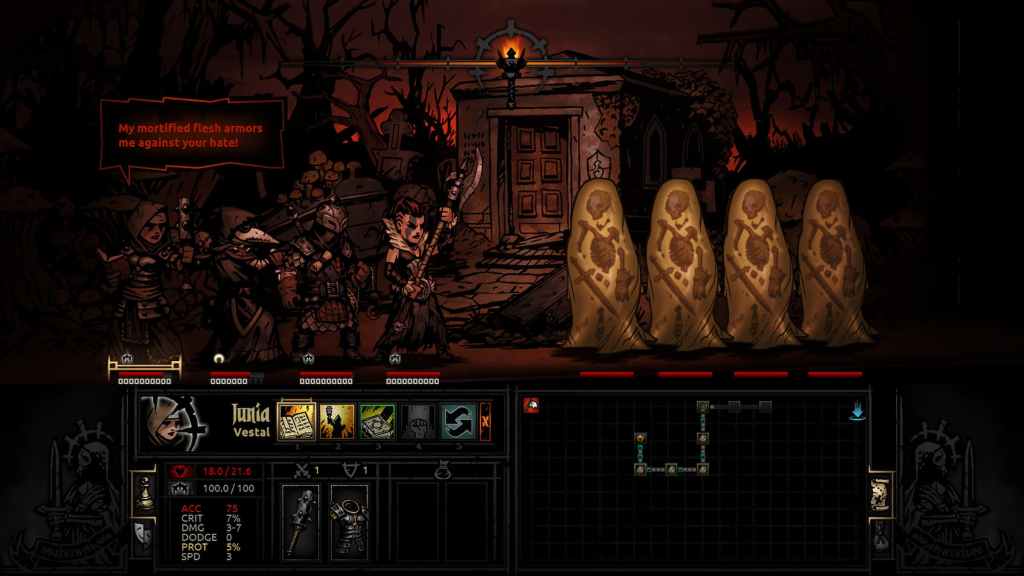
Few games communicate despair as effectively as Darkest Dungeon. Red Hook Studios combined turn-based RPG combat with psychological horror to create an experience where surviving monsters is only half the battle. Players recruit adventurers to explore cursed ruins beneath a decaying estate, but every expedition slowly chips away at both physical health and mental stability. The result is one of the most stressful strategy games ever created.
Stress functions as an enemy every bit as dangerous as skeletons, cultists, and eldritch horrors, sometimes being more deadly than the terrors you face. Heroes pushed beyond their limits may become paranoid, fearful, abusive, or irrational, causing them to ignore commands or sabotage teammates during critical moments. Even successful dungeon runs often leave survivors emotionally scarred, forcing players to spend valuable resources treating psychological conditions before sending them back into battle.
Long-term campaign management elevates the challenge even further. The Hamlet requires constant investment, diseases spread between characters, supplies remain limited, and replacing experienced heroes takes considerable time. I still remember losing an entire party deep inside the Darkest Dungeon after believing I had finally assembled the perfect team. Moments like that are devastating, but they also make every eventual victory unforgettable.
1) Fear and Hunger
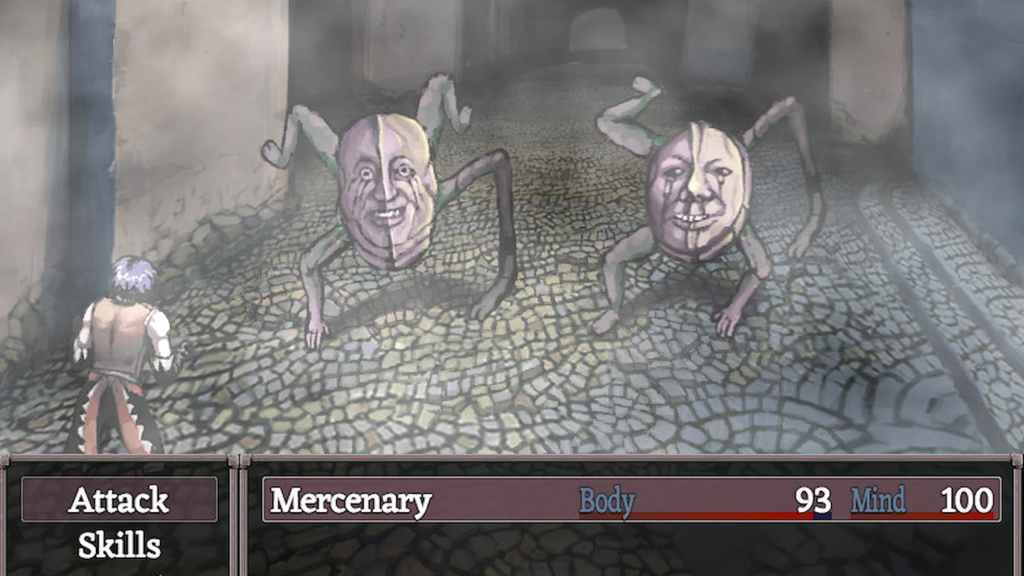
If the goal is to create one of the most merciless turn-based RPGs ever made, Fear & Hunger is perhaps the most successful. Developed by Miro Haverinen, the game blends traditional RPG mechanics with survival horror, forcing players into a horrifying dungeon where nearly every encounter threatens permanent disaster. It is not interested in making players feel powerful. Instead, it constantly reinforces how vulnerable they truly are. Players should be warned, however, that beyond its difficulty, it features very adult themes and isn’t for the light-hearted.
Combat is frightening because every encounter carries serious consequences. Characters can lose limbs, suffer debilitating injuries, or die with little warning. Healing resources remain scarce, save opportunities are extremely limited, and many enemies possess attacks capable of ending promising runs almost instantly. Random events also ensure that no amount of preparation completely removes the danger, keeping tension high throughout every playthrough. The most deadly thing you can see is a coin flip event, many of which can end your game immediately.
What ultimately makes Fear & Hunger so unforgettable is its oppressive atmosphere. Every hallway feels dangerous, every decision feels risky, and every small victory feels monumental because survival is never guaranteed. It is frustrating, intimidating, and often exhausting, but it rewards players willing to learn through repeated failure. For strategy fans searching for a challenge comparable to the hardest soulslike games without relying on lightning-fast reflexes, Fear & Hunger stands at the very top of the mountain, as does its sequel, Fear & Hunger 2: Termina.
What do you think? Leave a comment below and join the conversation now in the ComicBook Forum!