Sonic the Hedgehog has been a fixture of the gaming industry for thirty-five years, quickly becoming an icon of the medium and the first true rival that Mario ever had. While the character has gone through plenty of ups and downs over the course of his history, the highlights have typically been when the series refines the kinetic side-scrolling action and builds vibrant challenges around it. It’s an ideal way for a developer to revisit a game without just making a remake.
Videos by ComicBook.com
The original game trilogy perfected that approach in the era of the Sega Genesis, with Sonic Mania doing a great job at taking that legacy and refining it into something new. A welcome throwback that’s almost ten years old, the gaming industry has gradually followed suit in terms of how it approaches other modern remakes. It’s worth looking back at what made Sonic Mania more than just a retro release and how it foretold the direction the industry as a whole would soon be taking.
Sonic Mania Is A Perfect Retro Reimagining
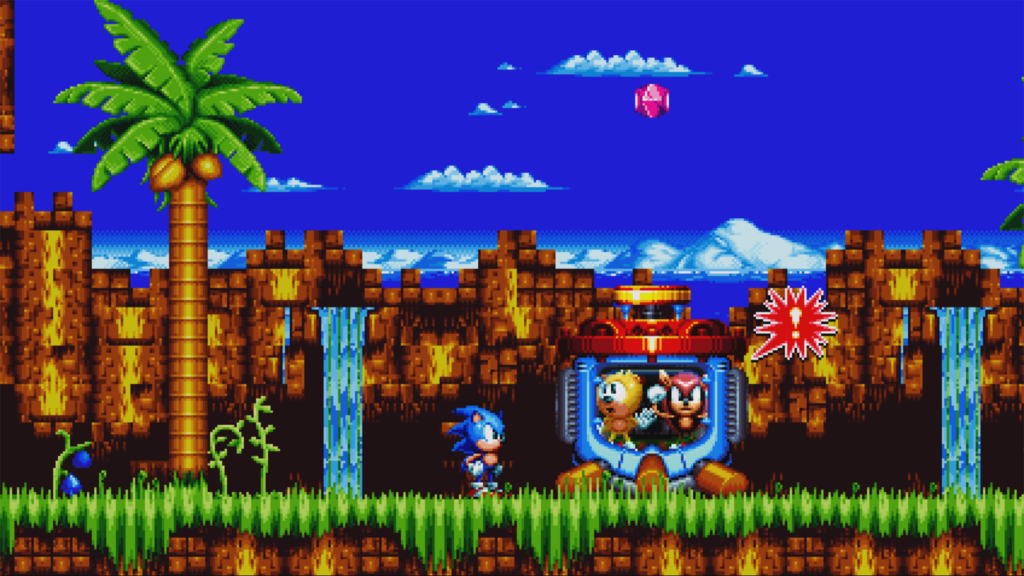
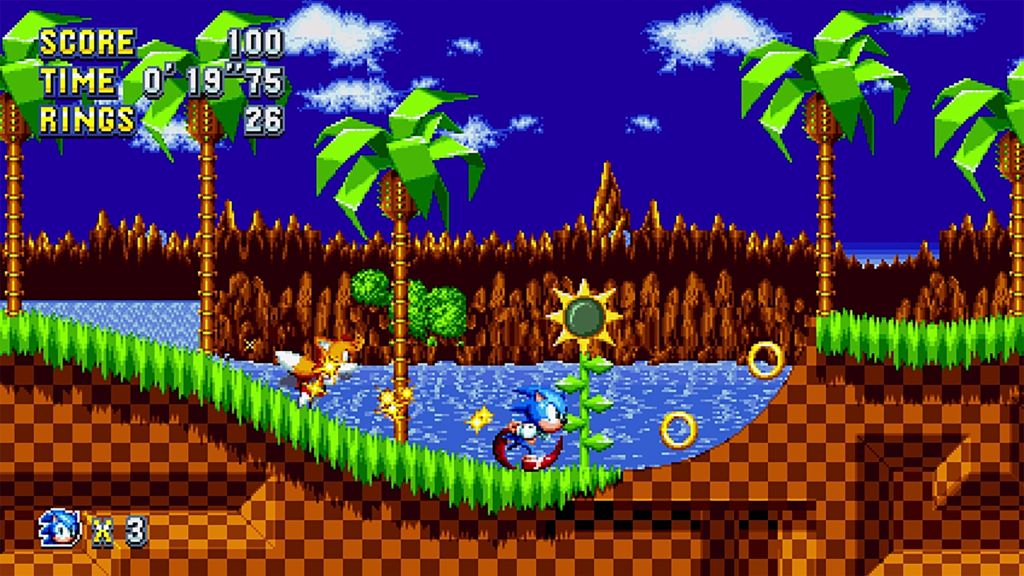
Sonic Mania is still, nearly a decade later, one of the best-ever examples of a deliberately retro gaming experience. Debuting on August 15, 2017, for multiple platforms, Sonic Mania was a deliberate throwback to the early days of the Sonic the Hedgehog franchise. Split across 13 zones that took cues from earlier concepts and fresh ideas alike, the game felt like the series had never lost a step. In terms of retro reimaginings, Sonic Mania stands out as a genuine masterclass. By its very nature, the game is full of nostalgic nods to the older games, with returning mechanics and game design elements replicating that feeling of the Sega Genesis era.
However, there are still plenty of inventive additions that ensure that it feels like its own addition to the series instead of just a rehash of what came before. It was a genuinely new game that was able to replicate the feelings of first playing Sonic. That was something lost in the years since the shift to 3D, where the spectacle and scope were increased at the cost of tighter game design and clunkier gameplay. By contrast, Sonic Mania feels very much of its time but retains the core appeal that made the initial series so enjoyable. It’s functionally the ideal franchise throwback in gaming, and I’m not the only one who thinks so. The game achieved strong reviews across the board and helped revitalize the series after a string of rough releases. It was a great success for Sega upon release and has more than earned its place in the upper echelon of Sonic games.
What Sega Can Still Learn From Sonic Mania
Sonic has had a real resurgence in the years since Sonic Mania. While the character has never really gone away, there was a period after the character’s shift to 3D that resulted in lackluster games, rough reviews, and disappointing sales. While Sonic the Hedgehog 4 had also been well-received as a throwback release for the series, it was much more of a novelty when compared to the broader number of 3D Sonic games that were hitting the stands. Titles like 2006’s Sonic the Hedgehog, Sonic Unleashed, and Sonic Boom had wasted fan attention and failed to replace it with new excitement. Sonic Mania, to its credit, revitalized interest in the series. While the 3D side-scrolling portions of games like Sonic Colors were well-recieved, Sonic Mania proved there was a place for genuinely retro approaches to succeed. As Sonic has continued to evolve in the modern era, there’s been an emphasis on broadening the scope of the larger world while refining what came before.
Games like Shadow Generations have taken cues from Sonic Mania to create side-scrolling levels that feel consistent with the older games while still feeling uniquely designed and fitted to Shadow. It’s clear from Sonic Mania that finding ways to push established formulas into new directions is key to revitalizing a title. It’s all about balancing refinement with creativity, adding new challenges and fresh aspects to the formula that works. Even beyond the Sonic series, that sort of approach has helped Sega’s other remakes from the Yakuza series, and refinements like Virtua Fighter 5 R.E.V.O. World Stage stand out.
Those games are at their best when they feel like genuine advancements on the previous versions, a natural progression that nevertheless doesn’t forget about the core gameplay experience that drew in fans in the first place. There are more remakes than ever, but the best ones are willing to be something new on top of carrying on the established IP. The better remakes of this modern era take cues from that direction, feeling like new games with older characters. With major studios like Capcom, Square Enix, and Nintendo looking to the past with their new releases, Sonic Mania was a vital first lesson about how these kinds of games can feel like something new instead of just a retread.
More Gaming
-

Image Courtesy of AdHoc Studio -

Courtesy of IllFonic