Square Enix is one of the most influential companies in video game history. When it comes to role-playing games, Square Enix is one of the leading pioneers and has been for quite some time, even before RPGs became the mainstream genre they are today. Before they merged, Square and Enix were experimenting with narrative structure, character-driven storytelling, progression systems, and emotional themes that pushed the medium forward. Their eventual merger only amplified that legacy, combining two companies that helped define what RPGs could be on consoles and beyond.
Videos by ComicBook.com
What sets Square Enix apart is its willingness to take creative risks while still nurturing long-running franchises. Some of its series have become household names, while others remain cult classics that continue to inspire developers decades later. Together, these franchises form the backbone of modern RPG design, influencing everything from indie passion projects to blockbuster releases. Outside of these series, there have been one-off projects or games that never got the sequel they deserved. But among the mainline franchises under Square Enix, these are the best of the best.
15) Voice of Cards
The Voice of Cards series is one of Square Enix’s most recent and experimental RPG projects. Yoko Taro and his team strip the RPG presentation down to its bare essentials. Entire worlds, menus, and battles are represented through illustrated cards, dice rolls, and narrated descriptions rather than traditional environments. Titles such as Voice of Cards: The Isle Dragon Roars and its sequels embrace tabletop inspirations more than video game spectacle.
While the series does not aim for mass appeal, it showcases Square Enix’s continued commitment to creative experimentation. Its turn-based combat systems are straightforward, but the framing creates a unique sense of immersion that appeals to players looking for something different. The influence of Voice of Cards is more philosophical than mechanical, reminding the industry that RPGs do not need photorealistic visuals to deliver engaging stories. The series is dormant for now, but it is possible to see another entry appear in the future, especially with the Nintendo Switch 2 released.

14) Front Mission
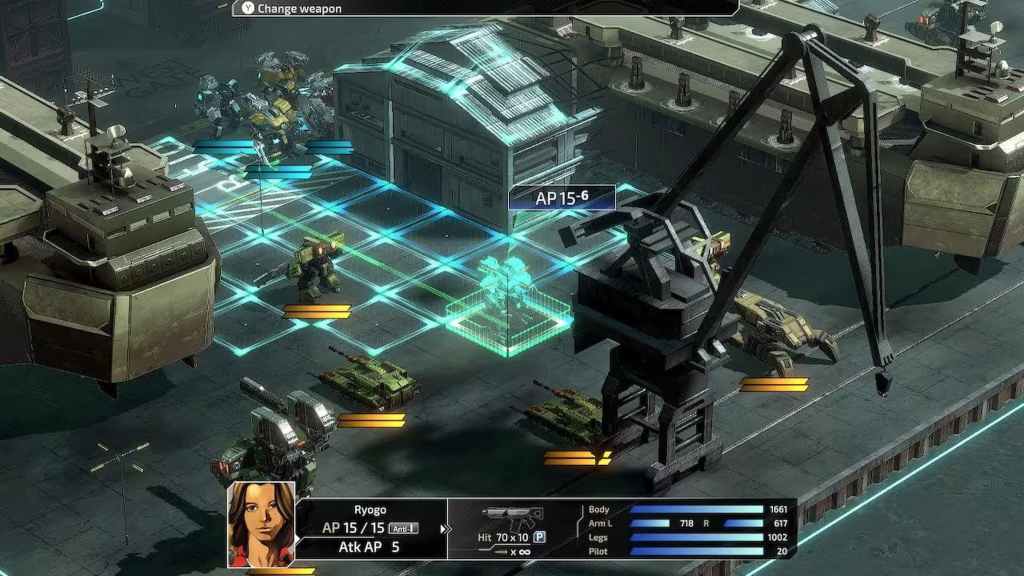
Front Mission stands as one of Square Enix’s most important tactical RPG franchises. Focused on mech-based warfare, the series blends grid-based combat with deep customization systems and politically charged narratives. Games like Front Mission 3 are remembered for branching storylines and complex moral themes that explored war from multiple perspectives.
The franchise helped establish tactical RPGs as a space for mature storytelling. Its emphasis on customization, especially through the Wanzer mech system, influenced later strategy games that prioritize player agency and mechanical depth. While not as dominant as other Square Enix series, Front Mission earned critical respect for its ambition. In recent years, remakes of earlier entries have brought renewed attention to the franchise. However, no brand-new mainline title has been announced, but the series retains its legacy and remains one of the genre’s best among tactical RPGs.
13) Valkyrie Profile
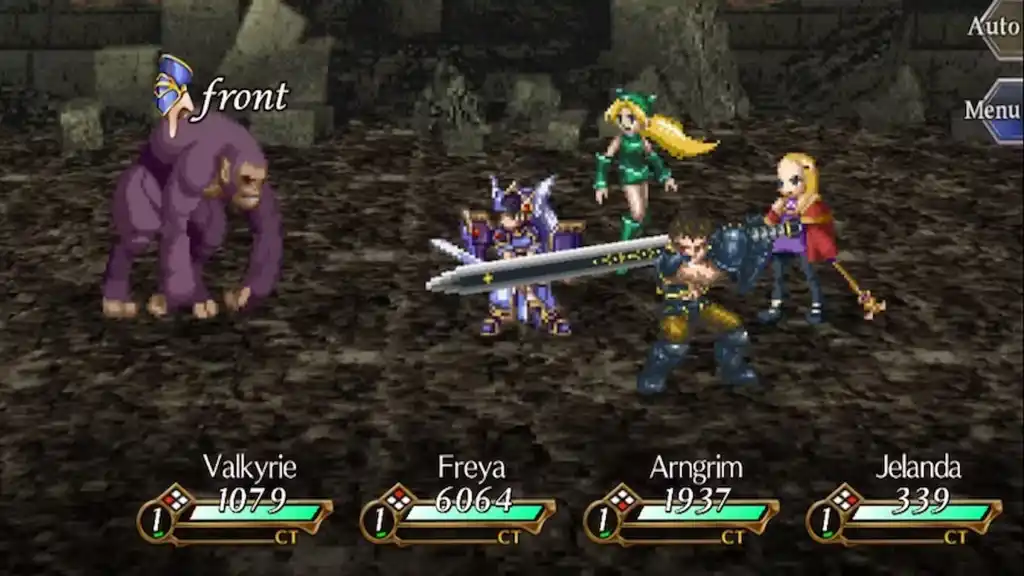
The Valkyrie Profile series is known for its unique fusion of mythology, melancholy storytelling, and unconventional combat design. Drawing heavily from Norse mythology, the franchise explored themes of fate, death, and sacrifice in ways few RPGs attempted at the time. The original Valkyrie Profile combined side-scrolling exploration with turn-based combat that rewarded timing and coordination.
Its influence lies in its narrative ambition and willingness to break from traditional RPG structures. Few games before or since have balanced experimental mechanics with emotional storytelling like Valkyrie Profile. Characters were often tragic figures, and their stories lingered long after the credits rolled. While the series has seen sporadic revivals, including Valkyrie Elysium, it has never reached the heights of its original release. Still, Valkyrie Profile remains a beloved title and an enduring example of how RPGs can tackle mature themes through innovative design.
12) Parasite Eve
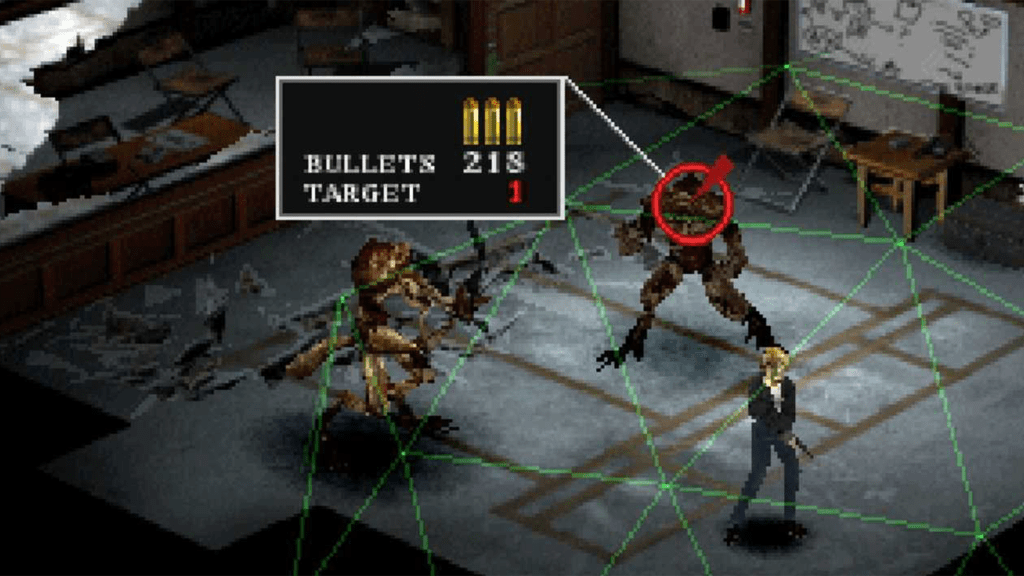
Parasite Eve occupies a unique place in Square Enix’s catalog as a hybrid of RPG mechanics and survival horror. Inspired by science fiction horror, the series blended cinematic storytelling with real-time combat elements layered over RPG systems. The original Parasite Eve pushed the boundaries of what RPGs could be, both mechanically and thematically. Many players today have fond memories of the original release, and there is a massive demand for a remake.
The franchise is often praised for its atmosphere and willingness to explore unsettling ideas, including body horror and psychological tension. At a time when many RPGs leaned heavily into fantasy, Parasite Eve stood out by embracing a modern setting and a darker tone. Despite its influence, the series has been dormant for many years. Legal issues and shifting priorities have likely contributed to its absence. Even so, Parasite Eve remains an important chapter in RPG history and a reminder of Square Enix’s experimental roots.
11) The World Ends With You
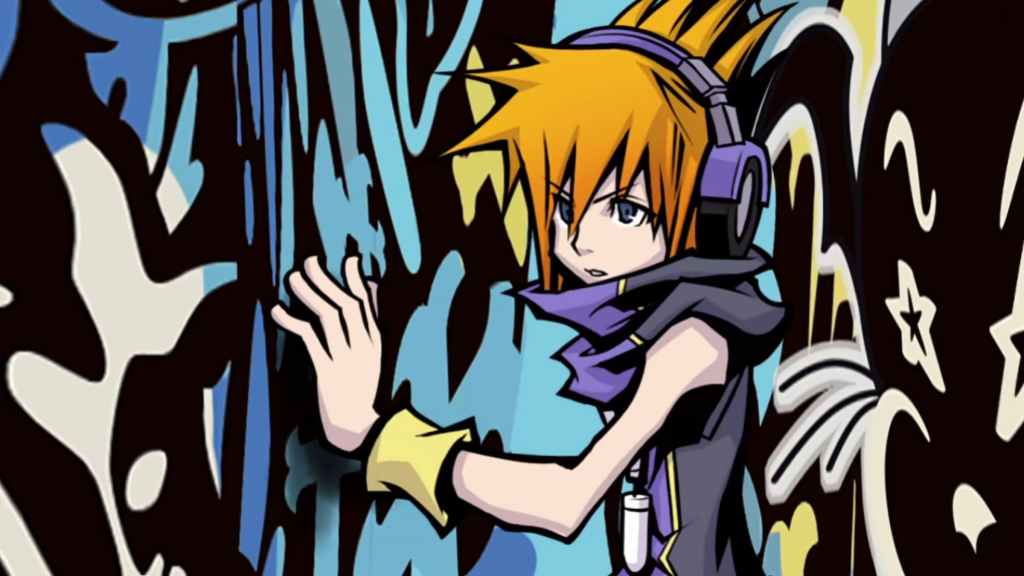
The World Ends With You is one of Square Enix’s most stylistically distinct RPG franchises. Set in a stylized version of Tokyo, the series blends modern fashion, music, and youth culture with unconventional RPG mechanics. Its original release on Nintendo DS used dual-screen combat in a way that felt genuinely innovative and showcased the utility of the console in ways few games attempted.
Narratively, the series explores themes of identity, isolation, and personal growth. These ideas stood out to players of this time, helping the game develop a passionate fanbase. Its soundtrack and art direction further cemented its cultural impact. With the release of NEO: The World Ends With You, the franchise proved it could evolve while retaining its core identity. Though not a blockbuster series, its influence on modern, aesthetically driven RPGs is undeniable. There is absolutely room for Square Enix to explore a third game on the Nintendo Switch 2 and take advantage of the new console’s abilities.
10) Star Ocean

The Star Ocean series has long occupied a unique space within Square Enix’s RPG catalog by blending traditional fantasy tropes with science fiction storytelling. The franchise introduced real-time combat mechanics that felt faster and more fluid than many turn-based RPGs of its era. Titles such as Star Ocean: The Second Story are often cited as genre standouts due to their branching narratives, relationship systems, and replayability.
One of the series’ most notable contributions is its emphasis on player choice through optional characters and divergent story paths. This encouraged multiple playthroughs and influenced later RPGs that experimented with narrative variability. The franchise also leaned heavily into crafting systems, allowing players to break the balance in creative ways if they fully engaged with its mechanics. Although later entries received mixed receptions, Star Ocean remains active, with remakes and new releases keeping the franchise relevant.
9) Bravely Default
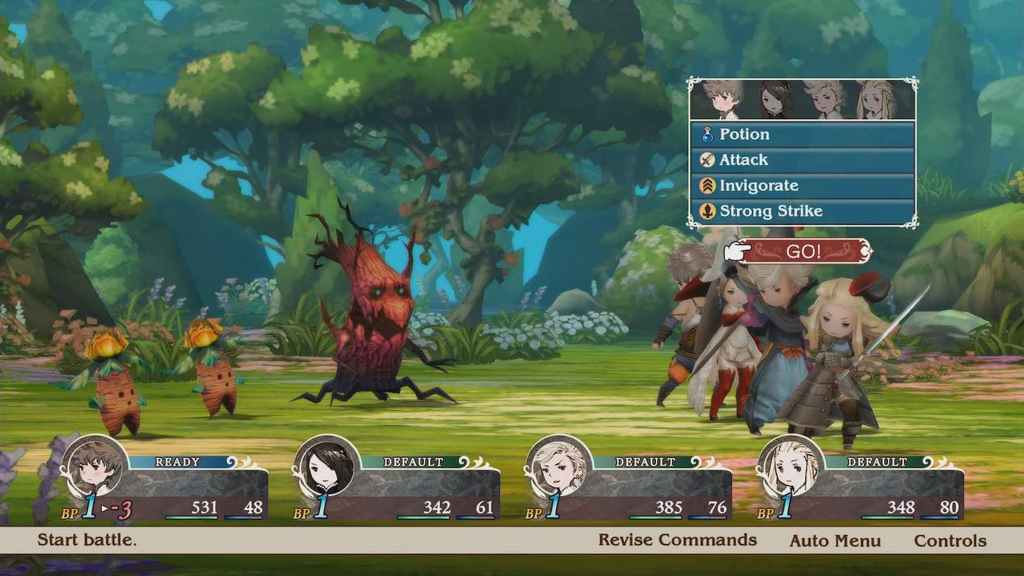
Bravely Default arrived at a time when many believed classic turn-based RPGs had lost mainstream appeal. Instead, it proved that traditional mechanics could feel fresh when paired with smart innovation. The Brave and Default system fundamentally changed how players approached turn-based combat, introducing risk and reward through turn banking and burst offense. The games perfectly captured the nostalgia of older games while showing Square Enix’s modern development mindset.
The series also revived job-based progression systems reminiscent of earlier Square RPGs, offering extensive customization and strategic depth. Games like Bravely Default and Bravely Second further honored RPG traditions while modernizing presentation and pacing. With Bravely Default II, the franchise became mainstream. Its success reinforced the idea that there is still strong demand for mechanically deep, turn-focused RPGs, especially when they respect player intelligence and creativity.
8) SaGa
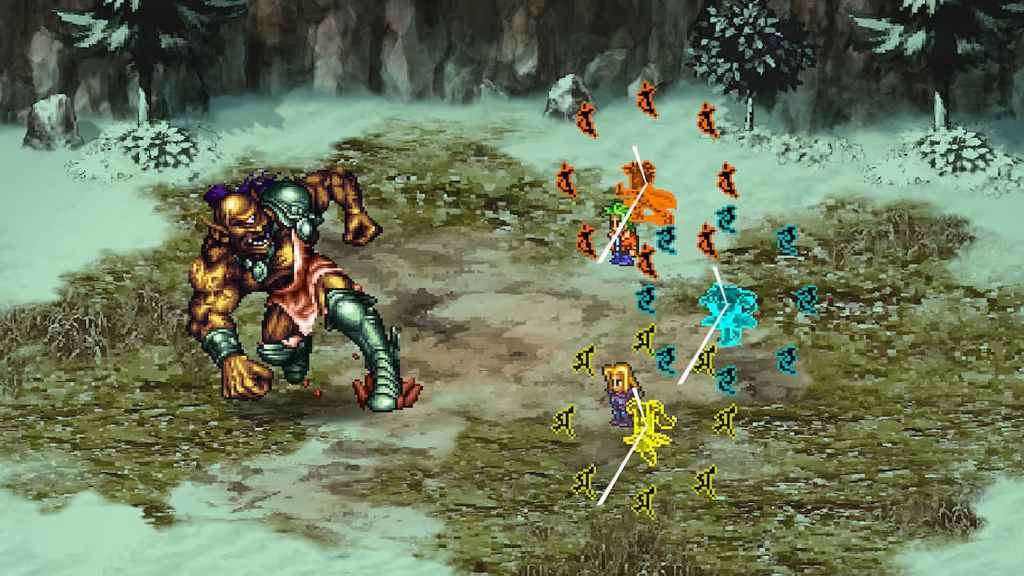
The SaGa series represents Square Enix at its most experimental. Known for nonlinear progression, unconventional leveling systems, and minimal hand-holding, SaGa games challenge traditional RPG expectations. Rather than guiding players through a fixed narrative, the series encourages emergent storytelling shaped by player decisions. Players were free to choose and play through different characters and their narratives, many of them intertwining.
This approach influenced later open-ended RPG design philosophies, even if SaGa itself remained niche. Titles such as Romancing SaGa 2 and SaGa Frontier are often praised for their ambition and depth, despite their steep learning curves. Recent remasters and new entries have introduced the series to modern audiences, reaffirming its importance within Square Enix’s history. While never mainstream, SaGa has had a quiet but meaningful impact on RPG design and continues to live on today.
7) Mana

The Mana series is one of the leaders of action RPG history, representing one of the earliest successful blends of real-time combat and role-playing systems. Secret of Mana, in particular, set a benchmark for action RPGs with its cooperative multiplayer system, allowing up to three players to explore the world and engage in combat simultaneously—a revolutionary feature for the time. The series emphasized accessibility, enabling players of varying skill levels to enjoy its systems while maintaining tactical depth.
Beyond gameplay mechanics, Mana is beloved for its vibrant art direction, memorable soundtrack, and imaginative worlds. The series introduced environmental storytelling and encouraged exploring a world full of secrets, hidden bosses, and unique side quests, enhancing replayability. Its influence can be seen in modern action RPGs that prioritize fluid combat and co-op gameplay, from Ys to newer indie titles that draw inspiration from its design philosophy. Remakes and modern entries, such as Visions of Mana, ensure the series remains relevant, proving the enduring appeal of its gameplay systems and aesthetics.
6) Drakengard/Nier
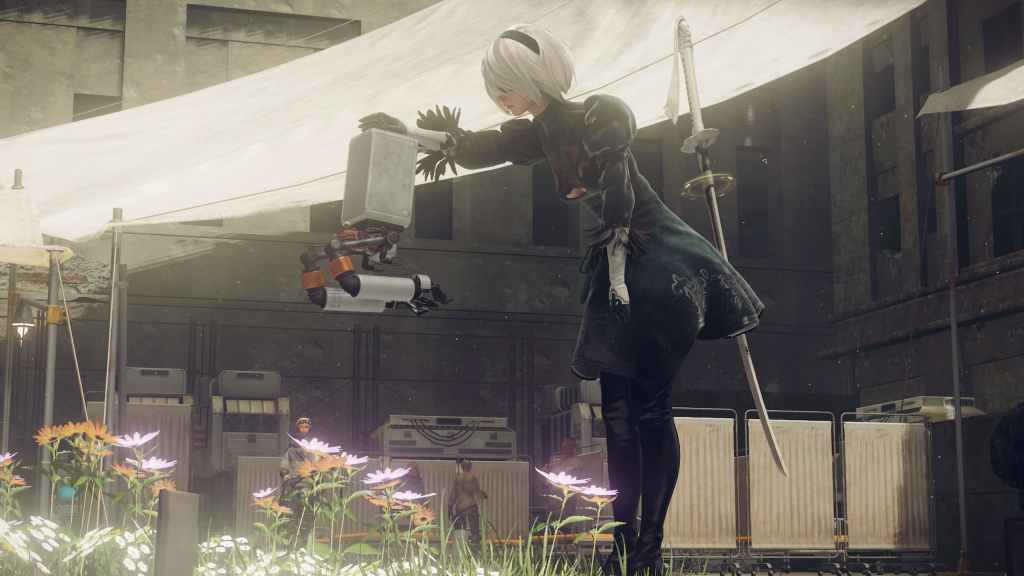
The Drakengard and NieR series are examples of Square Enix’s willingness to take narrative risks and explore darker, more mature themes. Drakengard introduced a hybrid of hack-and-slash combat with heavy story-driven focus, while NieR: Automata elevated the series to international acclaim by blending action RPG gameplay with philosophical storytelling and multiple endings that challenge players’ perceptions of morality and consequence. Many consider NieR: Automata Yoko Taro’s finest work and inspiration for other titles like Stellar Blade.
The NieR series in particular has become a cultural phenomenon, demonstrating that experimental narratives can achieve mainstream success. Its combat system, music, and story have inspired countless discussions and debates within the gaming community. With future projects in development and a growing fanbase, the series continues to influence how narrative-driven action RPGs are designed. Its unique combination of gameplay and existential storytelling ensures that it remains one of Square Enix’s most ambitious and impactful franchises.
5) Octopath Traveler
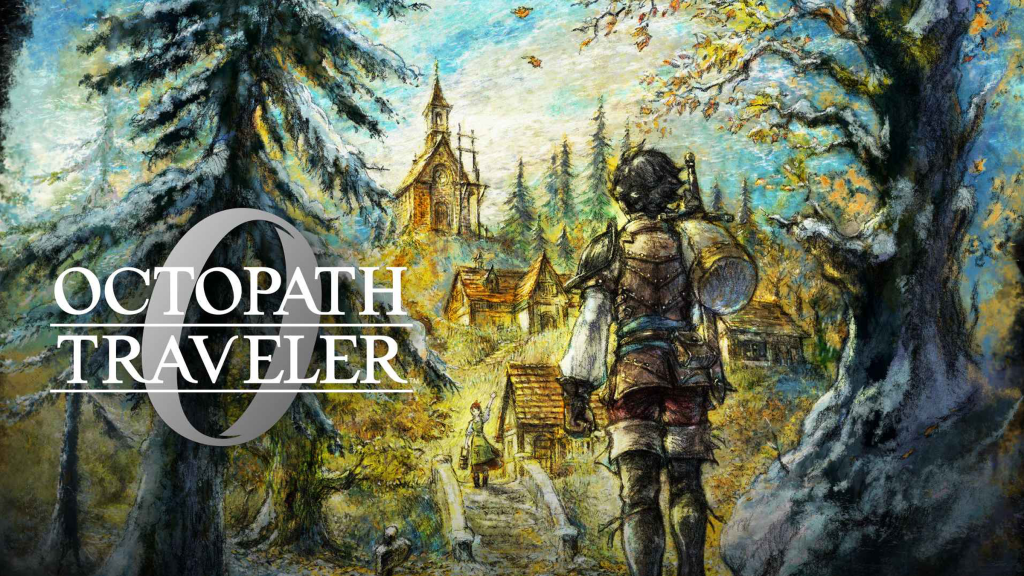
Like Bravely Default, Octopath Traveler is notable for redefining retro aesthetics in modern RPGs. Its HD-2D visual style, which combines pixel art with modern lighting and effects, created a new standard for blending nostalgia with contemporary presentation. So many games, especially with Square Enix’s remakes, have adopted this art style. Mechanically, it uses turn-based combat enriched with character-specific abilities, boosting strategy, and rewarding careful planning.
The series’ storytelling is another key innovation. Each of the eight protagonists in the original Octopath Traveler receives a personal narrative arc, allowing players to explore multiple perspectives while engaging with the broader world. This approach has inspired other RPGs to experiment with branching stories and character-focused gameplay. With multiple entries and strong sales, Octopath Traveler demonstrates that modern RPGs can simultaneously honor tradition and innovate in meaningful ways. The series is still going strong through the recent release of Octopath Traveler 0.
4) Kingdom Hearts
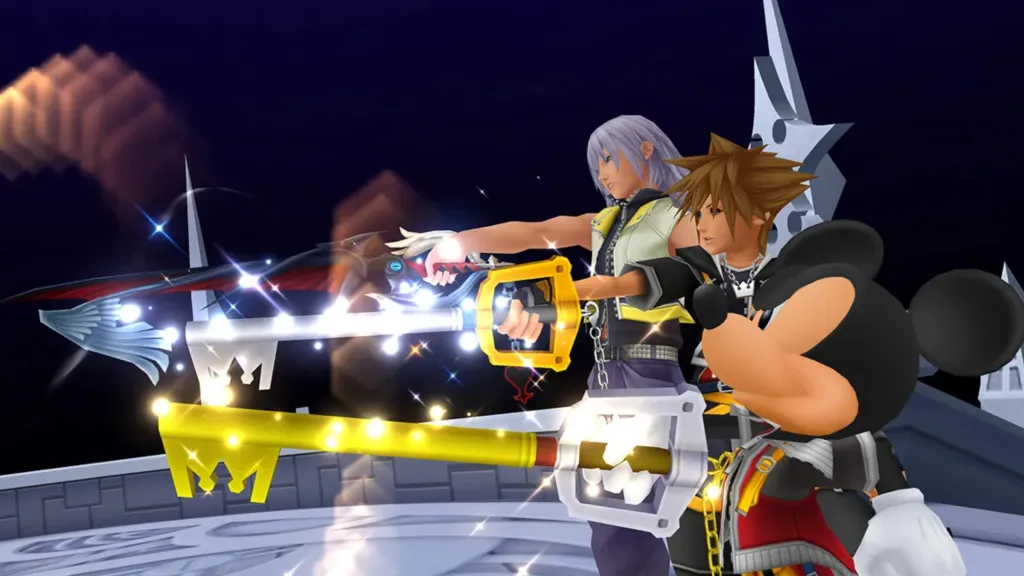
Kingdom Hearts is one of Square Enix’s boldest creative projects. It stunned fans when it merged the studio’s RPG mechanics and storytelling with Disney’s iconic worlds. It used original characters that are beloved today, with classic Disney ones, to create an instantly recognizable franchise. Its real-time action combat system balances fluidity with accessibility, appealing to both younger audiences and seasoned RPG players. Fans have loved playing as Sora and teaming up with Disney’s most famous characters while exploring fantastical worlds, many of which they grew up with.
Narratively, Kingdom Hearts has become famous for its intricate and often convoluted storyline. Yet the emotional weight of its character relationships, combined with its visually stunning set pieces, has earned it a loyal fan base. The franchise continues to release sequels and spin-offs, each adding depth to the overarching story while evolving gameplay mechanics. Kingdom Hearts stands as a testament to Square Enix’s ability to innovate RPG design, creating a franchise with both emotional resonance and mechanical depth. Kingdom Hearts 4 is poised to be the biggest and most ambitious yet, with fans on the edge of their seats in anticipation.
3) Chrono
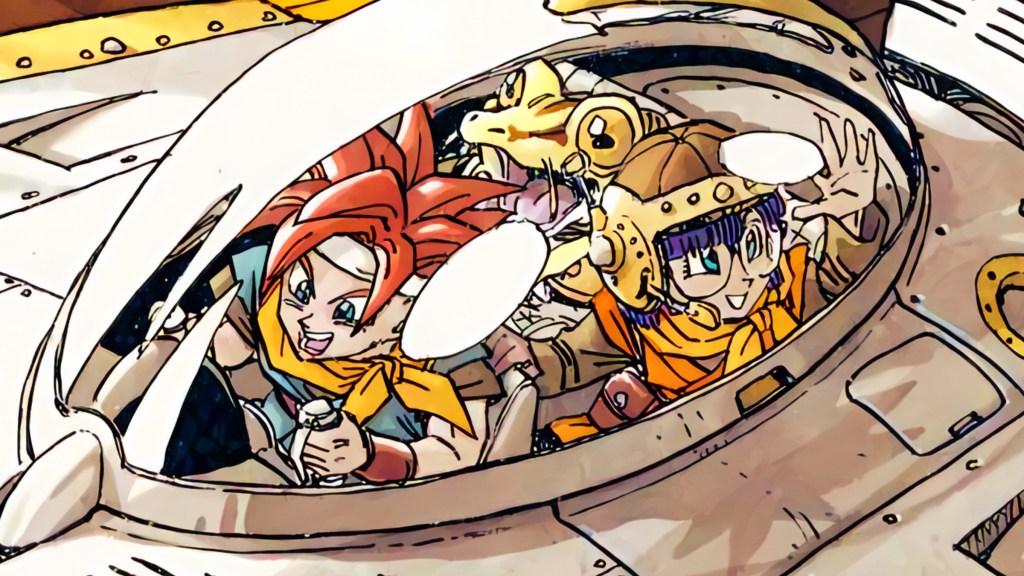
The Chrono series, while small in scope, is monumental in influence. Chrono Trigger remains one of the most celebrated RPGs of all time, praised for its seamless combat transitions, multiple endings, and innovative time travel mechanics. Its design demonstrated that player choice could have meaningful narrative consequences without compromising gameplay flow. To this day, players still cite it as their favorite RPG of all time, and the demand for an RPG is at an all-time high.
The series’ influence extends far beyond its few entries. Developers frequently cite Chrono Trigger as inspiration for modern RPGs, particularly in crafting branching narratives and maintaining player agency. Though the franchise has not had many recent titles, the latest being Chrono Cross, its legacy continues through re-releases, remasters, and enduring fan enthusiasm. The series exemplifies how a small but meticulously designed series can have a lasting impact on the RPG genre and keep fans enthralled for decades.
2) Dragon Quest
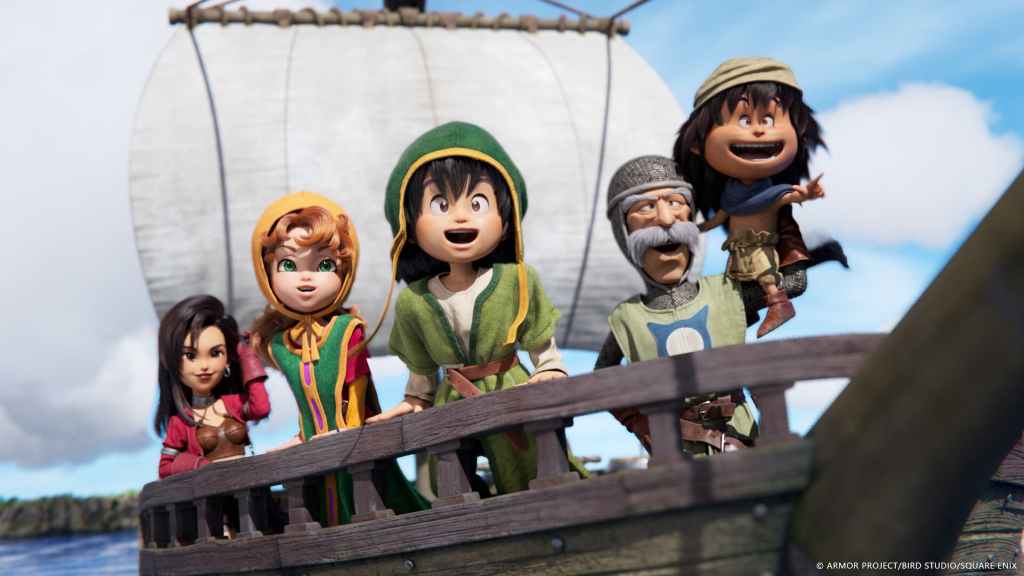
Dragon Quest is the foundation of Japanese console RPGs and arguably Square Enix’s most culturally significant series. Its straightforward, turn-based mechanics, coupled with Akira Toriyama’s iconic art style, created a blueprint that countless developers would follow. Each installment refines the formula while remaining accessible to new players, ensuring its continued relevance. There is also the consideration of how Dragon Quest heavily influenced Pokemon Red and Blue, games that may not have been created without it.
The series’ longevity is remarkable, spanning decades with consistent quality. From Dragon Quest III’s epic storytelling to Dragon Quest XI’s modern enhancements, the franchise has demonstrated adaptability without losing its identity. Its influence on the RPG genre is still felt today. Dragon Quest VII Reimagined is poised to show the series legacy in full force, while Dragon Quest XII is looking to the future. Dragon Quest is not just a series; it is a pillar of RPG history.
1) Final Fantasy
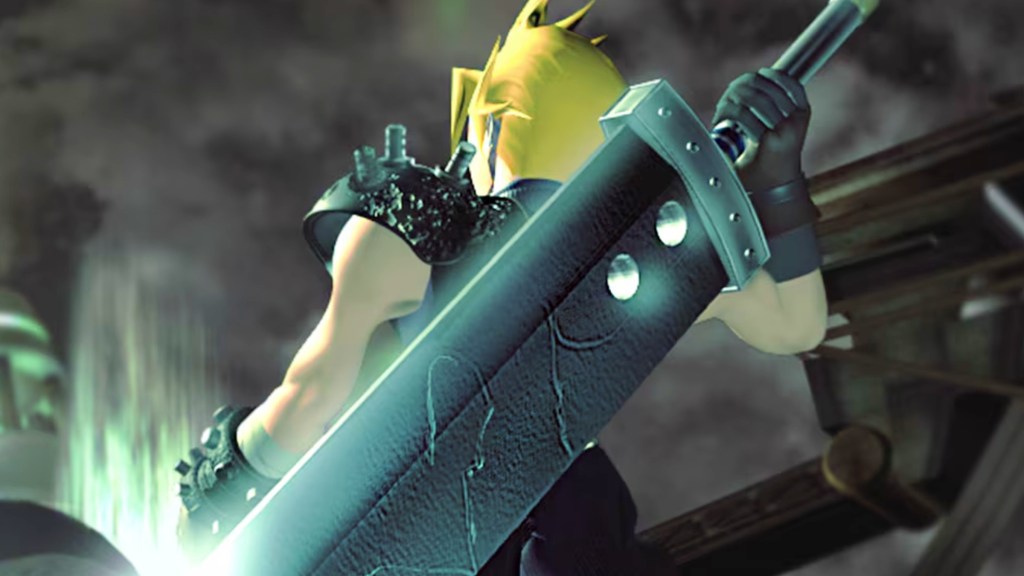
Final Fantasy is Square Enix’s defining franchise and the most influential RPG series in gaming history. Each mainline entry reinvents its world, combat mechanics, and narrative while maintaining a high level of polish and ambition. From turn-based classics to action-driven modern installments, the series consistently pushes the boundaries of what RPGs can achieve. Final Fantasy VII is the catalyst that turned the series into one of the most popular in the world, and it remains one of the most beloved games today.
Aside from Final Fantasy VII, the series has introduced iconic characters, unforgettable music, and cinematic storytelling that have shaped player expectations worldwide. With ongoing releases, spin-offs, and adaptations, Final Fantasy continues to define the genre while inspiring developers across all platforms. Its impact on narrative design, gameplay innovation, and artistic presentation is unmatched, securing its status as the pinnacle of Square Enix RPGs.
What do you think? Leave a comment below and join the conversation now in the ComicBook Forum!