Of all the video game genres out there, platformers are probably the most important. While not the first genre, the early 1980s platformer boom helped establish the home console video game industry with titles that introduced new, dynamic ways to play. Like any genre, platformers have evolved through constant innovation, so the games we play today are considerably more advanced than they were several decades ago. We took a look at the genre’s history and identified ten games that innovated the platformer in exciting ways, advancing it into the games we play today.
Videos by ComicBook.com
1) Space Panic (1980)
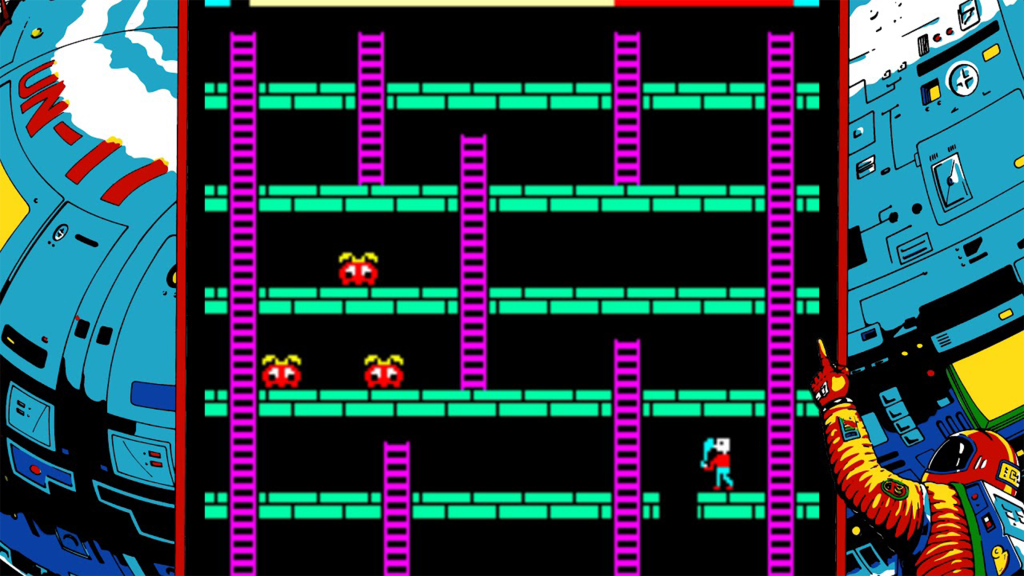
While there’s plenty of debate as to which game is the first platformer, the one that many people point to is Space Panic, released in 1980 by Universal. The game lacks a jump mechanic, which is why some people don’t consider it a true platformer, but it features platforms accessible via ladders, so we’re calling it a proto-platformer. In the game, the player digs holes in platforms to trap aliens, which are then dispatched via a shovel. Initially, Space Panic gave birth to a genre called either “climbing” or “ladder” games, but by the end of the year, most people were calling it a “platform” game.
2) Donkey Kong (1981)
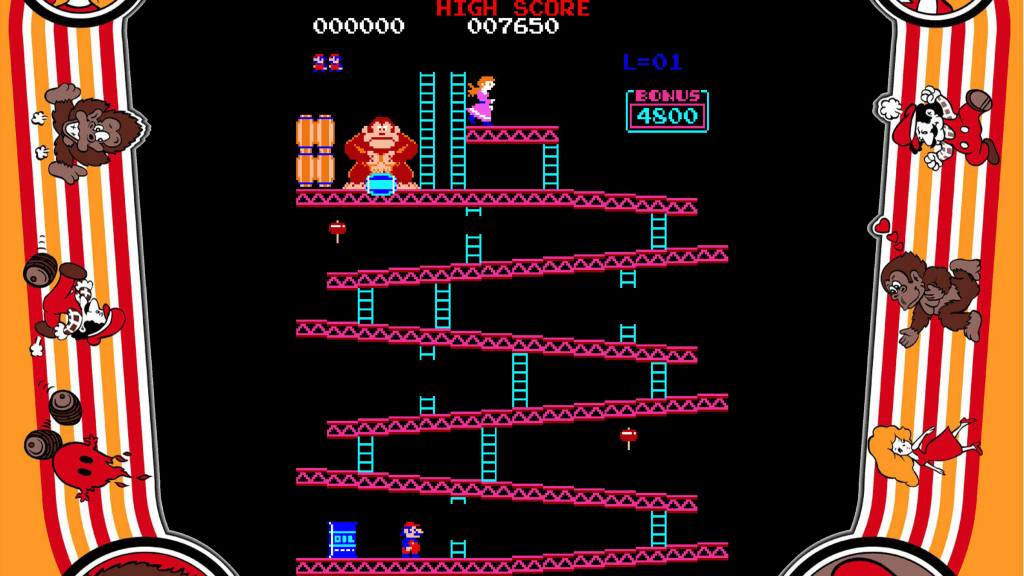
Nintendo released Donkey Kong in 1981, changing video gaming forever. This is the game that’s most often cited as the true birth of the platformer, as it features the necessary mechanics: jumping, climbing, and uneven terrain. Donkey Kong is also the first game to feature a story, cinematics, and more, making it the most complex arcade game developed to that point. It became the template for all platformers that followed, and it also saved Nintendo from financial ruin. Donkey Kong became the game to beat, so developers worked hard to innovate beyond its template, resulting in the rapid growth of the genre.

3) Pitfall! (1982)
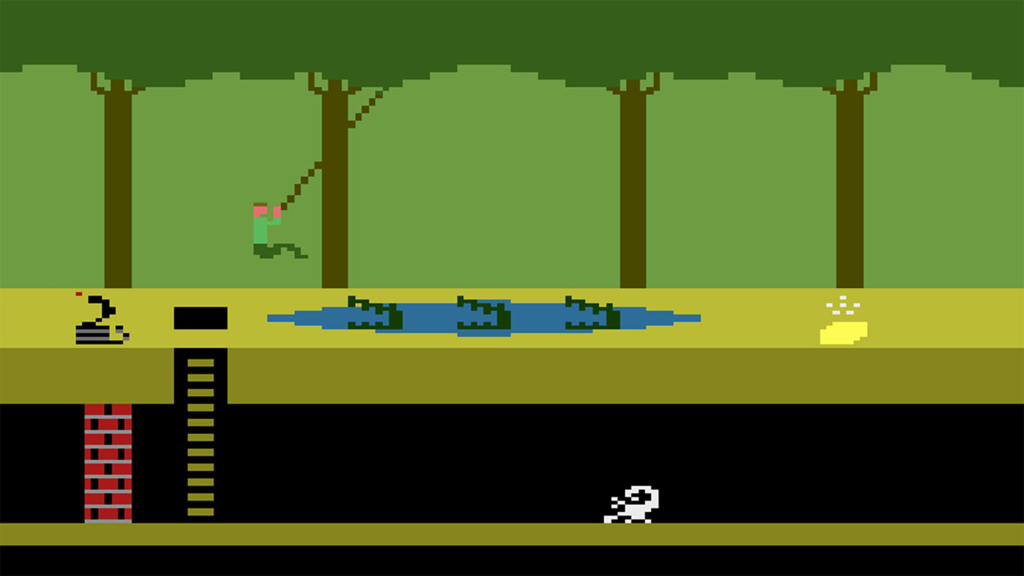
In 1982, Activision upped the ante by releasing Pitfall! on the Atari 2600. While Donkey Kong featured four vertical stages, Pitfall! improved on this by including an impressive 255 distinct screens that are all horizontally connected. This was a significant advancement over Donkey Kong, which came out only one year earlier. Gameplay involves moving Pitfall Harry through the stages to find treasure in the jungle, and the game is timed, allowing only 20 minutes to complete it. Pitfall! also boasted advanced animation, showing Harry’s realistic movement, a significant achievement given the Atari 2600’s limited hardware capabilities.
4) Super Mario Bros. (1985)
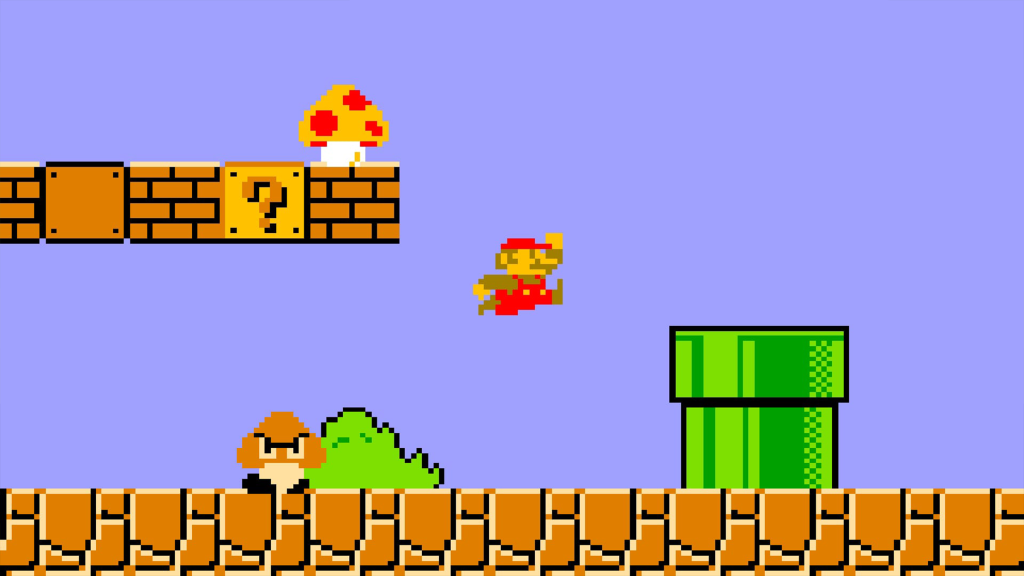
While there were plenty of popular platformers released between 1980 and ‘85, the one that truly broke the mold was Super Mario Bros. on the Nintendo Entertainment System. The game not only made the NES a breakout hit for Nintendo but also introduced numerous enhancements over previous platformers. It took what worked previously and improved through innovation, becoming an archetype of the genre. Because of its success, other publishers realized that platformers were key to increased sales, spurring greater development of the genre. Super Mario Bros. added several noteworthy improvements, including multiple worlds with additional stages, scaling difficulty, improved controls and mechanics, and more.
5) Sonic the Hedgehog (1991)
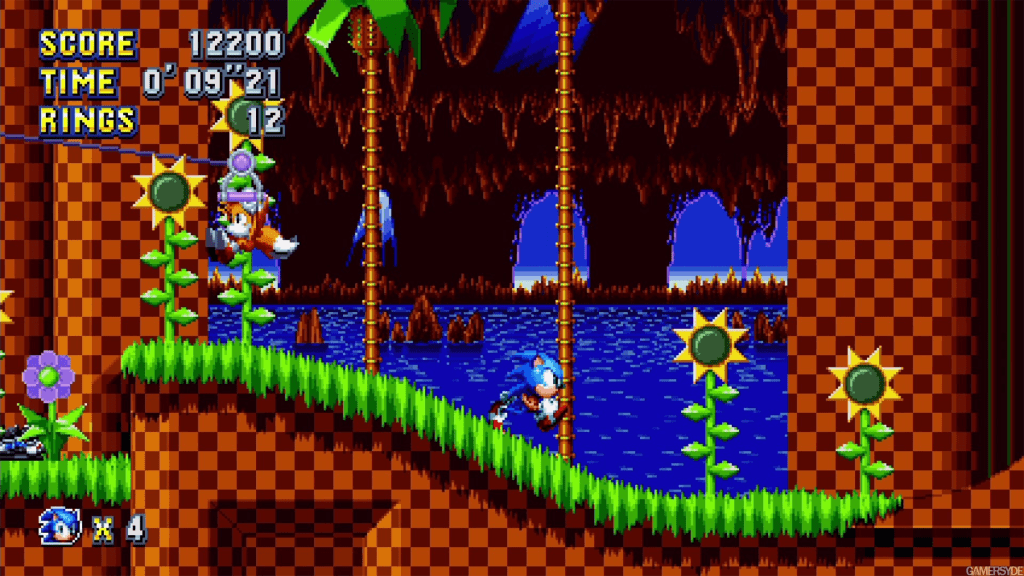
Platformers continued to dominate the 1980s, and by the 16-bit era of the 1990s, a new face emerged via the Sega Genesis. Sonic the Hedgehog was more than a mascot-establishing franchise of fortune for Sega, as it demonstrated advanced, high-speed controls the 8-bit generation couldn’t hope to achieve. The game boasted larger stages, scrolling in all directions, and a physics system that fully utilized the Genesis’ hardware capabilities. This was largely due to the system’s CPU, which doubled the Super Nintendo’s clock speed, which had plenty of fantastic platformers as well.
6) Clockwork Knight (1994)
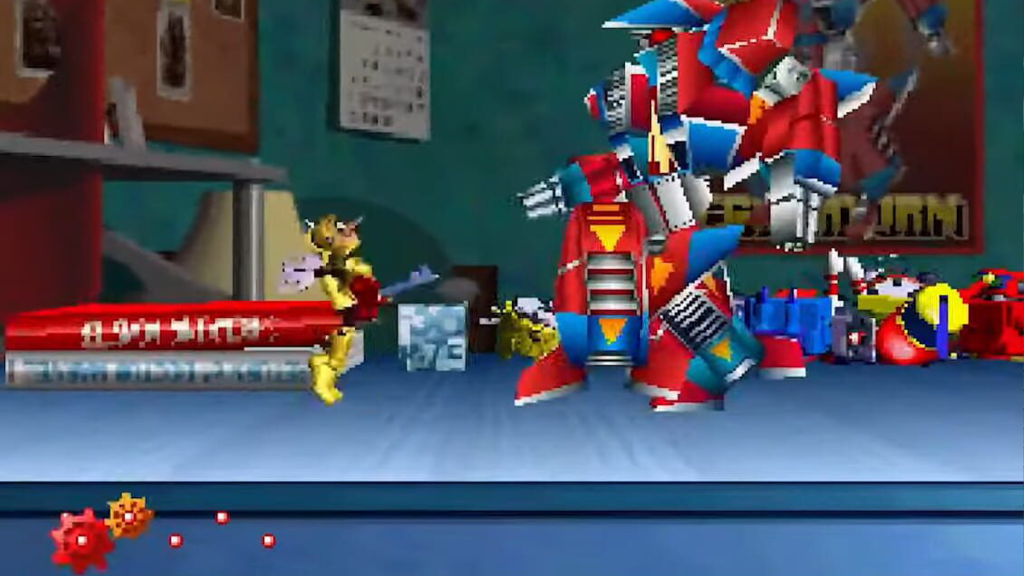
While games like Donkey Kong Country introduced significant advances in graphics capabilities, it was Clockwork Knight that took the genre in a new direction. The Sega Saturn launch title was the first to be dubbed a 2.5D platformer, as it featured levels and bosses rendered in 3D. The remaining elements included pre-rendered 2D sprites, which were similar to how Donkey Kong Country was made. While the term has largely fallen out of use, 2.5D platformers marked a pivotal step towards the development of fully 3D-rendered platformers, which removed the standard 2D sidescrolling template and placed games in immersive worlds.
7) Jumping Flash! (1995)
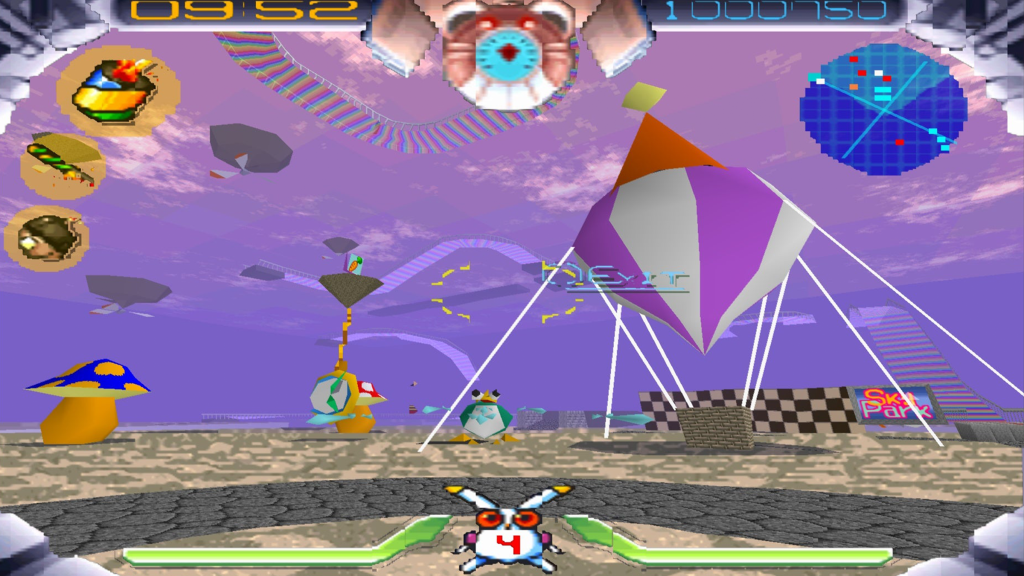
Platformers entered the 3D age in the 1980s, using polygons to establish 3D environments with early titles like 3D WorldRunner and Alpha Waves. These options expanded into other genres, including FPS’ via games like Geograph Seal. Still, when you’re looking at the first true 3D platformer, it’s not the far more successful Super Mario 64; it’s 1995’s Jumping Flash! for the PlayStation. It actually holds the Guinness World Record for being the first platform game in “true 3D.” The game is played in first-person and follows a robotic rabbit named Robbit as he searches for his missing jet pods scattered across the world.
8) Ratchet & Clank (2002)
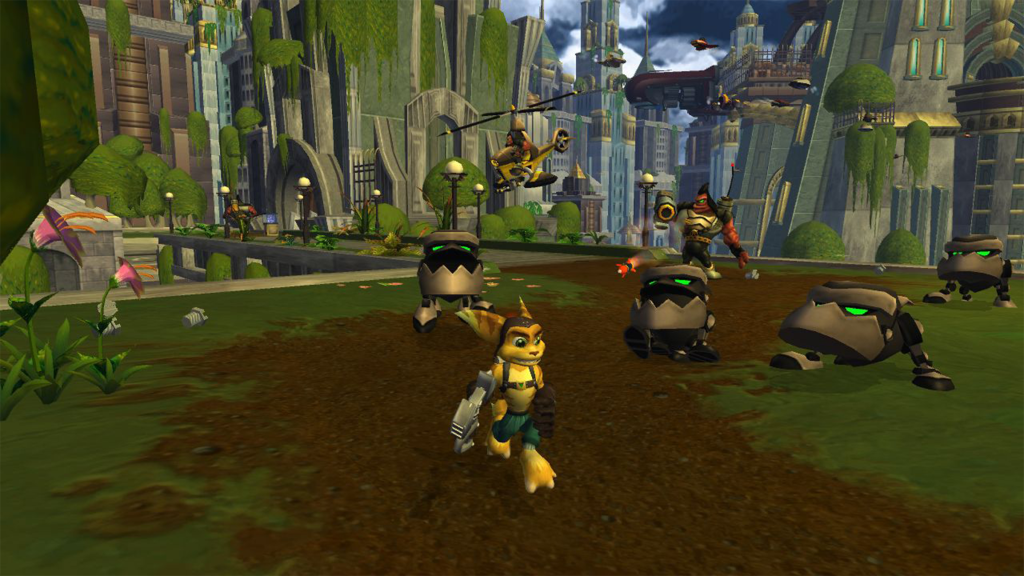
The 32 and 64-bit eras brought about significant innovation in 3D gaming, especially in platformers. Games like Banjo-Kazooie and Spyro the Dragon elevated the genre to new heights, paving the way for the next big innovation in games like Ratchet & Clank. It’s considered a third-person shooter platformer due to its similar gameplay, and it elevated the genre by incorporating new mechanics, cinematics, story, and puzzles. Ratchet & Clank didn’t necessarily reinvent the platformer genre. Instead, it improved on the template, making it more dynamic and engaging through excellent visuals and brilliant storytelling.
9) Super Mario Galaxy (2007)
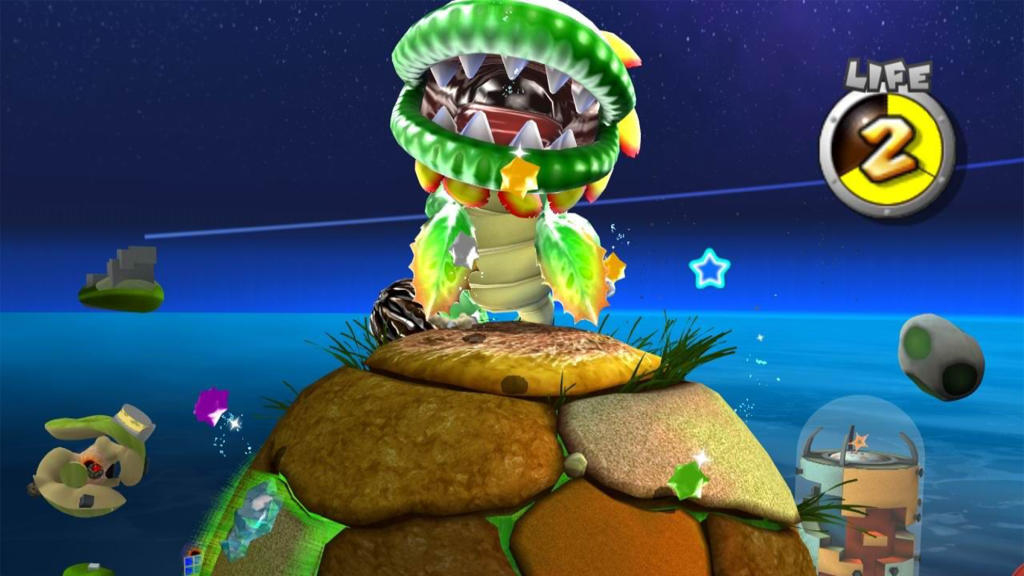
When it was released in 2007, Super Mario Galaxy received widespread critical acclaim and won numerous awards. The game took the old Mario franchise format and reshaped it, breaking the mold for how platformers could be executed. Gameplay centers on traveling to different planets, asteroids, and other astronomical bodies with varying gravity. It used the Wii’s motion controls, but beyond that particular mechanic, Super Mario Galaxy is a 3D platformer that maximized the potential of how such games could be presented. There hasn’t been a title that’s truly comparable since its release.
10) Mirror’s Edge (2008)
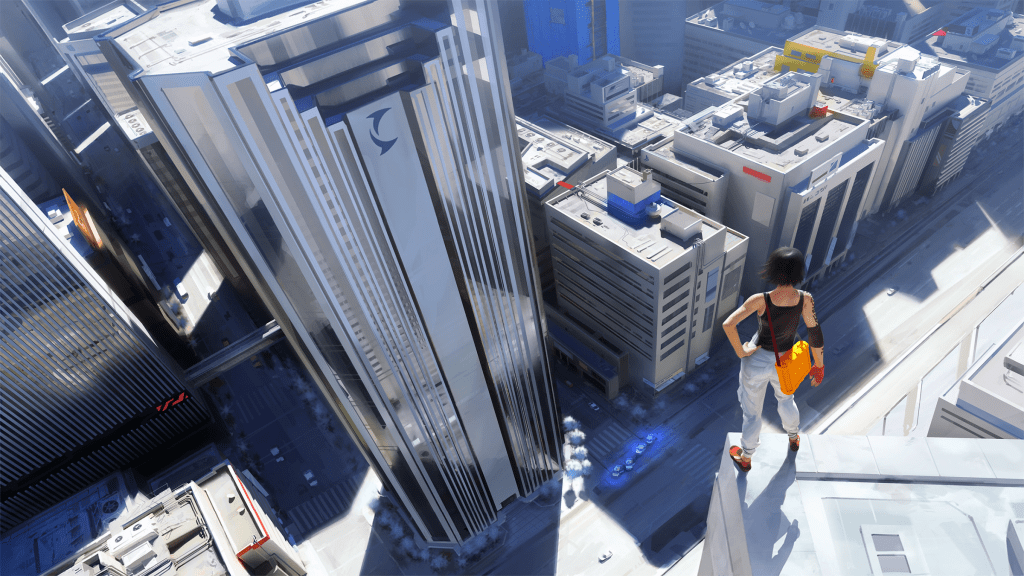
When most people think of platformers, they likely picture something like a Mario game, but there’s a wide range of what qualifies. Enter Mirror’s Edge in 2008 — an action-adventure platformer that immerses the player into a fully 3D world, where parkour is required when jumping from one rooftop to another. Visually, the game looks more like a first-person shooter, but it’s not; it’s a true platformer that took the template and smashed it to smithereens, showing the world that platformers evolved from their 2D renditions in the 1980s into something far more advanced in the 21st century. In the years since, many platformers have returned to the genre’s 2D roots, but many more explore alternate means of presenting the genre, and Mirror’s Edge is a perfect example of this.
What do you think was the most innovative leap in the development of platformers? Leave a comment below and join the conversation now in the ComicBook Forum!
Most Viewed
-

Image Courtesy of Prime Video -

Image Courtesy of TOHO