Some of the most unforgettable gaming experiences are ruined by endings that leave players shaking their heads in disbelief. Time spent exploring a world, forming bonds with characters, and making decisions can have a significant impact on the story, can be undone in a single, frustrating finale. When a game stumbles at the very moment it should deliver its payoff, it can turn even a beloved title into a source of genuine disappointment. The frustration is often amplified when invested months or even years into a game, following every twist and turn, results in a conclusion that feels like a slap in the face. Endings can define a game, and when they fail, the impact lingers far beyond the final credits or a review score, and not in a good way.
Videos by ComicBook.com
Even the most celebrated games can fail when it comes to their conclusions. When a finale does not match the promise of the journey, it can overshadow everything that came before and leave fans questioning why they invested in the game at all. Some players may attempt to rationalize the ending or look for hidden meaning, but the dissatisfaction often persists. It’s a horrible feeling, and once it lands, it takes time to cope with a beloved story’s horrible ending. A strong story can be undone by a weak finish, and these games demonstrate exactly how damaging that can be.
4. Mass Effect 3
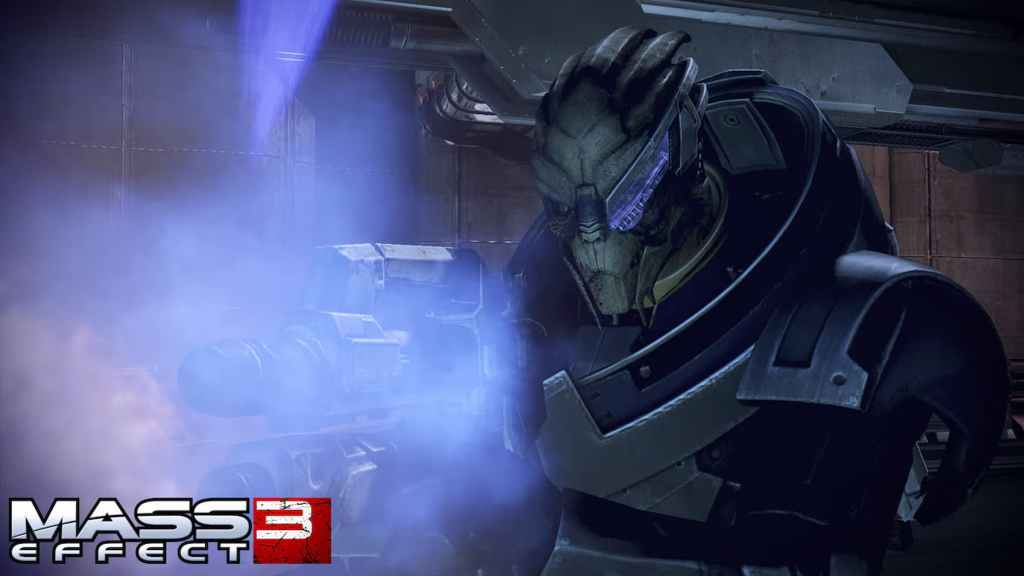
Mass Effect 3’s ending became a symbol of frustration for the gaming community. After years of guiding Commander Shepard and shaping the fate of the galaxy, the final choices felt hollow. No matter what players had done, the outcome barely changed, erasing the weight of all the decisions and relationships built over three games. Many felt that the carefully constructed narrative and complex character arcs had been utterly dismissed, leaving a lingering sense of betrayal coming from the studio most known for narrative payoff, BioWare. The disappointment was not just about the ending itself, but about how it undermined the entire trilogy.
BioWare tried to fix the backlash with the Extended Cut DLC, adding more context and options. While this gave some clarity, it could not repair the sense of disappointment. Many felt that the ending failed to respect their time and emotional investment, turning a beloved trilogy into a case study of how not to conclude a story. What’s worse is the fact that there even needed to be an “Extended Cut” in the first place, which implies that the conclusion had not been well thought out. Even with the added scenes and explanations, the finale could not match the stakes and consequences that had been built over the years. Mass Effect 3’s ending remains a benchmark for divisive finales that still spark discussion today.
3. Outriders
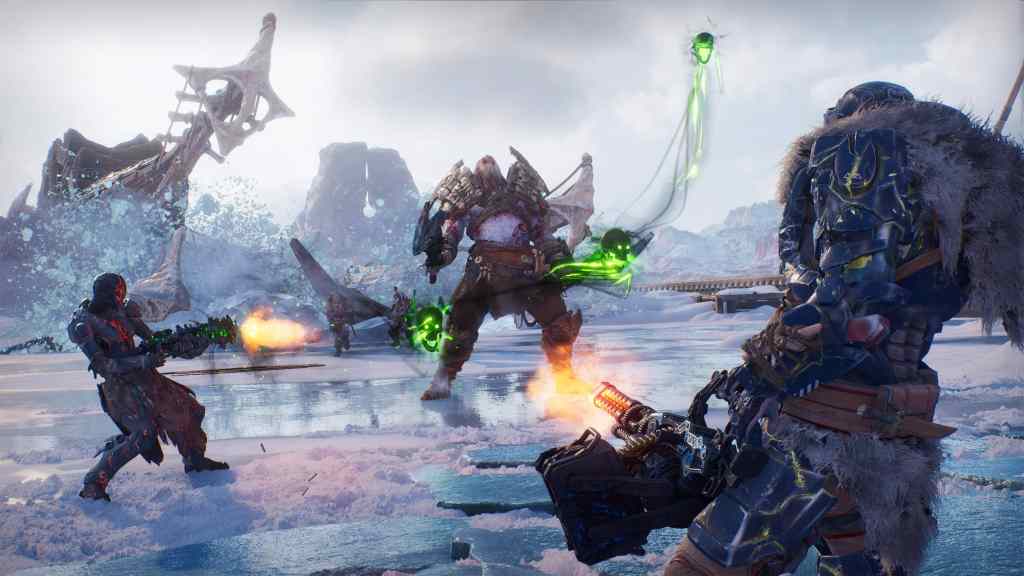
Outriders was exciting to play, with fast-paced combat and a world that begged to be explored. Yet the story rarely matched the energy of the gameplay, and the ending arrived abruptly. It felt more like the start of a new adventure than a proper conclusion, leaving characters and plot points unresolved. Many were left wondering why so much of the narrative felt like a setup without a genuine payoff. The world offered much potential and intrigue, but the story never fully delivered on the promises it made, and it probably never will at this point.
The finale’s suddenness only amplified the frustration. The game teased mysteries and significantly larger conflicts, but none of them were addressed satisfactorily. The conclusion opens the world up in a big, exciting way that makes you think you’re just getting started, only to be hit with the credit screen on cloud nine. Naturally, players were left with questions and a sense that their investment had been wasted. The ending left a hollow feeling that lingered long after the game was put down. Outriders demonstrates the importance of a satisfying narrative climax, no matter how strong the mechanics are.
2. Final Fantasy XVI
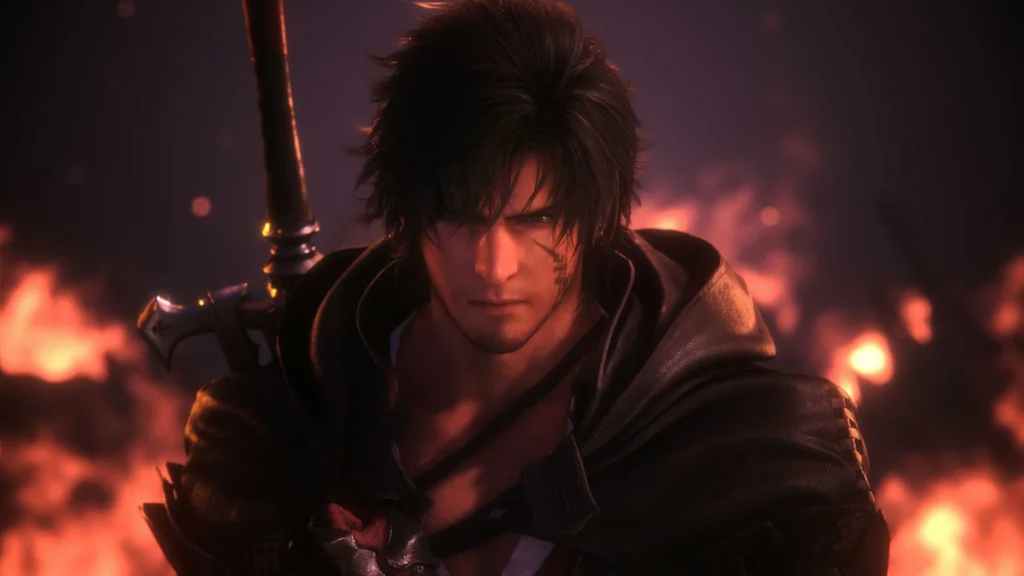
Final Fantasy XVI offered a dark, intense story full of political intrigue and personal struggles. The early chapters set up a compelling web of kingdoms, alliances, and political maneuvering, promising a narrative focused on human ambition and conflict. However, as the story progressed, the focus shifted heavily toward gods and monsters, following a trend that has become all too familiar in the series. This turn overshadowed the intriguing political beginnings, leaving players frustrated that the story they were invested in had been replaced by conventional fantasy tropes. The climax felt rushed, and the emotional moments that should have landed with impact fell flat, leaving fans disappointed after committing to Clive’s journey and the fate of Valisthea.
The finale’s departure from the political and personal intrigue of the beginning made the disappointment even worse. The game’s initial demo made fans hopeful for a Final Fantasy title that focused more on the triflings of humanity, rather than the cosmics. Unfortunately, they were brutally misled. While some praised the narrative risks, many felt the ending failed to honor the initial strong direction and depth of the story, leaving fans frustrated that a game of such early promise could stumble at the most critical moment. The lack of satisfying resolution and the narrative jump to focus on “fighting God” have kept conversations about Final Fantasy XVI alive, long after its release.
1. The Last of Us Part II
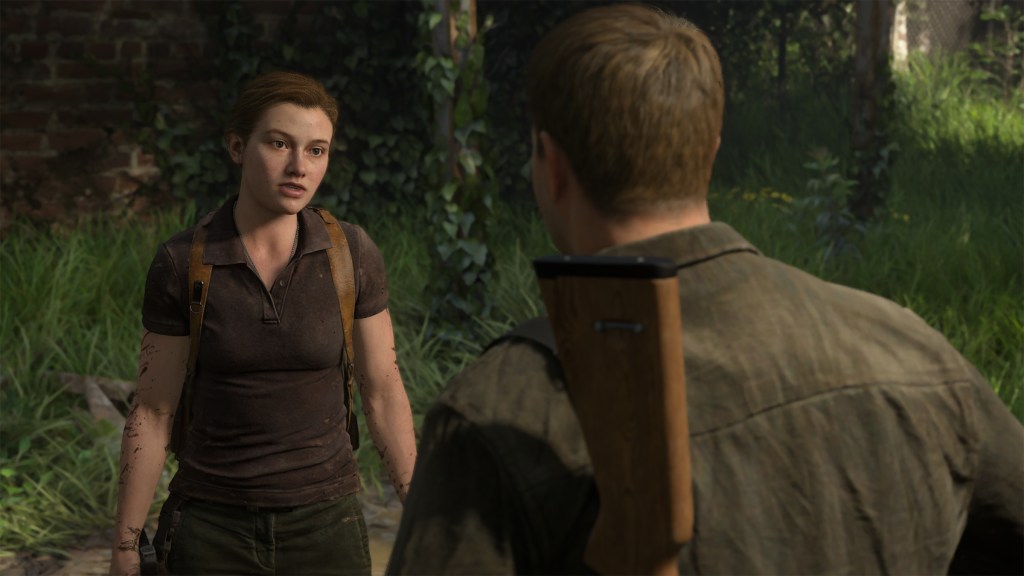
The Last of Us Part II took some massive risks with its story, exploring revenge and moral complexity as focal themes. But the ending left many players feeling alienated, thanks to the buildup of Ellie in the previous game. After hours of connecting with the characters, the finale delivered consequences that felt punishing rather than satisfying. After considerable torment at the hands of Abby, the game’s chief antagonistic force, Ellie is given the opportunity to take full revenge against her. However, Ellie determines, right at the end, that revenge would just continue the cycle of hatred, and lets Abby go free. Mind, this is after Abby has already taken everything Ellie loved from her. Despite the positive messaging, this did not sit right with most fans. The emotional weight of the story seemed undermined by the conclusion. The ending provoked debate and division, making it one of the most talked-about conclusions in modern gaming.
The conclusion highlighted the fine line between bold storytelling and audience frustration. While the game succeeded at evoking strong emotions, the ending did not live up to the journey that came before for many. A sense of betrayal, a feeling that the narrative had denied them the resolution they had been working toward, which is often cited as the problem with this title’s narrative. The division of opinion on it keeps it a big talking point on this topic, and it showcases how even critically acclaimed titles can falter when the payoff does not match the investment and expectations of the audience.
What do you think? Leave a comment below and join the conversation now in the ComicBook Forum!
Most Viewed
-
Images courtesy of TriStar Pictures and Warner Bros. Pictures