Kingdom Hearts III had impossible heights to overcome when it launched on PlayStation 4 on January 29, 2019, and it shouldn’t be surprising that some fans didn’t think it cleared that benchmark. The third mainline entry in the Square Enix/Disney crossover, the title followed up on the highly acclaimed Kingdom Hearts II more than a decade after that game debuted. Coupled with plenty of spin-offs that came in between, the formal release had helped turn the fan base for the series into a very passionate audience eager to see how it all came together. At least among critics, it initially seemed that Kingdom Hearts III had been well-received. Critics especially enjoyed the gameplay and expansive settings, with the game’s Metacritic score hovering in the early 80s depending on the platform.
Videos by ComicBook.com
However, elements of the story quickly became focal points for criticism, as well as the level selection and overall design. It was the story that received the most blowback, with many frustrated by the ever-growing cast, unexpected returns, and how it all came to an end. While it wasn’t as widespread a criticism as the one that followed other trilogy-concluding chapters in gaming like Mass Effect 3, Kingdom Hearts III still received some very spirited blowback from a subsection of fans. Looking back 7 years later, it’s worth considering why fans were frustrated and if those arguments still hold up.
Kingdom Hearts III’s Gameplay Frustrated Some Fans
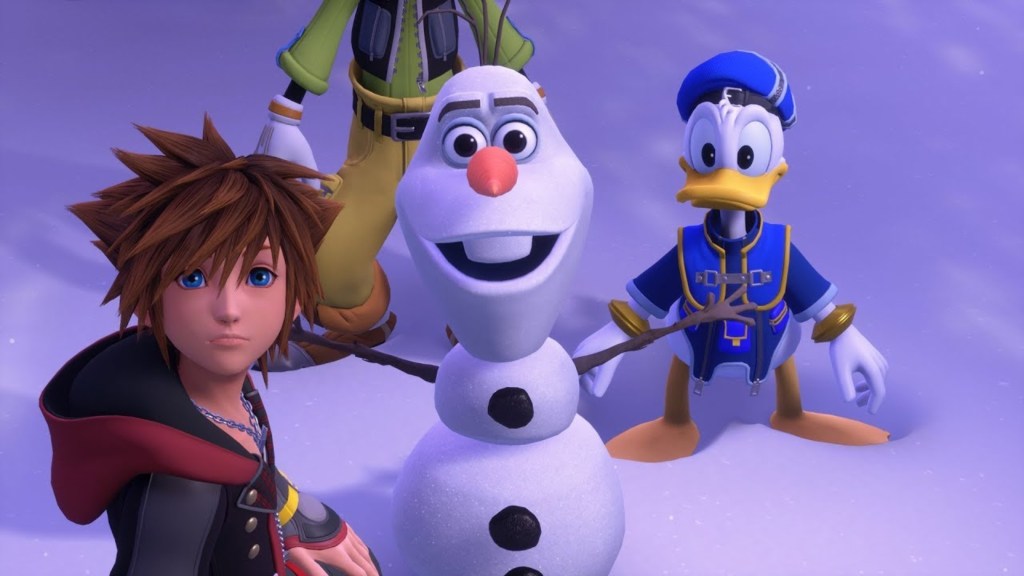
Kingdom Hearts III might have done well with critics, but a very vocal contingent of the fanbase turned the game into a lightning rod of debate. The contrasting opinions some fans had from critics centered on the gameplay, world selection, and story pacing. The gameplay, which had always been a bit repetitive, was really showing its age by the time of III. Even the new abilities and summons weren’t enough to impress players who had come to expect more from the series. The world selection was a mix of bold swings and old haunts, with new takes on settings like Mount Olympus.
The increased focus on the Disney elements (including expansion into worlds from Pixar movies) infuriated fans who were more interested in the Final Fantasy aspects of the crossover. Gameplay bugs also complicated the experience in some big ways. Many of these issues, at least on the gameplay side, were amended in patches; however, the Re:Mind re-release in particular resolved many of these issues. However, none of that really addressed some of the larger issues fans had with the story, which seems to still be a point of contention with some fans.
Kingdom Hearts III Was Too Ambitious For Its Own Good

Kingdom Hearts III had a lot of elements to pay off, ranging from the character arcs to the mysteries that were only deepened by spin-off games that came out between Kingdom Hearts II and III. As a result, the game’s habit of shifting into old habits, like halting the primary plot for the sake of a rehashed Disney adventure, riled fans up. The sheer deluge of characters featured in the plot made an already complex mythology all the harder to follow, especially as the game made huge revelations about the past and future of this world.
The overarching battle against Xenahort was thrown off by the sudden nature of the climax, with plenty of retcons and sudden resurrections leaving the entire affair feeling weightless in a way that didn’t connect with players. The ending especially frustrated players, who were left confused and disappointed by the sudden and anticlimactic nature of the finale that awaited Sora (even if his final fate does make sense narratively). Fans bristled against the story, which generated a lot of discourse in the fandom that lingers even over a decade later.
Kingdom Hearts III Was Flawed, But Didn’t Deserve All The Hate It Got
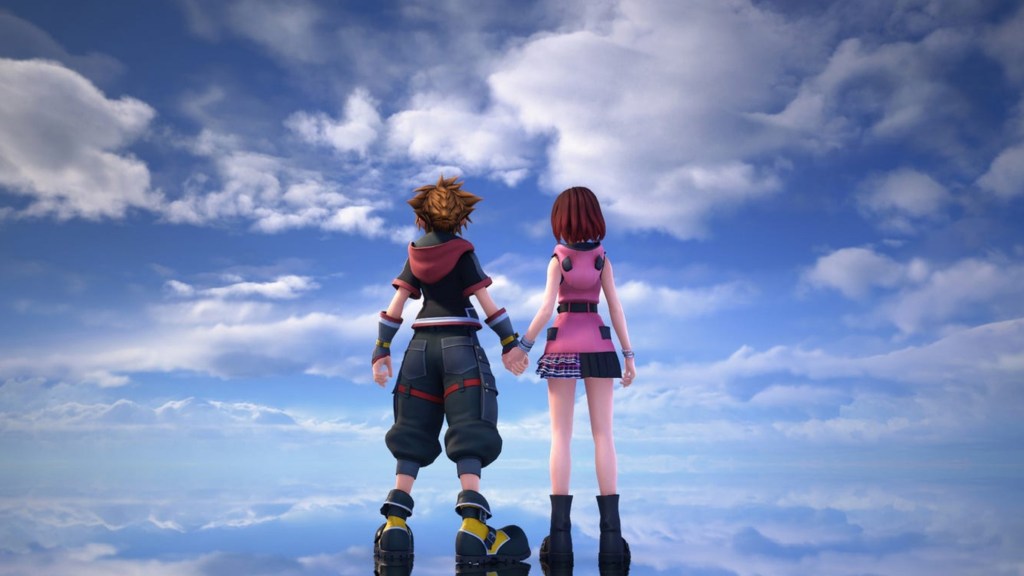
Kingdom Hearts III‘s biggest defenders will still acknowledge that the game stumbles in some key ways, but many of these elements were addressed in the Re:Mind release. While the narrative is a bit muddied even by the standards set by the series at large, elements like Sora’s fate do have some real impact. The biggest problem with Kingdom Hearts III, especially when it was released, was that it suffered from high expectations. After the previous game had connected so well with players, Kingdom Hearts III was going to need to be perfect to really live up to the expectations that had developed in the fan base.
When the game landed with a more mixed reception among players, it became easy to accentuate the flaws and argue that the game was a mess. While reactions have cooled down somewhat, it’s also notable that Kingdom Hearts III‘s stumble helped dampen the staying power of the franchise in the modern gaming space. Kingdom Hearts III is fine, even if it fails to reach the heights of the earlier hits. The story can be frustrating, but it does have good elements — and does a good job of bringing together all the absurdity that has long defined the series in a way that’s still emotionally resonant. Even if it deserved some genuine criticism for the ways it overcommitted to some of the franchise’s more established weaknesses, Kingdom Hearts III didn’t necessarily deserve all the hate it got at release and in the years since.
Most Viewed
-

Image Courtesy of Big Finish -

Image Courtesy of Prime Video -

Image Courtesy of TOHO