As promised, Insomniac debuted extended gameplay of Marvel’s Wolverine at Sony’s State of Play, and it more than delivered. Not only did fans get a look at an actual mission from the game, but Jean Grey was also in the mix, as well as several other familiar faces. That said, the focus was on the game’s efficiently brutal combat, though part of the showcase revealed the toll all of that combat takes on Logan. While Wolverine will have his healing factor, we learned that he can still actually die, and here is how it works.
Videos by ComicBook.com
In the game’s new footage, there’s a fight that takes place against a bigger and more elite opponent than some of the other Reapers Wolverine has faced in the game thus far. Wolverine takes a beating from the enemy and his healing factor has to work overtime to get him back in the fight. Marvel’s Wolverine game director Mike Daly revealed how that system isn’t infinite, and Wolverine’s heart can stop if he takes too much damage before he is able to tap into the healing factor once more, which will ultimately kill him (via Variety). You can watch Wolverine’s healing factor at work in the video below.
Here’s Exactly How Wolverine’s Healing Factor Works, And How He Can Die If Pushed Too Far
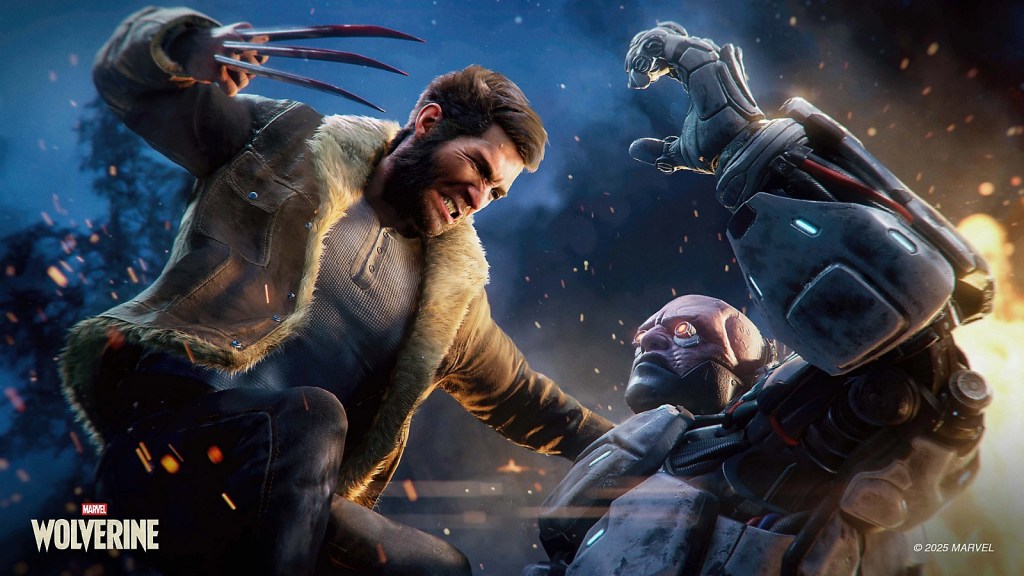
It’s always challenging to figure out a health system for someone who is in many ways unkillable. Daly provided some insight into how they worked his healing factor into the mix and figured out how to work that in while still giving him limits that can ultimately kill him.
“We knew we needed to bring his healing factor into play in a way that was important to gameplay and affected your decision-making, and obviously that’s a tricky challenge. Logan’s healing factor has manifested in a lot of different ways over the years, and where we ended up was our Logan can die. He dies when his heart stops, and his healing factor can no longer activate, and that’s represented by his health bar. It’s a simple system that players easily understand. Now that being said, Logan’s healing is — his body’s energy is able to regenerate at an incredible rate when it’s dedicated to these healing surges. So outside of combat, he can heal very quickly and get up totally fresh. You never have to worry about health packs or repairs or anything like that,” Daly said.
“During combat, his energy is on fighting and taking enemies out and doing aggressive damage, so this healing factor slows down to a crawl. It’s still there, but in order to maintain your health, you need to be aggressive. So you can expand your repertoire of moves and apply some customization to your mutant abilities that let you heal through taking advantage of certain opportunities in battle,” Daly said.
“The other big way that his healing factor is represented is that when he takes so much damage that his heart stops and he’s going to die, if he has enough rage, that adrenaline can restart his heart and give him a healing surge mid-battle. So that was that moment you saw in the gameplay trailer, where you could come back to life, and you sort of see his body reconstitute. Because that’s adrenaline-fueled, and it uses it all up, it’s sort of like a one-time chance, and it leaves you vulnerable for a while after that. So, if you’re going to get back in the game, you’ve got to really focus on getting through the rest of this fight without losing all your health again,” Daly said.
Marvel’s Wolverine releases for PS5 on September 15, 2026.
What do you think? Leave a comment below and join the conversation now in the ComicBook Forum!
More Gaming
-

Courtesy of The Coalition -

Courtesy of Netflix -

Image Courtesy of Rockstar Games -

Nintendo Switch 2 games