As with any industry, gaming trends have come and gone over the years. Certain types of games explode in popularity for a time, while others fade to the wayside. Sometimes, though, entire styles of games can become more or less obsolete, even when their greatest successes became massive hits that change the scope of the gaming world. This is the case with movie tie-in games, which used to be a common style of game.
Videos by ComicBook.com
For entire generations of players, movie tie-ins brought them into the worlds they had previously seen on the big screen. The best of them even exceeded expectations and became massive successes even outside their inspiration. One of the best examples of this is Star Wars: Shadows of the Empire. Released on the Nintendo 64 on December 2, 1996, this 29-year-old game was able to bring players directly into the events of a universe that was experiencing a resurgence on the big screen. It also highlights how games that could directly do that have more or less become extinct.
How Shadows Of The Empire Brought Players Into Star Wars

Long before Disney expanded the Star Wars universe and titles like Knights of the Old Republic broadened the scope of the lore, games like Star Wars: Shadows of the Empire were some of the best chances fans had to take part in the action. Released not long before the Star Wars: Special Editions appeared on the big screen, Shadows of the Empire was a new chapter in the saga of a galaxy far, far away. Unlike other Star Wars games that largely told original stories, this one was directly connected to the plot of the movies.
Players took on the role of Dash Rendar, a mercenary who finds himself entangled in the events of The Empire Strikes Back and the fallout of that film. The tie-in game saw players embark on missions alongside Luke Skywalker, track down Boba Fett, and face off with the Empire. The game’s most famous moments were tie-ins to the overarching narrative of the sage, retroactively making Dash one of the snowspeeder pilots during the Battle of Hoth and play a key role in recovering the construction plans of the second Death Star.
While the gameplay was met with mixed reviews, the storyline — particularly the Hoth level — was hailed as a highlight of the N64 era. The level did a great job of recreating the iconic battle, throwing players into the middle of the action and letting them feel like they were actively contributing alongside the likes of Luke Skywalker and Wedge Antilles. Nowadays, Shadows of the Empire is more of an interesting footnote than anything else, a reminder of the larger extended universe that was more or less rendered moot by Disney’s acquisition of Lucasfilm. However, it’s also worth remembering for a style of game it represented that simply no longer exists anymore.
Why Movie Tie-In Games Went Extinct
Previous generations of games featured plenty of titles that directly adapted or were related to major film releases, a trend that has more or less been forgotten in the modern gaming space. This was a trend that used to define the arcade and early console eras, where games didn’t even necessarily need to be all that connected to their source material to try and cash in on the connection. While some of these games were very rough around the edges and even helped contribute to some of gaming’s most infamous events (like the debacle that was E.T. the Extra-Terrestrial for the Atari 2600), they also led to some really exciting games that felt like stepping into the movie itself.
Disney adaptations like Aladdin and The Lion King gave fans a beautifully rendered chance to explore the animated landscapes on their own. Star Wars: Rogue Squadron highlighted the balancing act of these kinds of tie-ins, capable of recreating specific scenes while fleshing out the story with original content. Titles like The Godfather: The Game and Enter the Matrix were attempts to incorporate new characters and layers into the overall narrative and world-building, effectively adding new context to the canon events of the films.
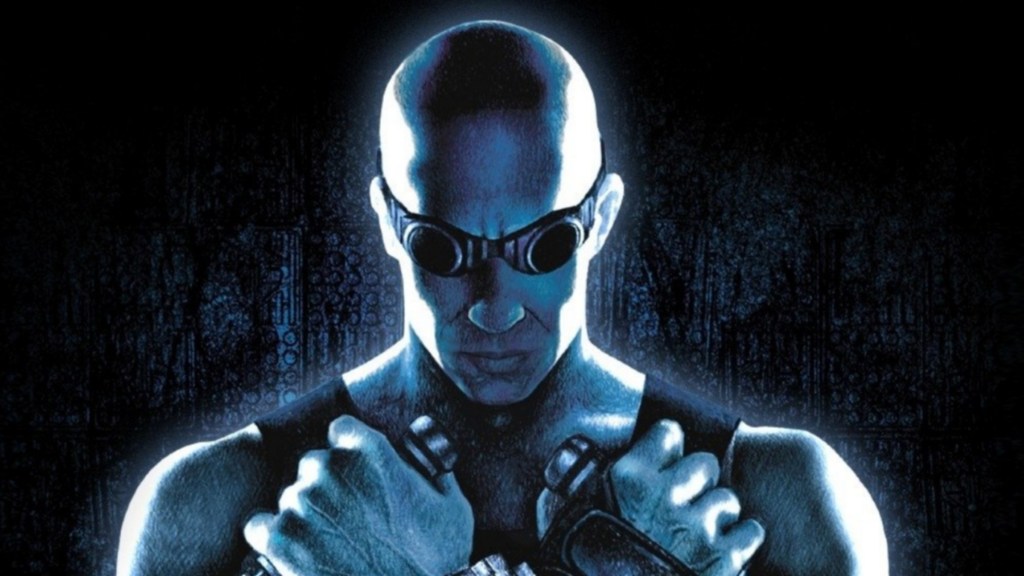
The Chronicles of Riddick: Escape from Butcher Bay fleshed out the world and main character by letting the player embody them for an adventure. The Lord of the Rings: The Two Towers and The Return of the King used actual clips from the films to draw players more fully into the experience. Others, like Spider-Man 2, GoldenEye 007, and Super Star Wars even found ways to expand on the original storylines while leaving their own mark on their respective genres. Star Wars: Shadows of the Empire was one such game, a successful attempt to bring players into an established world and make them feel like a part of it.
However, as time went on, these kinds of games fell by the wayside and were replaced with more overt gaming adaptations of established IP. A key example is the Batman Begins series, which might have recreated the first Christopher Nolan movie, but it was overshadowed by the original story and presentation of Batman: Arkham Asylum. Franchises like the Marvel Cinematic Universe and Star Wars followed suit, with their own original versions of the shared concepts taking the space previously occupied by direct adaptations. Other potential movie tie-ins were absorbed into their own specific franchises. While the LEGO game series is the most prevalent example of this, it’s only become more pronounced in the modern era.
Nowadays, games like Fortnite and Dead by Daylight might include plenty of established movie characters and concepts, but only insofar as they are part of their own overarching universe. Even adaptations of franchises like Indiana Jones and the Great Circle or Friday the 13th are original takes on the older IP instead of being meant to tie into modern releases. It’s a shame, as it means younger players will never experience the thrills that Shadows of the Empire provided earlier generations of players. In movie tie-in games, players got the chance to experience the scenes for themselves. While those kinds of moments can be reimagined or filtered through other games, the actual direct adaptation of specific moments has been more or less lost. It’s one of the unspoken casualties of gaming moving away from direct tie-ins, and it’s an unfortunate reality of how gaming has shifted in the modern era.
Most Viewed
-
Image Courtesy of Prime Video -
Image Courtesy of Netflix