Modern gaming has faced plenty of controversies, often dwarfing the cultural arguments that used to dominate the medium. One of the most pervasive conflicts has been over game ownership in relation to live-service titles. While plenty of games now operate on an “always online” season model, the ones that fail have increasingly been shut down fully by their developers once the live service comes to an end.
Videos by ComicBook.com
This can be devastating to fans who played the games and fell in love with them. It’s also a blow to consumer rights that many groups around the world have been calling out. One notable push for more consumer protections for gamers has come in the form of the Stop Killing Games initiative, which seeks to change the laws in the European Union to force publishers to adopt different exit strategies for games. This initiative could have an overwhelming impact on the industry, and it has just cleared a huge hurdle towards becoming law.
The Stop Killing Games Petition Has Reached Over A Million Supporters
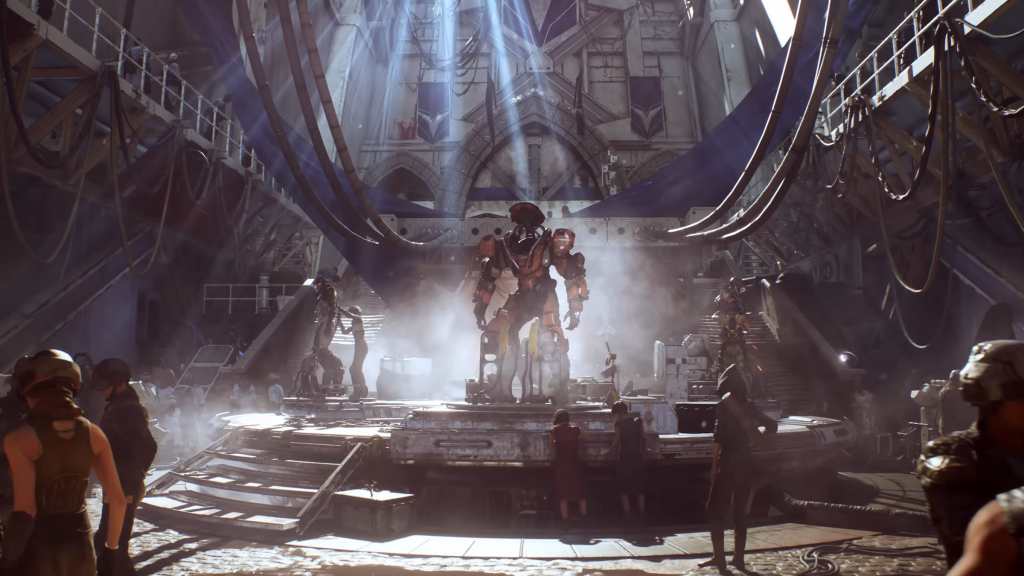
Stop Killing Games launched in 2024, with the express intent of introducing a new law into the EU that would impact game developers and their products. The initiative argues that publishers ending support for live-service or online-dependent titles that result in the closure of the game (as seen recently with titles like Anthem) “effectively robs customers, destroys games as an art form, and is unnecessary.” The petition, meant to convince the EU to take up consideration of new laws limiting the practice, would require video games sold to EU nations to remain “in a working state” when live-service or publisher support ends.
It also seeks to require publishers to have “end of life contingencies” for their games, which would allow players who purchased the games to continue playing them even if live-service or regular updates have ended. The petition required at least 1 million signatures verified by the EU to move forward in the process. As of this writing, 1,294,188 of the signatures — roughly 90% of the signatures — have been verified. This suggests that the Stop Killing Games initiative carry forward.
While the petition has received blowback from publishers, the overwhelming majority of gamers worldwide seem to support the initiative. While the laws would only impact games sold in Europe, the global reach of the gaming industry and the scope of the European gaming market would likely domino effect this ruling — if it became law — into a global change. While there is plenty of work left to be done and legal battles left to be fought, the petition moving forward is a huge step for a move that could have serious impacts on the future of the gaming medium.
Why The Stop Killing Games Initiative Matters
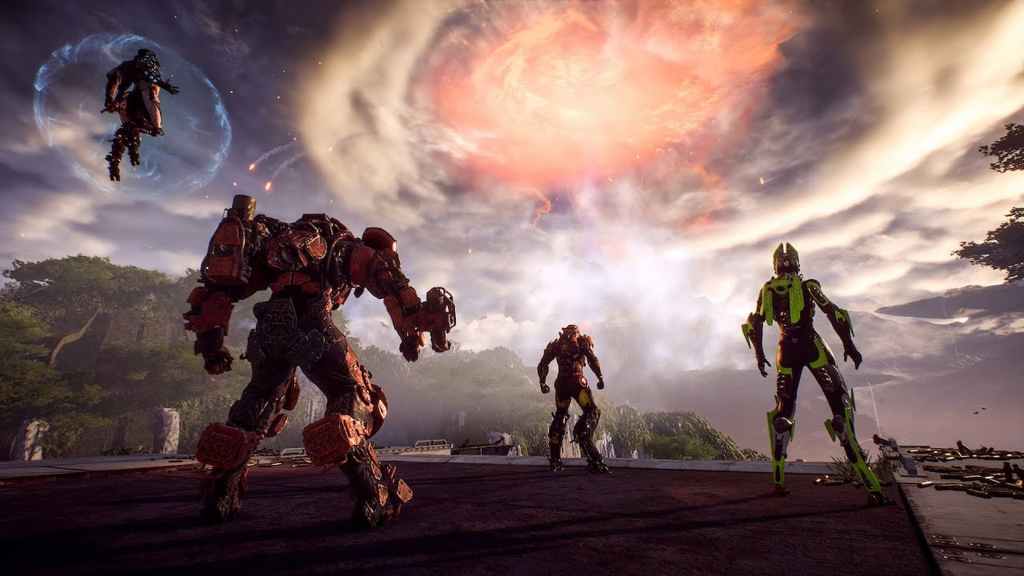
In the current gaming landscape, live-service titles have become something of the norm. However, it’s also forced plenty of gamers to adjust to the harsh reality that their favorite games may simply disappear one day. Game ownership has become rarer in the digital age, with plenty of games only being released online and without physical copies. However, this means that players who legally purchased the game may lose access to it if the publisher decides to halt support or shut down the available servers. This has been increasingly frustrating in cases like Anthem, which had a dedicated fan base and even seemingly had the potential for survival baked into the game design via local servers.
Despite this, EA decided against making that an option, and the game was formally shut down this month. On a consumer level, it’s an aggravating circumstance, considering the player purchased the game but will no longer be able to use it despite their own wishes. As a gamer, it’s even more frustrating because it undercuts the value of games as long-term sources of entertainment and as artistic expression. If a team spends years crafting the distinct style and unique world of a game that inspires players or attracts their attention, then it shouldn’t be possible for a company to simply decide against keeping it available. Notably, the petition doesn’t directly argue that live-service titles need to shut down or be made unavailable in Europe.
In practice, subscription models would still be allowed within acceptable game design (as opposed to concepts like Lootboxes, which have increasingly come under fire in Europe). However, it would have an impact on game developers and publishers, who would be required by law to ensure their games still operated at a functional level. It would likely require some additional funding, work, and time put into game development, which many publishers will push back against. However, this could also be a good way to keep shuttered games in the shop, potentially picking up more players who are curious about the experience but didn’t want to engage in a live-service model.
It also allows the game to potentially be brought back fully, especially if the player base who remained with it stays strong. It also makes sure that players don’t become more frustrated with publishers, who, at their worst, seem willing to charge players for anything in their games but refuse to let the players feel any sense of ownership in what they’ve invested their time and energy into. While it seems like more work, the Stop Killing Games initiative is good news for games, a great development for gamers, and a smart business move for developers.
Most Viewed
-

Image Courtesy of Big Finish -

Image Courtesy of A-1 Pictures -

Image courtesy of Goldin and The Pokemon Company