
Nioh was founded on thoughtful iteration. It had taken Team Ninja’s expertise developing the blazing-fast and punishing Ninja Gaiden games and fused that philosophy with FromSoftware’s oeuvre of methodical Soulslikes. The result was a fresh experience that blended the best of both worlds and required a near-perfect balance of strategy and reflexes. Nioh 3, however, is the result of when a game fails to iterate much at all and ends up merely copying most of its predecessor’s qualities without remixing them in substantial ways.
Videos by ComicBook.com
Carrying over so much means Nioh 3 is set on a rock-solid foundation, though. Bouts with all manner of yokai and samurai alike are gripping because they require players to lean forward and act with intent. Knowing when to dodge, strike, fire off a few spells, and back up for a devastating whiff punish are all key to survival, and this dance is the fire that fuels just about every encounter. And while much of that is true for just about every entry in the genre, Nioh 3’s specialty lies in its speed and responsiveness.
Rating: 3.5/5
| Pros | Cons |
|---|---|
| Core swordplay strikes an excellent balance being reflex-based and methodical. | Far too many enemies, weapon types, and bosses have been copied over from the first two games. |
| New boss fights are often thrilling, climactic duels. | It still doles out way too much loot. |
| Some of its new features are just lightly remixed elements from older titles. |
Nioh 3‘s Controls Are Still Fast and Fluid

Heavy loadouts and a few slow moves aside, Nioh 3’s protagonist can often dodge at a moment’s notice and swing their blade rather quickly. This is a more liberating approach that feels fantastic when compared to many of its genre peers that often bog themselves down with an abundance of recovery frames and strict stamina limits. Even stamina management in Nioh 3 is based on skill and faster than other titles since players can earn back expended stamina if they perform a Ki Pulse — a simple shoulder button tap — at the right time. This active reload-esque mechanic keeps up the tempo and mechanically disincentivizes button mashing, while also acting as yet another small reminder of how speed and spot-on reflexes are prioritized in every facet of Nioh 3’s gratifying combat.
Regular battles with regular enemies benefit from Nioh 3’s fundamental strengths, but the swordplay truly shines during boss fights where Team Ninja flexes its expertise the hardest. Towering yokai hit players with a flurry of unpredictable attacks and take perseverance to kill, so while these battles are generally never as difficult as they were in the past two titles, it’s still rewarding to land that fatal blow after a few practice runs. Learning these patterns isn’t even annoying, too, since Nioh 3 smartly avoids succumbing to the genre-wide affliction of tedious boss runbacks. Being able to jump right back into the battlefield after just a few seconds is a luxury more of these games deserve to have because of how it benefits the pacing and cuts the fat.
Nioh 3 Borrows Too Much From Its Past
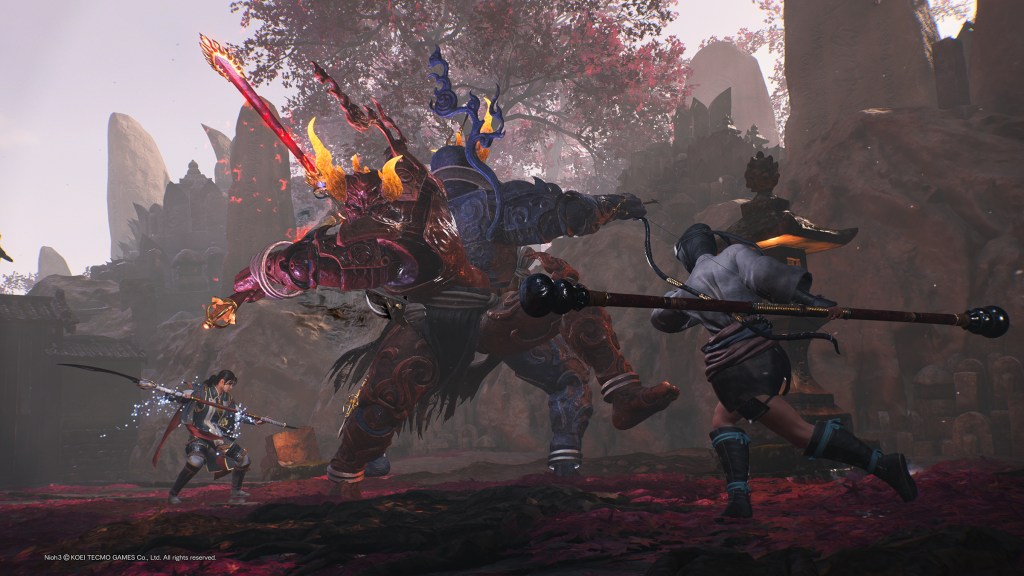
All of this, while still worthy of praise because of its quality, comes with an asterisk because just about everything Nioh 3 is remarkably similar to the prior two installments. A vast majority of its enemies — around 75% — are directly ripped from those earlier games with little to no changes. The same applies to most of its side bosses that are often just regular bosses from the series’ history. Its many weapon types have also been plucked right from Nioh 2 and its three pieces of DLC with no brand-new standouts to boast about. Even the soundtrack plays the hits a lot of the time.
Nioh 2 also lifted extensively from the first game, so this isn’t new. Fighting Nioh’s bosses with Nioh 2’s new counter system and refined mechanics was novel, but pulling this stunt again with Nioh 3 doesn’t have nearly the same impact. Since it is drawing from two games instead of one and doesn’t have its own array of new enemy types to complement the old, so much of Nioh 3 feels like an expansion and not a full sequel that’s come six years after its predecessor.
Ingenuity is important for most games but especially for ones in combat-heavy genres like Soulslikes because the excitement comes from having to adapt to new threats. That constant need to acclimate keeps combat fresh, and Nioh 3 suffers because it doesn’t require players to learn many new techniques. It has already been established that backpedaling when a Dweller does its grab or retreating early when an annoying Wheelmonk falls over are effective strategies. These are old tricks the series has been pulling for nine years. This overwhelming sense of familiarity is also a sizable reason why the mainline bosses are such a joy to face off against; they’re completely new and demonstrate what could have been possible if the entire experience wasn’t as devoted to bringing in older ideas and enemies.
Nioh 3‘s Newest Ideas Aren’t Its Best Ones

Nioh 3 tries to innovate in a few areas, but these elements aren’t consistent enough to ward off the samey feeling that encompasses almost every other part of the game. The Samurai and Ninja styles allow for players to oscillate between power and speed, respectively, right in the thick of battle, but the Ninja’s style’s strengths are hard to beat. Its agility and access to a regenerating pool of ranged attacks give it a clear edge over the slower Samurai form that isn’t as versatile.
The Samurai form is seemingly built around a deflect instead of an all-powerful dodge, yet deflecting lacks impact, is much more risky, and doesn’t lead to as big of a payout if done correctly. Ideally, Team Ninja would have incorporated Wo Long: Fallen Dynasty’s fantastic and crunchy deflect system in order to give Samurai style more utility and visual pizzazz. Although clearing out Yokai Realm pools with its special Ki Pulse and dishing out heavy damage with each weapon’s special ability means Samurai style isn’t as useless as it sounds, it’s tough to choose it over the ever-flexible Ninja style.
Nioh 3 Didn’t Learn the Right Lessons From Elden Ring
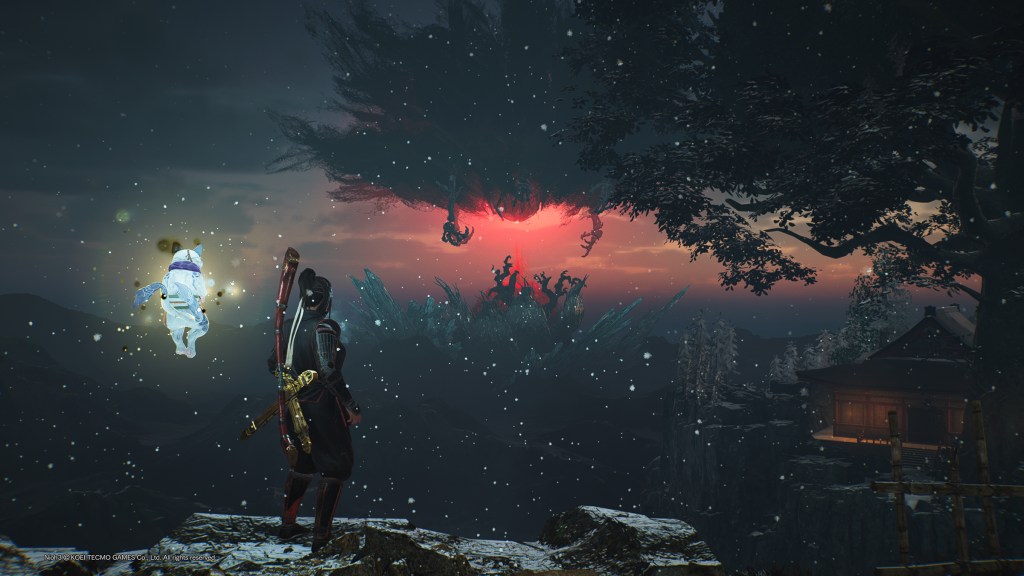
The open levels are similarly conflicted. Being able to explore around its vast fields and find new abilities is unique for a Nioh game, but this style lacks the tighter pacing of a more traditional level. Boss fights are excellent ways to change up the rhythm and act as a climax that follows about an hour or so of cutting through grunts. Nioh 3, though, doesn’t have this same tempo and can drag because of it. There aren’t enough bosses scattered throughout the world, meaning exploring can get pretty repetitive. It also doesn’t help that some of the bosses that do eventually pop up are, unsurprisingly, from past games, once again showing the detriment of constantly reusing material. Without a plethora of boss fights and an Elden Ring-style of natural exploration, Nioh 3’s open fields are underwhelming and don’t best the more traditional level structure of the past.
Its more open zones, if anything, highlight Nioh 3’s glaring loot issue, a sad staple in Team Ninja’s RPGs. Instead of getting new gear every so often, players are absolutely flooded with more weapons and gear pieces than they can possibly manage. Even though Team Ninja has radically upped the gear storage limit, it does little to distract from how tedious it is to constantly sell, break down, and compare everything. The procedural nature of it all means these pieces also almost always have hilariously miniscule effects like adding 1.7% more bow damage, sucking out the incentive to do side missions and completely diminishing the glee that should come with getting more equipment. And even if players manage to find a decent weapon or armor set, it is either egregiously expensive to level up or quickly made irrelevant. Although a game as intense as Nioh 3 warrants a break in the action every once in a while, spending so much time in menus isn’t a fitting and engaging downtime.

The problems with the loot ripple outward and demonstrate Nioh 3’s wider problem of failing to meaningfully cut features and move forward. It bombards players with a ludicrous amount of mechanics right off the bat because it can’t seem to let go of almost every system Nioh has ever had. The recycled bestiary and arsenal ups the amount of possible beasts to slay and ways to slay them, yet this mostly makes it feel too similar to its predecessors. The two combat styles and wider levels attempt to add something fresh to the formula, but have their own flaws and mostly appear to softly remix existing elements. Too much of Nioh 3 is too similar to past Nioh games, so while that means it has a few glorious boss fights and fluid controls, it lets down the innovative spirit the series was founded on.
A PS5 copy of Nioh 3 was provided by the publisher for the purpose of this review.
What do you think? Leave a comment below and join the conversation now in the ComicBook Forum!
