Marvel’s style of darkness has always been psychological rather than gothic. Where DC often externalizes its horror through mythical extremes or grand moral allegories, Marvel internalizes it. You’re not watching gods fall from grace — you’re watching people realize they were never gods in the first place.
Videos by ComicBook.com
Editorially, Marvel’s experiments with darkness often feel like rebellions smuggled through the cracks of corporate storytelling. Writers with sharp edges slip existential dread and moral decay into panels loud with color. The darkness is disguised in familiar tropes but beneath those, the machinery of despair hums constantly.
7. The Punisher: The End (2004)
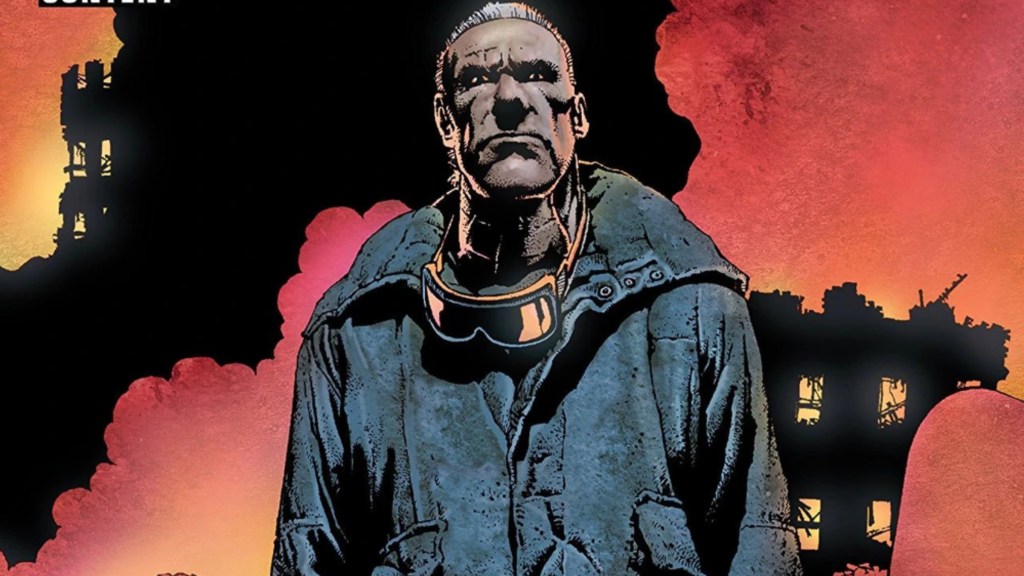
In this bleak one-shot by Garth Ennis and Richard Corben, Frank Castle survives a nuclear apocalypse to find the few remnants of humanity hiding in their rotting bunkers. The story strips away Marvel’s usual moral gray areas and dives into raw hopelessness. You’re not watching a hero; you’re watching a man whose sense of duty survives even when civilization doesn’t.
The artwork complements the despair — corroded cities, diseased survivors, and Frank’s aging body reflecting the ruin around him. The moment he delivers his final judgment feels less like justice and more like punishment on behalf of a dead world. It’s heavy, cynical, and unforgettable.
6. Old Man Logan (2008–2009)
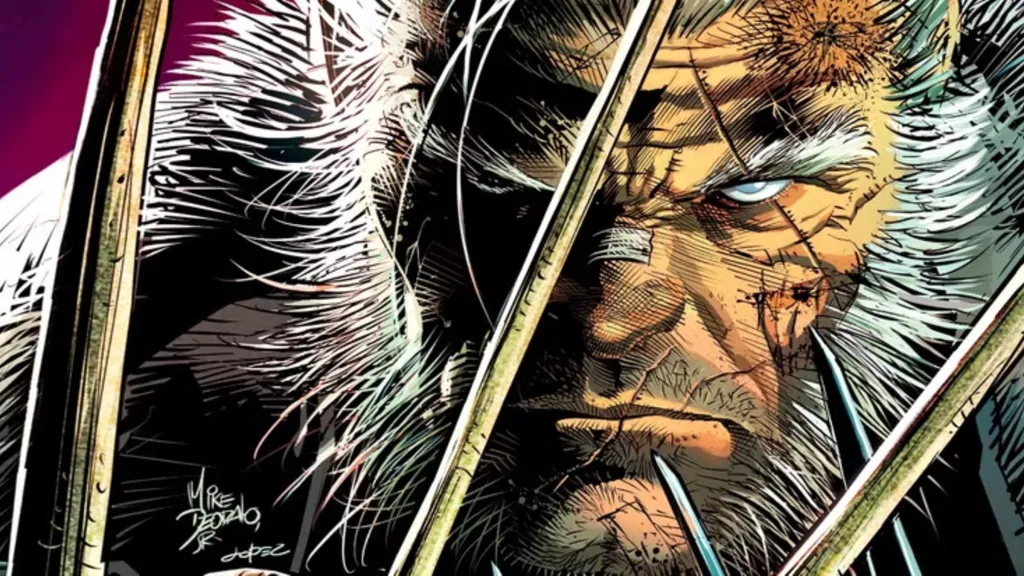
Mark Millar and Steve McNiven turned Wolverine’s world into a nightmare version of America. Villains have won. Heroes are gone. Logan has sworn off violence until tragedy forces him back. Every page burns with hopeless nostalgia for a world that rotted from within.
The imagery of fallen heroes scattered across dystopian wastelands hits like emotional shrapnel. When Logan finally breaks his vow, it’s not triumphant — it’s surrender to the monster he fought to bury. “Old Man Logan” doesn’t just show a future gone wrong; it shows what happens when hope becomes a curse.
5. Daredevil: Born Again (1986)
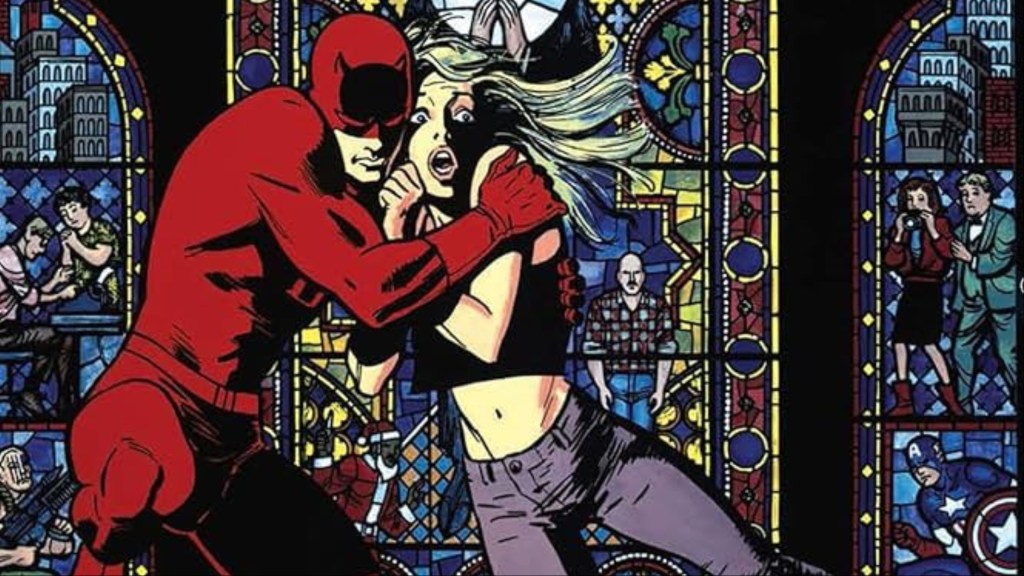
Frank Miller and David Mazzucchelli took a street-level hero and tossed him into spiritual and psychological ruin. Kingpin’s systematic destruction of Matt Murdock’s life is surgical. His friends betray him, his faith is tested, and his sanity almost collapses under the weight of manipulation and paranoia.
This is pain seen through Catholic guilt, broken justice, and raw survival. The rebirth that comes at the end feels less like redemption and more like crawling from a grave. The writing and art choke you with despair before offering a sliver of light that barely counts as hope.
4. Wolverine: Weapon X (1991)
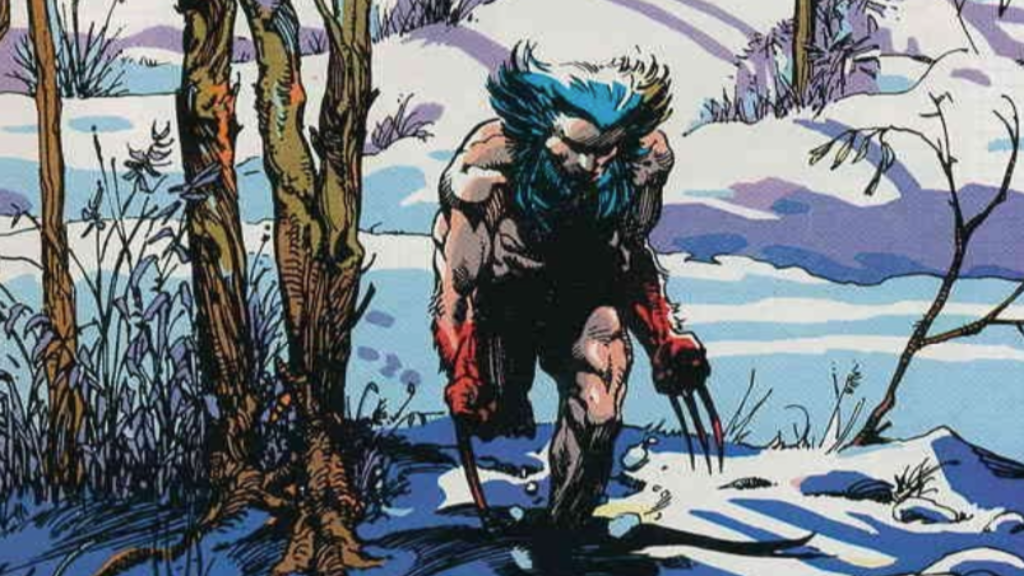
Barry Windsor-Smith’s depiction of Wolverine’s transformation into a weaponized experiment remains one of Marvel’s most disturbing origin stories. The clinical cruelty of the scientists contrasts sharply with Logan’s raw rage.
The sterile panels filled with needles, wires, and blood drip with psychological horror. Watching Logan lose his name and identity piece by piece feels invasive. It’s a horror story trapped inside superhero fiction, and by the end, you question whether freedom is even possible after such brutality.
3. Marvels Zombies (2005–2006)
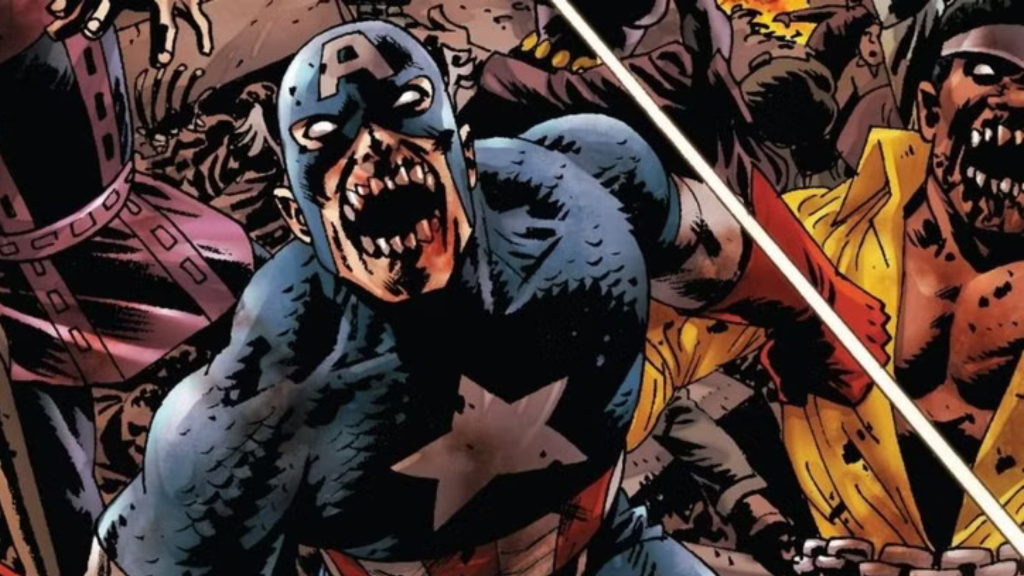
What began as a fun concept spiraled into grotesque nihilism. Robert Kirkman’s zombified Avengers eat their way across the multiverse, cracking jokes as they devour innocents. It’s toxic humor and horror blended into something far more uncomfortable than expected.
These aren’t monsters pretending to be heroes — they’re heroes who became monsters and relish the fall. Watching Spider-Man, Iron Man, and Captain America turn into cannibal caricatures digs into Marvel’s bright veneer and finds only decay underneath. It’s grotesque, absurd, and genuinely haunting.
2. The Vision (2015–2016)
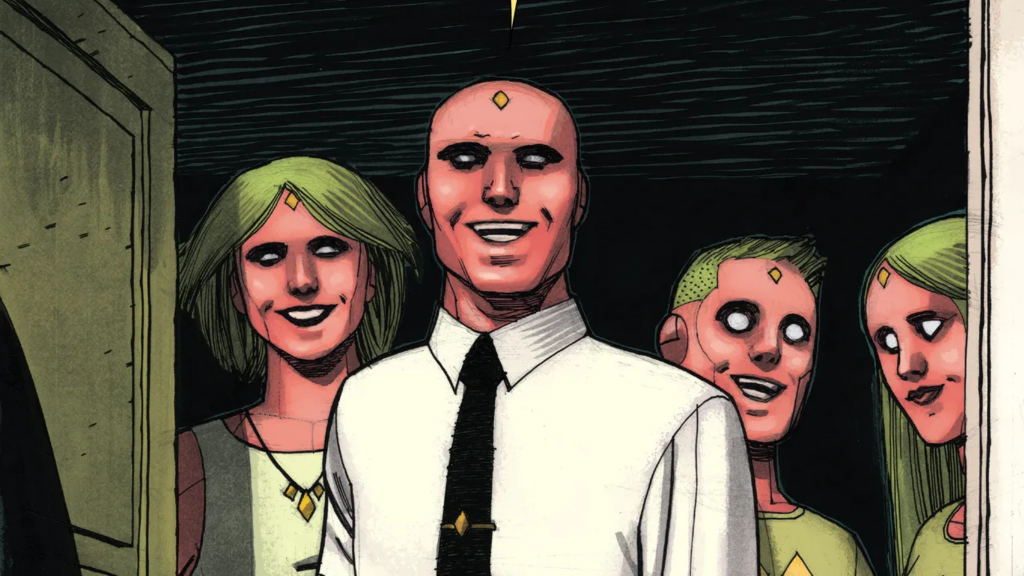
Tom King and Gabriel Hernández Walta delivered a suburban tragedy disguised as superhero fiction. Vision builds a synthetic family and tries to live like a human. It’s quiet horror, not from violence but from the escalating tension of watching perfection decompose. Each panel hums with unease, every smile a little too still.
The story asks what happens when artificial happiness collapses under human imperfection. The suburban setting makes it worse — it looks familiar, safe, yet disposable. By the final pages, the sadness feels clinical, and the horror is that it was inevitable all along.
1. The Ultimates
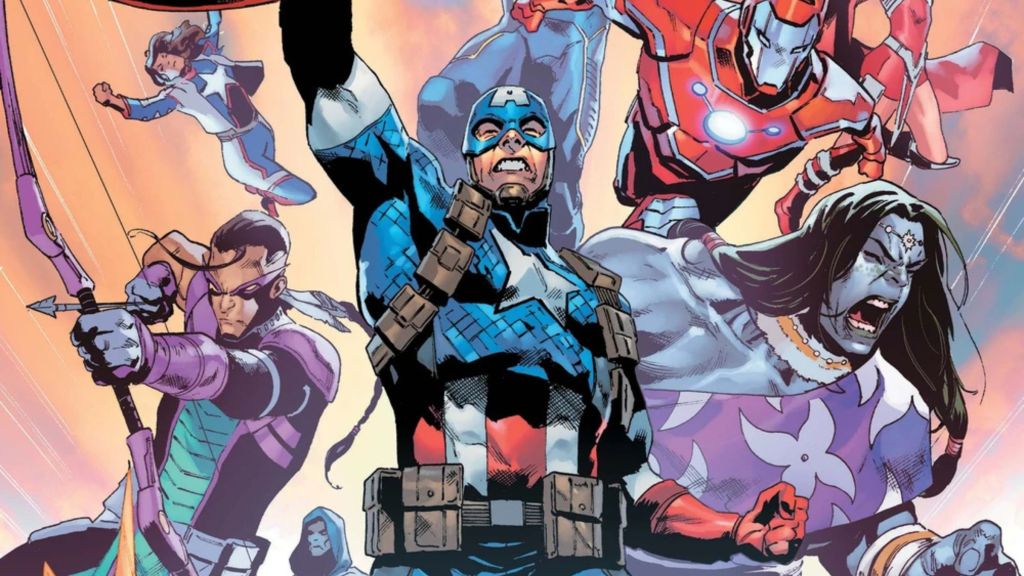
Before the MCU made them icons, The Ultimates turned the Avengers into something closer to military propaganda. Mark Millar and Bryan Hitch built an ugly reflection of American power — heroes who justify violence, manipulate media, and blur moral lines. The glamour hides systemic rot, and every act of “heroism” feels performative.
The series’ realism isn’t uplifting; it’s suffocating. Captain America’s nationalism turns brutal, Hulk’s rage becomes sadistic, and the team dynamics reek of ego and exploitation. It’s a dark mirror that still feels disturbingly relevant. The haunting part? It’s too close to how power really works.
What do you think? Leave a comment below and join the conversation now in the ComicBook Forum!
Most Viewed
-

Image Courtesy of Big Finish -

Image Courtesy of TOHO