
28 Years Later: The Bone Temple is the sequel to 28 Years Later, and so a lot of horror fans will be coming to the theater expecting to get the next chapter in the dark odyssey of Spike (Alfie Williams), the teenage boy who left his quarantined island home to explore the hellish UK mainland for the first time. In The Bone Temple, Spike has to learn that the Infected aren’t the most dangerous thing out there in the world: the twisted and bent beliefs of other humans are far more dangerous. Meanwhile, the sequel also continues exploring the story of Dr. Ian Kelson (Ralph Fiennes), who has been trying to learn more about the dreaded Rage Virus and how it works.
Videos by ComicBook.com
By the end of 28 Years Later: The Bone Temple, Kelson makes a breakthrough that could, literally, change the world these films are set in. MAJOR SPOILERS FOLLOW! So only read on if you want to know!
28 Years Later: The Bone Temple Reveals The Truth About the Rage Virus
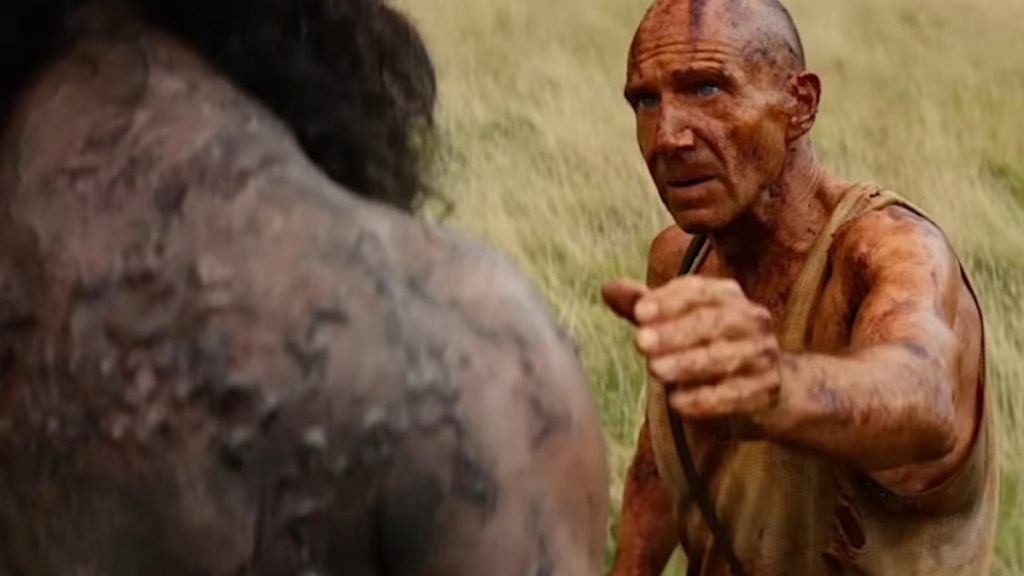
Dr. Kelson’s storyline in the film involves him continuing his work to build a bond with “Samson” (Chi Lewis-Parry), the Alpha of the Infected who live in the area. After seeing Samson’s mate give birth to a human child, Kelson begins to have confidence in his theory that the Rage Virus doesn’t “kill” the infected patient and reanimate them, but rather it is more of a viral infection like rabies, whose main symptoms aren’t just the physical surge in adrenaline and anger, but also the psychological trauma of a constant overpowering psychosis, which makes the infected believe they are fighting demonic hallucinations instead of regular people.

Over the course of the film, Kelson uses a mix of opioids and anti-psychotic drugs to gradually seduce Samson into seeking out the peace and calm of his daily dose. He tries to converse with the Alpha, teach him things, or scan for any signs of remaining consciousness. Just as Kelson is running out of meds and time, Samson shows a sign of intelligent thought, as he recalls the word “moon.” Kelson rolls the dice and injects a massive dose of his “cure” into Samson, which eventually yields the desired breakthrough: Samson’s psychosis is cured, leaving him essentially “human” again.
That much is confirmed when the other Infected immediately turn on Samson and begin to attack him in the train car he shelters in. It’s also confirmed (by the time he tears his way through a horde of Infected) that being bitten, scratched, or blood spattered by the Rage Virus won’t make Samson go mad again. A nice advantage to have.
With 28 Years Later: The Bone Temple, it’s now clear why series creators Danny Boyle and Alex Garland have always maintained that the Infected are not zombies, but are exactly what they are named to be: infected.
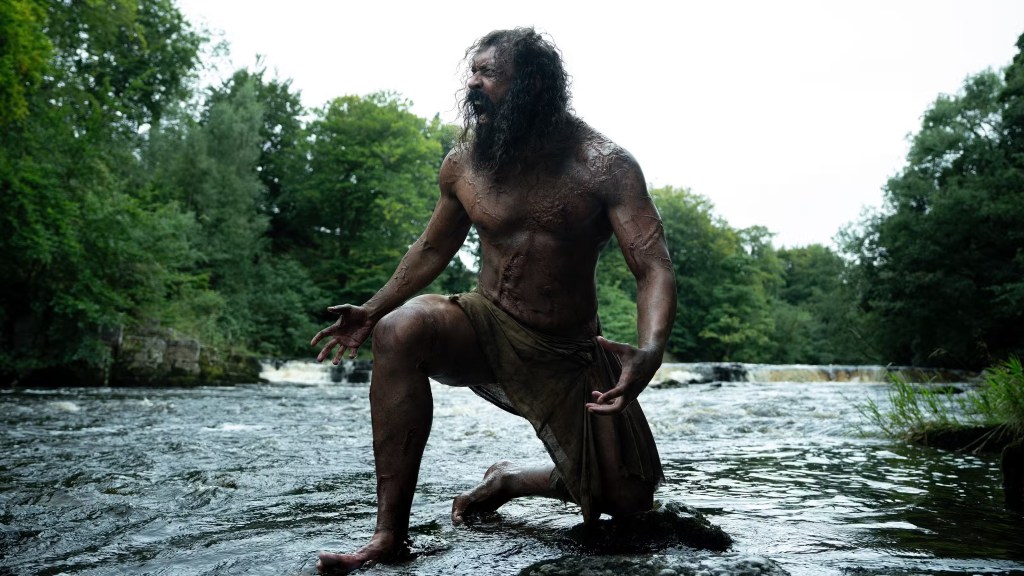
However, just because there is now a pathway back from the infection, it isn’t quite the same as a “cure.” Kelson died with the knowledge of which drugs to mix to cure the mind (unless Samson can remember), so how Spike (Alfie Williams), Jim (Cillian Murphy), or anyone else can make a cure remains to be seen. There’s also no guarantee that every mind can make it back, or that some of the more advanced and grotesque forms of infection can be cured at all. It’s also worth noting that as soon as Samson cured himself, the other Infected turned on him and tried to tear him apart. That all said, it just takes one person to get the message of a cure out to the world, and science could potentially do the rest.
Interestingly enough, the most wayward film in the franchise, 28 Weeks Later, now makes more sense. That film’s big twist (the mother character having survived infection as a dormant carrier) raised so many questions that now seem explainable.
28 Years Later: The Bone Temple is now in theaters.
Most Viewed
-
Courtesy of Eight-Bit -
Courtesy of Kadokawa / Shosetsuka ni Naro -

Image courtesy of 20th Century Studios -

Courtesy of Lionhead Studios -
Photo by Jesse Grant/Variety via Getty Images


