Doctor Strange played a major role in both Spider-Man: No Way Home and (of course) Doctor Strange in the Multiverse of Madness, although he unfortunately had some negative effects on the outcome of both movies. Doctor Strange is an interesting character, particularly when it comes to his portrayal in the MCU’s movies and shows. Like Tony Stark, Doctor Strange is sarcastic and egotistical, although he is obviously also powerful and intelligent.
Videos by ComicBook.com
Before and during the most recent installments in the Avengers films, Avengers: Infinity War and Avengers: Endgame, that came across as just a bit of pompousness that could be excused because he was literally saving the world (and far beyond the world, too). Yet, No Way Home and Multiverse of Madness changed that to a degree. In the former, Doctor Strange unfortunately contributed rather directly to the issues that transpired. In Multiverse of Madness, Doctor Strange’s flaws are less obvious; however, the events in New Way Home make them clear.
The Whole Point Of No Way Home Is To Empathize With Villains

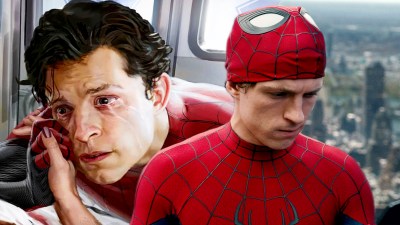
No Way Home was more than just a reunion of some of the most beloved actors—heroes and villains—in the Spider-Man movies over the last few decades. This movie also introduced the idea that villains, even the most violent and terrifying, deserve the chance to be saved. This is something that Peter Parker immediately believed, and when he wavered, Aunt May was there to remind him that it was part of his “great responsibility” to do so. In fact, Aunt May died for this very message, underscoring how pivotal this concept was.
Yet, Doctor Strange resisted this idea immediately in the movie. He thought it was reckless and foolish of Peter to do anything other than send these villains back to their own universes to die, and he told Peter (rather coldly) that their deaths were a necessary outcome to protect the larger multiverse.
While perhaps true, it’s clear that the movie takes the opposite stance. Despite everything that Peter loses throughout No Way Home, the message is overt: He was right to try and save these villains. In that sense, this movie actually becomes about empathy even for villains, yet it’s clear that Strange’s position hasn’t changed by Multiverse of Madness.
Doctor Strange’s Stance Hadn’t Changed In Multiverse Of Madness
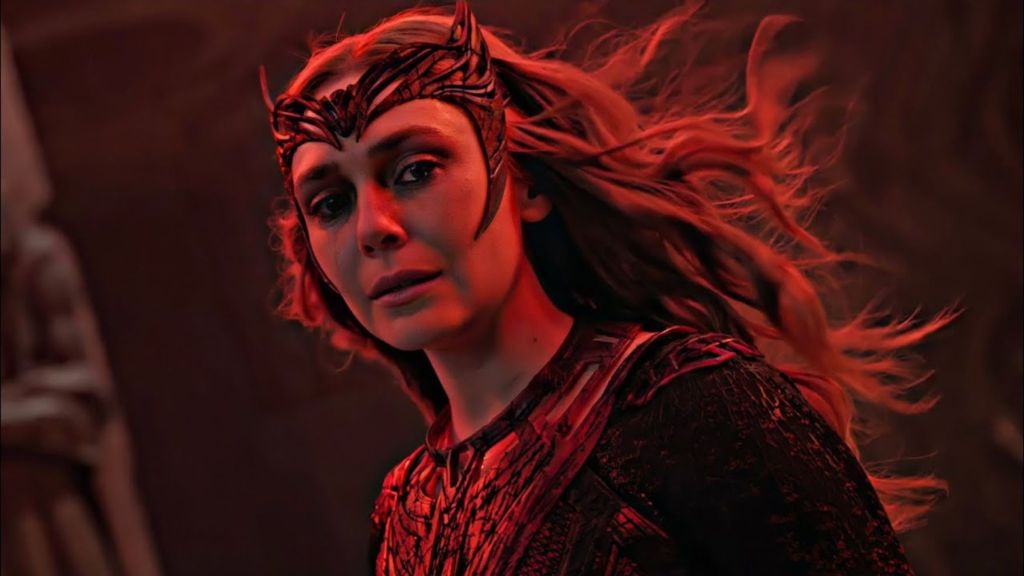
There’s no doubt that Wanda Maximoff is the villain of Multiverse of Madness, and the fact that she is possessed by the Darkhold (and ultimately destroys it and herself) doesn’t negate that. Even so, the message of No Way Home was clearly that villains—particularly those who are possessed or controlled by something else, such as with Green Goblin—deserve a chance. Wanda, not only as someone who was controlled by the Darkhold, but also as a former Avenger who did so much to save others, certainly deserved at least that chance.
Instead, Doctor Strange immediately treats her as a threat and an enemy when he learns that she has been using the Darkhold and is the person going after America Chavez. He even mentions that he knows about Westview, meaning he knows that Wanda not only lost Vision multiple times between Infinity War and Multiverse of Madness but also knows that she lost her children and has been alone. In spite of that, Doctor Strange doesn’t approach Wanda with any level of empathy.
Doctor Strange Is Guilty Of Worsening The Problems In Both Movies
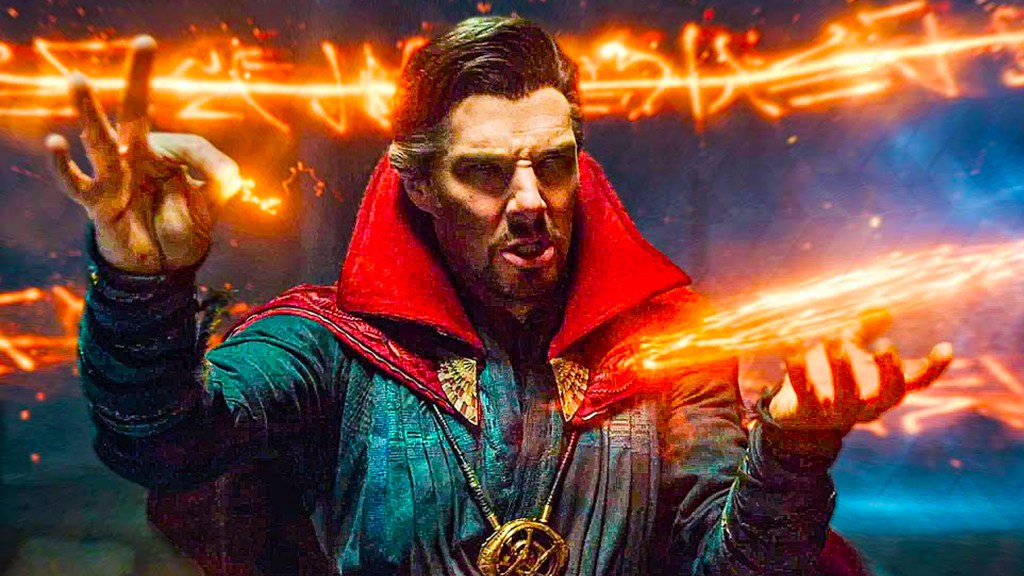
Throughout No Way Home and Multiverse of Madness, Doctor Strange is clearly trying to do the right thing, but that doesn’t mean that his actions were indeed the correct ones. In fact, in both movies, Doctor Strange actually contributes to several issues. In Multiverse of Madness, as mentioned, that includes Strange immediately treating Wanda like an enemy and, perhaps worse still, telling her that her children aren’t real, which only serves to infuriate her more. Even if he thought she was delusional, this was a surefire way to make things worse.
In No Way Home, however, Strange’s behavior is even more bewildering. Peter comes to Strange asking for help with the fact that everyone now knows he is Spider-Man and, specifically, that this has prevented Ned, MJ, and Peter from getting into MIT. This goes horribly wrong, and while Strange would like to blame Peter for that because Peter interrupted his spell, the truth is, Strange jumps into doing the spell shockingly quickly, and he doesn’t make sure Peter understands the implications and voices any nuances before he begins.
This is particularly odd given that Strange is a doctor in addition to a powerful sorcerer. Surely, he’s familiar with the idea that terms must be spelled out clearly before jumping into anything. Then, when Peter does interrupt him, Strange also decides to change his spell, which is disastrous. This isn’t to say that Strange is a villain; that’s certainly not the case. Yet, his behavior in both No Way Home and Multiverse of Madness is legitimately troubling, and it’s frustrating to see that, as of Multiverse of Madness, he is maintaining his black-and-white thinking when it comes to villains.
What do you think? Leave a comment below and join the conversation now in the ComicBook Forum!
Most Viewed
-

Image Courtesy of Warner Bros. -
Image Courtesy of Netflix -
Image Courtesy of Warner Bros.