Even though there are plenty that got their start even earlier in film history, the 1980s were the real golden age of the horror movie franchise. Halloween, Friday the 13th, A Nightmare on Elm Street, and countless others made sure to churn out sequel after sequel in that decade, often continuing well into the ’90s and beyond for some. It’s a piece of the Hollywood puzzle that has become a foundational part of the box office, but as time stretches on, a lot of these franchises have lost their shine. Sequel after sequel not only complicates the lore of the entire series, but makes audiences see the entire picture of a franchise as indecipherable.
Videos by ComicBook.com
Perhaps the worst offender of this, though, is the Hellraiser franchise. Despite being shot out of a cannon with the original movie, where Clive Barker adapted his own story for the screen, the first Hellraiser brought a new realm of terror to the screen and introduced an immediately iconic horror character in the “Lead Cenobite” (now known colloquially as Pinhead). After that, the series had a rough time in the years that followed. That changed four years ago, though, on October 7, 2022, when the Hellraiser reboot movie premiered and finally delivered the first great film in the series in literal decades.
Hellraiser Has the Worst Batting Average in Horror Franchise History
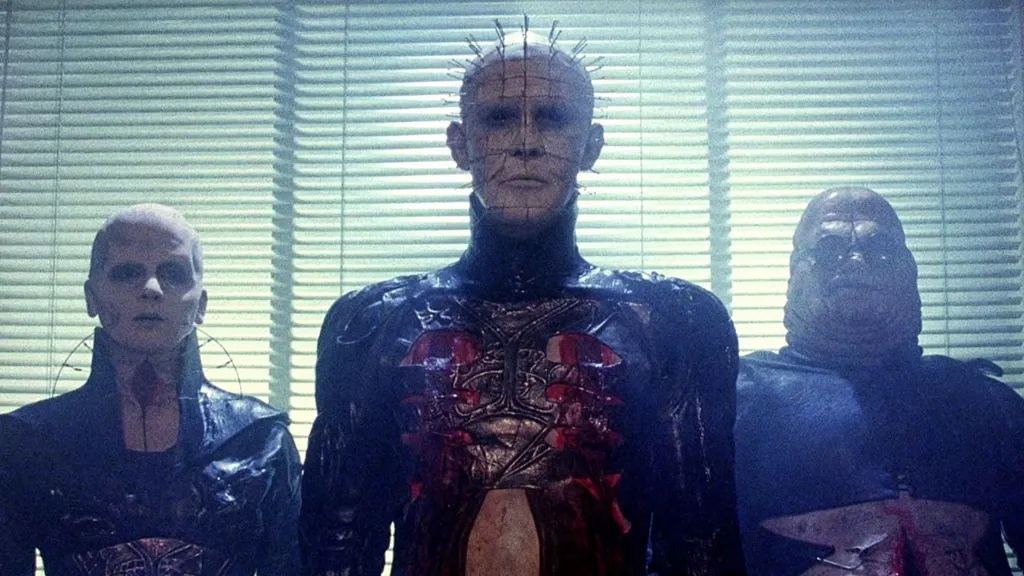
The original Hellraiser managed to make $30 million in 1987 off a $3 million budget, meaning that, as was par for the course at the time, a sequel was fast-tracked and arrived the very next year. Hellbound: Hellraiser II may not have had the critical and commercial success as the first film, but history has been kind to it, with fans coming around to realizing that its expansion of the lore created from the first movie is a rare improvement for horror sequels.
Naturally, more sequels followed, with both Hellraiser III: Hell on Earth and Hellraiser IV: Bloodline arriving in 1992 and 1996, respectively, but from there the series fell into the depths of the abyss. This was due not only to the niche appeal of the franchise itself and the declining box office returns with each movie, but an even greedier reason: hoarding the rights to the series. After Dimension Films (the production company of Harvey and Bob Weinstein) gained the rights to Hellraiser, they intended to make a proper reboot of the original movie for years, but as development on the project stalled, they instead decided to continue churning out sequels simply to maintain control of the property.
The result was multiple direct-to-video Hellraiser sequels that were hastily put together and thrown out into the world just to make sure that the rights never lapsed. In fact, some of the films weren’t even written as Hellraiser movies at all, with extra scenes added to already completed scripts to shoehorn Pinhead and the other Cenobites into the story so they might fit. The consequence of this was films that had a demonic computer game at the core of the plot, and Doug Bradley even being replaced as his iconic character due to hasty productions. All of this led to Hellraiser becoming something of a black sheep in horror, a franchise where two of its ten movies were even worth watching.
2022’s Hellraiser Reboot Delivered the First Great Entry in Decades
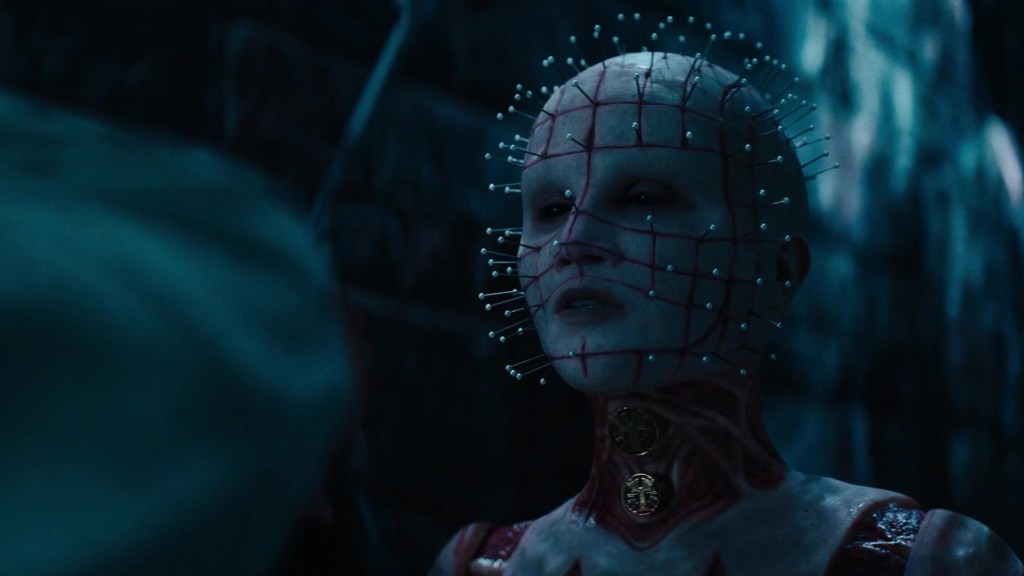
All that changed four years ago. After years and years of development, a proper reboot of Hellraiser was finally released by director David Bruckner and marked the first time Clive Barker had any involvement in the series in decades. Even though the movie didn’t get a theatrical release and debuted on Hulu instead, it immediately course-corrected from all of the other sequels in two major ways: a decent-sized budget and a story crafted as Hellraiser from the very beginning.
The most distinct thing that Hellraiser pulled off proves that both of these things were at the forefront of the production and it’s in the designs for the Cenobites themselves. Associated for decades with long leather robes and distinct makeup, Hellraiser reworked its Cenobites to appear part flesh and part mechanical, as if their bodies had been taken over by the pieces of the configuration itself. On top of that, the color scheme was changed entirely, with ivory skin for every hell priest, all of which worked together to totally redefine these cinematic monsters. These choices showed the reboot was really blazing its own trail after years of mediocrity and poor choices.
Even more distinct than the redesign of the hell priests was the casting of the new Pinhead. Doug Bradley didn’t return to the main role; instead, Jamie Clayton took over the part, bringing a sultry style of speaking that immediately distinguishes her Pinhead from what came before. She’s able to embody it in her performance, down to all her movements, delivering something that’s equal parts unsettling and sexy, a combination that is pure Hellraiser to the core.
At a narrative level, Hellraiser arrived with a storyline that satisfied what fans loved about the original movies. Not only did it have a proper story about obsession and addiction that was distinct from what came before it, but it delivered on those themes with a gut-punch ending that was more than just “defeating” the Cenobites and saving the day. Survival wasn’t the endgame; learning to live with your choices was.
Since Hellraiser’s premiere four years ago, there was talk of what might come next; not only were the producers and director eager to deliver sequels, but they made it clear multiple times over. It’s been two years since any kind of update has arrived, though, with no news of another Hellraiser sequel. All things considered, that’s not the worst news for the franchise.
More Movies
-

Courtesy of The Walt Disney Company -
Courtesy of Universal