It has been 39 years since a near-perfect horror movie was released that was way ahead of its time, and while it started a long franchise, it never even needed a sequel. In 1986, Clive Barker published a horror novella called The Hellbound Heart, a story about a hedonistic criminal who acquires a mystical puzzle box called the LeMarchand Configuration. This puzzle box summons demonic entities called the Cenobites, who believe pain and pleasure are interlinked. The novella helped launch Barker into superstardom, and it was only one year later that the story was adapted into a movie called Hellraiser.
Videos by ComicBook.com
Hellraiser was released on September 18, 1987, a movie that author Clive Barker not only wrote the screenplay adaptation for, but also directed. What resulted was a movie and story that was years ahead of its time, and one that launched a mostly disappointing horror movie franchise.
Hellraiser Was One of Horror Cinema’s Greatest Releases
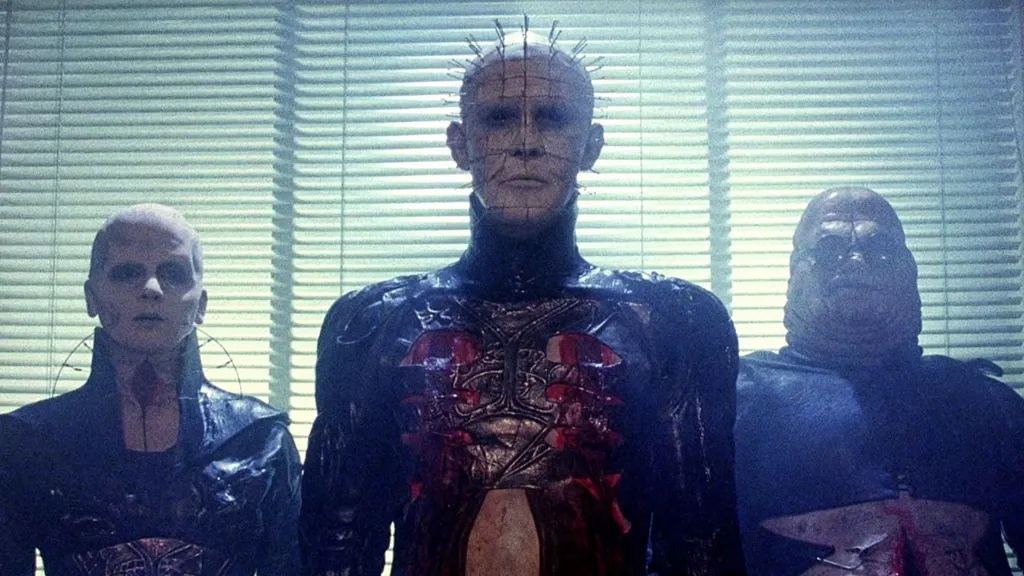
With the first Hellraiser movie, Clive Barker brought his subversive novella to the big screen in a movie that was both shocking and disturbing, and it divided audiences in a polarizing 1980s horror landscape. The movie kept the same storyline in place, with the story opening with a man named Frank Cotton who bought the puzzle box and ended up summoning the Cenobites, who tore him apart. When his brother Larry moved into the house with his wife, Julia, his blood unknowingly brought Frank back to life, albeit in a ghoulish form. Julia then agreed to help bring Frank back through sacrifices.
The entire movie is a bloodbath, and it doesn’t hold back, which is why Barker demanded to direct the film. The themes of pleasure and pain being at the forefront were unlike anything audiences were accustomed to in the 1980s, and the sadomasochism was a hot-button topic after the film’s release, which is what led to its polarizing reception and the knee-jerk reaction by some groups who didn’t appreciate the subversive nature of Barker’s works.
In fact, Barker had to make several cuts to the film to get it approved as an R rating after the MPAA gave it an X rating at the start. Barker said the censors wanted sensual scenes replaced, but had less concern about the overall violence, which ironically ties into the themes of pleasure and pain intertwining. The movie needed even more cuts to get into other markets, as Barker’s themes and visual flair were considered obscene in many areas. Today, most of those scenes are still shocking, but are more widely accepted in the horror genre.
Years after the movie’s release, it gained more appreciation. Hellraiser was a cult favorite from the moment of its release, but when it came to mainstream audiences and critics, it took years before people understood how brilliant the story was and how pushing the boundaries at the time would create something that changed horror. That said, Hellraiser was a financial success from the start thanks to Barker making it for a low $1 million budget, and the film making $14.6 million at the box office. It also introduced the world to Doug Bradley, who remains synonymous with Pinhead to this day.
Hellraiser Launched a Long, Uneven Franchise
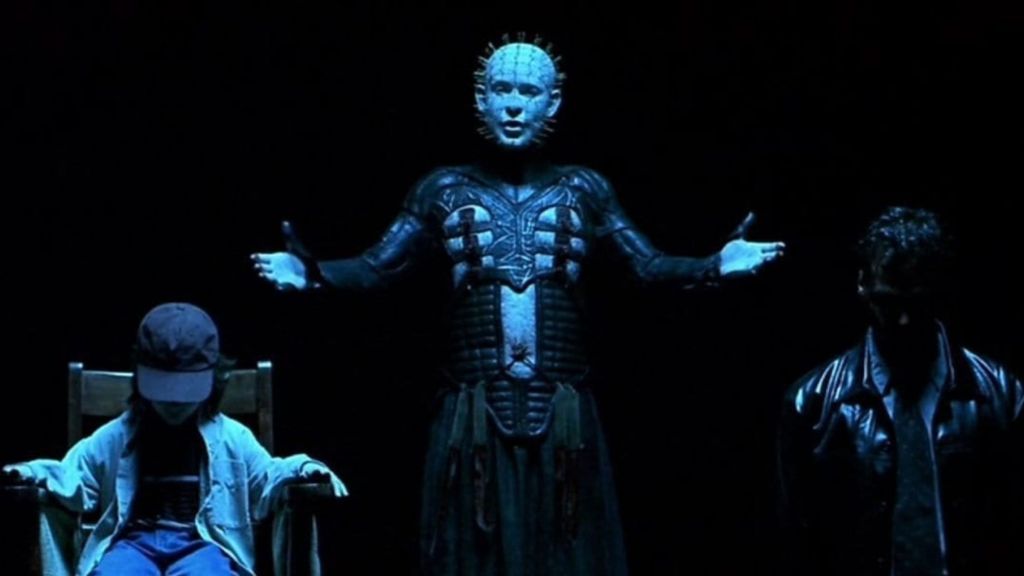
The first Hellraiser movie is a horror movie masterpiece. It was a nice self-contained story that never even needed a sequel. However, the first sequel it received, Hellbound: Hellraiser II, was actually quite good. This movie saw the final girl from the first film, Kirsty Cotton (Ashley Laurence), now in a mental hospital thanks to the events she witnessed and her interactions with Pinhead and his Cenobites. Her psychiatrist then sought to find a way to open the puzzle box for his own selfish reasons, and it was a very solid follow-up movie. What happened next almost destroyed the reputation of the entire Hellraiser franchise.
While Hellraiser III: Hell on Earth took the franchise in an interesting direction with Pinhead trying to return, and it did feature some grotesque kills, the movies after that wildly dropped in quality, and even as they moved on to direct-to-video (DTV) releases, they received terrible reviews from critics and audiences and soon had almost nothing to do with Clive Barker’s original vision. In all, there were 10 Hellraiser movies released from 1987 to 2018, and only hardcore fans even bothered with anything after Hellraiser: Inferno (which at least had Scott Derrickson as a director).
In 2022, Hulu rebooted the franchise with Hellraiser and a new Pinhead, in hopes it could find the same lightning in a bottle it did with its Predator reboot, Prey. While it did finish with a 68% Rotten Tomatoes score and a 57% audience rating, both higher than the DTV releases, it wasn’t enough to revive the franchise. It was 39 years ago that Clive Barker shocked the world with Hellraiser, and while that movie remains a masterpiece, it might be the only film in the franchise fans really need to see.
More Movies
-

Image Courtesy of 20th Century Fox -

Image Courtesy of Marvel -

Image Courtesy of Marvel -

Image Courtesy of Marvel