Elphaba’s rebellion in Wicked has a lot to do with the Animals being oppressed, and losing their ability to speak is a part of that — but viewers may be left wondering why it happens. Wicked and Wicked: For Good never outright explain the why the Animals lose their speech, despite it being a prominent part of Doctor Dillamond’s and Chistery’s narratives. Indeed, seeing Doctor Dillamond going from lecturing to making “baa” sounds is one of the most harrowing moments from Wicked. However, viewers aren’t made privy to the mechanics behind it.
Videos by ComicBook.com
This leaves many wondering if the Animals are being silenced by a spell. And given Madame Morrible’s intentions, it’s certainly a fair guess. However, the Animals’ circumstances are more complicated than that. The ambiguity serves a purpose, forcing viewers to read into their loss. It’s clear that this element of Wicked is meant to convey a deeper meaning, sending a powerful message about those who are victims of othering and oppression. Warning: SPOILERS ahead for Wicked and Wicked: For Good.
Animals Losing Speech Stems From Madame Morrible & the Wizard’s Plans – but Is It a Spell?
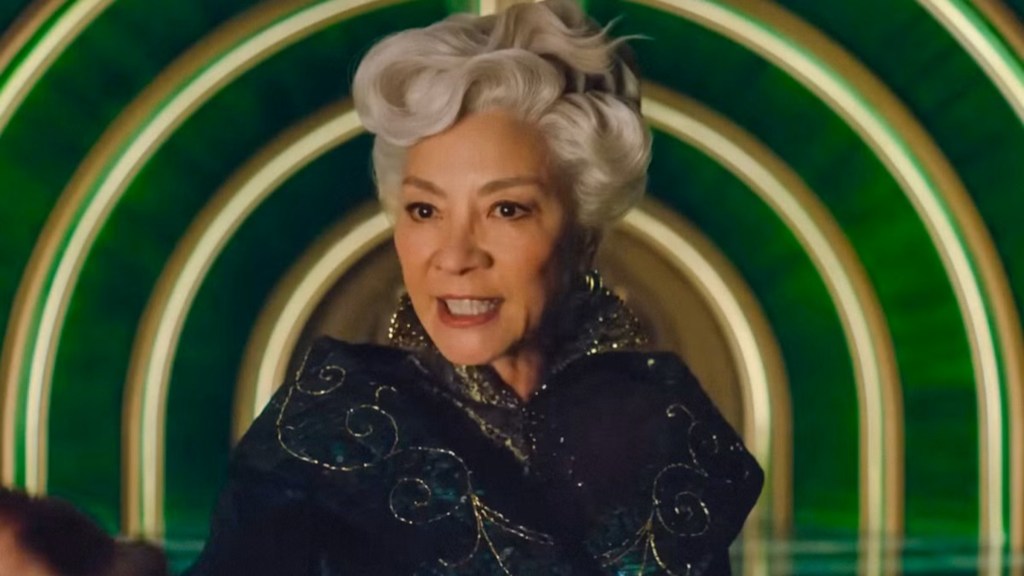
The Animals losing their ability to speak stems directly from the Wizard and Madame Morrible’s plan to suppress their freedom and scapegoat them. However, it’s unclear if magic is being used to make it happen. The scene where Doctor Dillamond loses his speech makes it look this way. And it’s not outlandish to suggest that Madame Morrible would use her magic so cruelly. After all, she and the Wizard have Elphaba use the Grimmerie to alter the bodies Chistery and the other flying monkeys. If they could physically silence the animals with magic, they undoubtedly would.

Whether it’s possible without Elphaba and the Grimmerie is the real question, though — and it’s the reason blaming the Animals’ silence on a spell from Madame Morrible is dubious. However, at the end of the day, it doesn’t really matter if there’s magic behind the Animals’ struggle or not. The deeper meaning of this Wicked development is more important, and it stems from Madame Morrible and the Wizard’s actions still.
The Deeper Meaning Behind the Animals Losing the Ability to Speak in Wicked
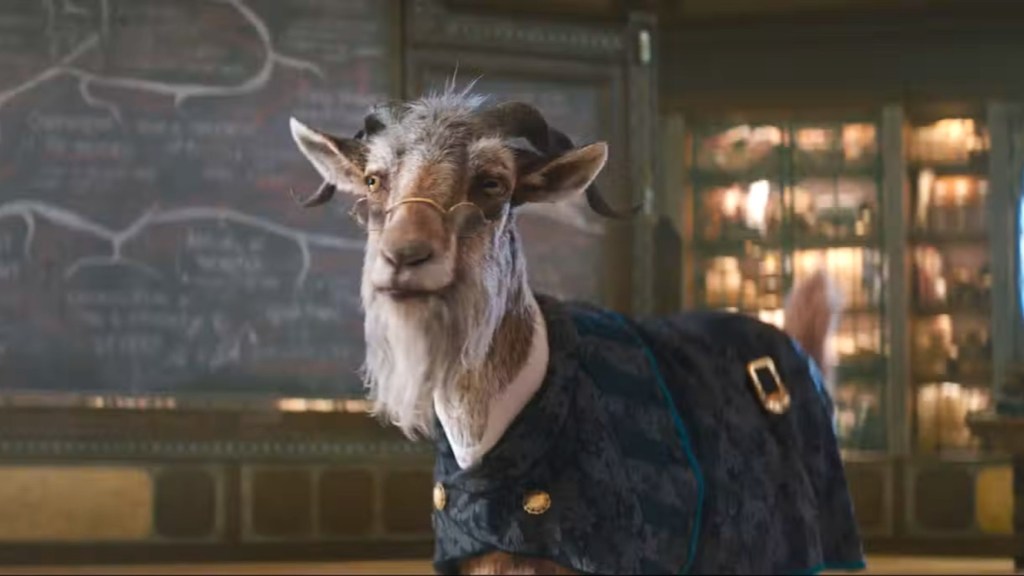
Whether or not there’s magic involved, the Animals are being silenced by the people who want to control them — and that’s the point Wicked is trying to get across. The Animals losing their speech serves as a physical depiction of how suppression is used. The Animals increasingly lose their voices, and thus, the ability to defend themselves. This makes it easier for Oz’s leaders to gain and maintain power over them. It also allows the citizens of Oz to dehumanize and ignore them more easily. Gregory Maguire’s books make it clear that the discrimination, oppression, and resulting trauma is the reason the Animals can’t talk. And this is all present in Wicked‘s musical and movie adaptations, if more subtle.
This becomes a cycle, too, conveying another message: that the way people are treated has the power to transform them. Because the Animals are treated as beings without intelligent thought and speech, they begin to present this way, aligning with how people perceive them. It’s a cycle that’s only broken when they regain their voices — and that only happens when others treat them as though they’re worthy of listening to and treating kindly.
Wicked: For Good’s Ending Reaffirms Why the Animals Lost Their Speech
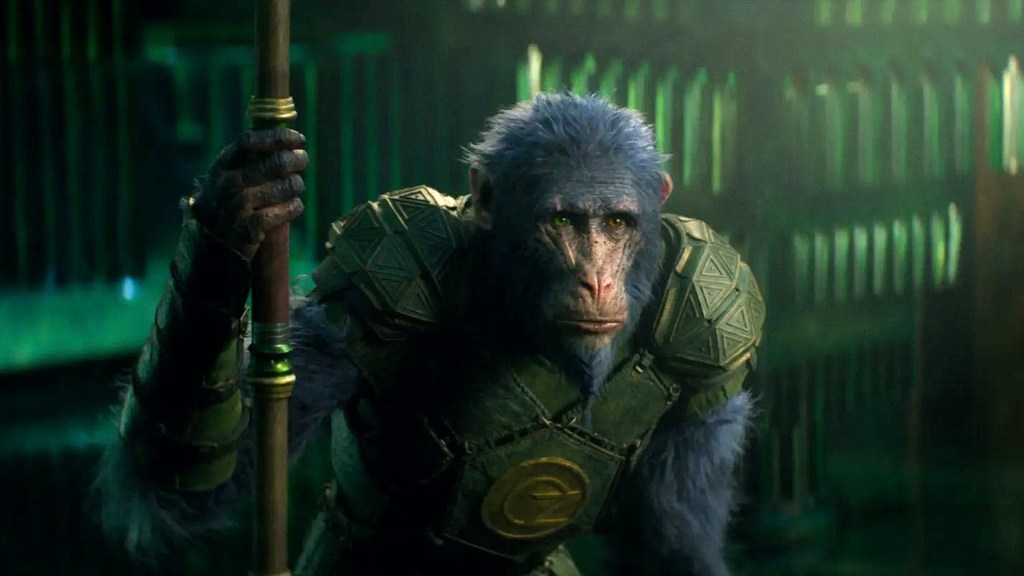
The end of Wicked: For Good reaffirms the idea that the Animals’ loss of speech is the result of their circumstances and treatment, as they gradually regain their ability to talk under Glinda’s more inclusive and welcoming regime. If the Animals had been silenced by a spell, their speech would likely make an instantaneous return once Madame Morrible was removed from power. Instead, Chistery seems to still be finding his voice again at the end of the movie, with encouragement from Elphaba and Glinda making it possible. Doctor Dillamond is also seen returning to the classroom, which leads us to believe he’s back to speaking. It’s a hopeful result after all the Animals go through, and it underscores how systemic silencing can be overcome.
What do you think? Leave a comment and join the conversation now in the ComicBook Forum!
Most Viewed
-
Image Courtesy of Prime Video & Dark Horse Comics -

Image Courtesy of MAPPA