Wicked: For Good turns The Wizard of Oz‘s Dorothy into a villain, and one minor change to the original 1939 film proves it. It’s no surprise that the characters from The Wizard of Oz take on unexpected roles in Wicked and Wicked: For Good. After all, the films reimagine the story — and everything leading up to it — from the Wicked Witch of the West’s perspective. With them portraying Elphaba as a sympathetic and misunderstood figure, we’re forced to look at The Wizard of Oz differently (and wonder what else the original telling “gets wrong”). And by the end of the two-part adaptation, we see multiple familiar characters in different lights. Warning: SPOILERS ahead for Wicked: For Good.
Videos by ComicBook.com
This includes Dorothy, who is kept at a distance throughout Wicked. We never even see the girl’s face, but she’s the one who destroys Elphaba at the end of Wicked: For Good. (Well, that’s what everyone, including Dorothy, believes.) Wicked proves that there are two sides to every story, but Dorothy’s part in this one transforms her into a more villainous figure. It’s probably inevitable, given the movies’ POVs, but one small detail drives it home.
Dorothy Unwittingly Does Madame Morrible’s Bidding in Wicked: For Good
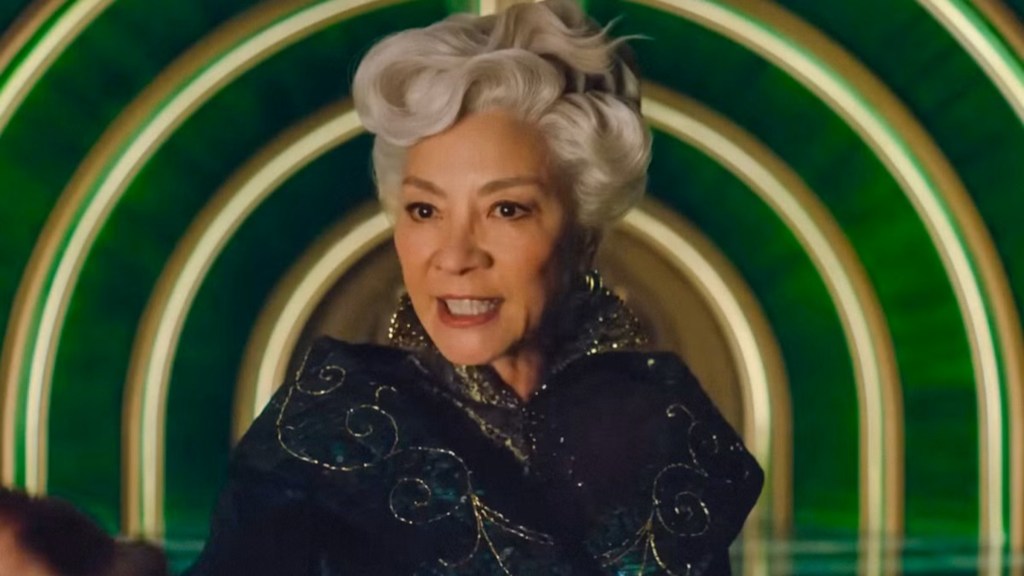
Without getting to know Wicked‘s version of Dorothy, we can’t say much about her intentions throughout the film. However, she’s very clearly set up to be an antagonist in the movies. She plays directly into Madame Morrible’s hand, doing Oz’s bidding whether she knows it or not. It’s possible she’s operating under the same belief as the original Wizard of Oz heroine: that the Wicked Witch is a genuine threat to her. However, as we follow the story from Elphaba’s and Glinda’s perspectives, we know this isn’t the full truth of the situation. This makes us root for them over Dorothy, putting the latter more firmly in the antagonist category.
And Wicked: For Good clearly wants us to question Dorothy’s goodness. Indeed, it’s difficult to watch Elphaba’s “defeat” without doing so. Dorothy isn’t trapped and desperate when she dumps a bucket of water on the Wicked Witch. She actively chases her, then celebrates “killing” her immediately after. For an naive young girl, it’s a sinister response to taking a life, regardless of who it belongs to. It reframes the classic movie scene, making us side-eye Dorothy in the process.
This Toto Detail Confirms That Dorothy Is One of Wicked’s Bad Guys
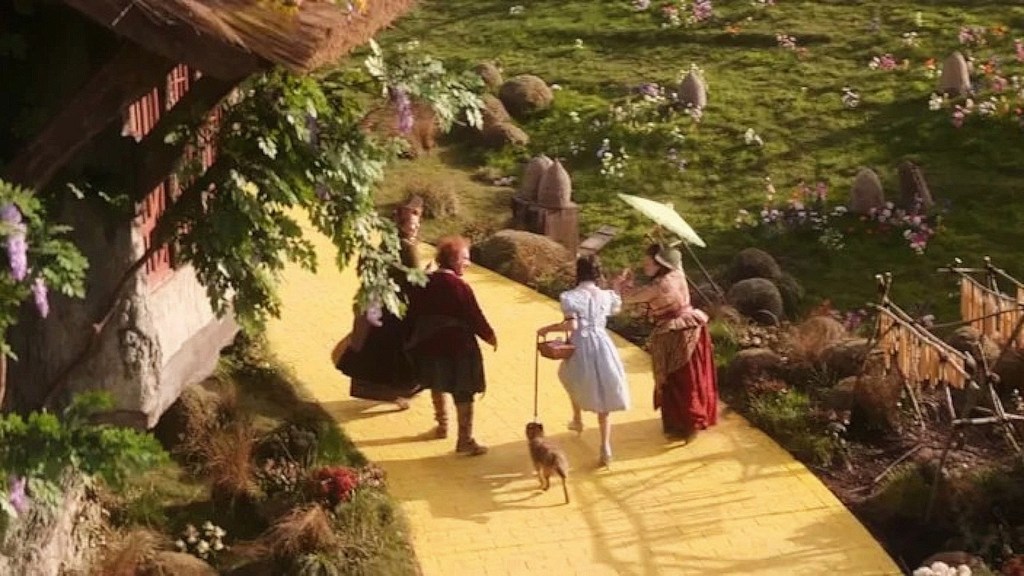
Perhaps the biggest confirmation that Dorothy is a villain in Wicked: For Good is the fact that she has Toto on a leash — a detail that’s only true in the 2025 film. Toto spends most of The Wizard of Oz in a basket or trailing alongside the characters, but he’s never confined in this way. And although it’s tempting to overlook this detail, it’s a bigger deal than it seems. After all, Wicked‘s entire story revolves around the control and oppression of Animals. It’s the reason Elphaba strikes out agains the Wizard and Oz in the first place, more so than the Wizard’s lies.
It’s telling that Dorothy exerts this control over Toto in a story where she’s made to be the villain. This detail aligns her more firmly with the Wizard and Madame Morrible. It also contrasts Elphaba’s treatment of the Animals, highlighting just how at odds their values are.
Dorothy’s Actions in Wicked: For Good Are Difficult to Justify
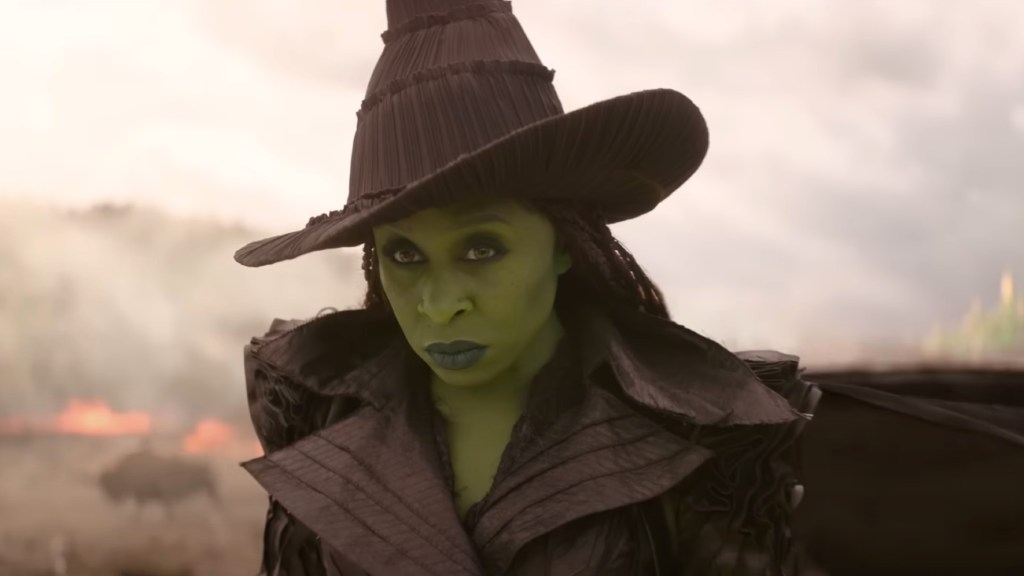
The details of Dorothy’s role in Wicked: For Good set her up as a villain, but there’s another element of the film that makes it hard to justify her actions. If we’re being honest, Elphaba never does anything as evil as her reputation in Oz suggests. The backlash to her is clearly the result of propaganda, and Dorothy falling for it doesn’t endear us to her character. The fact that she’s a newcomer and never questions what she’s told makes it hard to get behind her.
Unlike the the Tin Man, she has no personal resentment toward Elphaba — it’s the other way around, since she takes Nessarose’s shoes — leaving us to wonder why she’s so committed to taking down the Wicked Witch. It only makes Dorothy seem more callous, cementing her role. Had Elphaba confronted or threatened Dorothy on-screen before their final encounter, Dorothy might have come out looking a little better. Instead, she’s a victim of propaganda, and we’re given few reasons to feel sorry for her.
What do you think? Leave a comment and join the conversation now in the ComicBook Forum!
Most Viewed
-

Image courtesy of Daybreak Game Company -

Image courtesy of Wizards of the Coast -

Courtesy of Netflix