Hollywood has been rocked for the past few months about a potential sale of Warner Bros. Discovery to an even bigger fish, with Netflix, Paramount-Skydance, and Comcast all seemingly trying to put one of the biggest media companies in their portfolio. Though at one point it seemed like the Ellisons at Paramount might be the winners, Netflix appears to have come out victorious, putting out a press release last week that confirmed they’ve entered final talks with WBD for a merger. There’s still a lot left to happen for this to finish, though, but steps are being taken for big pieces of Warner Bros. to fall under the Netflix umbrella.
Videos by ComicBook.com
Naturally, Netflix’s buying Warner Bros. has shaken fans and creatives about the future of movies and TV. The consolidation of major media companies under one roof has proven to be devastating for the number of jobs, not only in production but elsewhere across the corporations. Netflix has alluded to not making sweeping layoffs should the deal close, though, in part because Warner Bros. would come equipped with people in positions that they simply don’t have on their end. It also comes with a library of movies, tv, and franchises that Netflix has no access to on its own. All these entries come with the asterisk of assuming that the deal between the two companies will go through, so even if a caveat isn’t explicitly present, assume it’s there.

12) DCU
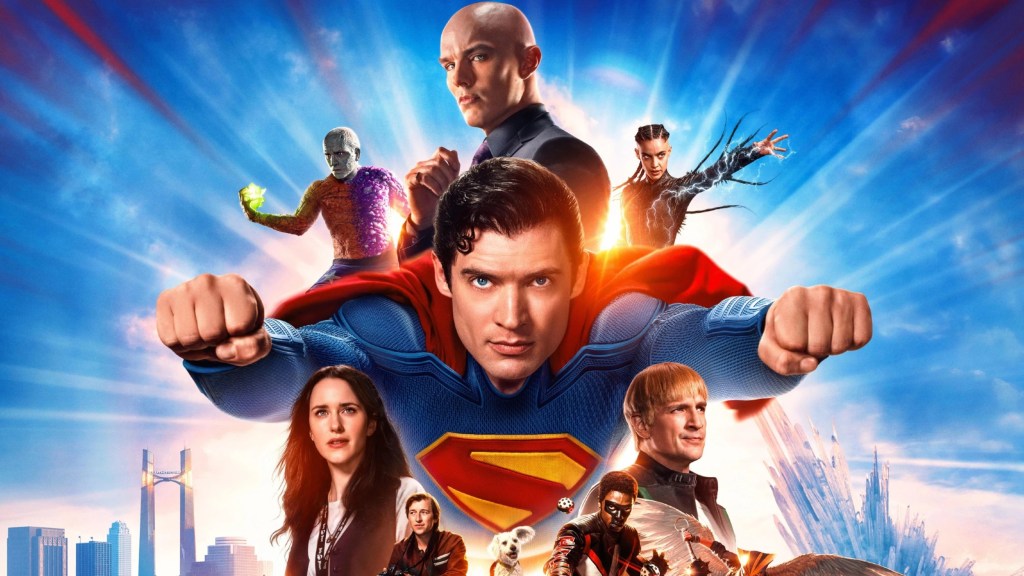
The DCU, under the leadership of DC Studios co-presidents James Gunn and Peter Safran, has had a banner year, launching its first feature film and fully committing to its future on both the big and small screen. Netflix has indicated that they have no plans to change WB’s theatrical output, and they would frankly be foolish not to let Gunn and his collaborators continue to cook, since audiences have already proven they’re eager for more.
One potential difference that could occur with a Netflix-owned DC Studios is a diversification of distribution. So far, all the DCU TV shows, Creature Commandos, Peacemaker, and the upcoming Lanterns have all been tied to HBO Max. It’s a synergy strategy for WB to this point, aligning all their DC content in one place for fans in the same way Marvel Studios has a corner of Disney+. It’s speculation on our part, but Netflix may want some of its own DC stories on its platform, maybe animated shows out of the larger DCU continuity. This way, they can preserve the DCU as one experience while also getting some extra value out of DC on their own streaming service.
11) Harry Potter
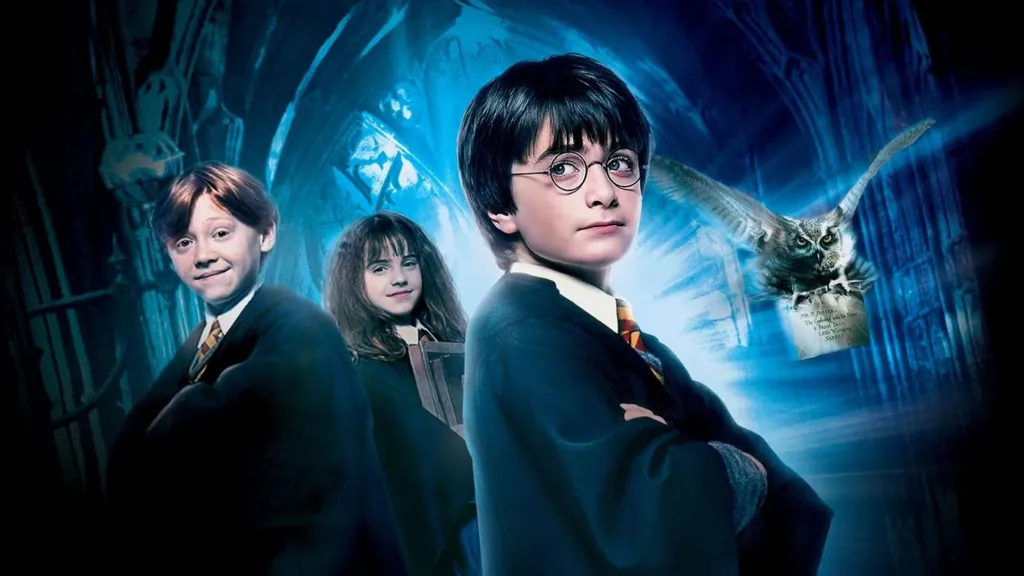
HBO is already working on a television reboot of the property, with filming well underway on the first Season of Harry Potter, which could grow to be a decade-long TV experience. Considering the Netflix-WB deal wouldn’t be completed until 2026 at the very earliest, it’s possible that they will leave the series alone and allow it to continue when they take ownership. Rebooting the series right after a reboot started is a great way to eliminate fan interest, as much as executives want to maintain control of their own ideas.
Netflix would almost certainly want to explore Harry Potter in a larger sense, not exactly in the same way that the Fantastic Beasts movies spun out of the feature films but spinoffs in that vein seem like a no-brainer. One major element that works to their advantage is the international production banners that Netflix has, which could explore corners of the Wizarding World never seen on screen or in books.
10) The Conjuring
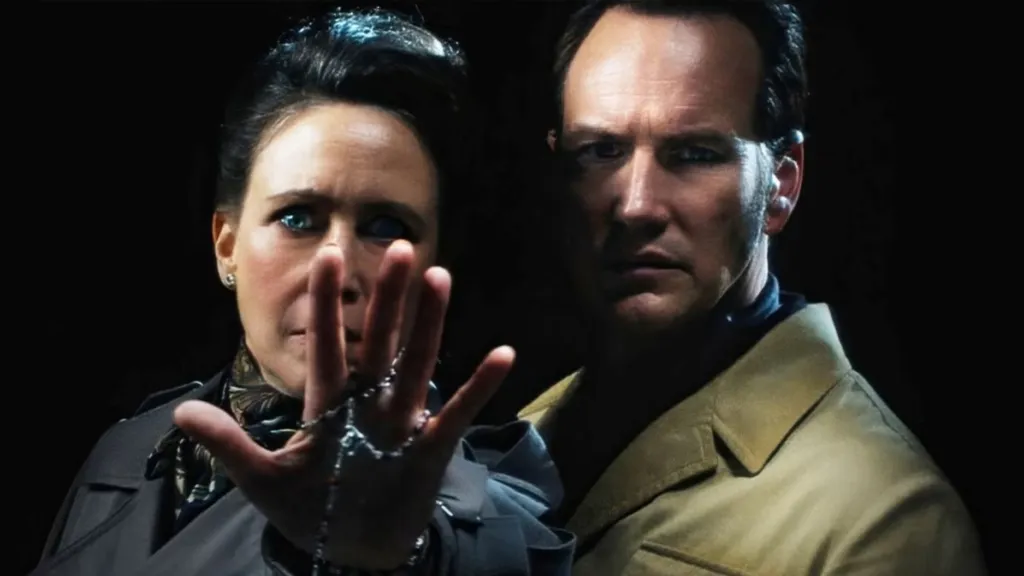
If there is one big thing that Netflix doesn’t have, it’s a consistent horror movie franchise. They may have released the Fear Street movies, but the one film that was a Netflix production through and through was poorly received and likely killed much interest. With The Conjuring, Netflix inherits a franchise that is robust and beloved, one that doesn’t even require the return of stars Vera Farmiga and Patrick Wilson as horror icons like The Nun and Annabelle have proven to be audience draws in their own right. Netflix would no doubt consider an exploration of the larger world of The Conjuring, easily thinking about a spinoff movie for every haunted entity that the Warrens have encountered across the films.
9) Middle-earth
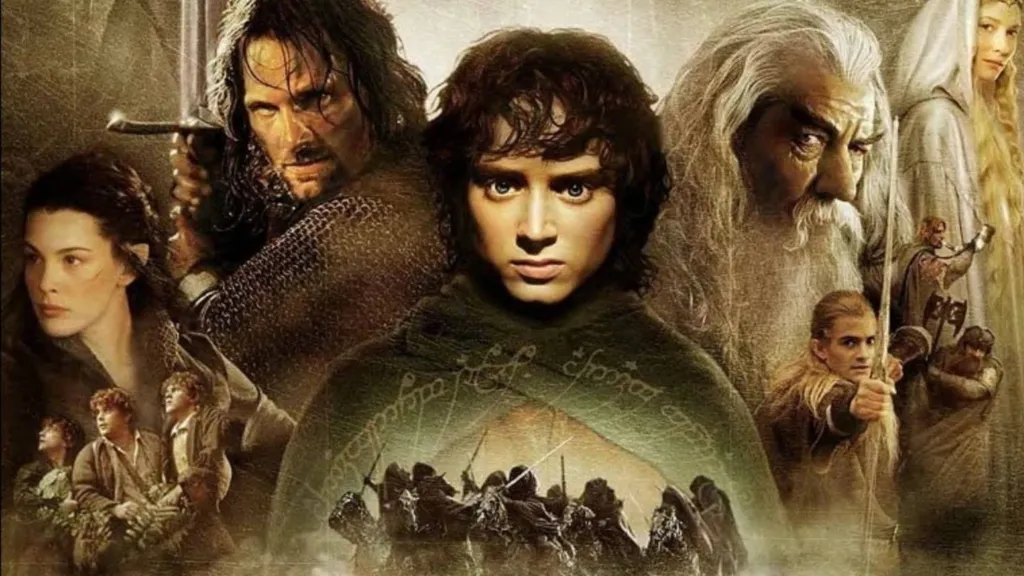
Warner Bros. has already begun work on expanding The Lord of the Rings film franchise with plans for two more feature films, the first, The Lord of the Rings: The Hunt for Gollum, is scheduled to be released on December 17, 2027, meaning it won’t debut until the Netflix-WB deal has seemingly concluded. There’s been work on another movie as well, but no official movement on it (or what its plot would even be) just yet.
The Lord of the Rings is a little confusing here, as WB and its subsidiary New Line Cinema own the film rights to the trilogy of books and The Hobbit, while Prime Video has the television rights, allowing them to make The Rings of Power TV series at the same time. The future of The Lord of the Rings as a film series under Netflix’s purview would no doubt depend on the success of The Hunt for Gollum, but we’re also talking about a billion-dollar franchise that routinely nabs Oscar wins, so they couldn’t ignore the potential of it.
8) Looney Tunes
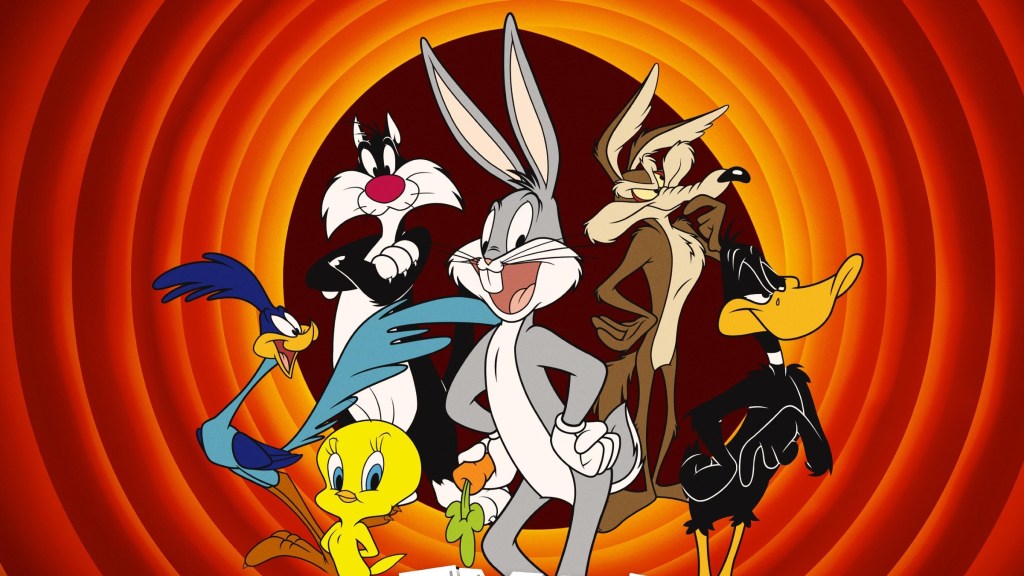
One of the biggest franchises that the modern iteration of Warner Bros. has basically completely abandoned. There’s sadly almost no reason to think that Netflix owning the Looney Tunes wouldn’t lead to the same thing happening, though, as the streamer previously had the chance to save the feature film Coyote vs. Acme and decided against it. Netflix has also spent the entirety of their time as a studio making it clear that new takes on old material is exactly how they want to operate, so despite decades of Looney Tunes potentially having a home on the streamer, it’s hard to imagine them seeing that value.
7) Lots of Stephen King
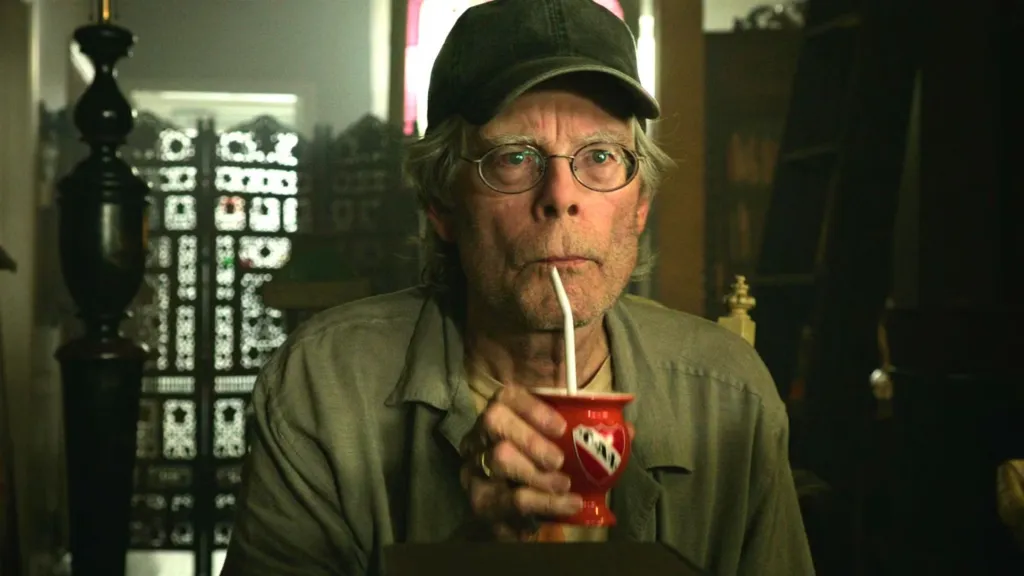
The rights to Stephen King’s different novels, short stories, and ideas are scattered across Hollywood, but Warner Bros. owns some of the very best, which Netflix would inherit. Included in the WB library currently are the rights to The Shining and its sequel, Doctor Sleep, plus IT. Given the success of IT: Welcome to Derry, Netflix shouldn’t get in the way of the trajectory that franchise currently has, but it’s not out of the realm of possibility that they either see value in remaking The Shining itself or working on spinoffs from that story. Prequels about the Overlook Hotel have been in and out of development over the years, and they could come back for sure. At the very least, these movies would bolster Netflix’s Stephen King library, which is currently propped up by their adaptation of Gerald’s Game, and brought down by the likes of 1922, Mr. Harrigan’s Phone, and In the Tall Grass.
6) Beetlejuice
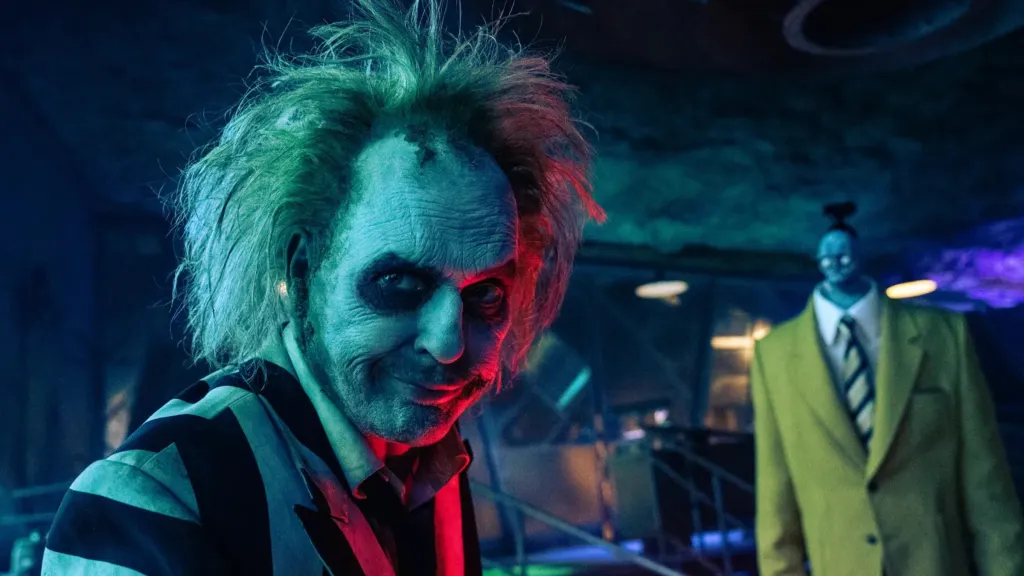
After the success of 2024’s long-awaited sequel, Beetlejuice is a more valuable property than it has ever been. Though Warner Bros. no doubt wants a third movie sooner rather than later, it’s not impossible to imagine this (or some other kind of expansion of the property) happening under Netflix. They are, after all, already quite cozy with Tim Burton after the success of Wednesday, and Winona Ryder after Stranger Things. Expect the ghost with the most to expand under Netflix’s ownership, whether that means the character himself or something else related to the series, though, is still years out.
5) Final Destination
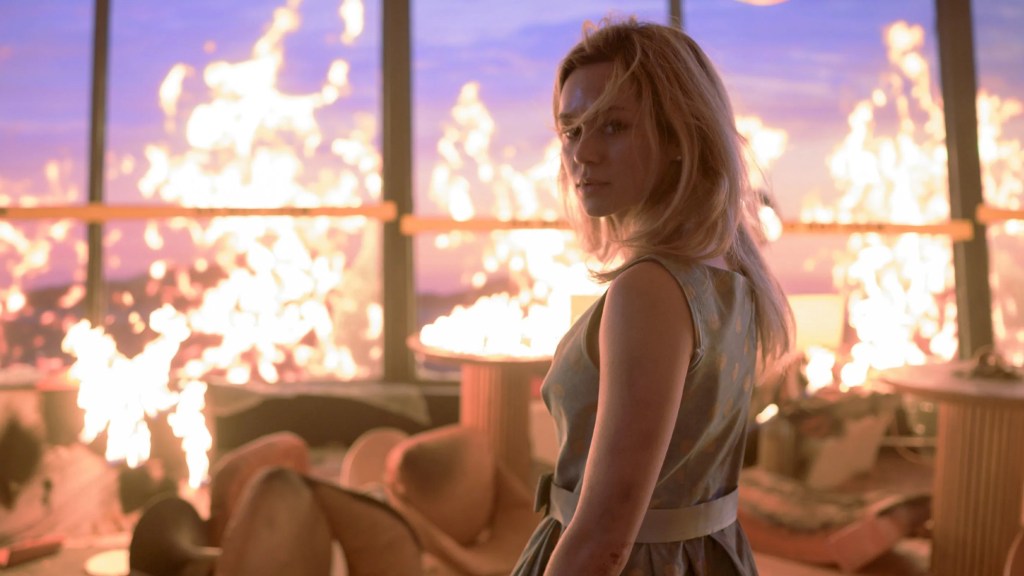
Again, Netflix does not have a premiere horror movie franchise, and the successful genre titles that they do have under their umbrella have been totally unable to keep up with the greater demands of consistency that horror franchises need to survive. The success of this past summer’s Final Destination Bloodlines totally revitalized this series, and with plans underway for a seventh film in the series, Netflix can easily make this a cornerstone of their future film development.
4) Scooby-Doo
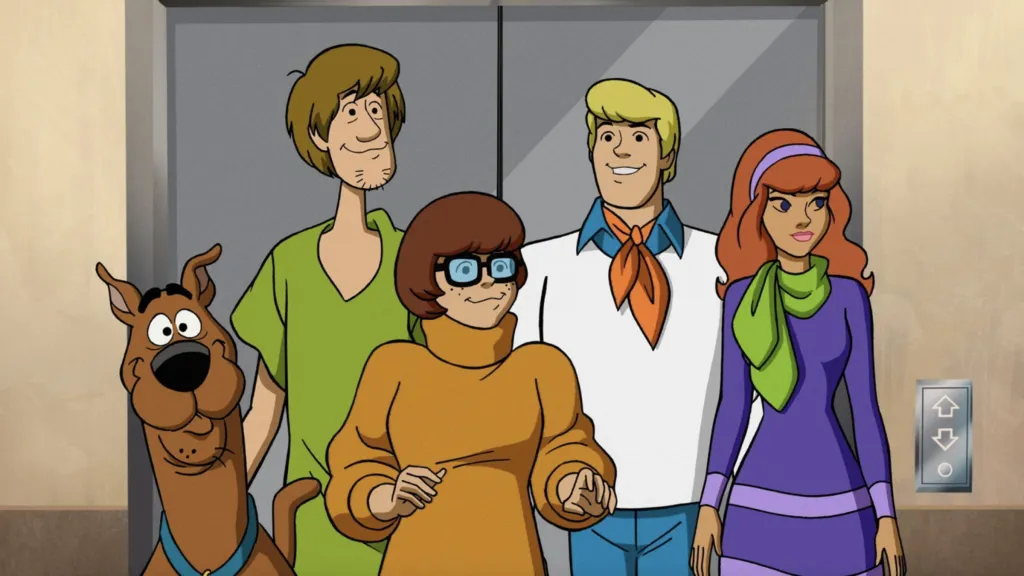
Unlike the Looney Tunes, it’s already clear that Netflix sees a value in Scooby Doo as a franchise, as last year it was confirmed they were developing a live-action TV series from Berlanti Productions for the streaming platform. That project predates this new series, obviously, but if it proves to be successful, expect Netflix to go full speed ahead on new seasons and maybe even more ideas from Scooby Doo as a whole. It remains difficult to imagine the streamer collecting every animated version of the franchise in one place, though, but we’d love to be wrong here.
3) Game of Thrones
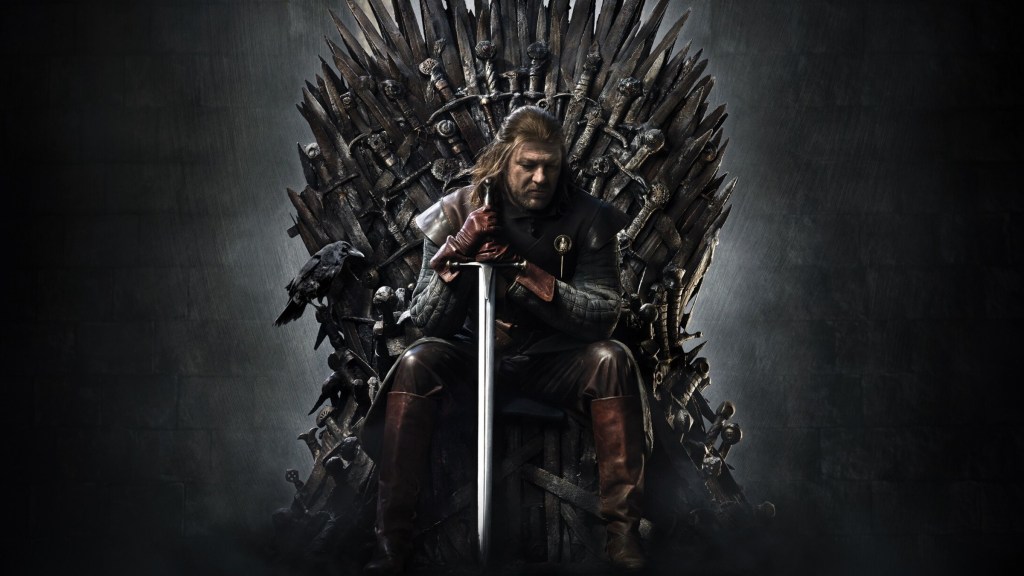
If there’s one franchise that doesn’t need Netflix’s help under the Warner Bros. umbrella right now, it’s Game of Thrones. Since the eight-season series wrapped at HBO, the premium cable network has managed to take its time making sure further expansions got things right. So far, they’ve managed that well with House of the Dragon, which has just been confirmed to run through at least a Season 4 in 2028. In addition, A Knight of the Seven Kingdoms premieres in January with plans already underway for more. About the only change that seems logical for Netflix to make with Game of Thrones is availability, maybe making it available on Netflix in addition to HBO.
2) Supernatural
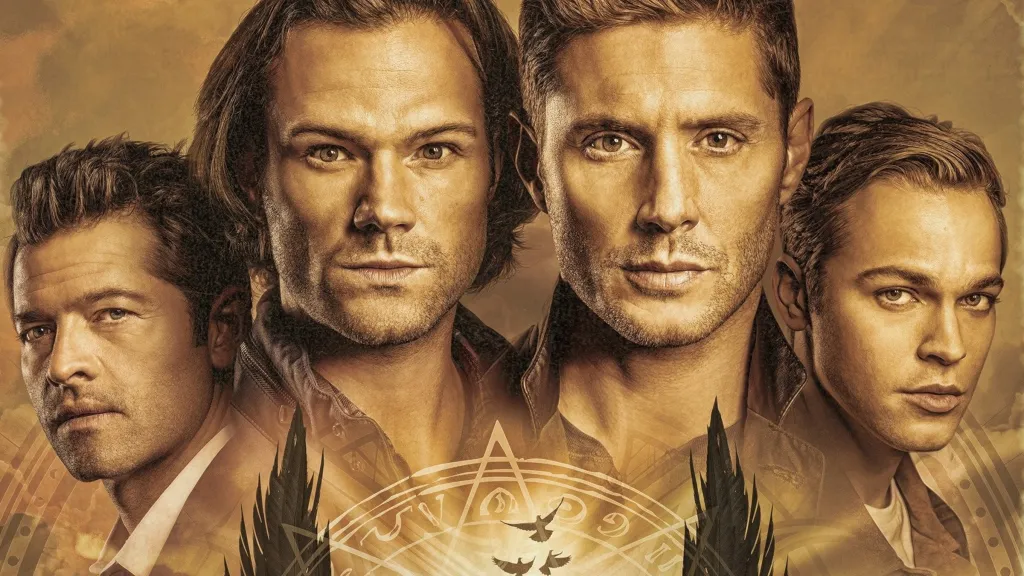
On the flipside, one place that WB could maybe use some help is expanding Supernatural. The fifteen-season success story out of The CW has had multiple attempts at spinoffs, with the one-season prequel The Winchesters the only one to really make it off the ground (an anime series was produced in 2010 as well that was mostly a retread of the show itself). Considering the flagship Supernatural has been a mainstay on Netflix for years, it seems like a series that could be served well by them.
1) The Wizard of Oz
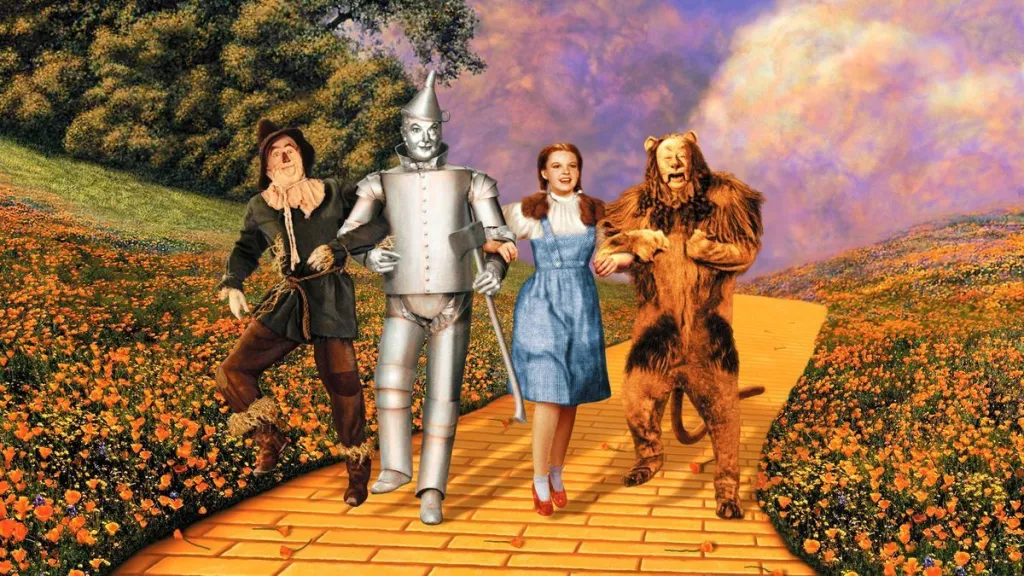
This one is tricky, but easily worth consideration. Though The Wizard of Oz (1939) was quite famously an MGM production, Warner Bros. owns the rights to the movie (along with every other MGM movie from before May of 1986) which means they own the copyright on key elements of hte story that other Oz adaptations cannot use, including: the Ruby Slippers, the designs for the Scarecrow, Tin Man, Lion, etc, and even the songs themselves. Fans saw how the Wicked movies danced around not having these rights, so the fact that they’re owned by WB hasn’t stopped anyone from playing with the fully public domain Wizard of Oz book. That said, Netflix owning the original Wizard of Oz seems like something that will be too tantalizing for them to leave alone, be it sequels, spinoffs, animated remakes, or anything in between.
Most Viewed
-

Image courtesy of Netflix -

Image Courtesy of Devolver Digital -

Image Courtesy of Netflix -
Image Courtesy of Netflix