Narnia is a world brimming with wonder. It’s a place where the boundaries between reality and fantasy dissolve, promising grand adventures and epic battles between good and evil. The very idea of stepping through a wardrobe into such a vibrant and otherworldly land is enchanting, and it’s easy to see why readers have been captivated for generations.
Videos by ComicBook.com
Narnia’s beauty often mask how fragmented and inconsistent its narrative structure is. The world-building feels scattered, with major events and rules introduced only when convenient to the plot, rather than as organic parts of a cohesive universe. Why do certain things happen the way they do? Why are some elements central to the story while others are completely abandoned? These questions linger unanswered.
7. The Time Dilation Between Narnia and Earth

One of the most perplexing aspects of Narnia is the wildly inconsistent passage of time between the two worlds. In The Lion, the Witch, and the Wardrobe, the Pevensies spend what seems like a lifetime in Narnia, growing into adulthood, only to return to Earth and find no time has passed at all. Yet in Prince Caspian, only a year has gone by for the Pevensies, while centuries have passed in Narnia. There’s no clear logic or pattern to how time flows, and C.S. Lewis never bothers to explain it. Is it random? Controlled by Aslan? Or some mystical property of Narnia itself? The lack of an answer makes it feel more like a plot device than a meaningful world-building element.
This inconsistency can be frustrating for readers who expect fantasy worlds to have an internal logic, even if it’s magical. It raises all sorts of questions: did Aslan intentionally manipulate time to ensure the Pevensies returned when they were needed? Why does time sometimes zip forward and other times crawl? Without any explanation, the time dilation feels less like a mystery and more like a convenient workaround for storytelling purposes. Over 70 years later, fans are still left scratching their heads.
6. The Problem of Narnian Morality
Narnia’s moral framework is deeply tied to Christian allegory, but it doesn’t always hold up under scrutiny. For example, consider the fate of Susan Pevensie, who is effectively excluded from Narnia in “The Last Battle” for embracing worldly pleasures like makeup and parties. While the books suggest she has “grown out” of believing in Narnia, her exclusion often feels like a punishment for maturing in ways that are completely normal for a young woman. It sends a troubling message: is there no room in Narnia for personal growth that doesn’t fit a puritanical ideal?
Moreover, many of Aslan’s moral decisions seem arbitrary. The treatment of characters like Edmund, who is forgiven for his betrayal, versus Susan, who is essentially shunned, feels inconsistent. And then there’s the fate of the Calormenes, who are often portrayed as villains simply because they don’t worship Aslan. While the series is a beloved classic, its moral structure raises questions about fairness, forgiveness, and the limits of redemption in Narnia.
5. The Questionable Role of Aslan
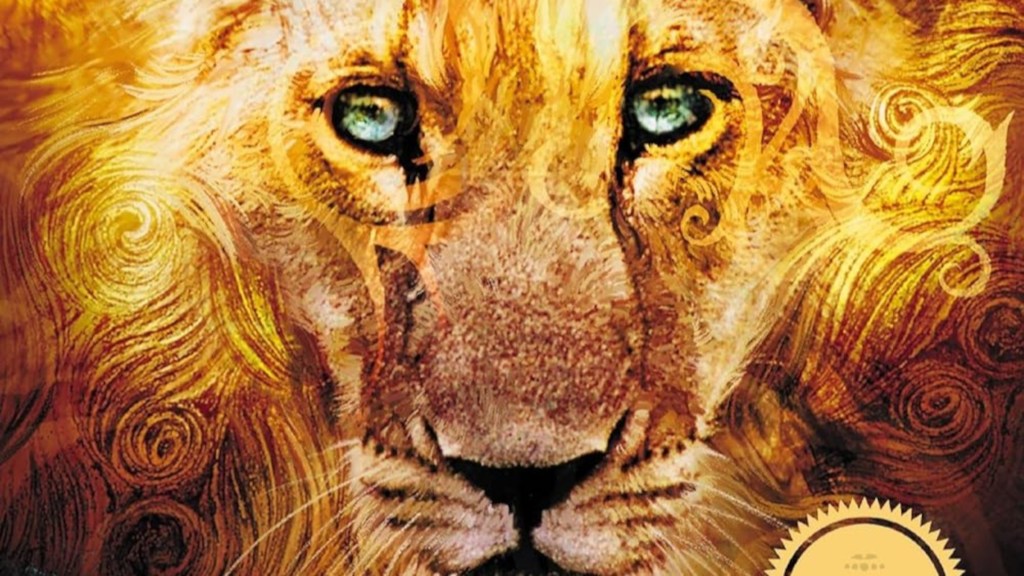
Aslan is portrayed as a benevolent, Christ-like figure, but his actions don’t always align with that image. For instance, in The Lion, the Witch, and the Wardrobe, his sacrifice to save Edmund is a powerful moment, but it’s undercut by the fact that Aslan seems to know he’ll resurrect anyway. Is it truly a selfless act if the outcome is already guaranteed? Furthermore, Aslan frequently disappears when Narnia needs him most, leaving its inhabitants to fend for themselves during long stretches of hardship. His “help when needed” approach often feels more like neglect.
There’s also the issue of how Aslan enforces his authority. He’s supposed to represent divine justice, but he often acts in ways that are authoritarian and unquestionable. For example, he commands obedience without ever explaining his reasoning, and those who oppose him are almost always cast as evil. While Aslan is undoubtedly a compelling figure, his role as Narnia’s ultimate authority raises uncomfortable questions about free will and whether his subjects truly have any.
4. The Treatment of Non-Human Creatures
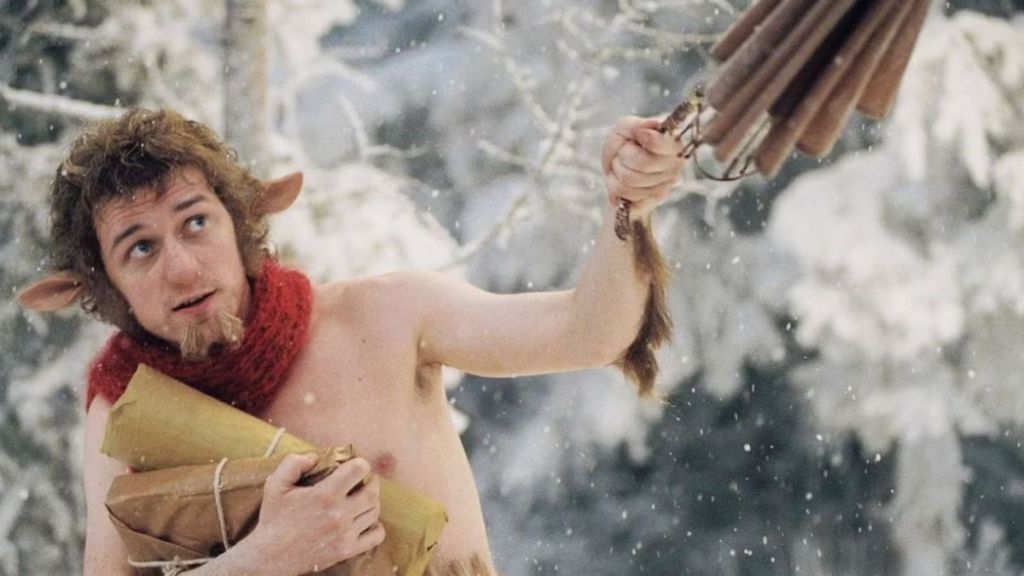
Narnia is filled with talking animals and mythical beings, but their place in the hierarchy of Narnian society is inconsistent at best. While some animals, like Reepicheep the mouse, are treated as noble heroes, others are relegated to background roles or even used as food. Why do some animals get the gift of speech and others don’t? And why are certain creatures, like wolves, automatically aligned with evil? The books never provide a satisfactory explanation for this divide, which seems arbitrary and unfair.
This inconsistency becomes even more troubling when considering the treatment of mythical creatures like the dwarfs. In “The Last Battle,” the dwarfs are portrayed as selfish and untrusting, refusing to believe in Aslan even when faced with evidence of his power. While this is meant to illustrate the dangers of cynicism, it also reinforces a troubling dichotomy between “good” and “bad” races in Narnia. For a series that’s often praised for its imaginative world-building, the lack of nuance in how non-human creatures are treated feels like a missed opportunity.
3. The Lack of Agency for Female Characters
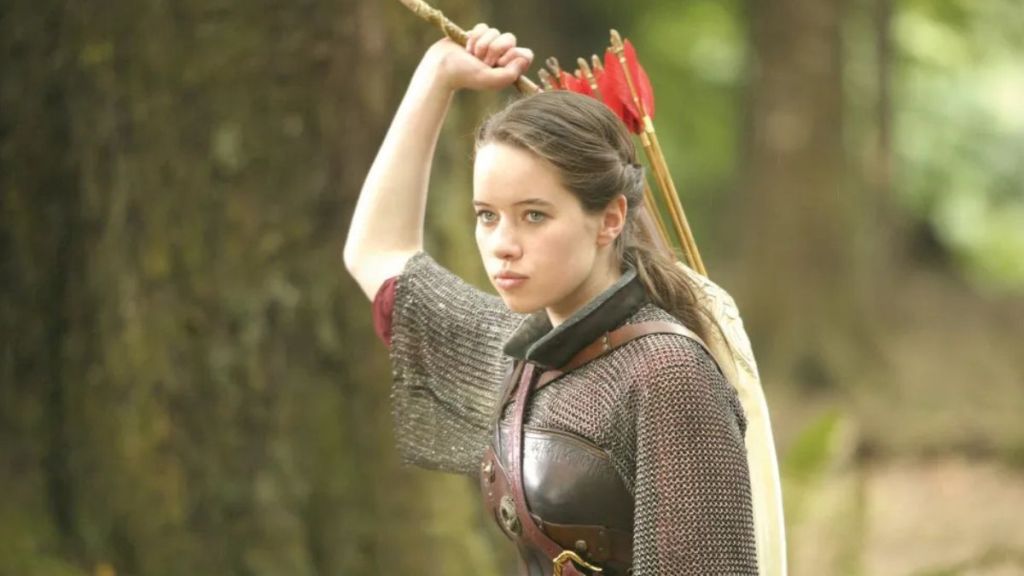
While Lucy and Susan have their moments of bravery, the female characters in Narnia often lack the same level of agency as their male counterparts. Lucy, for instance, is consistently portrayed as the most faithful and pure-hearted of the Pevensies, but she rarely gets to make significant decisions that drive the plot. Susan, on the other hand, is sidelined as the series progresses, culminating in her exclusion from Narnia altogether. Even characters like Jill Pole in “The Silver Chair” are largely reactive rather than proactive.
This disparity becomes even more glaring when compared to the male characters, who are often portrayed as natural leaders and decision-makers. Peter becomes the High King, Edmund redeems himself through actions, and even Eustace has a clear arc of growth and redemption. The female characters, by contrast, are often defined by their relationships to others rather than their own choices. For a series that has inspired generations of readers, its treatment of women feels outdated and disappointing.
2. The Arbitrary Rules of Magic
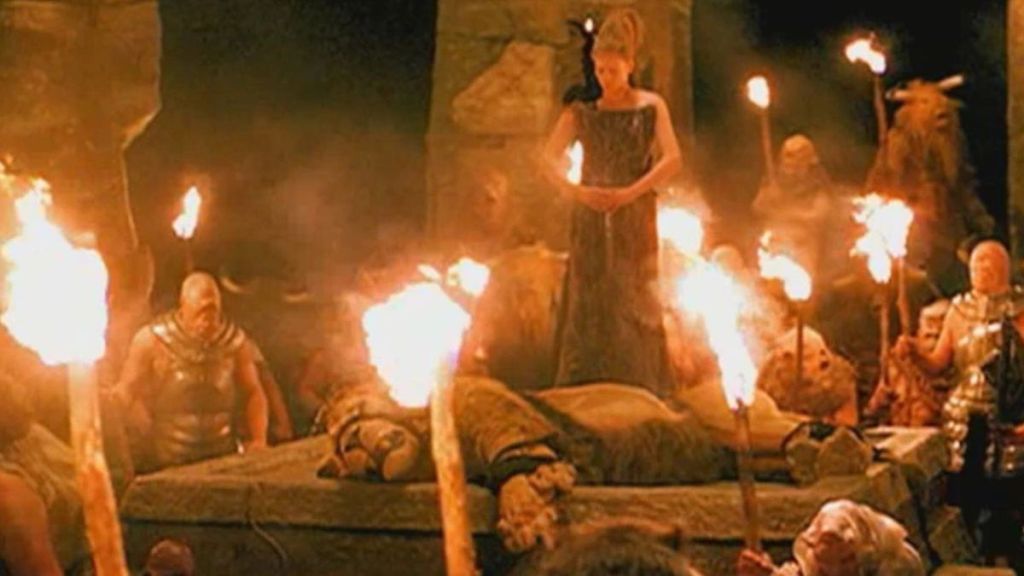
Narnia is a world steeped in magic, but its rules often feel vague and inconsistent. For example, the Deep Magic and Deeper Magic referenced in The Lion, the Witch, and the Wardrobe are never fully explained. Why does the Deep Magic demand Edmund’s life as payment for his betrayal? And why does the Deeper Magic allow Aslan to come back to life? These concepts are introduced as major plot points, but they’re never given enough context to feel fully fleshed out.
This lack of clarity extends to other magical elements in the series. The rings in “The Magician’s Nephew” allow travel between worlds, but their origins and mechanics are barely explored. Similarly, the wardrobe itself is a magical portal, yet its connection to the rest of Narnia’s magic remains unclear. While some readers might enjoy the sense of mystery, others find the lack of cohesive magical rules frustrating, especially when they’re used to resolve major conflicts.
1. The Problematic Depiction of Race and Culture

Perhaps the most controversial aspect of Narnia is its depiction of race and culture, particularly in its portrayal of the Calormenes. These characters, who hail from a desert kingdom, are often depicted as greedy, deceitful, and morally inferior to the white, European-coded Narnians. Their culture is described in ways that evoke Orientalist stereotypes, from their clothing to their speech patterns. Even their religion, centered around the god Tash, is portrayed as inherently evil compared to the worship of Aslan.
This depiction has understandably drawn criticism over the years for reinforcing harmful stereotypes. While some argue that the Calormenes are simply fictional antagonists, it’s hard to ignore the real-world parallels. Lewis’ portrayal of race and culture reflects the biases of his time, but in a modern context, it feels uncomfortable and dated. For many readers, this is one aspect of Narnia that hasn’t aged well, and it continues to spark debate about the series’ legacy.
What do you think? Leave a comment below and join the conversation now in the ComicBook Forum!
Most Viewed
-
Image Courtesy of Netflix -
Image courtesy of Netflix -

Image Courtesy of Crunchyroll