Gryffindor’s reputation in the Wizarding World rests on this unwavering image of honor, valor, and moral superiority. It glorifies the idea of boldness, yet rarely considers the cost of that impulsivity. “Bravery” in Gryffindor terms often translates to rushing headfirst into danger without reflection or accountability.
Videos by ComicBook.com
The culture surrounding the house celebrates fearless action so loudly that it leaves no room for introspection or subtler forms of strength. The way Gryffindor functions makes little sense in a school built to value diversity of character.
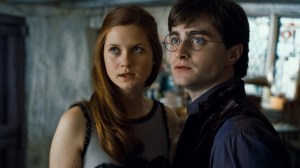
5. The Sorting Hat’s On-Screen Favoritism
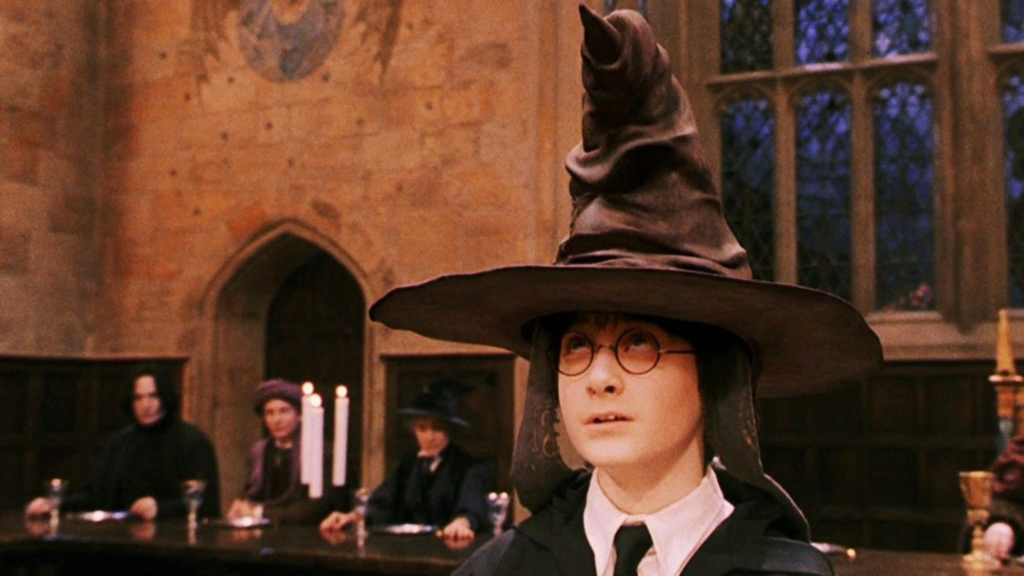
Across the films, the Sorting Hat’s decisions feel suspiciously convenient for the story’s direction. It barely hesitates placing Harry in Gryffindor, even though he displays Slytherin traits that the Hat itself points out. The movies gloss over that internal conflict within seconds, making the decision seem less about Harry’s psychology and more about ensuring the hero lands in the “right” house for the spotlight. Similar oddities occur with characters like Hermione, whose intellect screams Ravenclaw; yet the films barely justify her placement beyond her friendship with Harry and Ron.
4. The Perpetual Gryffindor-Slytherin Feud
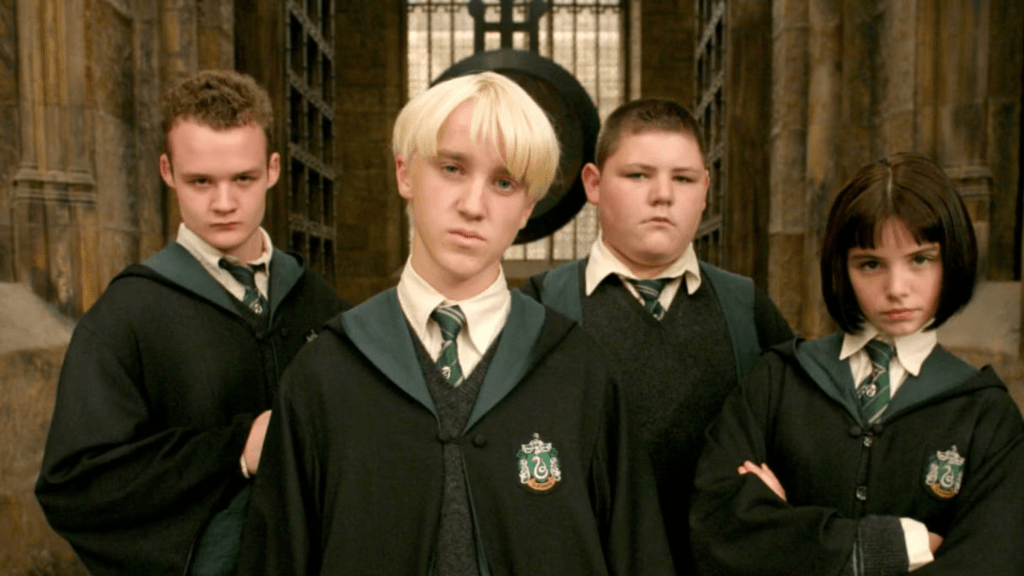
On-screen, the rivalry between Gryffindor and Slytherin never matures, even as the stakes grow darker. From Quidditch matches to dueling club scenes, it stays cartoonishly black-and-white — Gryffindor equals good, Slytherin equals bad. There’s no nuanced exploration of how that animosity poisons the school culture. Even in The Deathly Hallows Part 2, the films miss an opportunity for unity; Slytherin students are dismissed or locked away while Gryffindors get the hero edit. The constant depiction of Gryffindor as purehearted and Slytherin as irredeemable leaves no moral complexity for viewers to process.
3. The Cinematic Hero Worship
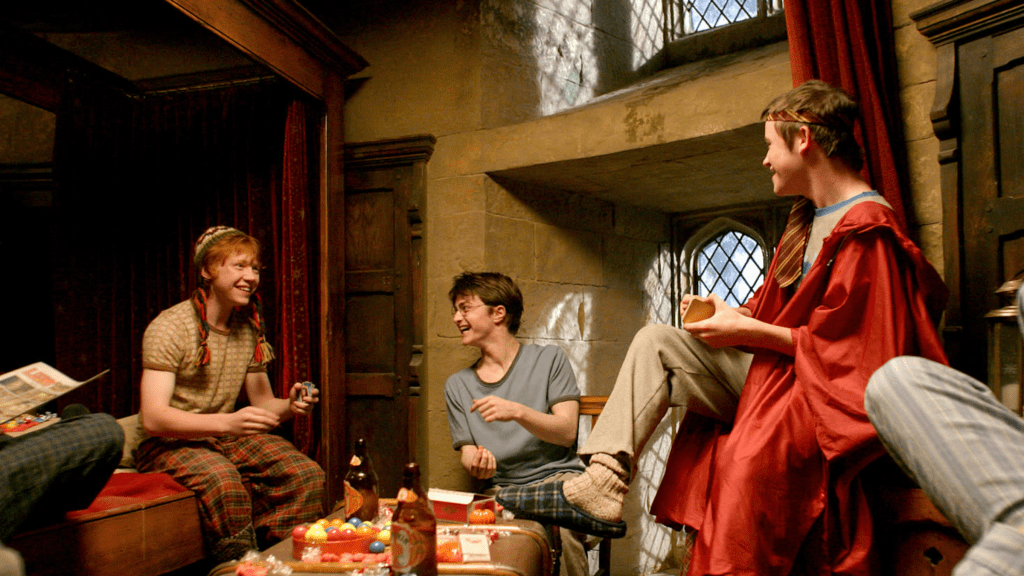
Filmmakers love Gryffindor so much that every Hogwarts-wide success circles back to them. From the House Cup victories to Dumbledore’s glowing praise, the camera ensures Gryffindor looks golden — literally. In The Sorcerer’s Stone, the last-minute House Cup points scene plays out like a triumphal coronation, complete with swelling music and glowing banners. It’s cinematic manipulation passing off favoritism as a fair victory.
The sequels never balance it out. Characters from other Houses rarely get full arcs or depth unless they orbit Gryffindor protagonists. Luna, Cedric, and Cho exist mostly to reflect the Gryffindor narrative. Even when rival Houses contribute to saving Hogwarts, the camera always finds Harry and his red-and-gold teammates at the center.
2. The Double Standard in Discipline
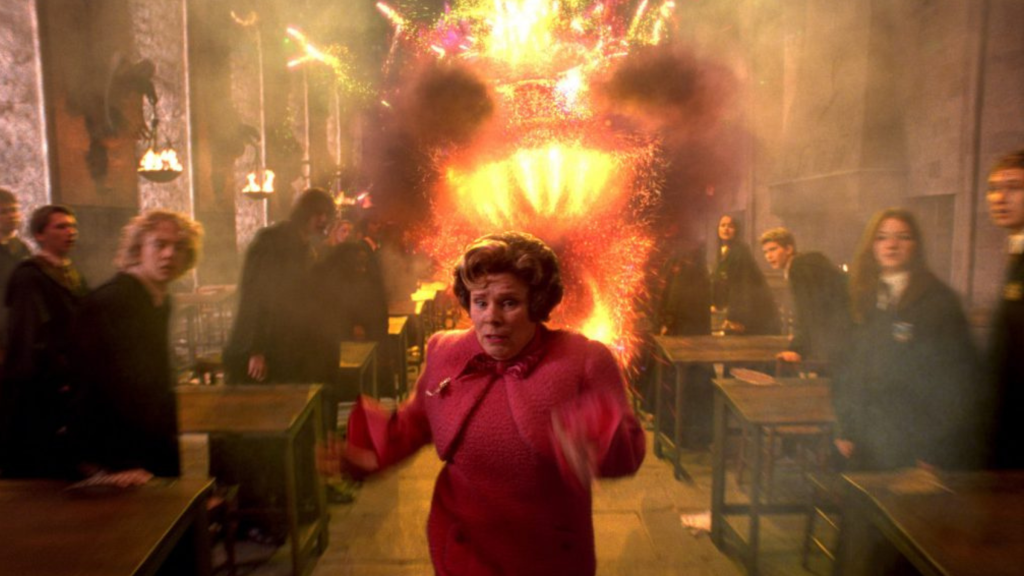
On-screen, Gryffindors break more rules than anyone else, but the narrative barely punishes them. Harry and friends sneak around, attack professors (even Snape), and endanger the school — and they’re rewarded with points or praise. Contrast that with how Slytherins get detention for existing too smugly, and it becomes absurd.
This hypocrisy makes Hogwarts look inconsistent rather than just “eccentric.” The audience is told the school values fairness, but the Headmaster constantly excuses Gryffindor chaos as “noble intent.” It’s one of the biggest on-screen contradictions in the story — Hogwarts rewards outcomes it likes, even if the process completely violates its own standards. Bravery becomes an excuse for bad behavior.
1. The Shallow Definition of Bravery
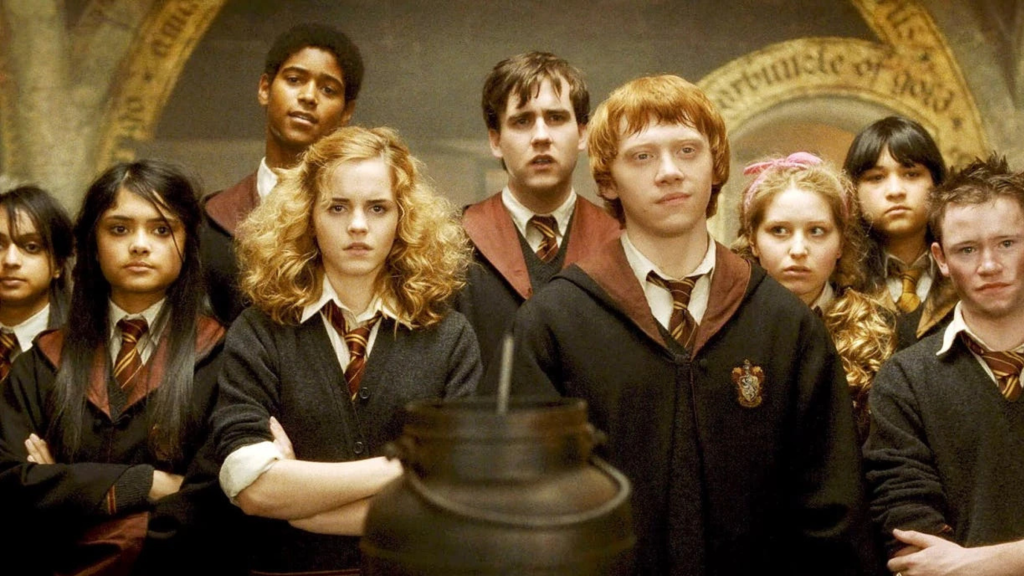
Gryffindor claims to champion courage, but the films portray only the loudest, flashiest versions of it. Dueling Death Eaters? Brave. Sneaking into danger? Brave. But showing restraint or compassion? The camera barely cares. That selective lens drains Gryffindor’s founding value of depth. If bravery means “court danger and survive,” the entire house ethos becomes one-dimensional.
By the final film, Neville’s victory moment somewhat redeems the message — he’s brave in the purest, most selfless way. Yet it arrives after seven movies that equate bravery with recklessness.
What do you think? Leave a comment below and join the conversation now in the ComicBook Forum!
Most Viewed
-

Courtesy of Sony Pictures Animation / McDonald's -
Image Courtesy of Marvel Comics -

Image courtesy of Marvel Television