The Jedi have been a critical part of Star Wars from the very beginning, although many of the details audiences now know about the Jedi and especially the Jedi Order weren’t really uncovered until the prequel trilogy. Yes, A New Hope introduced lightsabers, Obi-Wan Kenobi, the Force, and some of the history regarding the Jedi, and The Empire Strikes Back introduced Yoda and dove even deeper, but Star Wars: Episode I – The Phantom Menace shed an unprecedented amount of light on the Jedi.
Videos by ComicBook.com
Star Wars movies and TV shows have only gone even further into that exploration since, with TV shows like Star Wars: The Clone Wars and even Star Wars Rebels offering considerably more insight than audiences had during the original trilogy era. Yet, even with all of this added context and information, there are still several things about the Jedi that make no sense—several of them in the prequel trilogy itself, despite those being the key movies in unveiling more about the Jedi, the Force, and the Order.
The Council Changed Its Mind About Anakin Just Because Qui-Gon Died

The Jedi Order wasn’t really introduced until The Phantom Menace, but that movie made quick work of establishing the Jedi Order ranks as well as the traditions, rules, and rituals of the Jedi. Among those revelations was the fact that the Jedi didn’t want older children brought into the Order, as they would already have established attachments to their families, which the Jedi perceived as dangerous. While that made a fair bit of sense, this meant that both Qui-Gon Jinn’s obsession with Anakin and the Jedi Council changing their minds about the boy made no sense.
Yes, Qui-Gon thought Anakin was the Chosen One and therefore had to be trained, but it’s still bizarre that he was so determined to train Anakin that he was willing to leave the Order to do it. Much more confusing than that, though, is that the Jedi Council was resolute in their decision that Anakin was too old to become a Jedi only to change their minds simply because Qui-Gon died. Ultimately, that choice played a massive role in their downfall, and it remains nonsensical that they reversed their decision based on Qui-Gon’s death (arguably a demonstration of attachment itself).

The Jedi Forbid Attachment Rather Than Teaching Jedi To Let Go
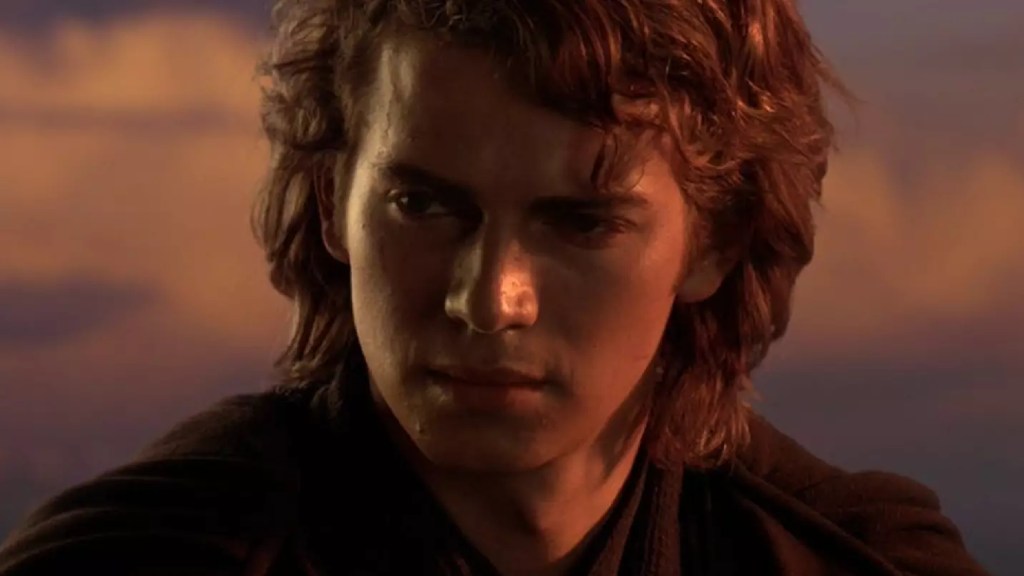
As mentioned, the Jedi were against attachments, be they family, romantic, or otherwise. This was a significant part of Anakin’s issue, as he not only had an attachment to his mother—just as the Council had sensed—but also became very attached to Padmé romantically. In part, Anakin’s story is evidence of why that rule existed. However, forbidding attachments outright feels like a rather lazy, less meaningful way for the Jedi to confront this issue.
Forbidding attachments was essentially a form of ignoring or repressing this issue all together; by saying the Jedi couldn’t have attachments and taking children from their families while they were young, the Jedi were effectively avoiding the dangers of attachment in the easiest, most straightforward way possible. What the Jedi really should have been doing was teaching Jedi how to have these relationships without letting fear take control. Jedi like Kanan Jarrus have more than proven that this was a possibility.
Their Definition Of “Balance” In The Force Takes Major Liberties
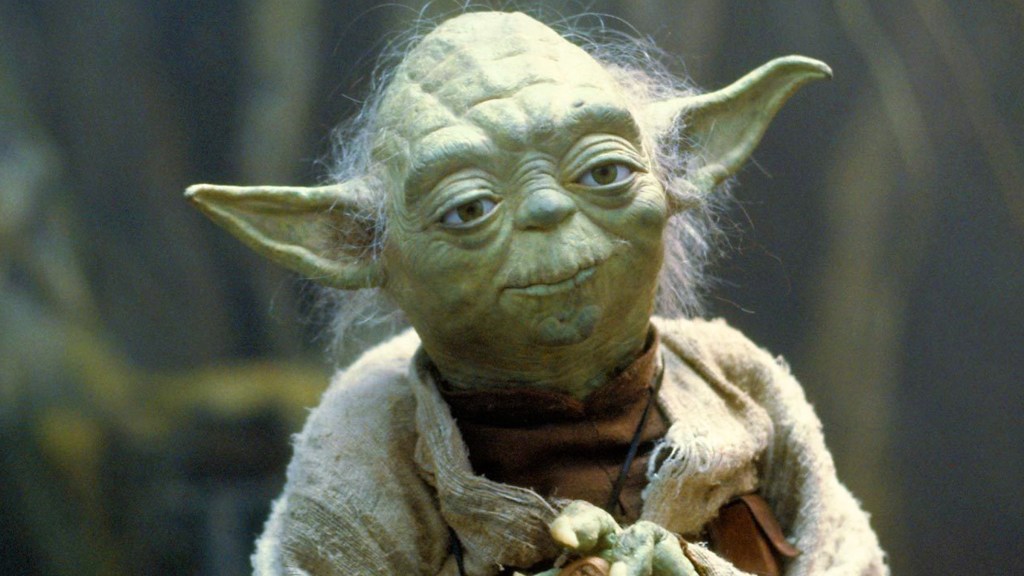
The Chosen One prophecy was in part so important because it promised that the prophesied being would bring “balance” to the Force. Balance hasn’t really been directly defined in Star Wars even now, but one thing is clear: The Jedi Order’s definition of balance was one they came up with separate from the actual prophecy.
The true Chosen One prophecy makes no mention of destroying the Sith or the dark side of the Force. Instead, the novel Master & Apprentice by Claudia Gray confirms that the exact wording was, “A Chosen One shall come, born of no father, and through him will ultimate balance in the Force be restored.” Interestingly, this means that the Jedi provided a (frankly rather biased) interpretation of the prophecy and then ran with it as though it was fact, which is a massive departure from how the Jedi should have acted.
The Jedi Weren’t More Suspicious Of The Clones

The prequel trilogy Jedi Order is often mocked for failing to notice that they were working alongside a Sith Lord for years, but in truth, there are many explanations for that. One of the most compelling is that Palpatine was using one of the Force powers, Force concealment, to go undetected. While that therefore can be explained away, one thing about this era that still makes no sense is how readily the Jedi accepted the clone troopers.
The Jedi were essentially brought down by the galaxy far, far away’s version of a Trojan Horse, as the clones were weapons to carry out Order 66 all along. However, the Jedi have to be at least partially to blame here, as they accepted and immediately began using an army of clones (who, notably, didn’t have free will) under extremely mysterious and questionable circumstances.
The Jedi Truly Were Blinded By Hubris
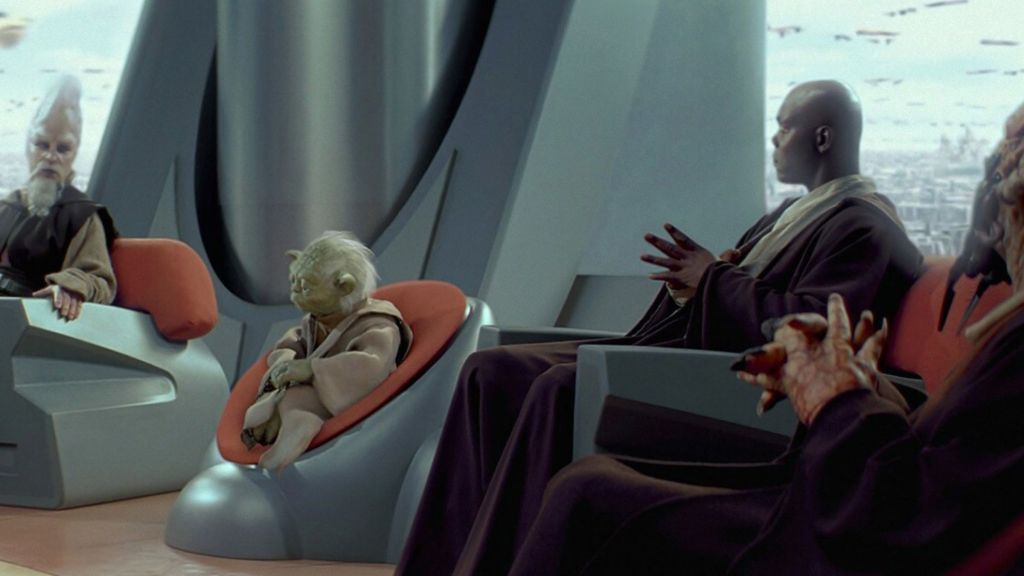
Finally, as unpopular as Luke Skywalker’s comments about the Jedi in Star Wars: The Last Jedi may have been, he actually wasn’t wrong. For far too long, the Jedi were blinded by their own hubris. It is arguably why they accepted the clones so easily, and it is demonstrated throughout the prequel trilogy and even in shows like The Acolyte.
Among the issues with this hubris was their lack of any real contingency plans. Clearly, the Jedi were as blindsided by the return of the Sith as they were by Order 66, and their lack of preparedness for both helped to wipe them out. Yes, the Jedi are still the heroes of Star Wars, but of all the things that make no sense about them, this is undoubtedly the most fatal.
What do you think? Leave a comment below and join the conversation now in the ComicBook Forum!
More Movies
-

Image courtesy of Marvel