He-Man and the Masters of the Universe is a property that has been in some kind of development for a big-screen reboot for nearly two decades. Countless filmmakers and screenwriters, and even potential He-Men, have been attached to it to the point that it seemed like a cursed franchise that may never actually see the light of day. Forty years of cartoons, action figures, and comics meant there was plenty of lore to pull from, though, so what was the real hold-up? After seeing the Masters of the Universe movie that has finally made it to the big screen, it seems clear that the problem was finding the tone.
Videos by ComicBook.com
How can you strike the right balance in a world with high-fantasy monsters but also laser guns and spaceships, plus a talking skull villain, and an infallible lead hero with a magic sword? What’s incredibly obvious about Masters of the Universe is that this film doesn’t exist without preceding blockbusters like James Gunn’s Guardians of the Galaxy movies, but while those had an irreverent tone to match the personality of its heroes, Masters of the Universe plants its tongue firmly in its cheek and never takes itself too seriously, because to do so would collapse the entire foundation.
Rating: 3 out of 5
| PROS | CONS |
|---|---|
| Nicholas Galitzine & Jared Leto are great | Boring action |
| An irreverent tone that makes it work | The same tone throws off the balance |
| Great score | Supporting ensemble gets stale |
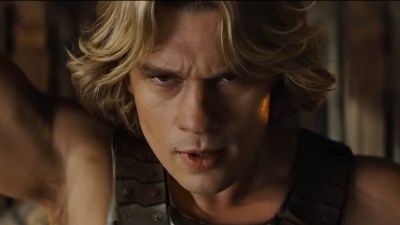
Masters of the Universe’s Irreverent Tone Works (Until It Doesn’t)
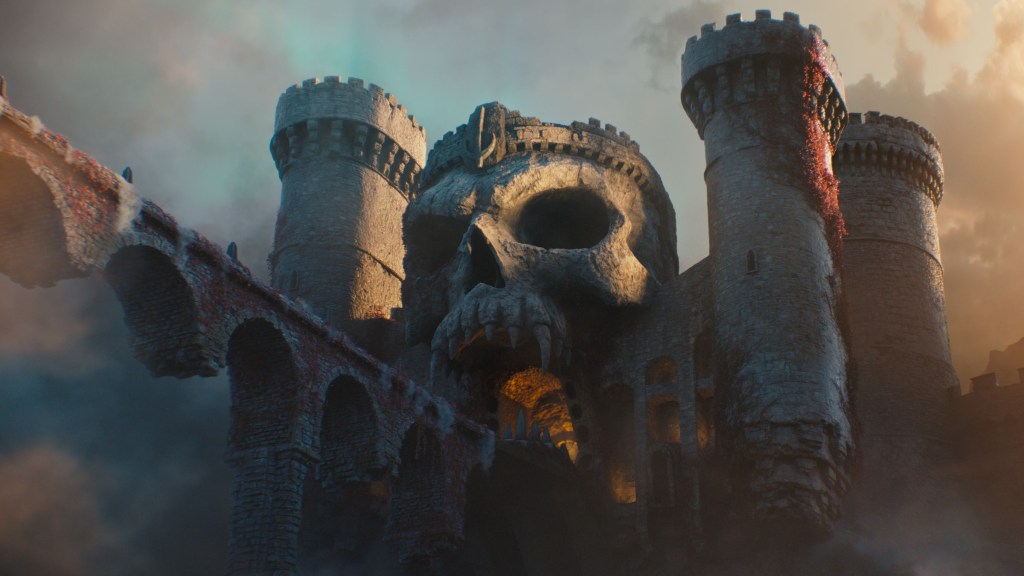
Masters of the Universe begins with an expansive opening scene, introducing the entire concept of Eternia, the Power Sword, and even young Prince Adam (played by Artie Wilkinson-Hunt) in a whirlwind of exposition that begins to feel dizzying. The conclusion of this sequence, though, is where the film proves that its entire DNA has been baked with a cheeky wink about the franchise itself, as a now-adult Adam (Nicholas Galitzine) has clearly gotten lost in the retelling of his early life and his home planet to yet another potential date, who now realizes she’s at a restaurant with a complete psycho. It’s a neon sign from the film that it’s leaving aside no piece of MOTU lore, but it’s also not treating its source material like the Old Testament.
By pointing out how ridiculous every aspect of this franchise is from the beginning, the new Masters of the Universe walks a fine line of wielding every element of the series as potential fodder for a joke. Some of these land well, but there are also so many swings at humor across the film that the batting average ends up not being that high by the time the credits roll. That said, longtime fans may well find themselves laughing at every attempt, especially as the irreverence gives way to meta-winking and nudging.
Nicholas Galitzine Is Great as He-Man

One of the main reasons this tone for Masters of the Universe actually works, though, is that lead Nicholas Galitzine delivers a truly tremendous performance. Galitzine’s work in the film shows off his full range of expression as an actor, confirming that he can fully commit not only to slapstick, but also great comedic timing, convincingly wielding a sword against a pack of goons, and emotional drama. He manages to fit within the tongue-in-cheek model of the entire movie by embodying the opposite ethos: earnestness.
Perhaps the most surprising thing about Masters of the Universe is not only that it has the aforementioned tonal dynamics of being quite silly, but that, at its core, it’s a film about what it really means to be a man. Despite the muscles that He-Man has been carrying for decades now, Masters of the Universe is instead more interested in exploring the idea that it’s not the ability to lift heavy objects or swing big swords that makes you a man. It’s the entire picture of who you are as a person that defines you, which both includes an unwillingness to give up and also being in touch with your emotions enough to know how you’re feeling (and, yes, also ripping a cannon arm off a bad guy if the situation calls for it).
The trouble is that this is also the one place where Masters of the Universe‘s overall tone fails, struggling to balance this specific heartfelt ideology that becomes Adam’s driving force with R-rated jokes that fly over the heads of younger viewers. Sometimes these contradicting elements work, but more often than not, they’re at odds.
Masters of the Universe Is Largely Just Big-Screen Toy Smashing
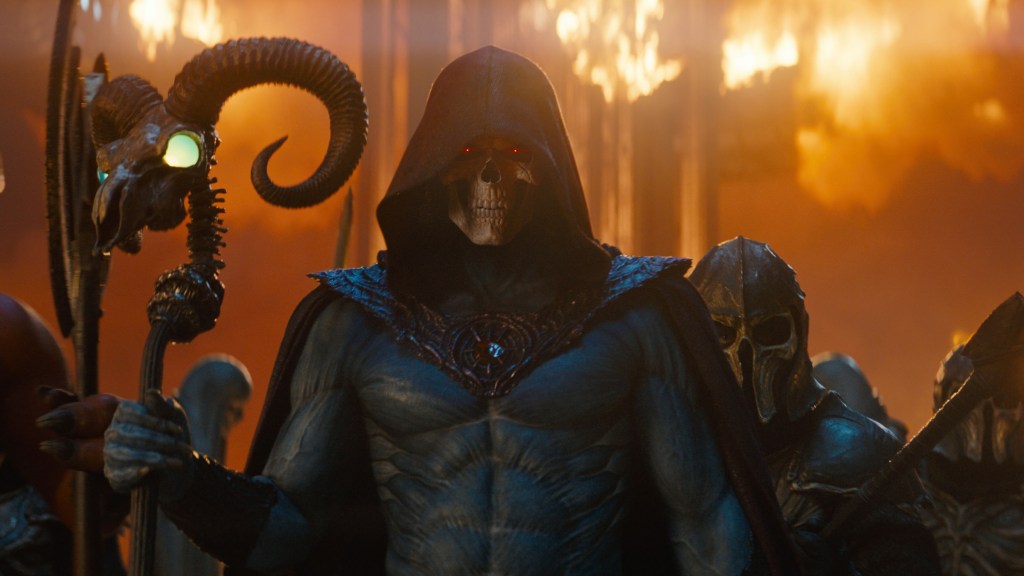
Galitzine isn’t the only performer worth spotlighting in Masters of the Universe, though, with a few actors who are clearly fully tapped into the tone that filmmaker Travis Knight has created. Though Idris Elba gets a handful of moments as Duncan, AKA Man-At-Arms, that prove he’s bought in, it’s clear from frame one that Alison Brie as Evil-Lyn and, yes, even Jared Leto as Skeletor are having the absolute time of their lives playing bad guys whose entire purpose for being and methodology is “be a bad guy who does bad things.” It seems like a sentiment worth being caned over, but Leto is really great in Masters of the Universe, delivering a hilarious voice performance with physicality that feels primed for memes in a good way (unlike Morbius).
Of note, however, is that Masters of the Universe‘s characters are all largely defined the same way they were when they first arrived in the world: as toys. What can they do? What action do they have compared to other characters? There’s nothing beyond that in the film, so characters like Fisto, Mekaneck, and Ram-Man are beings of aesthetic, selling the illusion of a faithful adaptation by doing what the toy does. This results in the characters not being characters at all, just life-size action figures being smashed against nameless and faceless bad guys. The same can be said for most of the action as a whole; it can be entertaining, but it’s seldom memorable, and rarely reaches another level, instead lingering on blockbuster stylizations you’ve seen before.
One of the most impressive things about Masters of the Universe is its commitment to bringing the property to life. Every dollar of its budget is clearly on screen, with impressive practical effects, seamless visual effects, sets that feel lived-in, costumes that look great, and an incredible score by Daniel Pemberton. Longtime fans will certainly find themselves watching the movie they imagined as kids in 1984 when they would line their toys up and play with them, for better and worse.
What do you think? Leave a comment below and join the conversation now in the ComicBook Forum!
Most Viewed
-

Image Courtesy of Warner Bros. -
Image Courtesy of Netflix -

Image Courtesy of Warner Bros.