Netflix began in 1997 as a DVD-by-mail service, upending Blockbuster’s rental model and forcing the video store industry to rethink physical distribution entirely. The turning point came in 2007, when Netflix launched its streaming platform, a shift that eventually opened the door to original programming. In 2013, the company released House of Cards, its first true original series, and followed it months later with Orange Is the New Black. Both shows validated Netflix as a producer rather than just a distributor, and House of Cards even claimed a directing Emmy win for David Fincher, a first for any series that never aired on a traditional broadcast or cable network. That investment turned Netflix into a legitimate Hollywood contender, capable of competing with premium cable networks for critical attention and awards. Still, it took the release of Stranger Things to transform the company from a respected content producer into the dominant force in the streaming business.
Videos by ComicBook.com
Created by the Duffer Brothers, Stranger Things premiered on Netflix on July 15, 2016, exactly one decade ago today. The series arrived with little marketing fanfare, but the eight-episode first season still became a word-of-mouth phenomenon almost overnight, drawing on Steven Spielberg-style adventure and Stephen King-inspired horror to tell the story of a missing boy in the fictional town of Hawkins, Indiana. Within its first 35 days, the season averaged more than 14 million viewers between 18 and 49 in the United States, a number that placed it among Netflix’s most-watched original programs at the time. The show’s success compounded across five seasons, and by the time Stranger Things reached its conclusion in December 2025, Netflix’s entire technical infrastructure had become intertwined with the franchise’s release schedule. That’s because Netflix’s servers buckled under audience demand three separate times across the show’s final years.
How Stranger Things Crashed Netflix Servers
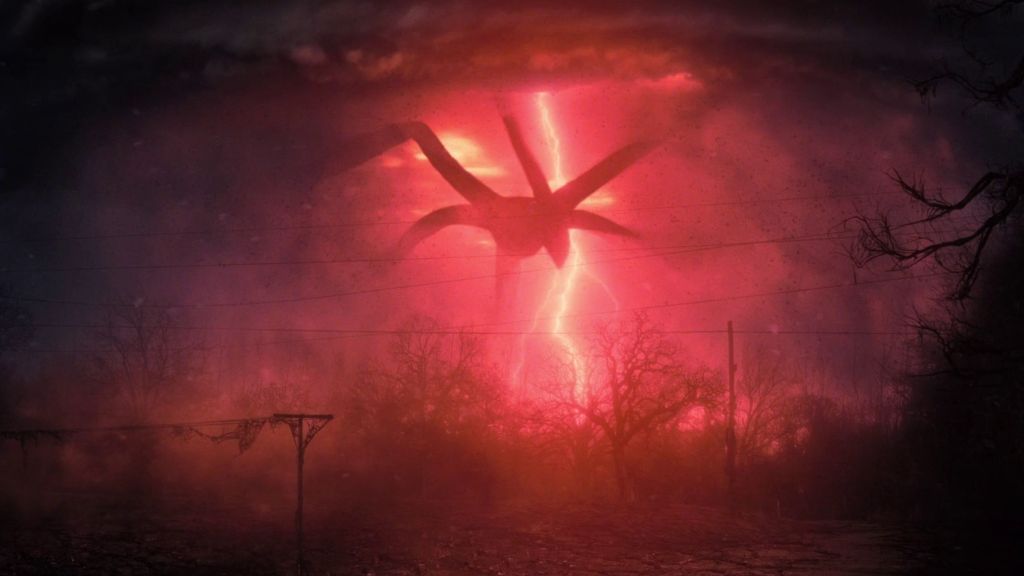
The first sign that Stranger Things had outgrown ordinary streaming infrastructure came in July 2022, when the two-part finale of Season 4 briefly knocked Netflix offline as millions of subscribers rushed to watch the series at the same moment. That incident should have served as a warning for what followed three years later. When the first four episodes of Season 5 arrived on November 26, 2025, Netflix went down again, with more than 14,000 outage reports logged by Downdetector in the United States alone. Ross Duffer had publicly stated ahead of the premiere that the streamer increased its bandwidth by 30 percent specifically to avoid a repeat crash, a precaution that proved insufficient against the volume of fans trying to log in at once. While the disruption lasted only a few minutes, it demonstrated that no amount of preparation could fully account for the audience Stranger Things had built over nine years on the platform.
Netflix’s technical struggles continued into the season’s back half. The December 25 release of Volume 2 passed without incident, drawing 34.5 million views and marking the platform’s biggest Christmas Day of viewership in company history. That relative calm ended six days later, when the series finale dropped on December 31, and Netflix crashed for a second time in the same season, this time as the two-hour episode simultaneously debuted in more than 620 theaters nationwide. A third disruption followed on January 7, 2026, when a wave of fans searching for a rumored secret ninth episode, a theory that spread online under the name Conformity Gate, generated enough traffic to take the servers down once more. Three separate outages tied to a single season is a distinction no other Netflix series has matched, and likely never will. After all, not even Stranger Things has withstood the weight of its own legacy.
Netflix Is Struggling to Preserve Stranger Things‘ Legacy
Stranger Things’ ending proved just as polarizing as its technical hiccups. While the season’s earlier episodes carried a strong critics’ score, the audience Popcornmeter told a different story, falling to 52% by the time all volumes had aired, a steep drop from Season 1’s 96%, Season 2’s 90%, Season 3’s 86%, and Season 4’s 89% among viewers. Complaints centered on the swift defeat of Vecna (Jamie Campbell Bower) and the Mind Flayer, along with the absence of any major character deaths, and the ambiguous fate of Eleven (Millie Bobby Brown). A scene depicting Will Byers (Noah Schnapp) coming out to his friends also drew backlash on social media that contributed to the season’s declining audience score. The fallout reached the Primetime Emmys in 2026, where Stranger Things failed to earn an Outstanding Drama Series nomination for the first time in the show’s nine-year history, a snub that underscored how much goodwill the finale had burned through despite the series’ commercial dominance.
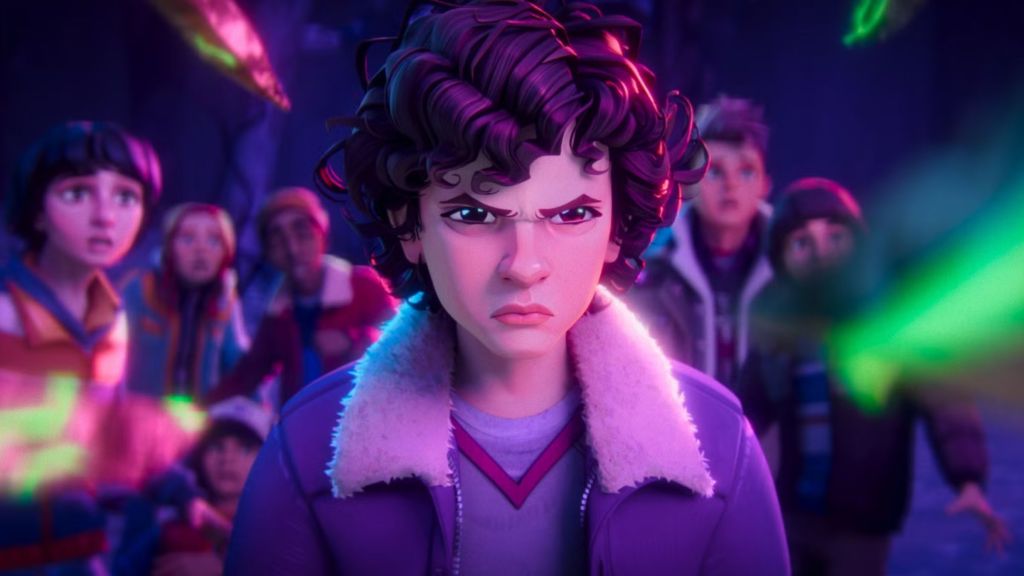
Netflix’s first attempt to keep the franchise alive fared little better. Stranger Things: Tales From ’85, an animated spinoff set between Seasons 2 and 3, premiered on April 23, 2026, with a new voice cast standing in for the original actors. The series posted the lowest Rotten Tomatoes critics’ score of any release in the franchise’s history, at 63 percent, alongside a 52 out of 100 on Metacritic. That critical consensus centered on a safe, nostalgia-driven approach that recycled the original show’s plot beats rather than expanding its world. Netflix has nonetheless renewed the spinoff for a second season, and the Duffer Brothers have confirmed a separate live-action spinoff is in development, one that will abandon Hawkins entirely in favor of new characters, a new setting, and an unconnected mythology. Between a divisive finale, an underwhelming animated debut, and a live-action project still years from release, Netflix has yet to find a follow-up act worthy of the show that rebuilt its servers and its reputation.
All five seasons of Stranger Things, along with its animated spinoff Tales From ’85, are streaming now on Netflix.
Do you think Netflix can course-correct Stranger Things‘s legacy with its next spinoff, or has the damage from the finale already been done? Leave a comment below and join the conversation now in the ComicBook Forum!
More TV Shows
-
Image Courtesy of Warner Bros.