Streaming has fundamentally altered the life cycle of a television series, creating a volatile environment where longevity is a rare commodity. In the era of broadcast television, shows were often given time to find their audience, with multi-season runs allowing for gradual narrative development and character growth. Today, the relentless demand for new content and the data-driven models of platforms like Netflix, Prime Video, and HBO Max have cultivated a culture of instant gratification. A series is now expected to become a hit within its first few weeks, or it faces the looming threat of cancellation. This high-pressure system prioritizes immediate subscriber acquisition and retention over the patient cultivation of storytelling, leaving many promising shows without the opportunity to reach their full potential. It is a model that has claimed numerous victims, including Prime Video’s The Wheel of Time.
Videos by ComicBook.com
“The fans said Season 1 wasn’t good enough, which I think I agree with, for multiple reasons,” The Wheel of Time star Rosamund Pike, who played Moiraine Damodred, revealed in a recent interview with Collider. “We were beset by COVID in the middle of our shooting. We had some heads of department changes. Then, by Season 2, we knew what we were doing, and we offered up a much better season. By Season 3, I think we had our wings fully spread… There was a really well-acted, well-written, cohesive, deep show that was attracting powerhouse actors to come and play supporting characters.” Pike speculated on The Wheel of Time‘s ultimate fate, connecting its cancellation to the relentless streaming economy. “Of course, you wonder, had we started off at that place, would we not have been canceled? Maybe. I think we’re possibly victims of the terrible churn factor of people wanting to show that ‘We’ve got a new show.’ It’s all about what’s new.”
The Wheel of Time Is Not the Only Streaming Show That Got Unfairly Cancelled
The Wheel of Time is just one of many ambitious series cut down before their stories could be completed, as the expectation of overnight success makes it nearly impossible for complex narratives to build momentum. A prime example is Netflix’s science fiction mystery 1899. Despite debuting in the top ten in numerous countries, the show was canceled after a single season. The decision was reportedly driven by a low viewership completion rate and a high production budget, metrics that fail to account for viewers who savor a dense story over time rather than bingeing it in a single weekend. The creators had a three-season arc planned, and the abrupt cancellation left its dedicated audience with an unresolved cliffhanger and a sense of betrayal.

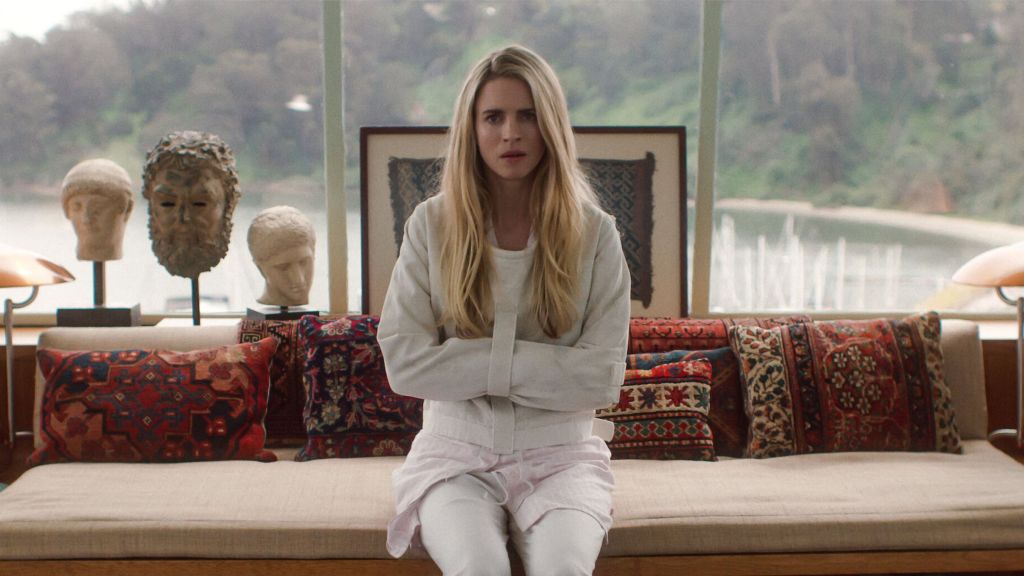
This pattern is tragically familiar. Brit Marling and Zal Batmanglij’s mind-bending series The OA suffered the same fate, axed by Netflix after its second season despite the creators having a five-season story mapped out. The cancellation ignited one of the most passionate fan campaigns in recent memory, with followers organizing everything from social media blitzes to a crowdfunded billboard in Times Square in an attempt to save the show.
Similar fates befell other high-concept shows like the Wachowskis’ globe-trotting epic Sense8 and Jim Henson’s fantasy prequel The Dark Crystal: Age of Resistance, both undone by their high costs relative to their viewership numbers. These examples underline that, in this environment, even critical acclaim and a devoted fanbase are not enough to guarantee survival. The algorithm’s focus on metrics like 28-day viewership totals and completion rates has created a landscape hostile to artistic risk and patient storytelling, punishing the very shows that often become long-term cult classics.
Prime Video’s The Wheel of Time Is an Underrated Show
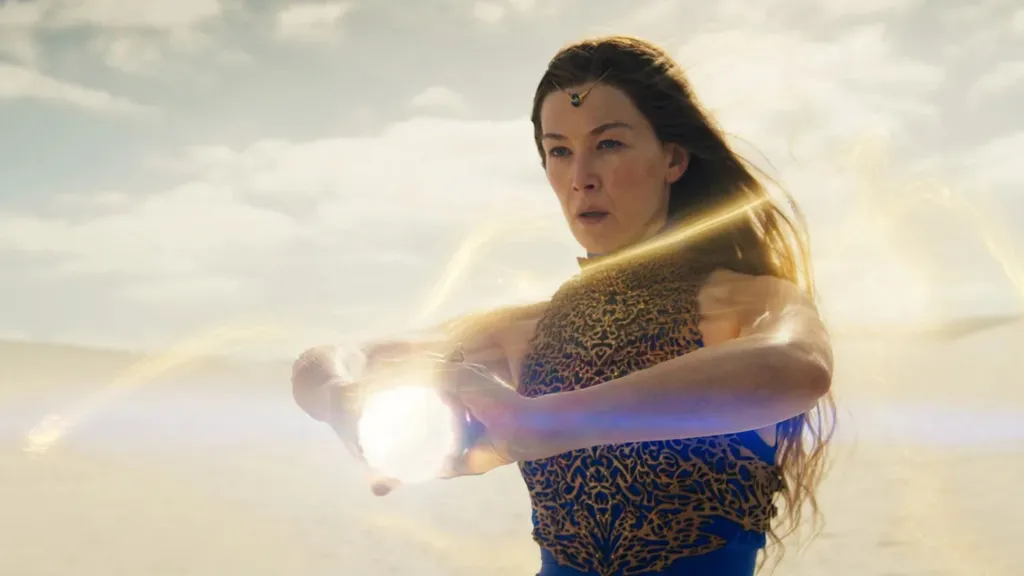
After a rocky inaugural season, The Wheel of Time underwent a significant transformation. The second and third seasons demonstrated a much stronger grasp of the dense source material, earning praise for improved pacing, deeper character development, and a more confident narrative direction. Freed from the extensive world-building required in the first season, the subsequent episodes were able to delve more into the personal and political intricacies of Jordan’s universe. Furthermore, the show began to expertly weave together its many disparate plot threads, giving characters like Rand al’Thor (Josha Stradowski), Perrin Aybara (Marcus Rutherford), and Egwene al’Vere (Madeleine Madden) more compelling arcs. Performances across the board also became more nuanced, with Pike’s portrayal of Moiraine and the introduction of scene-stealing antagonists like the Forsaken adding complexity to the conflict.
The series also made marked improvements on a technical level. The visual effects, magic systems, and action sequences became more dynamic and polished, creating a world that felt both vast and lived-in. Furthermore, the showrunners demonstrated a willingness to listen to fan feedback, making intelligent adjustments that brought the series closer to the spirit of the books without sacrificing its unique identity as an adaptation. This upward trajectory was reflected in its critical reception, with the final season, in particular, being hailed as its best. The cancellation cut short a series that had not only overcome its early stumbles but had blossomed into a genuinely great fantasy epic, leaving a void for fans who had invested in its richly detailed world.
What are your thoughts on the cancellation of The Wheel of Time? Leave a comment below and join the conversation now in the ComicBook Forum!
Most Viewed
-

Image courtesy of Netflix -
Image Courtesy of Netflix -

Image Courtesy of Madhouse/WIT Studio -
Image courtesy of Bethesda