It seems strange to be talking about Star Trek‘s decline, straight after the return of its current flagship show. Strange New Worlds Season 4 kicked off in fine fare, and it has a staggering 100% critic score over on Rotten Tomatoes. Anson Mount’s Christopher Pike was the real star of the show in the premiere, a time travel story that broke all Star Trek‘s rules with a delightful paradox at the heart of human history. Given the Enterprise’s latest successful launch, you’d think this would be the time to celebrate.
Videos by ComicBook.com
Instead, there’s something of an odd feeling; as though, despite Strange New Worlds‘ return, we’re writing obituaries rather than paeans of praise. The Wrap, for example, just published an excellent piece of analysis with the title “How ‘Star Trek’ Fell From Streaming Anchor to Stuck in Limbo.” The headline wasn’t an exaggeration, because Star Trek has broken an 11-year streak where a new show was always either greenlit or in production. Strange New Worlds is wrapping up after Season 5, Starfleet Academy has been canceled, and beyond that… well, the future is emptier than the void between galaxies. What’s gone wrong?
The Rise and Fall of Star Trek TV
To understand modern Star Trek, you have to go back to 2016 and the failure of Star Trek Beyond. Paramount turned to Alex Kurtzman, mastermind of hit shows like Alias and Fringe, and he’d been involved in successful big-screen franchises (as well as working with J.J. Abrams on the Star Trek movies). The plan was simple: reinvent the ailing film franchise for the small screen, with Kurtzman’s shows at the center of the new CBS All Access streaming app (later renamed Paramount+). The idea was initially controversial, but Star Trek: Discovery broke signup records when it premiered in 2017.
Kurtzman’s run has its critics, but it has undeniably been a success. Since Discovery, we’ve had a steady stream of new shows (and even a made-for-streaming movie). In terms of sheer volume, this has been a golden age unlike anything the franchise has enjoyed since the ’90s. And yet, it didn’t take long for a somewhat odd pattern to become visible; Kurtzman’s Trek is defined by an overwhelming sense of nostalgia, even as it desperately tries to boldly go where it had not gone before. Discovery started out as an original series prequel, before jumping forward in time to the never-before-seen 32nd century. It wasn’t long before Strange New Worlds took over as the flagship – an even more obvious prequel.
Star Trek has always had a strong social message, and Kurtzman’s shows naturally plunged head-first into the culture wars (never more so than in the recent Starfleet Academy series). Meanwhile, quality varied wildly; critical viewers pointed to unsatisfying season arcs, while the Section 31 movie proved a disastrous misfire. Viewership began to drop, while production costs remained high. Finally, leadership changes at Paramount seem to have led to a strategic rethink, with a new push towards Star Trek movies instead of shows.
Star Trek’s TV Decline Shows What’s Really Going On In Hollywood
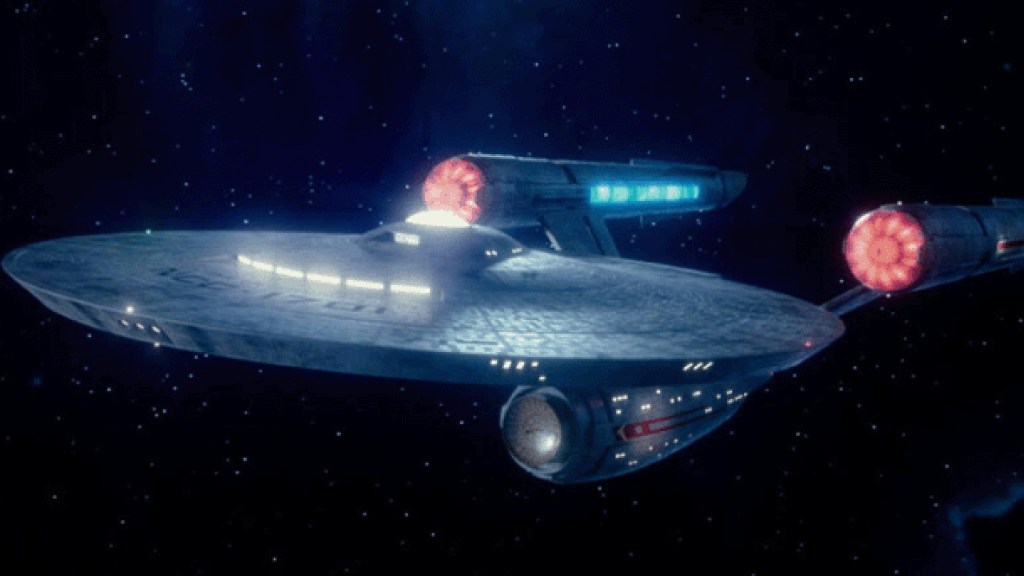
Take a step back, though, and the rise and fall of Star Trek TV is the same pattern we’re seeing all across Hollywood right now. Franchises became big money after the rise of the Marvel Cinematic Universe, coinciding with the streaming boom. Studios saw the opportunity, linking their franchises to all-new streaming services like CBS All Access and Disney+; fans were offered a new subscription in return for a complete library of content, giving them instant access to everything they could dream of. The model worked for a time, every streamer grabbing on to the big franchises for as long as possible.
Star Trek struggled to balance nostalgia with newness, and it wasn’t alone. Over the last few years, Marvel has increasingly pivoted to paying off on old, established ideas; this year’s Avengers: Doomsday literally brings back actors who haven’t been in Marvel films for 20 years. Star Wars riffed on the classics with The Mandalorian, introducing a Boba Fett replacement and Baby Yoda, and has since become increasingly continuity-focused. Doctor Who launched controversial retcons that paid off stories from the 1980s, and featured returning villains from the 1960s. In every case, though, nostalgia has had diminishing returns. Some things break through (Doomsday is sure to be a hit), but the consistency isn’t there.
Meanwhile, the culture wars have affected every franchise. The Acolyte tore the Star Wars fandom apart, we’ve all seen the “M-She-U” videos, and British newspapers lambasted Doctor Who for wokeness. This push for diversity and representation coincided with the age of quantity over quality, with films and shows releasing when they weren’t in any fit state. Every single franchise has been declining at the same time, and almost all studios have the same answer: reduce output while adjusting the no-longer-profitable streaming model, ideally heading back to the big screen. We’ve just had the first new Star Wars movie in seven years, another indicator of the Hollywood shift.
Star Trek’s Story is a Warning Shot Across Hollywood’s Bow
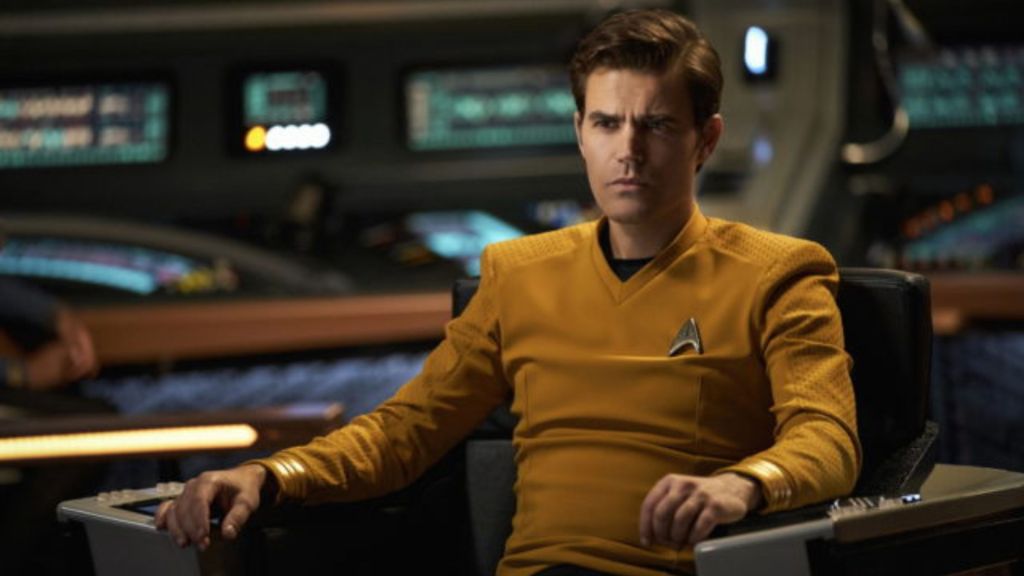
The world is changing. The streaming model was never going to be as profitable as studios hoped; you’re releasing new content just to keep subscribers, which basically means you’re spending money to stand still. In fact, one word from my last sentence really stands out, “content.” Because, fundamentally, that is what the various TV shows have become; new content, stripped of meaning and significance, existing just to keep the platform going. It’s no surprise quality dropped, or that studios produced too much too quickly. The model demanded it, but the seeds of decline had already been sown.
Whatever your opinion of the various Star Trek TV shows, the fact remains that Star Trek has prospered during this time. But now, with the streaming boom over, this franchise – like all others – must reinvent itself once again. It’s time to abandon the “content” model, and to head back to theaters. Quality matters more than quantity (it always did), and there can’t be anything else like Section 31. What’s more, modern audiences seem to be hungering for something new rather than unending nostalgia. Today’s breakout hits are bold reinventions, unexpected successes like Sinners, Weapons, and KPop Demon Hunters. Nostalgia won’t cut it anymore.
Jonathan Goldstein and John Francis Daley have been hired to write and direct Star Trek‘s film relaunch. Speaking at this year’s San Diego Comic-Con, they hinted that they get it. “I think we’ve said in the past, and it’s been reported, that it won’t be the characters that you’ve seen previously in your Star Trek movies,” Goldstein said. “So there’ll be a new sort of take on that, and I think it’ll probably be a little further into the future than we’ve been before.” In other words, after an overdose of nostalgia, it’s time for Star Trek to boldly go once again – and, far from writing an obituary, we should be excited to see what comes next.
What do you think? Leave a comment below and join the conversation now in the ComicBook Forum!
More TV Shows
-
20th Century Studios