Marvel’s Kevin Feige has a reputation for playing the long game when it comes to the MCU. In truth, that reputation is more than a little exaggerated; even the Infinity Saga wasn’t as well-planned as most viewers believe. Thanos himself was something of an afterthought in the aftermath of Phase 1, with Joss Whedon coming up with the idea of adding him into The Avengers‘ post-credits scene. Even some foreshadowing has been accidental, with Marvel noticing opportunities to build upon after the fact.
Videos by ComicBook.com
All this makes the buildup to the Mutant Saga particularly interesting. It’s not hard to see the setup; the word “mutant” has been officially introduced into the main 616 timeline courtesy of Ms. Marvel, while it’s entirely possible the newest hero Wonder Man is a mutant. The Department of Damage Control has become increasingly important to the MCU, with consistent rumors this organization plays a key role in a mutant-centric Spider-Man: Brand New Day. But, surprisingly, a lot of this wouldn’t be possible without one TV show’s cancellation a decade ago.
Marvel Television Nearly Made a Damage Control TV Series
A decade ago, the MCU was in a very different place. The film studio had been separated out from the wider Marvel Entertainment group in a corporate restructure back in 2015; behind-the-scenes conflict between Feige and Marvel boss Ike Perlmutter had escalated to the point where they simply couldn’t work together, and Disney’s Bob Iger felt splitting them up was the only way to keep things going. Marvel Television shows were still made by a department in Marvel Entertainment, and the movies were the lead dog, with the TV shows navigating the decisions made by Feige and his team.
Marvel Television had proved to be a real success. Agents of SHIELD served as the flagship series, going from strength to strength, although Agent Carter‘s viewership was declining and eventually led to that spinoff being canceled after Season 2. The partnership between Marvel Television and Netflix was still strong, represented by the popular and critically acclaimed shows Daredevil, Jessica Jones, and Luke Cage. Buoyed by all these successes, Marvel aimed to expand its slate of shows, but faced one frustrating limitation; the TV division only got the characters and concepts the studio had passed on.
That’s the context for Damage Control, envisioned as a comedy series set in the MCU. Developed by The Daily Show and The Colbert Report‘s Ben Karlin, Damage Control focused on the cleanup crews who dealt with the aftermath of various superhero battles. As Deadline put it, “they’re the ones who are in charge of returning lost ray guns to their rightful owners, help to reschedule a wedding venue after it has been vaporized in a superhero battle, or even track down a missing prize African parrot that’s been turned to stone or goo.”
ABC hoped to air Damage Control in 2016, and appear to have commissioned a pilot. That said, the production died on the vine; a series order was never given, and the superhero comedy was swiftly forgotten. It’s perhaps significant that Marvel Studios became interested in Damage Control again, with the MCU’s Department of Damage Control appearing in 2017’s Spider-Man: Homecoming. This was a very different version of Damage Control, and it set up a much more exciting future.
How the MCU Used the Department of Damage Control
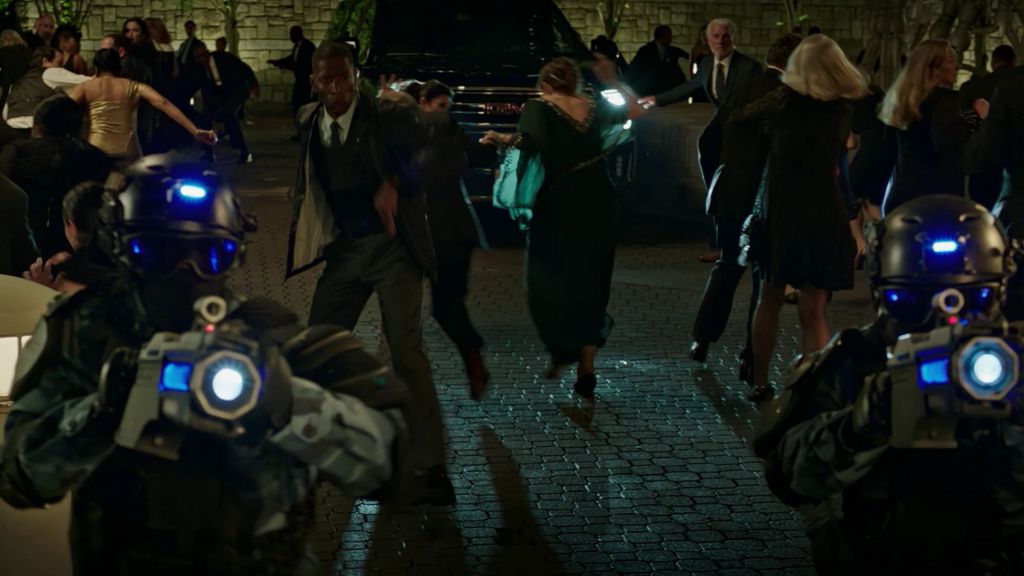
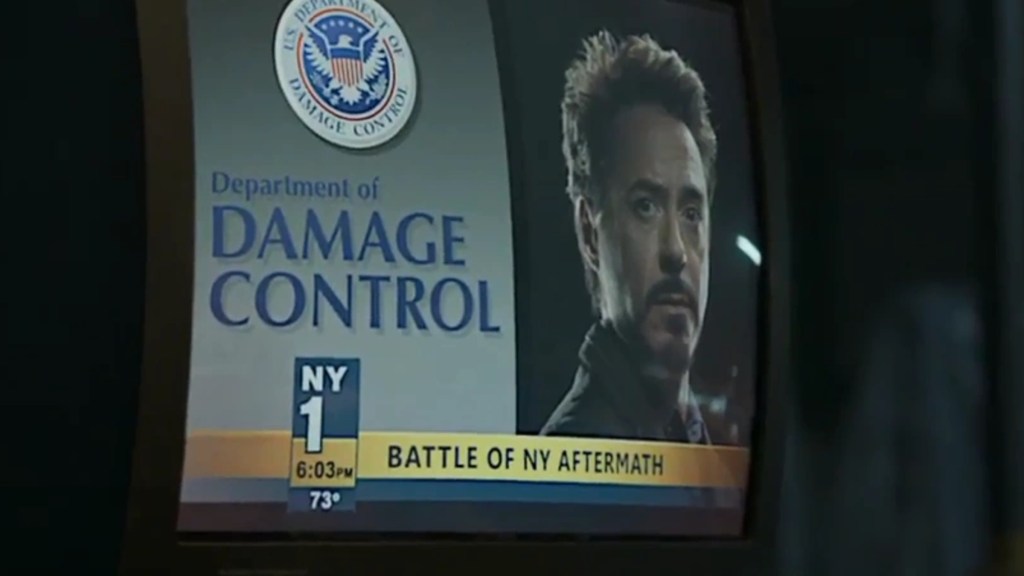
Spider-Man: Homecoming treated the Department of Damage Control as partnership between Stark Industries and the U.S. government, established in the aftermath of The Avengers and serving as a basic cleanup crew (albeit not in a comedic vein). In one key scene, Spider-Man actually found himself trapped with alien and advanced tech in a Damage Control storage facility, giving a sense of how much they’d collected over the four years before The Avengers and Homecoming. But Damage Control really expanded during the Multiverse Saga, and in a fascinating new direction.
At first, an organization called S.W.O.R.D. appeared to be taking center-stage in the MCU post-Endgame. Usually concerned with extraterrestrial matters in the comics, S.W.O.R.D. was switched up for WandaVision and defined as the “Sentient Weapon Observation Response Division,” which would position them as the primary group concerned with monitoring enhanced individuals. But everything changed with Spider-Man: No Way Home, which simplified matters by bringing back Damage Control in that capacity. This group subsequently returned in both Ms. Marvel and She-Hulk: Attorney at Law, now operating as a sort of metahuman police force who run Supermax prisons for superhumans.
More recently, Damage Control has returned in Wonder Man, once again giving Arian Moayed’s Agent Cleary – who appeared in both No Way Home and Ms. Marvel – a major role. This introduced a new wrinkle, because the end of Wonder Man revealed Damage Control identify both potential superhuman threats – and, crucially, “assets.” That single word is a game-changer, shifting Damage Control from a police force to an organization dedicated to running ops involving enhanced individuals. It’s clear setup for some major twists going forward.
Damage Control Is Positioned For a Major Role in the Mutant Saga
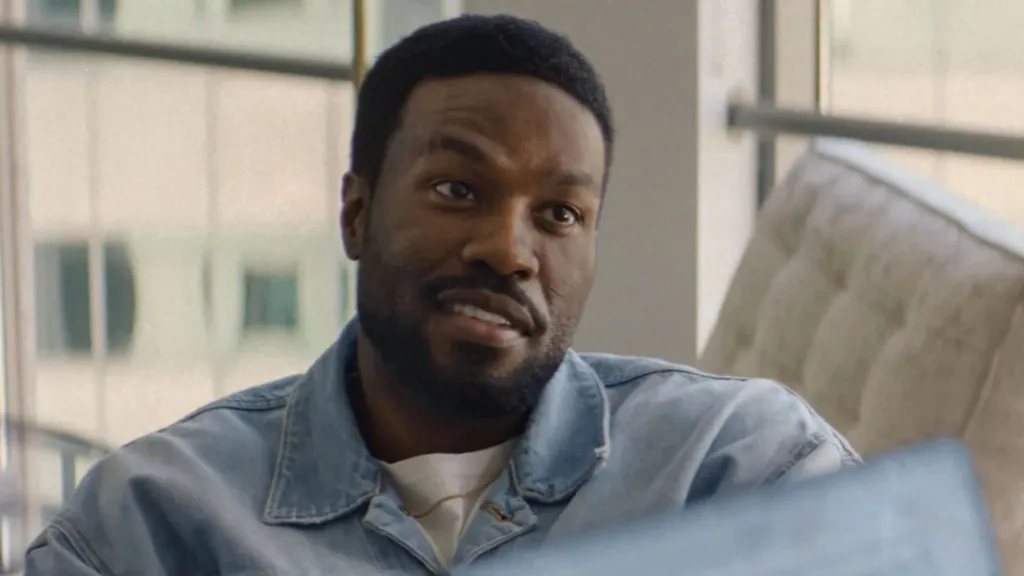
When the dust has finally settled from the Multiverse Saga, we already know what’s next: the Mutant Saga. Mutants have already been set up in the MCU; the word was explicitly used in Ms. Marvel (along with a riff on the X-Men: The Animated Series theme tune to underline the point), and there are already no less than eleven confirmed or potential mutants in the MCU. Crucially, Damage Control appeared in all three of the shows that had the most to do with mutants; Ms. Marvel, Wonder Man, and She-Hulk (the latter featured several mutant characters from the comics, and didn’t give an origin story for their powers).
It’s easy to see why Damage Control would be a major player in an age of mutants. This is an organization that has already collected a wealth of advanced technology, and it’s increasingly clear Damage Control is actually developing that tech – including Stark drones obtained from Spider-Man – to police enhanced beings. Damage Control is responsible for controlling and using the US’ superhuman population, meaning mutants would appear on the department’s radar as potential threats or assets. There’s presumably a registration list – such a concept being integral to so many core X-Men plots.
Damage Control has come a long way over the last 10 years. Originally intended as something of a comedy TV show, the Department of Damage Control is now positioned as a big part of the Mutant Saga. Marvel has a reputation for playing the long game, but examples like this prove that the MCU is rather more adaptive and reactive than most viewers realize. In this case, that’s definitely for the best.
What do you think of the MCU’s use of Damage Control? Leave a comment below and join the conversation now in the ComicBook Forum!
Most Viewed
-

Image Courtesy of Ufotable -

Courtesy of Bones Film