When a show runs for nearly a decade, it stops being just entertainment and becomes a cultural landmark for the audience that grew up with it. Stranger Things has always been that: a mix of ’80s nostalgia, teen suspense, and monsters from the Upside Down. But now, with the final season here, it’s facing a very classic problem you might have seen before with another long-running hit: overblown, disproportionate criticism. A lot of people are treating the series finale like it invalidates everything that came before. Comparisons to the last season of Game of Thrones, plot holes, characters disappearing out of nowhere, convenient storytelling that supposedly ruins everything, over-explaining, questionable choices — you name it.
Videos by ComicBook.com
But people are forgetting something crucial: Stranger Things never promised perfection. From day one, the show had its flaws, and nobody really cared because, deep down, it was just fun. Or better yet, most didn’t even notice the flaws. So no, Netflix’s biggest hit didn’t suddenly collapse and go downhill. What changed is how the audience sees it now. Let me explain.
Stranger Things Was Never a Perfect Show

Back in 2016, when you opened Netflix and stumbled upon Stranger Things, you were intrigued and probably decided to binge it. And when you finished, you were hyped for the next season. Why? Because the story was too good and mysterious not to keep watching. When Season 2 finally dropped, more people were getting into it, recommending it nonstop. By Season 3, the show was hitting a higher level, being embraced by a broader audience, and fans were already gathering online to debate theories. That’s also when the tone shifted: the atmosphere got brighter, more colorful, and leaned even harder into ’80s nostalgia, which made many fans call it their favorite. And by Season 4, the global boom had begun.
But here’s the thing: all these seasons had mistakes — from technical limitations to plot holes, pacing issues, abrupt arc changes, too many characters, and logic inconsistencies. And do you remember ever caring so much about these flaws that the show started feeling bad? I don’t. Nobody cared. What mattered was the fun, the sense of adventure, the Easter eggs, and the creepy moments that kept you hooked. Perfection was never the goal; emotion and fun were.
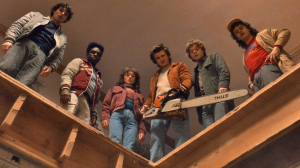
Fans accepted Demogorgons showing up out of nowhere, subplots being dropped, and not everything having a scientific explanation. After Season 2, for example, Kali’s (Linnea Berthelsen) arc came back into focus when people realized she’d been left behind, but after a few comments, nobody complained. That was kind of the charm: flawed, but addictive. And honestly, I always thought that one of the show’s biggest strengths was that you could enjoy it without overanalyzing every frame.
And let’s be real: when Volume 1 of the final season dropped, hardly anyone hated it. But as soon as Volume 2 came out, people started nitpicking, deciding that just because of a couple of episodes, the whole season was awful. It’s fine not to like certain moments, because nothing will ever please everyone 100% of the time. But whining about Karen (Cara Buono) and Joyce (Winona Ryder) surviving with improvised weapons or Lucas (Caleb McLaughlin) landing a lucky kick on a Demodog in the hospital to save Max (Sadie Sink), when hundreds of similar plot armor moments happened in previous seasons without this level of backlash? That’s just insane.
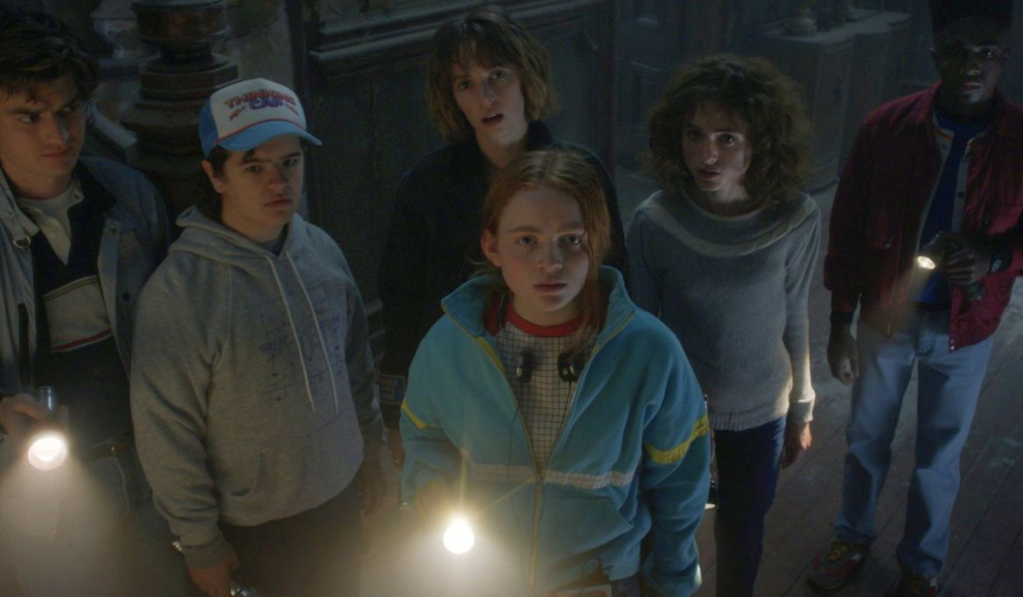
Stranger Things was never a high-end, complex production like Game of Thrones. What made people see it that way was all the hype; the idea that if everyone’s talking about it, it must be perfect — but it’s not comparable. What changed is that nearly ten years have passed, so today, fans are more critical, more demanding, and nostalgia has built an idealized Stranger Things in their minds. The real show always had problems, but people overlooked them because they were having fun. Now, every mistake gets amplified because the memory of the show has turned it into something almost mythical.
Do you realize some fans were blasting the series over a tiny error in Holly’s (Nell Fisher) outfit? Where were these critics when a Demogorgon blew up a mall in Season 3, and nobody batted an eye in Hawkins? Reading comments online, I can’t help but wonder if people even remember what the series promised in the first place. This strict expectation is what hurt the final season. Everything has to meet near-impossible standards, and any narrative convenience becomes a major flaw when, historically, that’s always been Stranger Things. People like the story they wish happened, not what’s actually on screen.
The Final Season Has Its Problems, but It Still Delivers
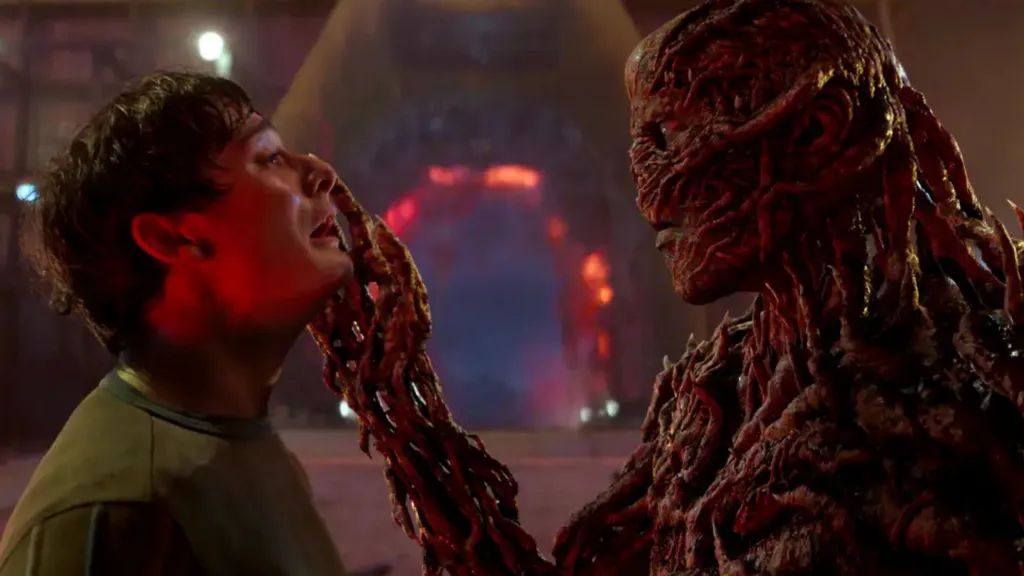
But alright, I won’t defend it blindly. The final season, so far, definitely has mistakes. And it’s hard to judge if some of this is the Duffer Brothers’ choice or Netflix interference, especially since fans noticed deleted scenes that might have affected the quality of the last episodes. Plus, with the way people watch TV while scrolling on their phones these days, it’s possible that’s influencing how series are written now: more over-explaining in dialogue, less room for viewers to engage actively, and, as a result, longtime fans complaining.
But here’s the point: the final season of Stranger Things is not the disaster people make it out to be. Sure, there are glaring issues — Robin (Maya Hawke) or Dustin’s (Gaten Matarazzo) explanations could have been shorter and less repetitive, Will’s (Noah Schnapp) coming-out scene could’ve been better placed, and so on. But none of that ruins the entire season. It still grabs your attention, makes you laugh, scares you, and even moves you emotionally. Otherwise, nobody would still be watching, curious to see how it all ends.
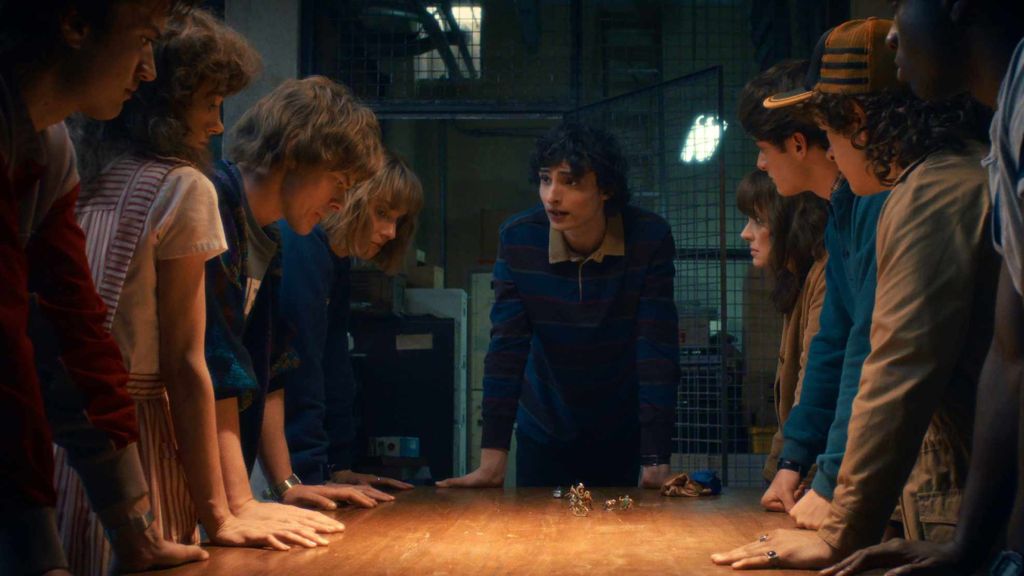
So, it’s really about how you view the flaws, not their existence. I was still glued to several scenes, even knowing some didn’t make complete sense. And sure, pacing feels uneven at times, and some character choices seem questionable at first. But if you look at the overall arc, it still makes emotional sense. What many call over-explaining or excessive narration actually helps set the stage for the finale and tie together Hawkins’ mythology. Is it annoying? Sometimes. But does it work? Most of the time, yes. While some complain about plot holes, the show continues to do what it does best: creating impactful, unexpected moments that make you actually care if someone dies, for example.
At the end of the day, the last chapter isn’t bad. Nostalgia has just turned memories into an idealized version, making every misstep feel huge. Everyone remembers the show as perfect, but it never was. This conclusion is, so far, staying true to what the story promised from the start. And if you can separate expectation from reality, it’s clear the final season of Stranger Things is still delivering, mess-ups and all. Personally, I’m still enjoying it far more than I’m annoyed by it.
What do you think? Leave a comment below and join the conversation now in the ComicBook Forum!
Most Viewed
-

Official art by Bastien Lecouffe-Deharme -
Image courtesy of Tor Books/Macmillan -

A photo of the Retrovolt Arcade taken in 2017, showing several classic arcade cabinets and stools.