HBO has maintained its standing as the primary architect of prestige television for nearly four decades. By prioritizing creator-driven narratives over broad-market accessibility, the network consistently delivers projects that push the technical and thematic boundaries of the medium. This commitment is evident in the sustained success of recent pillars like Succession and The White Lotus, which dominate both ratings and critical discourse. However, Hollywood is increasingly focused on the replication of successful projects as a way to increase profits, and HBO is no different. For instance, the company is actively expanding the Game of Thrones universe, a process that began with House of the Dragon and continued with the recent premiere of A Knight of the Seven Kingdoms. It’s surprising, then, that one of the best HBO series of all time never got a spiritual successor of sorts.
Videos by ComicBook.com
On March 9, 2008, HBO aired the series finale of The Wire, concluding a sixty-episode odyssey that remains a structural outlier in the history of television. Despite finishing eighteen years ago, the drama continues to hold a position at the pinnacle of serialized achievement, often sharing the spotlight with its contemporary, The Sopranos. Yet, the legacy of these two titans is significantly different in terms of industry impact. The Sopranos revolutionized the psychological character study, providing a blueprint for the anti-hero archetype that eventually fueled the success of Mad Men and Breaking Bad. Conversely, The Wire has remained virtually impossible to duplicate. Even within the subsequent filmography of creator David Simon, which includes Treme and We Own This City, the specific sociological alchemy of The Wire has never been fully captured again.
What Makes The Wire So Unique?
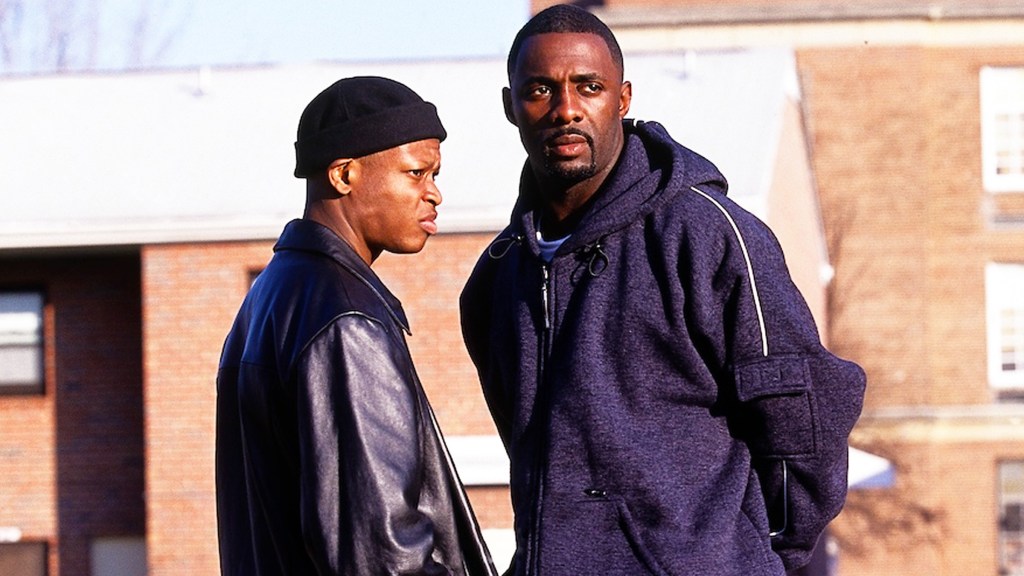
The first reason why it stands apart from other TV show os that the narrative of The Wire relies on a sociological framework rather than a traditional protagonist-driven plot. While Jimmy McNulty (Dominic West) serves as an initial entry point, the series treats the city of Baltimore as the primary subject, utilizing five distinct institutional pillars to dissect urban decay. By shifting focus from the drug trade in Season 1 to the international shipping ports in Season 2, and subsequently through City Hall, the public school system, and the newsroom, The Wire builds a comprehensive map of how capital and politics interact.

The show also avoided the use of non-diegetic music, forcing the audience to engage with the environmental soundscapes of West Baltimore without emotional cues from a traditional score. This clinical detachment ensured that the tragedy of characters like Duquan “Dukie” Weems (Germar Terrell Gardner) felt like an inevitable systemic failure rather than a scripted plot point. Sadly, this macro-level storytelling required a level of patience that modern streaming algorithms often discourage, which helps to explain why no one has attempted to recreate The Wire‘s success.
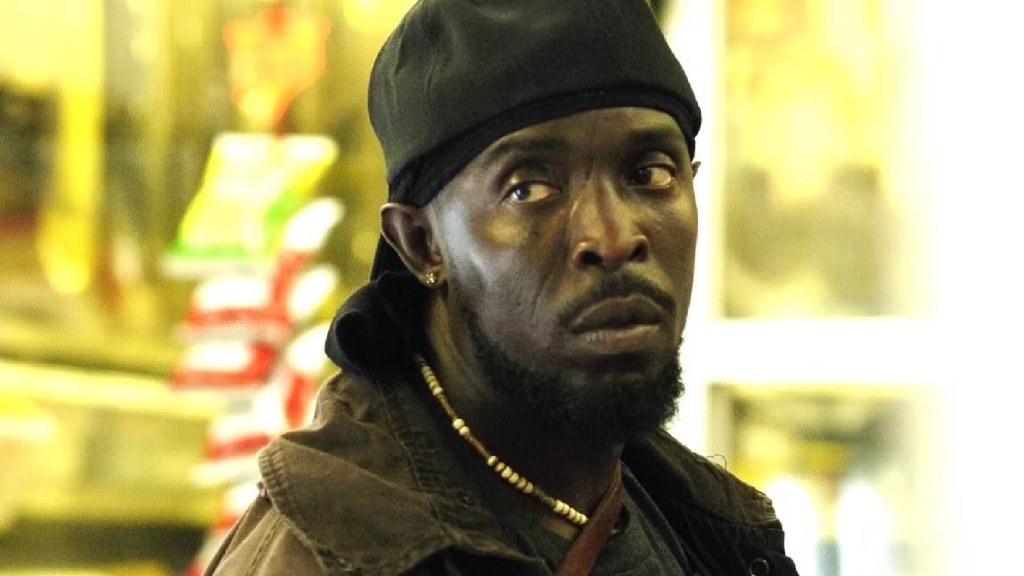
On top of that, The Wire achieved an unprecedented level of authenticity by integrating real-world Baltimore figures directly into the fictionalized narrative. David Simon, a former police reporter for The Baltimore Sun, and Ed Burns, a former homicide detective and teacher, used their professional experiences to populate the cast with individuals who understood the material’s gravity. For example, Melvin Williams, a real-life drug kingpin whom Burns had investigated in the 1980s, was cast in the role of The Deacon. This blurred line between reality and fiction extended to the dialogue, which heavily leaned into regional vernacular and technical jargon without providing explanatory exposition. The sheer diversity of the cast was also a statistical anomaly for early 2000s television, as The Wire featured a predominantly Black ensemble. This allowed the show to explore internal community dynamics and class struggles through figures like Stringer Bell (Idris Elba) and Omar Little (Michael K. Williams) with a nuance that transcended stereotypical depictions of crime.
Furthermore, the narrative density of The Wire functions more like a visual novel than an episodic police procedural. Each season operates as a single chapter where minor characters introduced in early hours often become central to the resolution of later conflicts. This commitment to the slow burn meant that the series never achieved high Nielsen ratings during its initial run, averaging roughly 4 million viewers during its peak seasons, which was a fraction of the audience for The Sopranos. However, the long-tail success of the show on DVD and streaming platforms has proven that its value lies in its durability. Unlike most television, which focuses on the “how” of a crime, the writing staff focused on the “why,” creating a data-driven indictment of American institutions that remains extremely relevant today.
The Wire is currently available to stream in its entirety on Max.
Do you think any modern series has come close to matching the depth of The Wire? Leave a comment below and join the conversation now in the ComicBook Forum!
Most Viewed
-

CREATOR: gd-jpeg v1.0 (using IJG JPEG v80), quality = 88 -
Image Courtesy of DC Comics -

Image Courtesy of TMS Entertainment -

Image Courtesy of Prime Video -

Courtesy of Mega Crit