Netflix often relies on a massive marketing machine to ensure its high-profile projects dominate the cultural conversation. The platform frequently pours resources into star-studded cinematic events like Wake Up Dead Man: A Knives Out Mystery or global television sensations such as Stranger Things, where the sheer scale of the promotion makes success feel inevitable. However, the most fascinating aspect of the Netflix ecosystem is the occasional emergence of an unheralded sleeper hit. This phenomenon was on full display throughout 2025 with the unexpected popularity of the animated musical KPop Demon Hunters and the technically ambitious crime drama Adolescence. The start of 2026 has delivered a similar surprise with the mystery thriller series Run Away. While the production lacks the massive pre-release fanfare of its peers, the show has already secured over 80 million hours watched worldwide. Despite the impressive viewership data, the series is currently being bashed by a vocal segment of the audience.
Videos by ComicBook.com
Run Away officially premiered on January 1, 2026, as an eight-part limited series adapted from the popular novel by Harlan Coben. The production features a distinguished cast of British talent led by James Nesbitt, who portrays a father desperately searching for his missing daughter in the dangerous underworld of the United Kingdom. He is joined by Minnie Driver and Ruth Jones in a narrative that is typical of the Coben universe, filled with elaborate twists and interconnected secrets.

While Run Away has enjoyed a warm reception from professional reviewers, currently holding a respectable 83 percent score on Rotten Tomatoes, the audience reaction tells a much different story. The viewer score has plummeted to a meager 40 percent at the platform, revealing a massive disconnect between critical praise and the frustration of the general public. This discrepancy is particularly jarring given the high viewership numbers, suggesting that while millions are tuning in to see the mystery unfold, a significant portion of that audience is finishing Run Away with a sense of profound dissatisfaction.
Why Are People Displeased with Run Away, Despite Watching the Show?
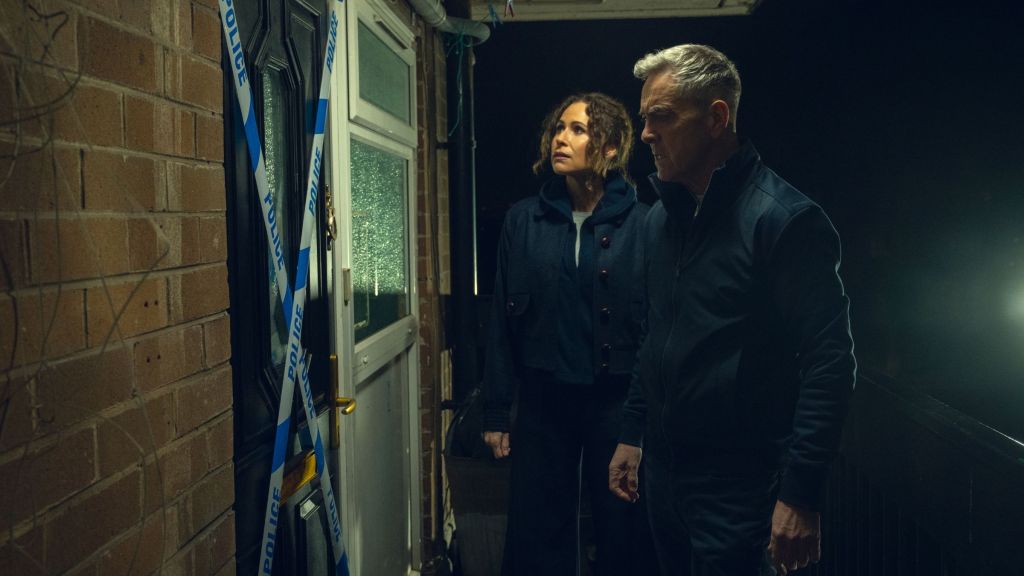
Warning: Spoilers below for Run Away. The primary point of contention among Run Away viewers involves what many describe as a total collapse of logic within the show’s narrative structure. On Reddit and social media, threads have been flooded with complaints regarding the behavior of the lead characters, particularly the revelation that the mother was aware of her daughter’s safety while her husband suffered through a mental breakdown. Many fans find it impossible to reconcile the emotional stakes of a missing child with a plot where one parent essentially watches the other disintegrate in fear without offering a simple explanation. This perceived cruelty by the writers toward the protagonist has left a sour taste for many who felt the eventual payoff did not justify the characters’ illogical choices. Furthermore, the inclusion of a secret half-sibling twist and an underdeveloped cult storyline that viewers felt were unnecessary to the core mystery made the series even more convoluted.
Critics of Run Away also believe that the first six episodes offer very little substance, only for the series to dump a mountain of exposition on the viewer in the final hour. This pacing has led to accusations that the series is being intentionally stretched to meet episode counts rather than serving the needs of the narrative. Even the technical aspects of the production have come under fire, with some audiences mocking the use of wigs to portray younger versions of characters in flashbacks or the presence of numerous firearms in a setting where gun violence is statistically rare.
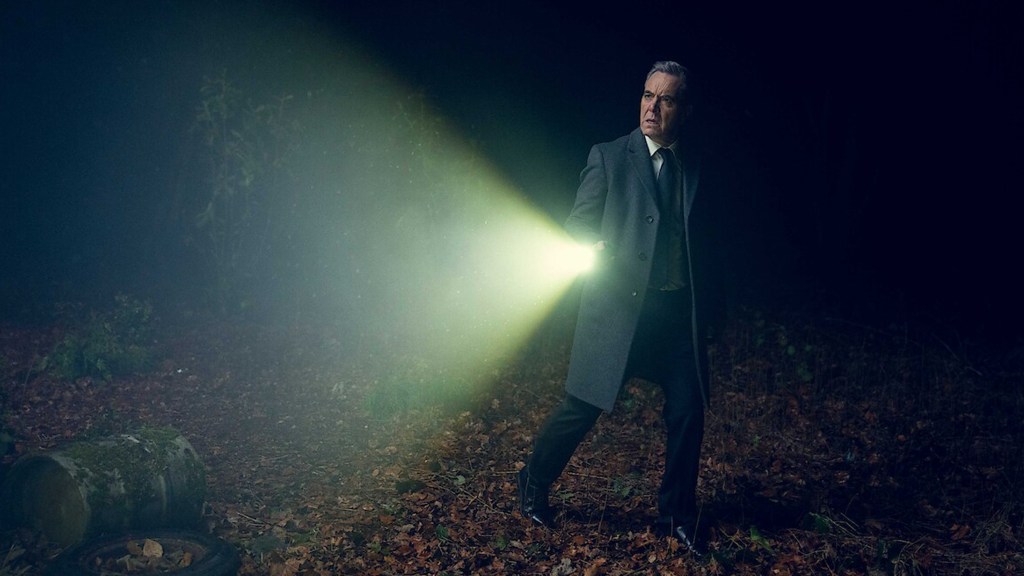
Despite these harsh criticisms, the show remains a massive success in terms of raw data, which points toward a fascinating trend of “hate-watching.” Many viewers admit that while they find the acting to be over-the-top and the plot holes to be massive, the addictive nature of the “whodunnit” format keeps them glued to the screen until the credits roll. The production relies on a relentless stream of red herrings and cliffhangers that trigger a psychological need for closure, even if the audience is aware that the resolution will likely be nonsensical.
Run Away is currently available to stream on Netflix.
Did the plot twists in Run Away make sense to you, or were they too much? Leave a comment below and join the conversation now in the ComicBook Forum!
More TV Shows
-

image courtesy of marvel studios -

IMAGE COURTESY OF PARAMOUNT -

Courtesy of Cartoon Network