The HBO adaptation of J.K. Rowling’s Harry Potter novels is shaping up to be the ambitious version of the Wizarding World, set to surpass the film franchise Warner Bros. launched in 2001. Showrunner Francesca Gardiner, whose Emmy-winning work on Succession established her as one of television’s best storytellers, is overseeing a production designed to span a full decade, with each of Rowling’s seven novels receiving its own season. Director Mark Mylod, another Succession and Game of Thrones veteran, is co-leading the creative effort, with the cast already counting celebrated performers such as John Lithgow as Dumbledore, Paapa Essiedu as Snape, and Janet McTeer as McGonagall.
Videos by ComicBook.com
The eight-film Harry Potter franchise earned over $7.7 billion worldwide and remains one of cinema’s most impressive commercial runs. However, the limitations of theatrical runtimes forced screenwriters to treat plot mechanics as the priority, which meant supporting characters were routinely reduced to functional presences or stripped of the arcs Rowling had constructed for them. With eight episodes in the first season alone, the HBO series has the space to restore what the films left behind, fixing the character that the movies have overlooked.
3) Fleur Delacour

Fleur Delacour (Clémence Poésy) arrives in Goblet of Fire as the Beauxbatons champion. The films lean into her French glamour and nothing more, giving her almost nothing substantive to do across two appearances before she fades out of the story entirely. Half-Blood Prince is where the damage is most visible.
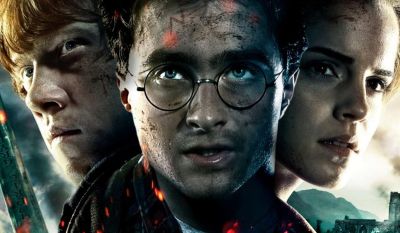
When Fenrir Greyback mauls Bill Weasley during the Battle of the Astronomy Tower, the book stages a pivotal scene in which Fleur confronts Molly Weasley’s doubts about her directly, declaring that Bill’s scars make no difference to her love for him. That confrontation dismantles Molly’s skepticism, earns Fleur her place in the family, and transforms her from a rival into a daughter-in-law Molly genuinely accepts. The film cuts the scene entirely and skips to their wedding, which means Fleur never gets to demonstrate the depth that earns her that acceptance. The HBO series has the space to build Fleur across multiple seasons as the clear-eyed character Rowling wrote rather than a beautiful background presence.
2) Cho Chang

Cho Chang (Katie Leung) in the films is a grieving ex-girlfriend who cycles through the story as an emotional prop before the franchise discards her. The books give her more complexity, which is already reason to revisit Cho, but the films compounded the problem with a rewrite in Order of the Phoenix that actively made her character worse. In Rowling’s novel, Dumbledore’s Army is exposed to Umbridge through Cho’s friend Marietta Edgecombe, who betrays the group under family pressure. The film transfers that betrayal directly onto Cho, which transforms a character processing the traumatic death of Cedric Diggory into someone who hands Harry’s secret organization to his tormentor. The distinction matters because it removes Cho’s integrity, one of the character’s defining traits in the books.
Cho exits the film series implicated in a betrayal she did not commit, without a scene to rehabilitate her reputation. The HBO series can restore Marietta to her role, allow Cho the grief arc Rowling actually wrote for her, and give the character a screen presence proportionate to her place in the story.
1) Percy Weasley
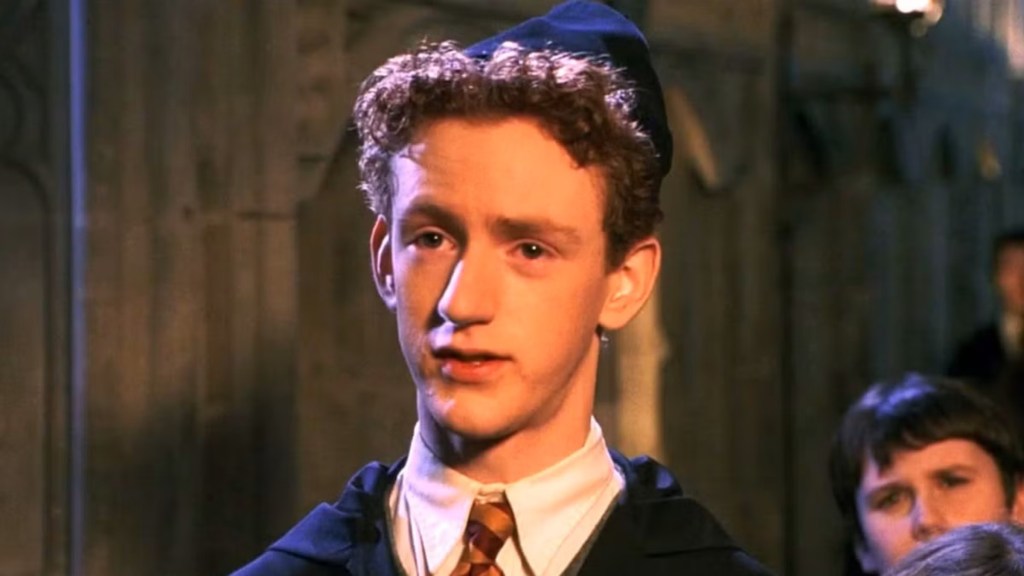
Percy Weasley (Chris Rankin) exists across the film series as a pompous presence in the early entries before vanishing entirely and resurfacing in Deathly Hallows: Part 2 to deliver a single joke ahead of the battle. Between those two moments, the films discard a major arc of Rowling’s books. In the novels, Percy’s allegiance to the Ministry of Magic during Voldemort’s resurgence fractures the Weasley family across four books. He publicly dismisses his father’s warnings, severs contact with his siblings, and breaks his mother’s heart before returning to the family’s side during the Battle of Hogwarts in a scene that earns its emotional weight through years of buildup.
That arc gives the Weasley household a domestic conflict that mirrors the series’ broader political argument that institutional authority can corrupt otherwise decent people and separate families along ideological lines. The HBO series can restore Percy as a figure whose misplaced ambition has real consequences for characters the audience loves, rather than a punchline waiting at the end of a long absence.
Which underserved Harry Potter character are you most hoping the HBO series finally gets right? Leave a comment below and join the conversation now in the ComicBook Forum!