
In the 1980s, television operated under rigid network mandates designed to maximize syndication profits. For starters, broadcast executives prioritized episodic storytelling, ensuring viewers could tune into any given broadcast without needing prior context. That structure created an era dominated by formulaic multi-camera sitcoms and dramatic procedurals that leaned heavily on the novelty of the week. As a result, writers were forced to resolve complex conflicts within a strict twenty-two-minute or forty-four-minute window, leaving little room for serialized character development or moral ambiguity. On top of prioritizing immediate viewer gratification over long-term narrative cohesion, episodic 1980s shows also frequently looked for easy punchlines to connect with an audience as fast as possible, often at the expense of marginalized groups.
Videos by ComicBook.com
The passage of decades has aggressively exposed the structural and cultural flaws inherent to 1980s television, with many massive commercial hits from the era becoming unwatchable when subjected to modern standards. For example, series like The Dukes of Hazzard and Three’s Company suffer from deeply ingrained prejudices that alienate contemporary viewers, while family comedies such as ALF collapse under the weight of repetitive catchphrases. Despite the unforgiving passage of time, a select few 1980s TV productions managed to transcend the limitations of their era, aging gracefully and remaining relevant decades later.
5) Hill Street Blues

Steven Bochco’s Hill Street Blues completely dismantled the traditional framework of the television police procedural during its debut in 1981. Before this production, network crime dramas resolved a single case within a self-contained episode, keeping the personal lives of the officers strictly in the background. Bochco rejected this standard formula by demanding unprecedented creative control from NBC, using his authority to introduce serialized storytelling that wove multiple unresolved narrative threads across entire seasons. On top of that, the camera work of Hill Street Blues had a documentary-style aesthetic filled with overlapping dialogue that plunged the audience directly into the frantic energy of the precinct.
Hill Street Blues‘ groundbreaking structural format allowed the writers to explore the psychological toll of urban law enforcement. At the center of it was Captain Frank Furillo (Daniel J. Travanti), constantly navigating bureaucratic corruption and complex moral compromises that remain strikingly relevant. Furthermore, the ensemble cast was allowed to fail and make deeply unethical choices, while also suffering long-term consequences for their actions. This commitment to character established the blueprint for modern prestige television, ensuring the series remains gripping today.
4) Cheers
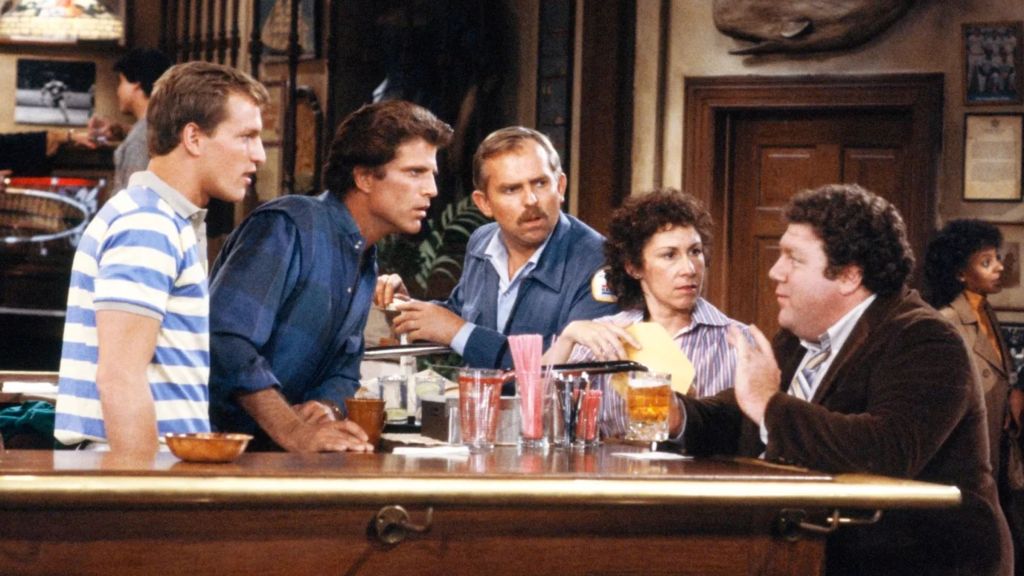
The setting of a subterranean Boston bar provided Cheers with the perfect stage to revolutionize the standard American sitcom. Creators Glen and Les Charles populated the establishment with a deeply flawed ensemble of working-class regulars and pretentious intellectuals, creating humor from their class friction rather than simple setups and punchlines. In addition, the central dynamic between recovering alcoholic bartender Sam Malone (Ted Danson) and highly educated waitress Diane Chambers (Shelley Long) introduced long-form serialized romance to the half-hour format, as their volatile relationship convinced audiences to invest in their continuing development across multiple seasons.
Because the setting rarely changed, Cheers relied entirely on its interpersonal relationships. The writers consistently prioritized character-based dialogue, allowing the bar patrons to change and evolve, instead of resetting the status quo after each episode. It’s also worth noting that the production successfully navigated massive cast changes, replacing beloved figures without losing momentum or altering the fundamental tone of the comedy. Thanks to that, Cheers still works as a sophisticated sitcom about surrogate families.
3) Star Trek: The Next Generation

Reviving a legendary science fiction property after two decades presented massive commercial risks, yet Star Trek: The Next Generation succeeded by embracing rigorous intellectual debate over sheer action. Gene Roddenberry’s updated vision placed the USS Enterprise-D under the command of Captain Jean-Luc Picard (Patrick Stewart), a leader who heavily favored diplomacy, historical analysis, and strict adherence to protocol over physical confrontation. Based on this premise, Star Trek: The Next Generation writers used the vastness of space to stage complex philosophical allegories, examining issues from artificial intelligence sentience to the limitations of the Federation’s prime directive of non-interference.
Production values in The Next Generation saw a significant upgrade from the original series, but the true longevity of the broadcast stems from its commitment to exploring ethical conundrums. Characters routinely gather in observation lounges to debate the moral implications of their mission parameters, treating the audience with intellectual respect and inviting fans to ponder the same questions. In the end, The Next Generation‘s dedication to cerebral storytelling insulates the show from its aging special effects, all the more because its philosophical questions are still relevant.
2) The Wonder Years
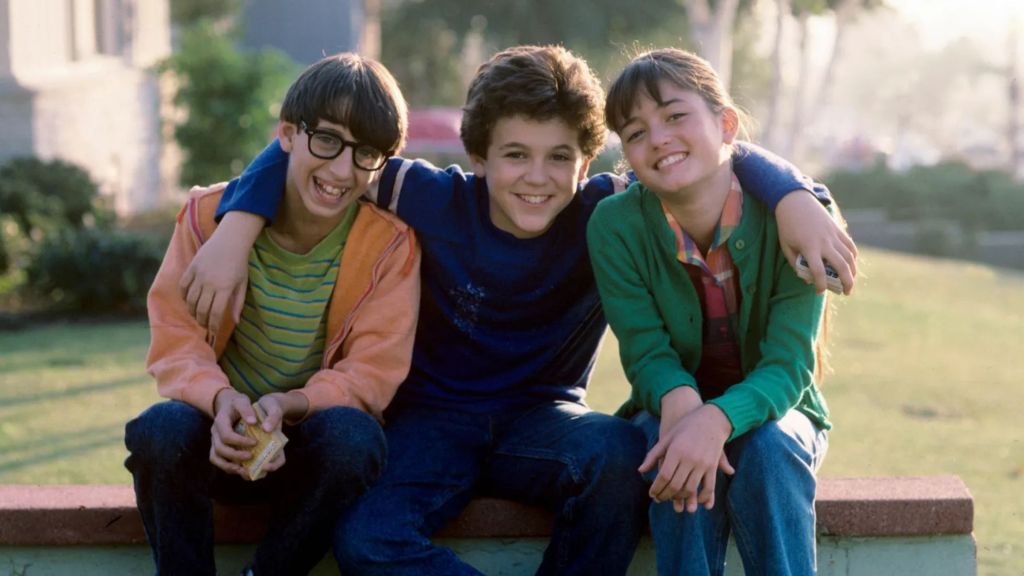
In 1988, The Wonder Years abandoned the conventions of the traditional family sitcom to deliver a deeply melancholic examination of American adolescence during the turbulent late 1960s. Behind-the-scenes, the production discarded the ubiquitous studio audience and multi-camera setup, opting instead for a cinematic single-camera format completely devoid of a laugh track. Those were major creative swings in the 1980s that helped The Wonder Years to become one of the most relevant shows of its time.
The narrative of The Wonder Years is centered on Kevin Arnold (Fred Savage), charting his transition from childhood innocence to teenage disillusionment against the backdrop of the Vietnam War and a massive family upheaval. Meanwhile, an adult version of the protagonist (voiced by Daniel Stern) provides constant retrospective narration, layering the immediate events of youth with the sobering perspective of maturity. Thanks to this dual timeline, writers could treat the minor tragedies of junior high school with rare sincerity, acknowledging that childhood heartbreak helps shape adults. Add to that the show’s refusal to artificially resolve familial conflicts or sanitize the historical era, and The Wonder Years holds as a must-watch sitcom.
1) The Golden Girls
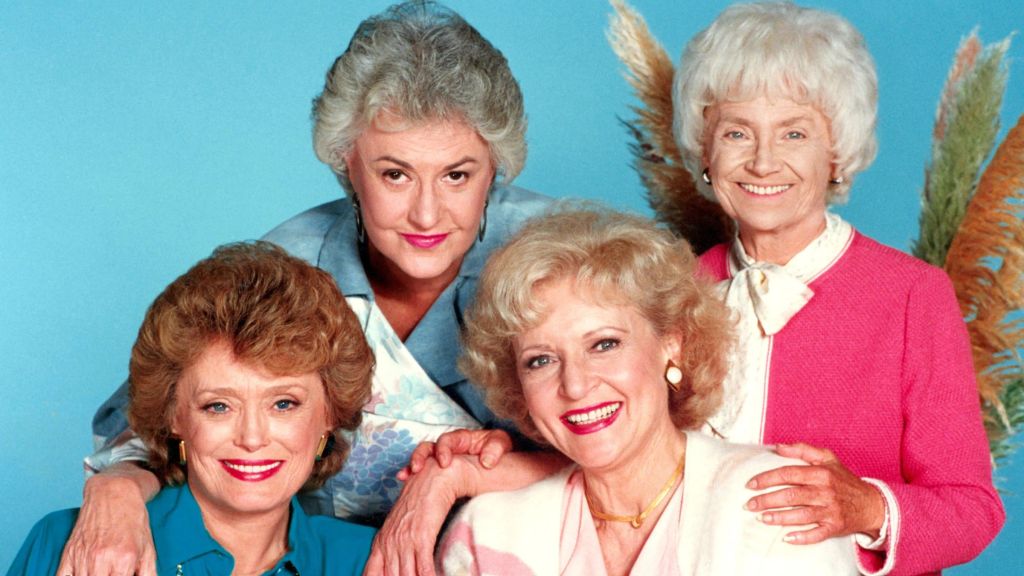
Network executives historically treated elderly demographics as an afterthought, making the massive commercial triumph of The Golden Girls an anomaly in broadcast history, even by today’s standards. The series focuses on four older women sharing a house in Miami, each episode using their vast life experiences to tackle subjects that other comedies actively avoided. That’s because Susan Harris created a production that confronted issues of ageism, the HIV/AIDS epidemic, elder care, and LGBTQ+ rights, wrapping progressive social commentary within biting sarcasm.
Beyond the historical and thematic importance of The Golden Girls, Dorothy (Bea Arthur), Rose (Betty White), Blanche (Rue McClanahan), and Sophia (Estelle Getty) formed an unstoppable comedic ensemble, delivering incredibly dense and rhythmic dialogue with an ease that puts many modern actors to shame. The characters were allowed to maintain vibrant romantic lives and deeply flawed personalities, rejecting the grandmother archetype prevalent in media. The unstoppable barrage of jokes and the uncompromising intelligence of The Golden Girls made it a series ahead of its time, which means it has aged better than most of its counterparts.
Which classic 1980s television show do you consider the most timeless entry in broadcast history? Leave a comment below and join the conversation now in the ComicBook Forum!
More TV Shows
-

Courtesy of Cartoon Network Studios -
Marvel Studios – Disney+ -

IMAGE COURTESY OF MARVEL TV -

IMAGE COURTESY OF LUCASFILM -

Prime Video – Marvel Studios


