Sci-fi series get progressively better when each book expands on the world, concepts, and characters from the previous installment in compelling ways — but some, unfortunately, do peak with the first novel. It’s difficult to maintain the momentum of a good story, especially when the opener is a 10/10 sci-fi book that sets the bar high for what comes after. Even if the sequels are impressive in their own right, they don’t always recapture the magic of that first foray into their worlds.
Videos by ComicBook.com
And that doesn’t mean the entire series isn’t worth reading. Sometimes, the follow-ups come close to book one in terms of quality, even if they fail to match it. From a bizarre blend of sci-fi and horror to a nostalgic but short-lived hit, these are prime examples of series never reaching the heights of their earliest installment.
5) The Southern Reach by Jeff VanderMeer
First Book: Annihilation
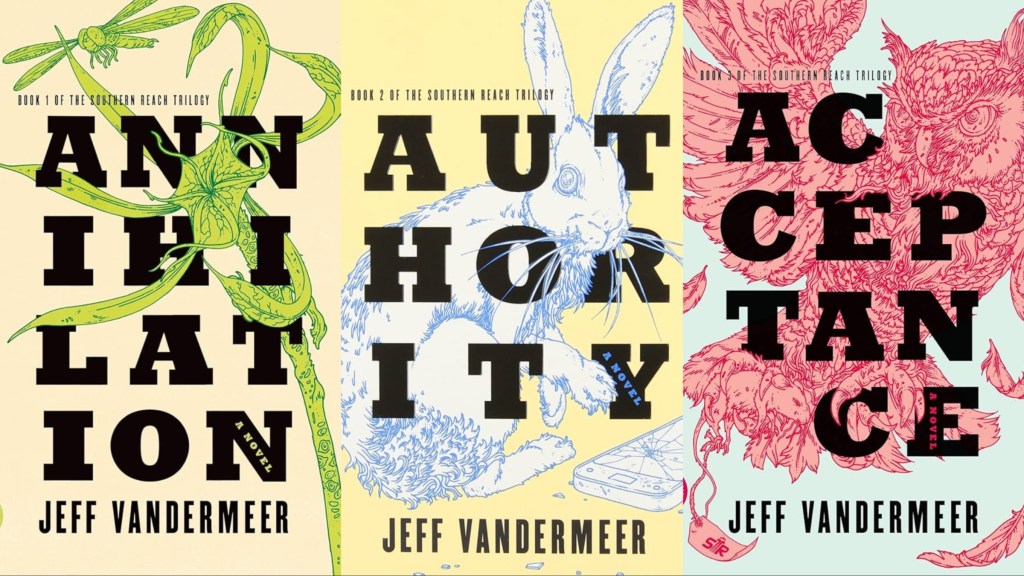
Annihilation marks a strong start to Jeff VanderMeer’s Southern Reach series, but its sequels won’t be for everyone. The first book’s expedition into the mysterious Area X offers just enough intrigue and tension to keep readers invested — and the execution of its strange premise is masterfully done. Authority and Acceptance have their own strengths but tend to be less highly regarded than that first book. The focus of these sequels shifts in a way not every reader will love, and the second feels noticeably slower. While Acceptance is a step up again, it still doesn’t reach the heights of Annihilation. With VanderMeer expanding on the series, it’s possible he can still top his 2014 book. However, 2024’s Absolution doesn’t accomplish this. The series is still worthwhile, but there’s one upside to Annihilation being the best: its ending makes it possible to stop there if you want to.
4) Remembrance of Earth’s Past by Cixin Liu
First Book: The Three-Body Problem

Cixin Liu’s Remembrance of Earth’s Past series features a lot of interesting ideas, making it a unique addition to a genre that’s already known for pushing boundaries. And some will no doubt disagree with this take, but The Three-Body Problem stands out as the strongest novel, if just marginally. There are many readers who’d place The Dark Forest at the top of a ranking, and the latter half of the book makes a solid case for it. However, it can feel like a slow journey, something that may come down to the translation — but that sets it back nonetheless. Each book in this series has a very different feel to it, which means that a reader’s favorite will likely come down to preference. For me, The Three-Body Problem is the peak.
3) Dune Series by Frank Herbert
First Book: Dune
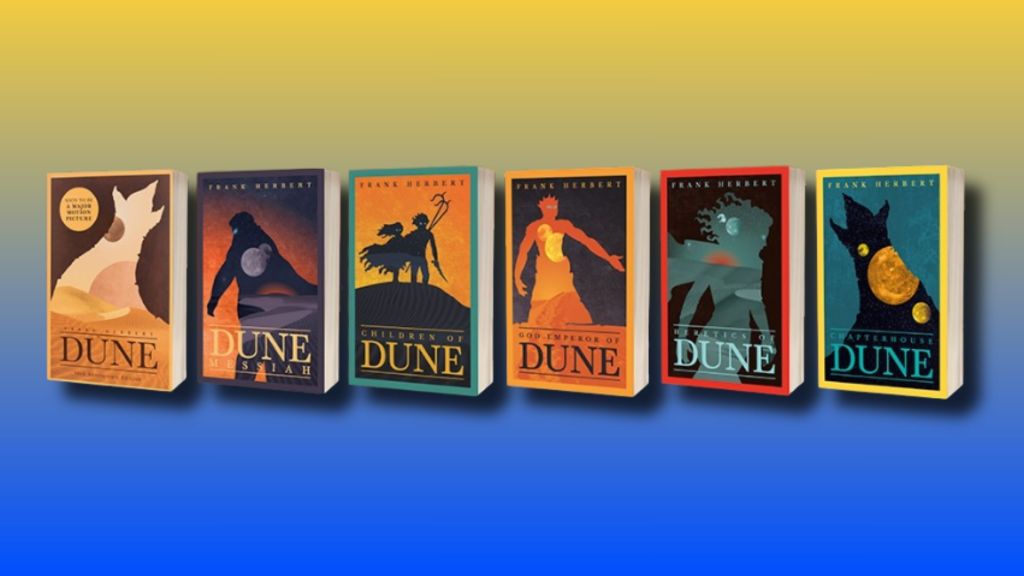
All the books in the original Dune series are classics in their own right, but the first installment sets too high of a bar for the rest to clear. Dune Messiah and God Emperor of Dune come close, and they’re also masterpieces, but nothing beats the quality of that first book. Its world-building, political intrigue, and sheer influence on the science-fiction genre elevate it above everything that comes after. It also holds up impressively on its own, even if the later books expand its world and characters in compelling ways. It’s easy to see why it became such a phenomenon, and while the later books do individual things better on occasion, Dune is just slightly better as a whole.
2) Divergent by Veronica Roth
First Book: Divergent
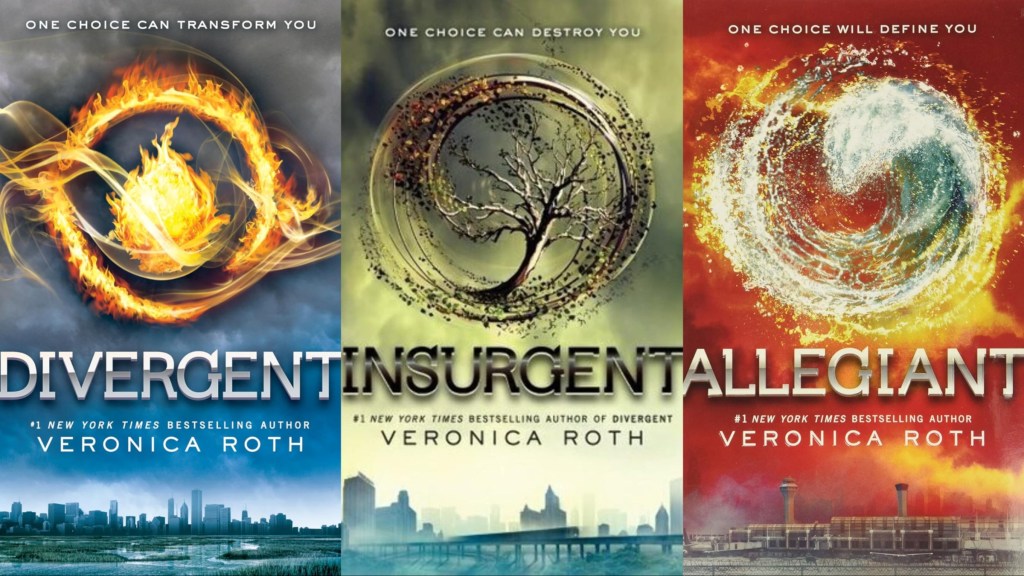
Divergent is one of several YA sci-fi series to dominate the 2010s dystopian era, but the first book is the peak of Veronica Roth’s story. In Divergent, Roth establishes a dystopian world with high stakes for anyone who deviates from its norms — our heroine, Tris, included. The backdrop may not be the most extensive to grace the genre, but it works well enough for the story the author wants to tell. And it has potential, as do the characters and the larger conflict at hand. Unfortunately, Insurgent suffers from the middle-book lull that plagues so many trilogies, failing to capitalize on everything Divergent sets up. Allegiant picks up the pace again, but its hugely divisive ending cements it below Divergent on most readers’ rankings.
1) Ready Player One by Ernest Cline
First Book: Ready Player One
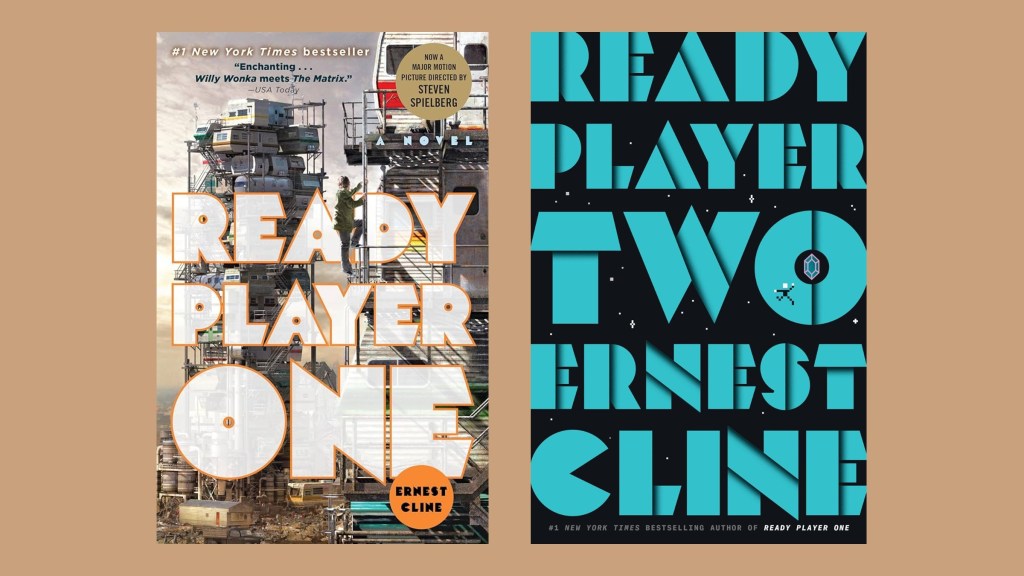
Ernest Cline’s Ready Player One is a sci-fi romp, transporting us to a future where the only solace is found in technology that capitalizes on a desire for the past. And when the creator of the book’s “virtual utopia” dies, its main character is thrown into a deadly competition to snag control of his legacy. The whole book serves as an ode to pop culture, and its premise takes readers on a fast-paced, thrilling ride. It’s no wonder it was so popular upon its release, but Ready Player Two mostly fails to capture the same excitement or charm. It’s still entertaining, but one gets the sense that this story could’ve worked as a standalone. It’s not just that the novelty wore off, either. The plot and character growth in book two leave a lot to be desired, making it one of the most criticized sci-fi sequels in recent history.
What’s a sci-fi series you think peaked with book one? Leave a comment and join the conversation now in the ComicBook Forum!
Most Viewed
-
Images Courtey of Image and Marvel Comics -

Image Courtesy of Science SARU -

Courtesy of Shueisha