
The premiere of Daredevil: Born Again has successfully revitalized the street-level corner of the Marvel Cinematic Universe by providing a definitive bridge between the Netflix era and the current continuity. This integration was critical for a franchise that had previously struggled to reconcile the grit of Hell’s Kitchen with the broader narrative requirements of the Sacred Timeline. Although the series faced a massive creative overhaul mid-production—a shift that inevitably impacted the pacing and structure of the released episodes—Daredevil: Born Again was ultimately embraced by a fanbase eager for the return of Charlie Cox’s Matt Murdock. Plus, this version of the character maintains the psychological weight of his previous appearances while proving that the more mature themes of the Defenders Saga can thrive within the Disney+ ecosystem.
Videos by ComicBook.com
Central to the success of Daredevil: Born Again is its bold adaptation of the “Mayor Fisk” storyline, a narrative arc that transforms the local power struggles of New York City into a high-stakes political thriller. The series will further expand its street-level scope by bringing Jessica Jones (Krysten Ritter) back into the fold in its second season, signaling a unified front for the urban protectors of the MCU. While the show, much like its predecessor, remains one of the most faithful translations of comic book lore to ever grace the screen, the writers have taken strategic liberties with various key and supporting figures to ensure the story fits the MCU’s framework. These changes also serve to modernize the social context of the legal battles and vigilante missions, yet the core identities of the protagonists remain unshakable. Consequently, several characters stand out as remarkably accurate portrayals of Marvel Comics origins.
5) Franklin “Foggy” Nelson
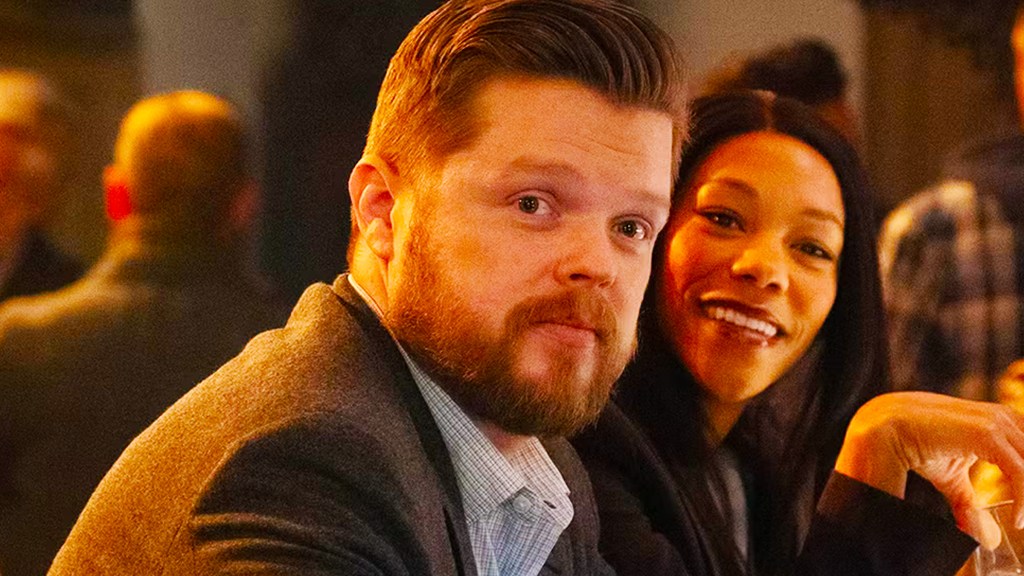
The inclusion of Franklin “Foggy” Nelson (Elden Henson) in the revival initially appeared to be a tragic footnote, as the character seemingly met his end at the hands of Bullseye (Wilson Bethel) in the series premiere. However, the narrative trajectory of the legal partner of Matt Murdock closely aligns with the “The Secret Life of Foggy Nelson” storyline from the comics. In the source material, Foggy is forced to fake his death and enter witness protection to ensure his safety while his partner navigates a particularly volatile period of his vigilante career. Born Again mirrors this specific brand of dramatic tension, utilizing Foggy’s apparent demise to fuel the protagonist’s descent into a more desperate psychological state. Despite his limited screen time in the early episodes, the version of Foggy presented in Born Again retains the unwavering loyalty and moral grounding that have defined him for over sixty years of publication history.

4) Hector Ayala, aka White Tiger
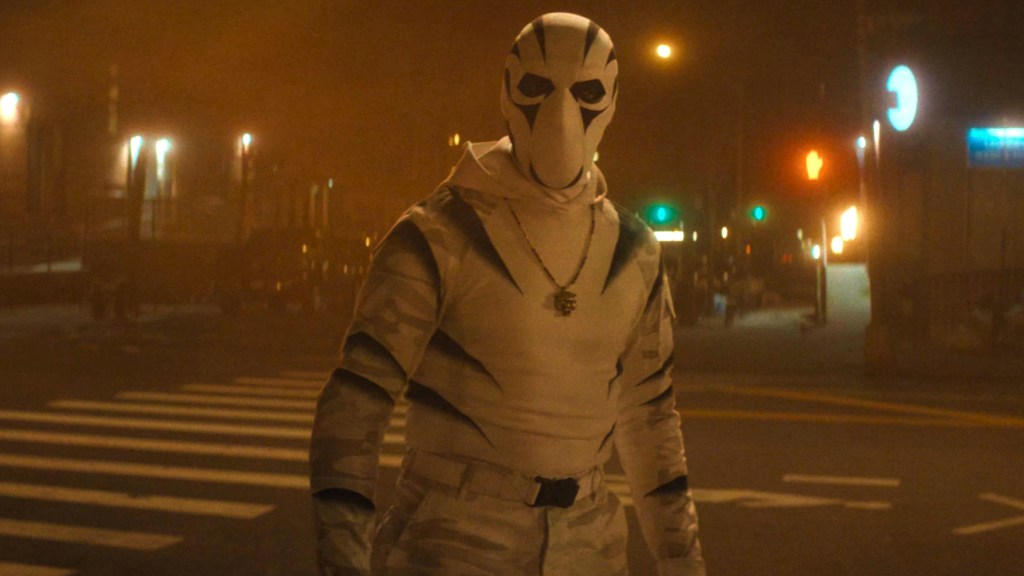
The live-action debut of Hector Ayala (Kamar de los Reyes) serves as a direct homage to the street-level mythology established in the pages of Deadly Hands of Kung Fu. As the first Puerto Rican superhero in Marvel history, Ayala uses mystical Jade Tiger amulets that grant him enhanced physical capabilities. The show’s handling of the White Tiger’s legal predicament is an exceptionally accurate adaptation of the “Trial of the Century” arc found in Daredevil #38 through #40. In both the comics and the series, Hector is a hero wrongly accused of a crime involving a police officer, forcing Matt Murdock to navigate a corrupt judicial system to clear his name. While the outcome of the trial differs slightly—with the television version securing an acquittal before his tragic murder—the character’s personality remains rooted in a selfless desire to protect his community from institutional rot.
3) Frank Castle, aka The Punisher
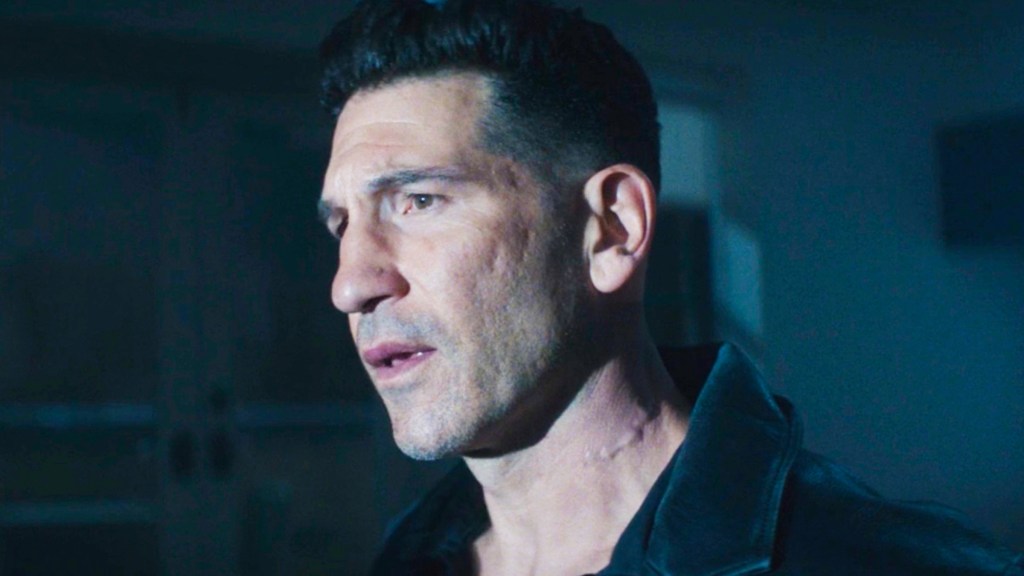
In Daredevil: Born Again, Frank Castle (Jon Bernthal) returns to the screen with an ideological intensity that is indistinguishable from the most influential runs of the comic book character. The narrative focuses on the existential conflict that arises when Castle discovers that his signature skull emblem has been co-opted by a faction of corrupt police officers within the NYPD. This specific plot point draws heavily from the 2019 Punisher series, where the character explicitly denounces individuals who attempt to use his violent methodology to justify their own systemic abuses. The appearance of the Punisher in the series and his transitioning from a bearded, hermetic back into the clean-shaven, skull-clad tactical warrior also mirrors the aesthetic evolution seen in the Garth Ennis or Jason Aaron eras of the comics. By emphasizing the character’s role as a tactical force that rejects any form of institutionalization, Born Again preserves the uncompromising nature of the mission of Frank Castle.
2) Matt Murdock, aka Daredevil
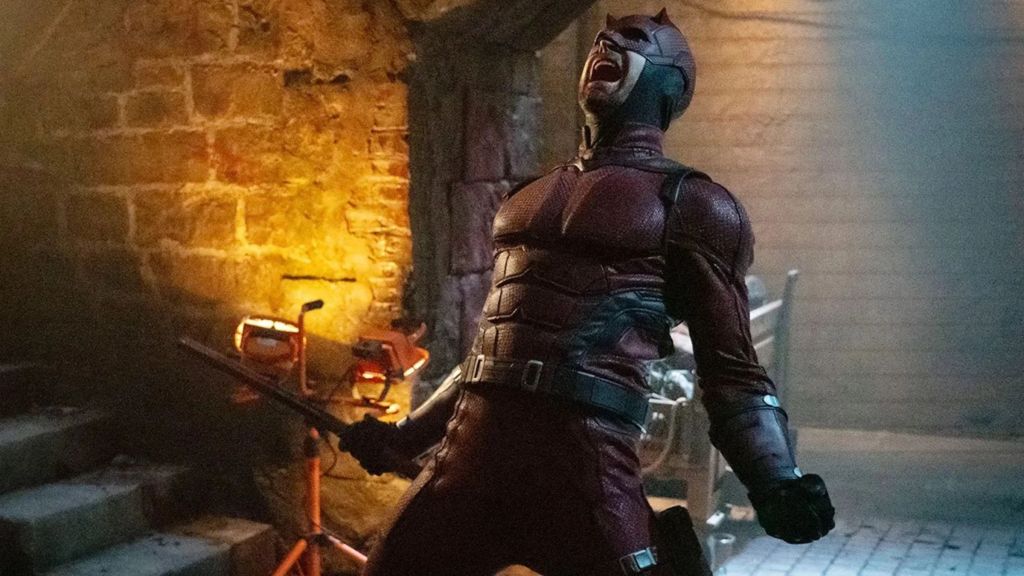
The portrayal of Matt Murdock in the revival serves as a sophisticated synthesis of the Frank Miller and Chip Zdarsky eras of Daredevil’s history. Central to this accuracy is the depiction of the Catholic guilt of Murdock and the inherent contradiction between his roles as a dedicated officer of the court and a violent vigilante. Daredevil: Born Again also captures the tactical mind and heightened sensory abilities of the hero with a level of detail that reflects the source material’s focus on the burden of his gifts. Plus, the narrative’s decision to have Matt retire his Daredevil persona before being drawn back into the fight mirrors several pivotal comic arcs where the hero attempts to seek a normal life, only to find that the city’s corruption demands his intervention. Finally, the physical look of the suit and the fighting style of the character—utilizing a mix of boxing and traditional martial arts—remain consistent with his comic book evolution.
1) Wilson Fisk, aka The Kingpin

At the summit of the list, Wilson Fisk (Vincent D’Onofrio) represents the most definitive translation of a comic book antagonist in the modern era of superhero television. The “Mayor Fisk” arc of Daredevil: Born Again is a direct adaptation of the Devil’s Reign storyline, where the Kingpin utilizes the political machinery of New York City to wage a legislative war against vigilantes. The production meticulously recreates the public persona of the character as a populist leader who promises order while maintaining his brutal control over the criminal underworld. This duality is a hallmark of Fisk since his early appearances, contrasting his refined elegance with outbursts of terrifying violence. Born Again also captures the strategic genius of the villain, showing a man who views the city as both a kingdom to be ruled and a system to be manipulated from within.
Which character in Daredevil: Born Again do you believe provides the most faithful representation of their comic book counterpart? Leave a comment below and join the conversation now in the ComicBook Forum!
