By every metric you can consider, Game of Thrones will go down as one of the greatest TV shows of all time. It was wildly popular, especially for a high-concept fantasy series, won a ton of major awards, was made on an epic scale, and featured stellar performances by pretty much everyone involved. Even with the final season turning out to be a massive disappointment, the overall quality of the show remains high. However, as is often the case, several major elements from the source material were left out from the TV adaptation. In some cases, the changes improved the show, like Arya’s interactions with Tywin at Harrenhal, the clash between Brienne and The Hound, and the expansion of Oberyn Martell’s role. Of course, there are also plenty of storylines that were left out that could’ve made the show even better and added a lot of intrigue to the political nature of the plot.
Videos by ComicBook.com
There’s a reason why so many people believe that the show needed 10 or more seasons rather than eight, especially when that final season felt so rushed. George R. R. Martin’s books have so much more going on that the show ignored, with many of them making for a greater story.
7) Ser Loras & The Siege Of Dragonstone

Ser Loras Tyrell is quite different on the page than on the screen. In the books, he’s a member of the Kingsguard who mourns Renly’s death deeply, while in the show, there are attempts to wed him to Sansa and Cersei, and he seems to move on from Renly rather easily. One of his biggest stories comes in A Feast for Crows, when Loras asks to lead the retaking of Dragonstone from Stannis Baratheon. Cersei agrees and actually hopes Loras dies in the process.
Loras is never a POV character in the novels, so we don’t see the siege take place, but the show could’ve easily taken care of that. It’s a costly victory, as many are wounded, including Loras, who is injured by a crossbow bolt, boiling oil, and more. He is said to be dying, though his fate remains uncertain to this day. This would’ve given his character more depth and fixed the fact that the show never gave him much to do. It also would’ve been different to see a battle on Dragonstone, as that location was mostly relegated to political scenes.
6) The North Remembers Plot
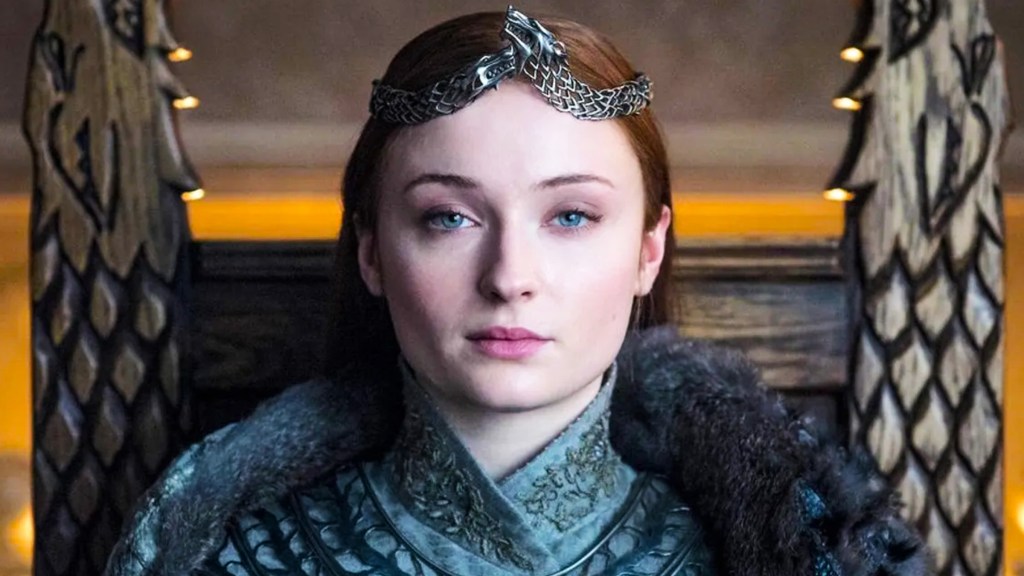
Winterfell and the entire North get taken by the Boltons following the Red Wedding, yet the fallout is different in the books. In the show, Jon and Sansa fight to take it back and do so after the Battle of the Bastards. The books have yet to see any Stark reunion, and Ramsay never marries or even meets Sansa. Instead, Sansa’s friend Jeyne Poole marries Ramsay, posing as Arya Stark. All the while, actual Northern Lords are secretly plotting to take back the North, which was never shown in the TV series.
The movement known as “The North Remembers” would’ve given more time for the North to get showcased. Lord Manderly, who appears loyal to the Freys and Boltons, gets a great moment where he secretly meets with Davos and explains, through a rousing speech, that his fealty to those families is a farce. He’s also the one who has a source that reports where Rickon Stark is hiding, which is where Davos ends up going. Watching the North get political and plot something like this would’ve been a welcome change, as that side of them wasn’t depicted on screen.
5) Cersei’s Prophecy Hints At Who Kills Her
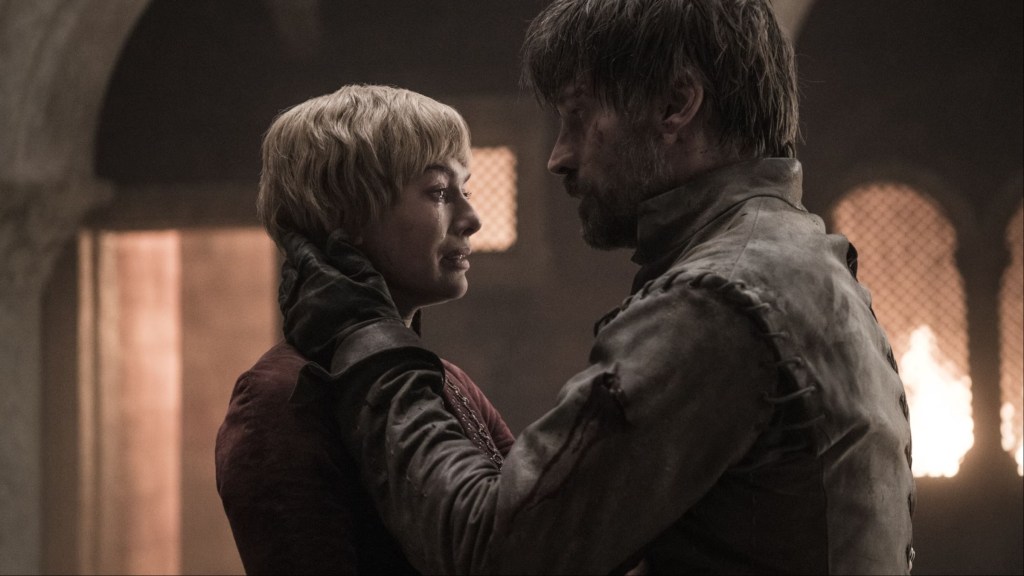
Viewers who didn’t read the books were likely taken aback in Game of Thrones Season 5 when a flashback showed a young Cersei meeting with Maggy the Frog, a sorceress who deals in prophecies. The series included Maggy telling Cersei about how “gold shall be their crowns and gold their shrouds,” which relates to the deaths of her children. However, the show completely leaves out another very important line. Maggy says, “The valonqar shall wrap his hands about your pale white throat and choke the life from you.” Valonqar means “little brother,” which explains part of why Cersei was always gunning for Tyrion.
She believed he was prophesied to kill her, which felt more likely as the prophecy about her children came true. However, Jaime also fit the bill. They’re twins, but he was born second. His golden hand fits with the idea of Cersei getting strangled. The books also saw Jaime start to turn on Cersei when he learned that she was unfaithful. This would’ve added paranoia and tension to their scenes, which was needed. It also would’ve led to a more interesting death for Cersei rather than the lackluster one we got.
There is also a theory that the prophecy fit Arya Stark. Many believe Valonqar could be gender-neutral, and even if not, there are constant references to people thinking Arya is a boy throughout the story. She’s also a little sibling herself. When you add in her famous kill list and her training as an assassin, Arya killing Cersei would’ve been a fun twist. Again, this all would’ve been better than what we actually got.
4) The Resurrection Of Lady Stoneheart
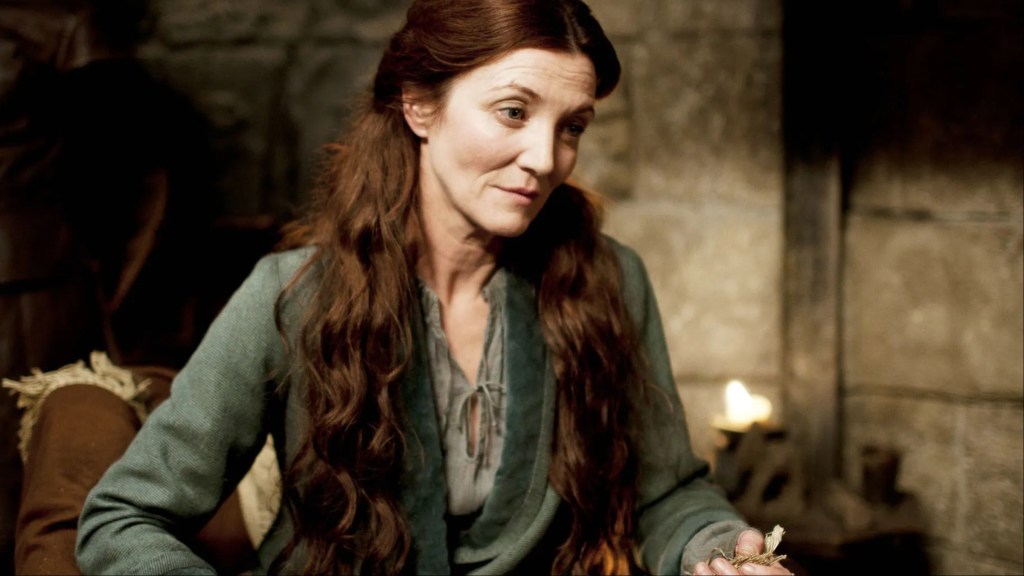
The Red Wedding is the most famous tragic scene in Game of Thrones history. The murders of Talisa Stark, Robb Stark, and Catelyn Stark were, unlike the death of Jon Snow, permanent in the series. However, that’s not entirely the case in the books. Catelyn’s body was thrown into the river and was recovered by the Brotherhood Without Banners, who Arya Stark had a run-in with. The group was led by Thoros of Myr, a red priest who could bring people back from the dead, and Beric Dondarrion.
The power of the red priest allows the Brotherhood Without Banners to bring Catelyn back from the dead as Lady Stoneheart. Due to the wound from getting her throat slit, she could barely speak, yet she ultimately went on to lead the Brotherhood. Lady Stoneheart is obsessed with revenge and starts capturing and hanging members of the Lannisters and the Freys. Her last scene in the book saw her capture Brienne and Podrick and charge them with bringing Jaime Lannister to her.
Getting to see a totally different take on Catelyn would’ve been incredibly intriguing. Without Lady Stoneheart, it feels like a lot of the scenes we had with the Brotherhood Without Banners didn’t have much meaning or lead anywhere.
3) Everything Regarding Ariane Martell
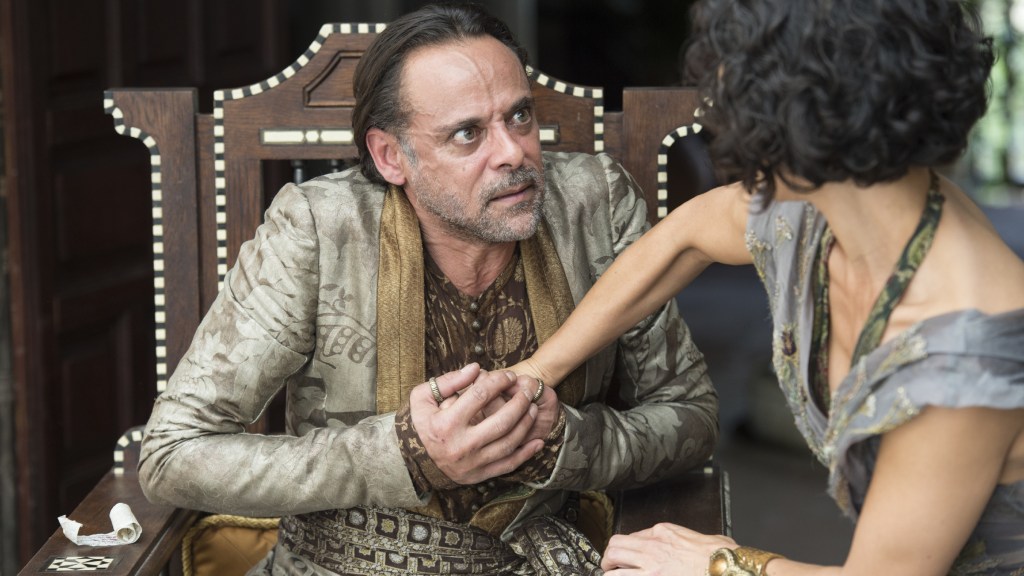
One of the biggest disappointments with Game of Thrones as a whole, even before the final season, was how Dorne was handled. The scenes there felt dull, when Dorne should’ve been exotic and exciting. A big reason why it was lackluster was how the show cut out Ariane Martell, Oberyn’s sister and the eldest daughter of Doran. She is one of the best political players in the franchise, plotting to make Myrcella, Cersei’s daughter who is staying at Dorne, Queen of the Seven Kingdoms.
Ariane’s plot is ultimately thwarted and leads to Myrcella losing an ear, which would’ve greatly improved Dorne scenes. Instead, Ellaria and the Sand Snakes were the women behind everything in Dorne, which was rather dull. Instead of folding some of Ariane’s qualities into those characters, putting her in the show and making the Sand Snakes and Ellaria into more background characters could’ve made Dorne scenes much better. She was simply a more interesting player than what we got.
2) Bran Isn’t The Only Stark Warg
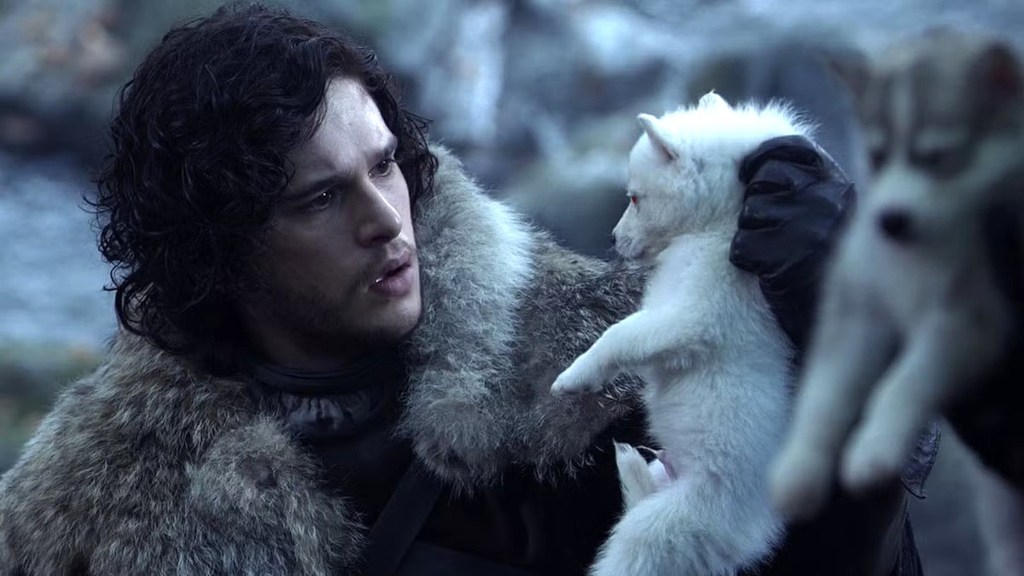
Game of Thrones focused a lot on Bran’s ability to warg into his direwolf, Summer. He even warged into Hodor at one point, proving his powers. It’s one of the coolest things that a character in this world can do, as it was even interesting when the unlikable Wildling Orell did it with his crow. Interestingly, the books go much deeper with wargs and hint that every trueborn member of the Starks could warg, which is part of their deep connection to their wolves.
Jon’s chapters often involve him having wolf dreams through Ghost, though he never dives too deep into it. Meanwhile, Arya’s dreams see her seemingly warg into Nymeria, despite her wolf being very far away. Robb and Sansa were also implied to have the ability, though it’s not seen much. Despite the fact that George R. R. Martin confirmed the Starks could do this, the show never utilized it. That would’ve made the audience connect even further to the wolves and added to the show’s mythical elements.
1) Young Griff’s Inclusion

After his trial, Tyrion Lannister goes on a journey to meet Daenerys Targaryen. In the books, while he’s on the way there, he meets a boy known as Young Griff. He seems noble-born and to be harboring a secret, and it eventually gets revealed that he’s Aegon Targaryen, Daenerys’ nephew. This raises questions, as Aegon was believed to have been killed by Gregor Clegane, meaning someone would’ve swapped out the babies before that could happen. That said, it’s unclear if Young Griff is truly Aegon or if he’s an imposter.
If he’s a true Targaryen, he’s a contender to the Iron Throne with a better claim, by Westeros rules, than Daenerys. This also would’ve further complicated things between Daenerys and Jon, as he would be Jon’s brother and have a similar claim. Without him, the show just had Jon say, “She is my queen” a lot, and their relationship lacked any sort of conflict or intrigue. If Young Griff is truly just an imposter, the show could’ve at least included him in a quick appearance where he’s proven to be a liar. Leaving him out completely hurt the show’s final seasons.
More TV Shows
-
Image Courtesy of Paramount+ -
Courtesy of The Sci-Fi Channel -

Image Courtesy of Warner Bros