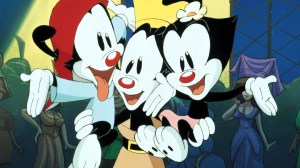
Sword and Sorcery is a branch of fantasy that centers on the struggle of individuals rather than the sprawling world-building or noble lineages found in epic fantasy. While the high fantasy tradition usually relies on a “chosen one” who must save the world from a totalizing evil, Sword and Sorcery focuses on action-oriented characters whose motivations are strictly personal, such as the acquisition of wealth, the pursuit of revenge, or simple survival. On top of that, the setting of this subgenre is typically a decaying or primitive landscape where magic is not a benign force or a structured science but a rare, corruptive, or unpredictable hazard. Finally, Sword and Sorcery rejects grand prophecies and obvious morals of its epic counterparts, opting instead for a gritty realism where the outcome of a battle is determined by the sharp edge of a blade and the physical resilience of a warrior navigating a landscape of shadows and elder horrors.
Videos by ComicBook.com
The scarcity of high-quality Sword and Sorcery on television is a direct consequence of the medium’s preference for long-form narrative stability and clear heroic trajectories. Television networks often prioritize serialized arcs that offer a sense of global progression, whereas the roots of Sword and Sorcery are found in episodic pulp adventures that favor nihilism over restoration. Consequently, truly effective entries in this category are rare and highly prized for their ability to maintain a focus on the personal and the physical. While not all the shows of this list check all the boxes when it comes to Sword and Sorcery tropes, they are the best examples of productions that stick close to the genre, preferring the brutal reality of a lone warrior’s path to the idealistic tropes of high fantasy.
7) BeastMaster

The BeastMaster television series, starring Daniel Goddard as Dar, successfully expands the wandering warrior archetype into a consistent long-form adventure. Rather than defaulting to the sprawling geopolitical alliances that define epic fantasy, the production prioritizes a texture-heavy environment where civilization is a fragile concept, and the only reliable law is the bond between the hero and the wild. This focus on personal agency is bolstered by Dar’s telepathic connection with his animal companions, a unique survival tool he employs to navigate a world teeming with malevolent entities like the Dark One and opportunistic sorcerers who wield magic as a disruptive force. Finally, by anchoring the stakes in the protagonist’s search for his lost family and the immediate defense of his territory, BeastMaster successfully preserves the gritty essence of its pulp origins and the physical demands of a barbarian hero.

6) The Witcher
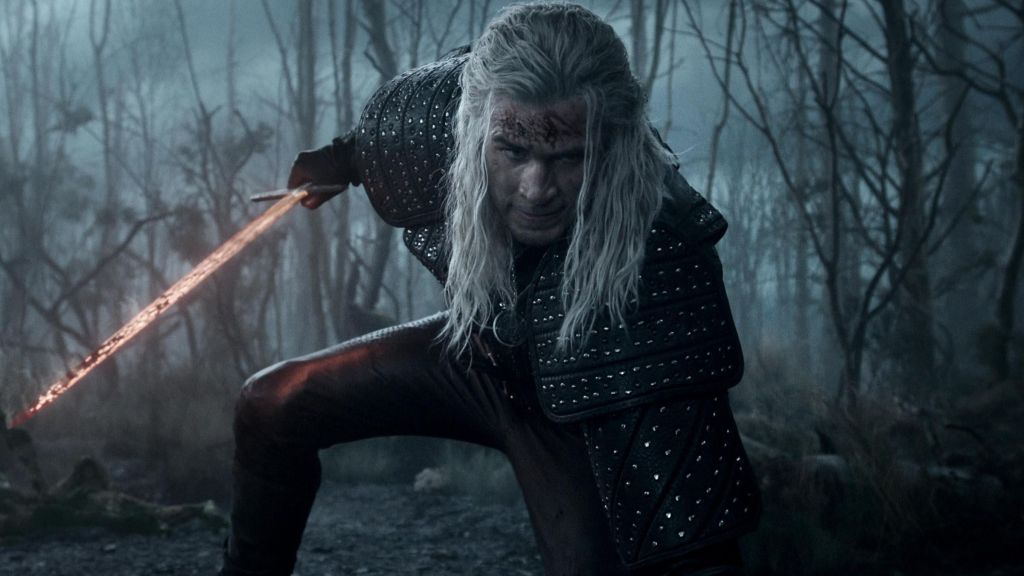
The Netflix adaptation of The Witcher successfully navigates the transition from episodic short stories to a serialized drama while maintaining the individualistic core of its protagonist. By focusing on Geralt of Rivia (Henry Cavill/Liam Hemsworth), a professional monster hunter for hire, the series highlights the mercenary nature of survival in a world where the supernatural is a predatory threat rather than a source of wonder. The narrative also emphasizes the physical toll of combat and the corruptive influence of magic, depicting sorcery as a dangerous tool that requires horrific sacrifices. Furthermore, the show’s exploration of the Continent as a landscape of moral decay aligns with the Sword and Sorcery tradition of rejecting binary concepts of good and evil. While the show has struggled to keep its pacing at each new season, the portrayal of Geralt remains a definitive example of a lone warrior whose primary struggle is maintaining his personal code amidst the collapse of societal structures.
5) Conan the Adventurer
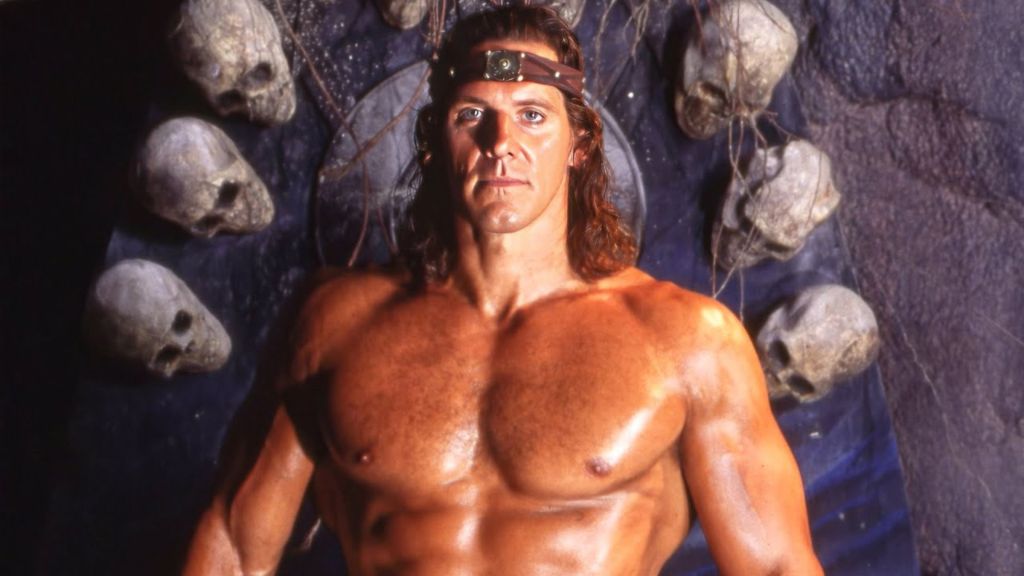
The 1997 live-action series Conan the Adventurer attempted to bring the foundational Sword and Sorcery pulp hero created by Robert E. Howard to the small screen through a series of episodic adventures. Starring Ralf Moeller as the titular Cimmerian, the production focused on the physical presence and instincts required to survive the Hyborian Age. Unlike the grand geopolitical narratives of epic fantasy, Conan the Adventurer remained centered on the immediate conflicts between Conan (Ralf Moeller) and various opportunistic sorcerers, most notably the villainous Hissah Zuhl (Jeremy Kemp). Furthermore, the narrative avoided the bloat of excessive lore, choosing instead to emphasize the barbarian’s distrust of the supernatural and his reliance on martial dominance. While the show navigated the budgetary constraints of late-90s syndication, Conan the Adventurer successfully captured the “lone warrior” aesthetic by placing the protagonist in a world where the gods are silent, and the only certainty is the strength of his own arm.
4) Thundarr the Barbarian
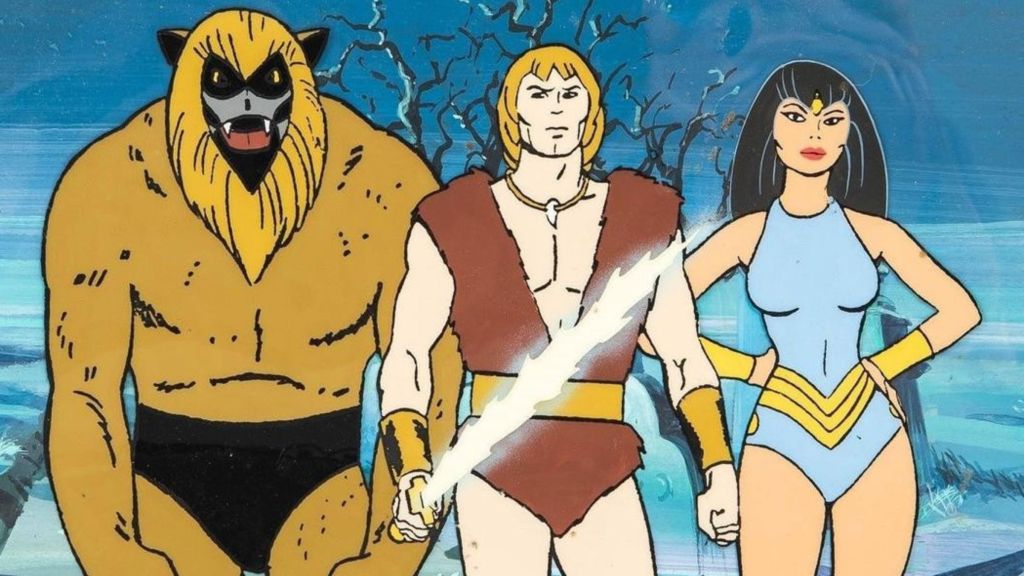
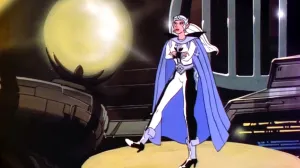
The animated series Thundarr the Barbarian provides a unique post-apocalyptic interpretation of Sword and Sorcery by blending futuristic ruins with primitive savagery. Set in a world where a runaway planet shattered the moon and decimated human civilization, the show follows Thundarr (voiced by Robert Ridgely) as he battles tyrannical wizards who utilize a mix of lost technology and dark magic to enslave survivors. This 1980s production prioritizes the physical prowess of its protagonist, whose primary weapon is the Sunsword, a tool of pure energy that functions as a beacon of resistance against supernatural oppression. The landscape of Thundarr the Barbarian is a wasteland of elder horrors and decaying cities, perfectly capturing the atmospheric dread and lawlessness central to the subgenre. By focusing on the episodic liberation of various tribes and the personal combat between Thundarr and sorcerous despots, the series remains an essential example of how Sword and Sorcery tropes function in an animated medium.
3) Xena: Warrior Princess
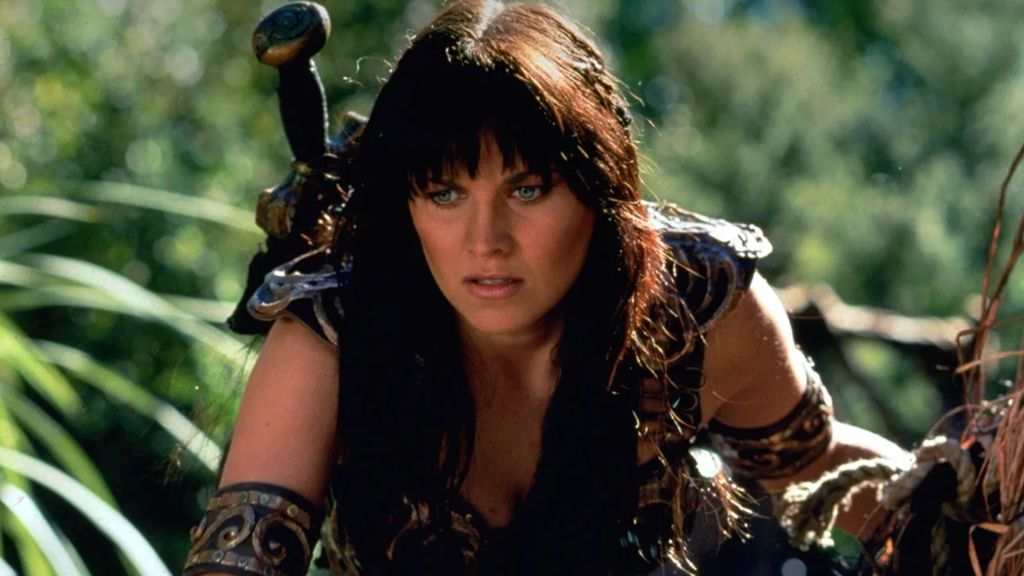
The long-running series Xena: Warrior Princess features a protagonist driven by a desperate need for personal redemption rather than noble destiny. Xena (Lucy Lawless) operates in a world where the gods are capricious and often malevolent, treating human lives as pawns in their petty rivalries. The show utilizes an episodic format that allows Xena to traverse a primitive landscape, relying on her physical skills and her iconic chakram to solve immediate problems and defend the vulnerable. By rejecting the “chosen one” narrative in favor of a hero who must constantly confront the atrocities of her own past, the production maintains the gritty moral ambiguity typical of Sword and Sorcery. Furthermore, the show’s portrayal of magic as an often deceptive force reinforces the subgenre’s inherent distrust of the supernatural, placing the focus squarely on the warrior’s physical actions and individual choices.
2) Robin of Sherwood

The 1980s cult classic Robin of Sherwood remains a definitive example of Sword and Sorcery on television due to its earthy realism and its depiction of magic as a dangerous energy. Created by Richard Carpenter, the series reimagines the English outlaw as a chosen champion of Herne the Hunter (John Abineri), a pagan deity who represents the untamed power of the forest. The production eschews the polished aesthetics of traditional historical drama in favor of a mud-splattered environment where the struggle for survival is a daily reality. The antagonists, such as the Sheriff of Nottingham (Nickolas Grace) and various practitioners of the black arts, use magic as a tool for political and spiritual domination, forcing Robin (Michael Praed) to rely on his physical expertise and instincts. By blending the gritty details of medieval life with a haunting score and a focus on the personal conflict between the individual and the state, Robin of Sherwood captures the atmospheric intensity and physical stakes that define the very best of Sword and Sorcery.
1) Berserk
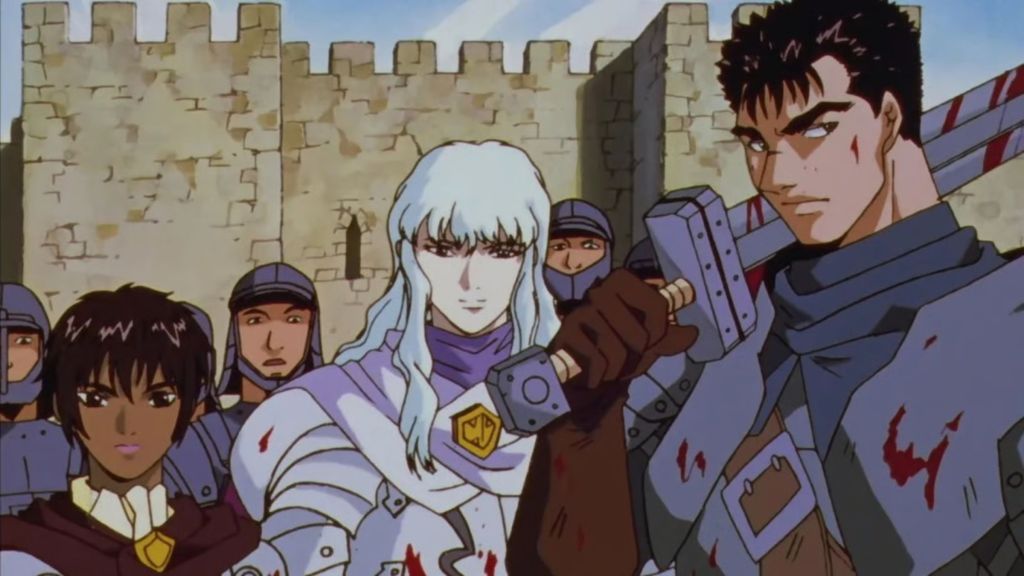
The 1997 anime adaptation of Berserk stands as one of the most uncompromising and visceral entries in the Sword and Sorcery genre. Centered on Guts (voiced by Nobutoshi Canna), a wandering mercenary burdened by a massive blade known as the Dragonslayer, the series depicts a world plagued by cosmic indifference. The narrative focuses on the physical and psychological resilience of Guts as he navigates a landscape where humans are merely fodder for the ambitions of the powerful and the whims of demonic entities. Unlike high fantasy, Berserk treats magic and the supernatural as sources of absolute terror, culminating in the horrific “Eclipse” event that permanently scars the protagonist and shifts his motivation toward bloody revenge. The production’s emphasis on the weight of steel, the exhaustion of battle, and the isolation of the lone warrior ensures that Berserk remains a foundational text for character-driven fantasy on television.
Which classic television series do you think best captures the gritty and individualistic spirit of the Sword and Sorcery genre? Leave a comment below and join the conversation now in the ComicBook Forum!
More TV Shows
-
Image Courtesy of Marvel