Anime evolves like it’s trying to one-up itself, and every decade comes with its own personality crisis. One era’s innovation becomes the next era’s nostalgia bait. The old-school hand-drawn grit of earlier decades made anime feel hungry. You could tell people were figuring things out with stubborn creativity. By the time digital coloring arrived, everything got slicker but also safer.
Videos by ComicBook.com
Each period has its trademark obsession. The ’70s wanted heroes; the ’80s wanted rebellion; the ’90s wanted therapy. The 2000s got lost in convoluted timelines and tragic monologues, while the 2010s turned emotional manipulation into high art. The 2020s mostly obsess over trauma, politics, and production value — in that order. But that’s what keeps anime interesting: it never really balances itself. It overreaches, overthinks, and occasionally oversells, but that messiness is its charm.

10. 2010s: Attack on Titan (2013)

Attack on Titan reshaped the anime landscape, setting a new standard for action, storytelling, and world-building. Its gripping narrative of humanity’s desperate fight against towering humanoid Titans created an atmosphere of suspense that gripped audiences worldwide. The stellar animation by Wit Studio (later MAPPA) and Hiroyuki Sawano’s thunderous soundtrack elevated Attack on Titan to iconic status. The show’s ability to ignite conversations about freedom, oppression, and war ensured its legacy as a defining work of the 2010s.
9. 2000s: Death Note (2006)
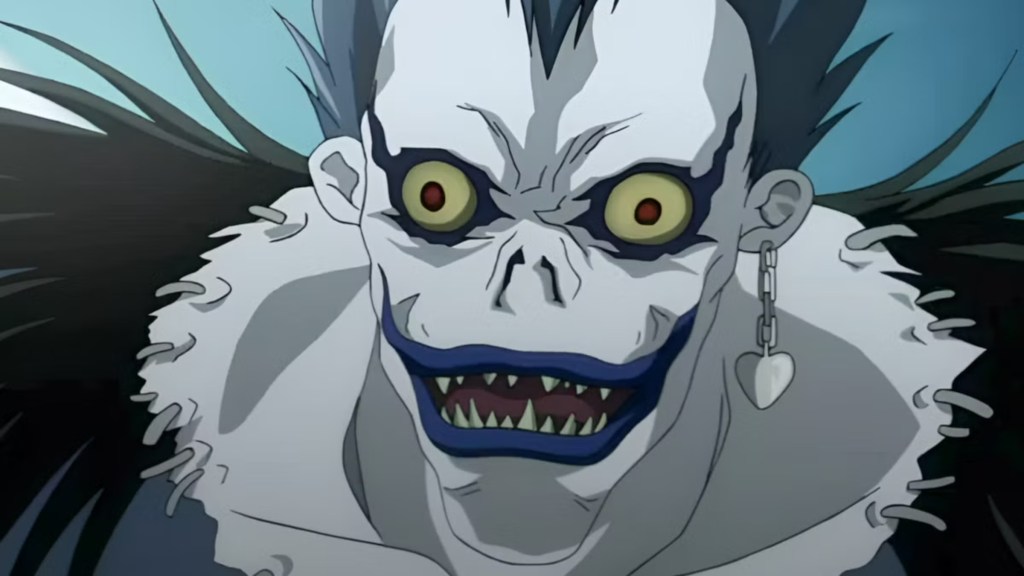
Death Note revolutionized the psychological thriller genre in anime, captivating viewers with its intense battle of wits between Light Yagami and L. The cat-and-mouse dynamic between the two characters made every episode an enthralling mind game. Light’s descent into godlike arrogance and moral corruption created one of the most complex protagonists in anime history, while L’s eccentric brilliance provided the perfect foil.
The series stood out for its philosophical questions about justice, power, and the fine line between good and evil. Its dark, suspenseful tone and sharp writing appealed to a more mature audience, making it a gateway anime for many. Madhouse’s atmospheric animation and Tetsurō Araki’s masterful direction ensured that Death Note remained a staple of 2000s anime.
8. 1990s: Neon Genesis Evangelion (1995)

Neon Genesis Evangelion redefined the mecha genre by blending giant robot battles with deep psychological and existential themes. Beneath its surface-level premise of teenagers piloting robots to combat alien invaders, the series delved into topics like depression, loneliness, and the human condition. Hideaki Anno’s daring storytelling and willingness to challenge traditional anime conventions made Evangelion a cultural phenomenon.
The series’ bold exploration of abstract ideas was paired with striking visuals and an unforgettable soundtrack. Its ambiguous, introspective ending polarized viewers but solidified its reputation as a work of art. Evangelion influenced countless anime and filmmakers, cementing its place as one of the most important works of the 1990s.
7. 1980s: Akira (1988)
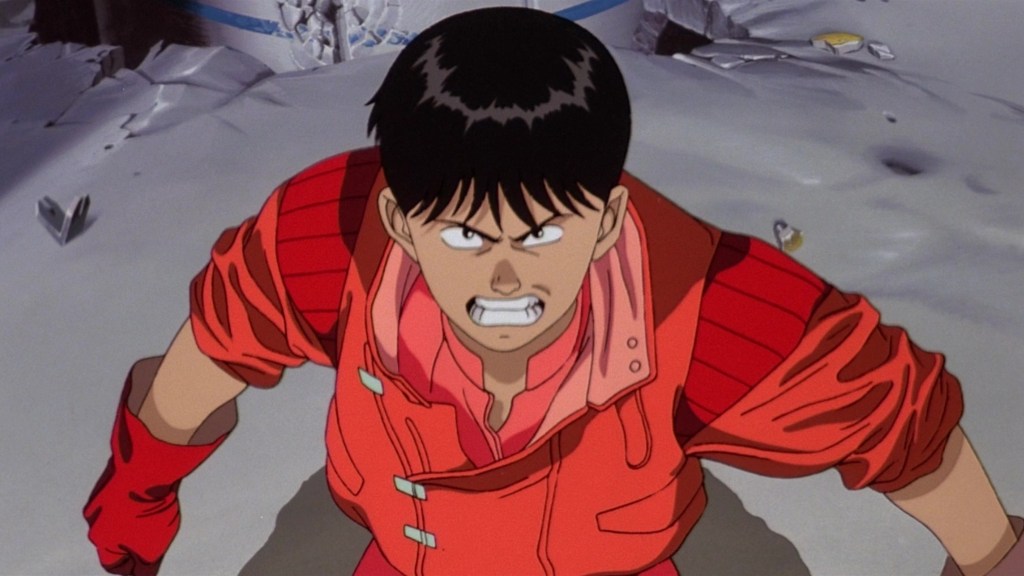
Akira is a landmark anime film that pushed the boundaries of animation and storytelling, defining the cyberpunk genre for decades. Its dystopian vision of Neo-Tokyo was brought to life with stunning detail and fluid animation that remains impressive even today. The movie’s exploration of power, corruption, and the dangers of unchecked scientific experimentation resonated deeply with audiences.
Katsuhiro Otomo’s adaptation of his own manga was a game-changer for anime’s global reputation. Akira was one of the first anime to gain widespread acclaim in the West, introducing international audiences to the medium’s potential for mature storytelling. Its influence can be seen in countless sci-fi works, from The Matrix to Stranger Things.
6. 1970s: Mobile Suit Gundam (1979)
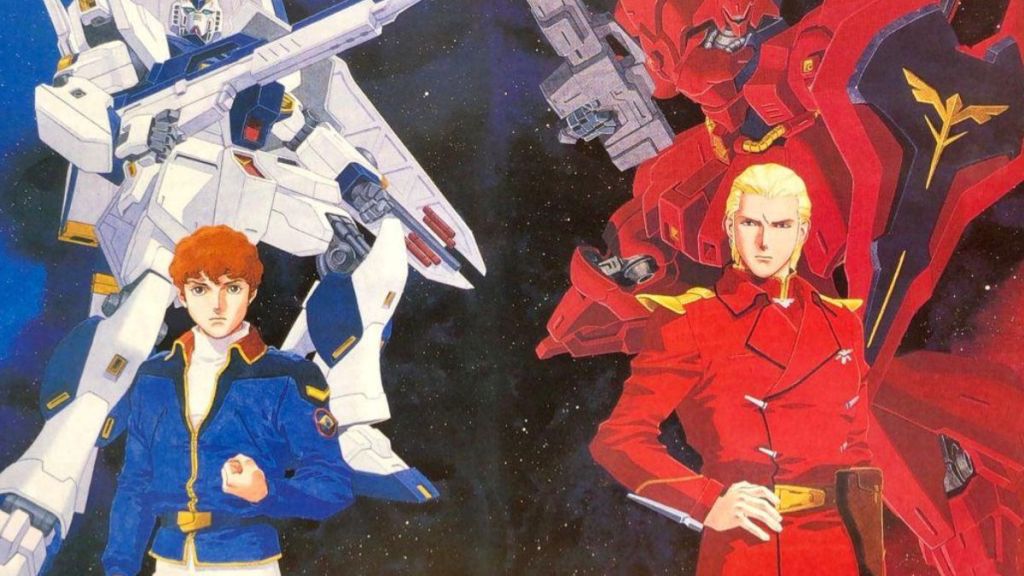
Mobile Suit Gundam revolutionized the mecha genre by introducing the concept of the “real robot.” Unlike earlier works that treated robots as invincible superweapons, Gundam depicted them as complex machines used in gritty, realistic warfare. The series tackled political intrigue, class conflict, and the horrors of war, making it far more than just a story about giant robots.
Yoshiyuki Tomino’s creation laid the groundwork for decades of mecha anime, spawning an entire franchise that remains influential today. The Gundam series became a cultural phenomenon in Japan, with its detailed model kits and intricate lore capturing the imaginations of fans worldwide.
5. 1960s: Astro Boy
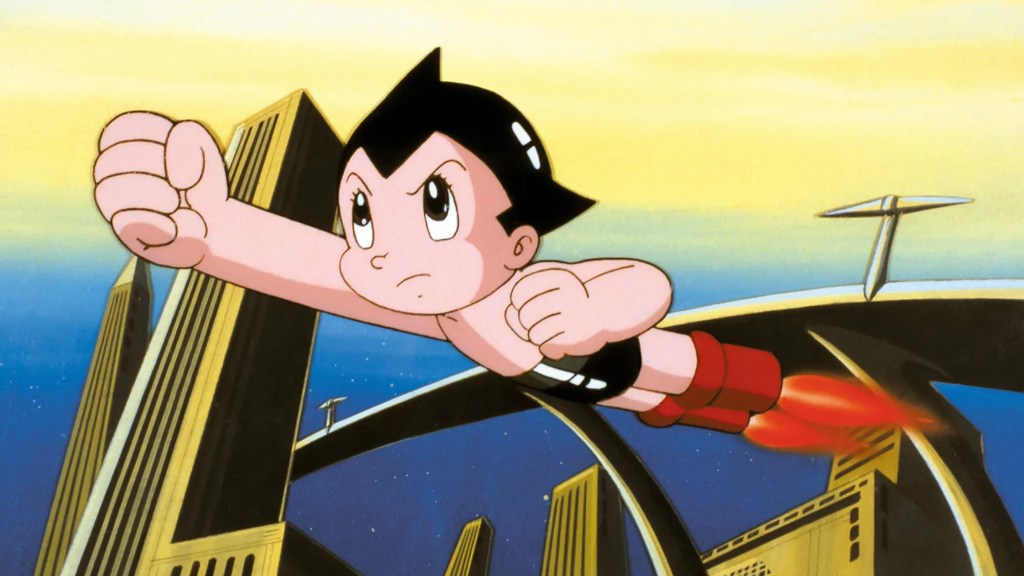
Astro Boy is the cornerstone of modern anime, establishing the visual and narrative style that would define the medium for decades. Created by Osamu Tezuka, the series followed the adventures of a robot boy with a human heart. Its themes of humanity, technology, and compassion were groundbreaking for its time and resonated deeply with audiences of all ages.
The show’s success played a pivotal role in shaping the anime industry, setting the stage for serialized storytelling and international distribution. Tezuka’s artistic vision influenced generations of creators, earning him the title of the “God of Manga.” Without Astro Boy, anime as we know it today might not exist.
4. 1950s: Hakujaden (1958)
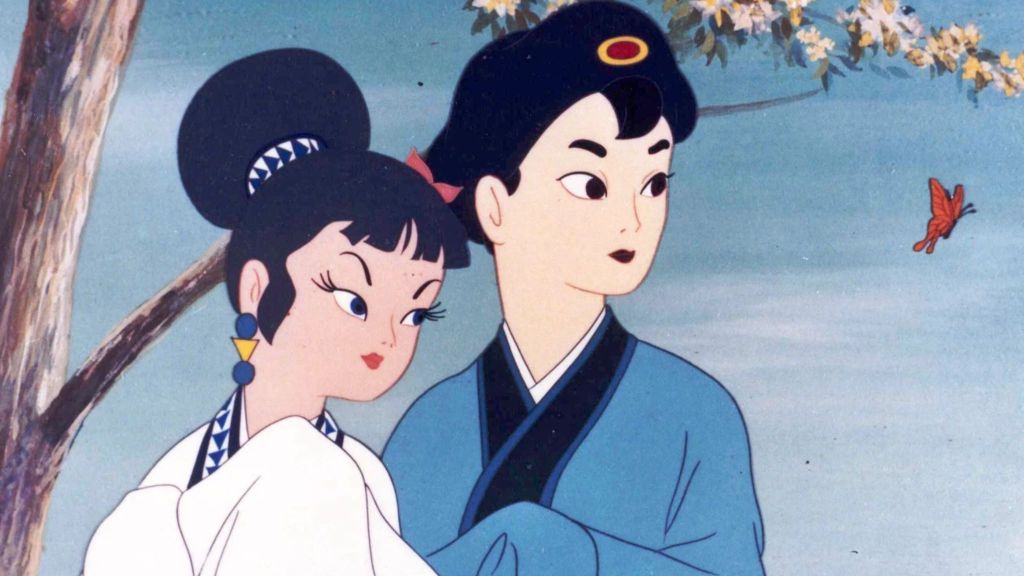
Hakujaden (The Tale of the White Serpent) marked a turning point in anime history as the first feature-length color anime film. Inspired by a Chinese legend, it told a heartfelt story of love and sacrifice, captivating audiences with its beautiful art and emotional depth. The film demonstrated the potential of anime as a serious storytelling medium, paving the way for future cinematic works.
Its release helped establish Toei Animation, one of the most iconic studios in anime history. Hakujaden also played a key role in popularizing Japanese animation internationally, particularly in China, where it left a lasting cultural impact.
3. 1940s: Momotaro (1945)
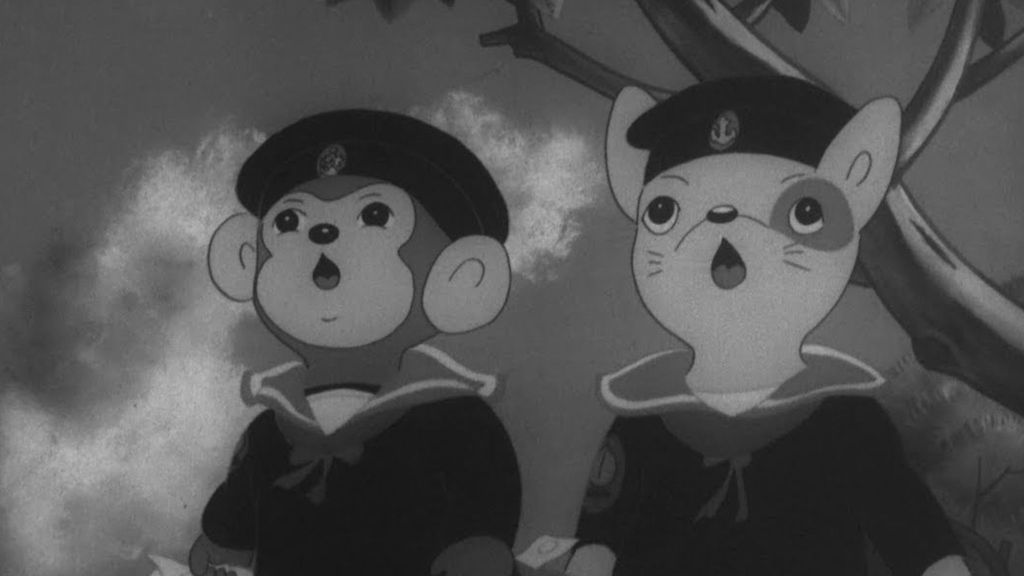
Momotaro: Sacred Sailors is often considered Japan’s first full-length animated film. Produced during World War II, it was commissioned as a propaganda piece to promote Japanese nationalism. Despite its wartime origins, the film showcased impressive animation techniques and a narrative that reflected the cultural values of its time.
The film’s historical importance cannot be overstated, as it laid the groundwork for Japan’s animation industry. While its content is understandably controversial, Momotaro: Sacred Sailors remains a fascinating artifact of anime’s early development.
2. 1930s: Chikara to Onna no Yo no Naka (1933)

Chikara to Onna no Yo no Naka (Within the World of Power and Women) is one of the earliest surviving examples of Japanese animation. This short film tackled themes of love and societal expectations, offering a glimpse into the cultural landscape of 1930s Japan.
Though overshadowed by later works, it showcased the potential for anime to address complex themes and emotions. Its historical significance lies in its contribution to the evolution of animation techniques and storytelling in Japan.
1. 1920s: Namakura Gatana (1917)
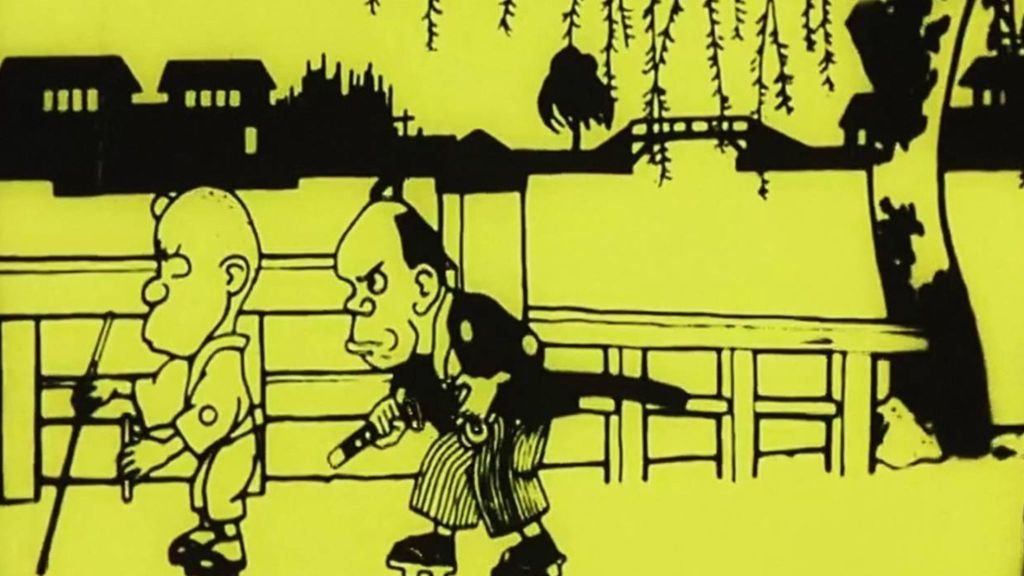
As one of the first anime ever made, Namakura Gatana holds an essential place in the history of the medium. This short, comedic tale about a samurai attempting to test his dull sword captured the spirit of early Japanese animation. Its humor and simplicity reflected the cultural sensibilities of the time. Namakura Gatana represents the starting point of an art form that would later grow into a global phenomenon.
What do you think? Leave a comment below and join the conversation now in the ComicBook Forum!
More Anime
-

Courtesy of Netflix -

Courtesy of Viz Media -

Paramount & Toei Animation -

Image Courtesy of Toei Animation -

Warner Bros Discovery -

Courtesy of TOHO Animation