Anime is just like any other entertainment medium, with a wide variety of titles that attract both praise and criticism alike. In art, there’s no possibility of having a complete consensus across the board on whether a show should be considered a masterpiece or lackluster, and there’s no guarantee that similar titles will perform the same when shown to different audiences. Plenty of shows regarded as iconic or groundbreaking will have online hate spread about them for being too popular, too predictable, or too over-hyped.
Videos by ComicBook.com
There’s no escaping the fact that art is subjective, and anime can’t escape the cycle of judgment that comes with an outside audience consuming media. But that doesn’t mean there aren’t some shows whose favor is split right down the middle, with such polarizing presences in the anime community that voices on either side, love or hate, are equally as loud when talking about them. In this list, we’ll be taking a look at ten anime series that, at some point in time, had controversial reputations due to their message, characters, or style.
10) Neon Genesis Evangelion
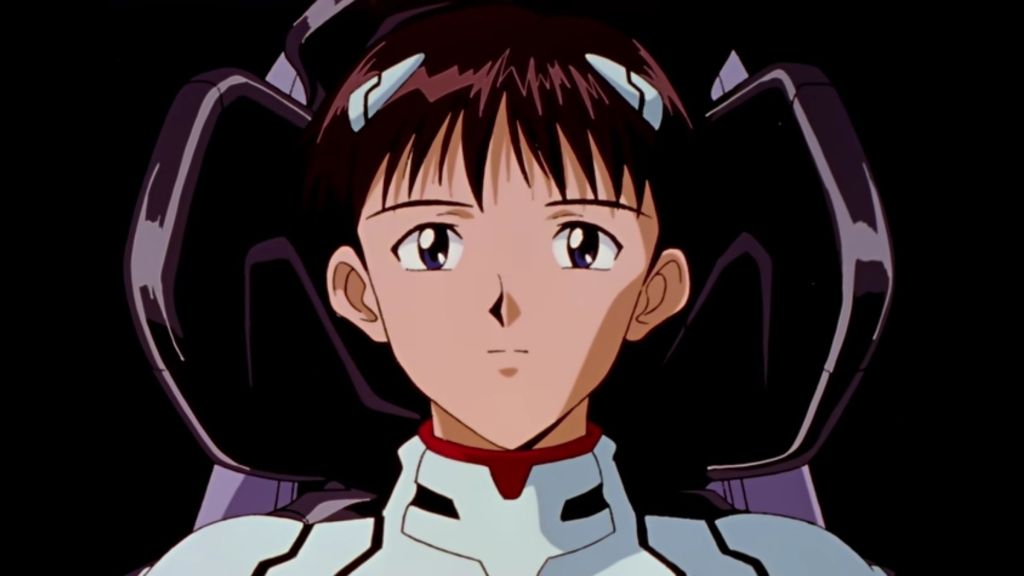
It might seem strange to put one of the most influential anime of its time on this list. Neon Genesis Evangelion is credited for helping to build the standard for mecha anime shows, easily considered one of the best science fiction anime to ever be released. The show is known for its use of trope subversion, diving deep into the character psyche of its main cast in an intimate display that hadn’t ever been successfully done before.
Despite its general popularity, Neon Genesis Evangelion still received a healthy dose of backlash when it originally aired, namely for the final few episodes that concluded the show’s run. Many fans felt the abrupt ending was too rushed or held little payoff after the slow build of the series’ plot, up until that point; others were not a fan of the psychological trauma that plagued the main cast and affected their final fates.
9) Elfen Lied
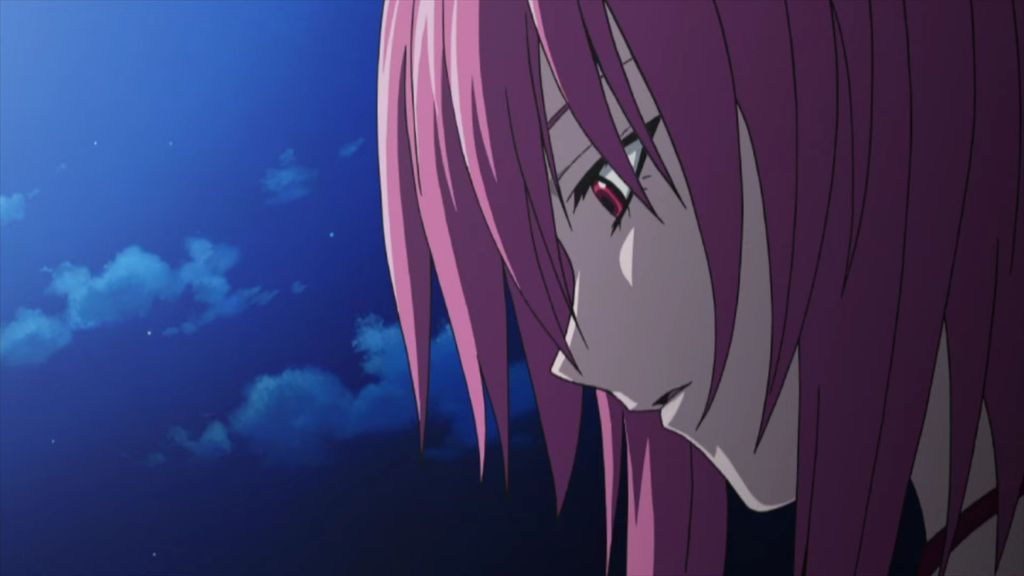
Elfen Lied is a great example of an anime series that balances the razor’s edge between gratuitous violence and gore with purpose. Depending on your personal preferences, this line might blur, with many hardcore anime fans falling on either side since Elfen Lied’s initial release. The anime has a gorgeous animation style and haunting original soundtrack, both of which enhance the chilling tale of inequality and prejudice being told.
The purpose of Elfen Lied’s main character, Lucy, is to showcase the ugliness of human nature when faced with something “other”, and how that can lead to a cycle of revenge that never ends unless broken. The intended message doesn’t necessarily reach everyone in the show’s audience, with plenty of people claiming the anime overused gore, brutality, and shock value to drive its plot for the sake of being edgy, rather than a genuine artistic use.
8) Darling in the Franxx
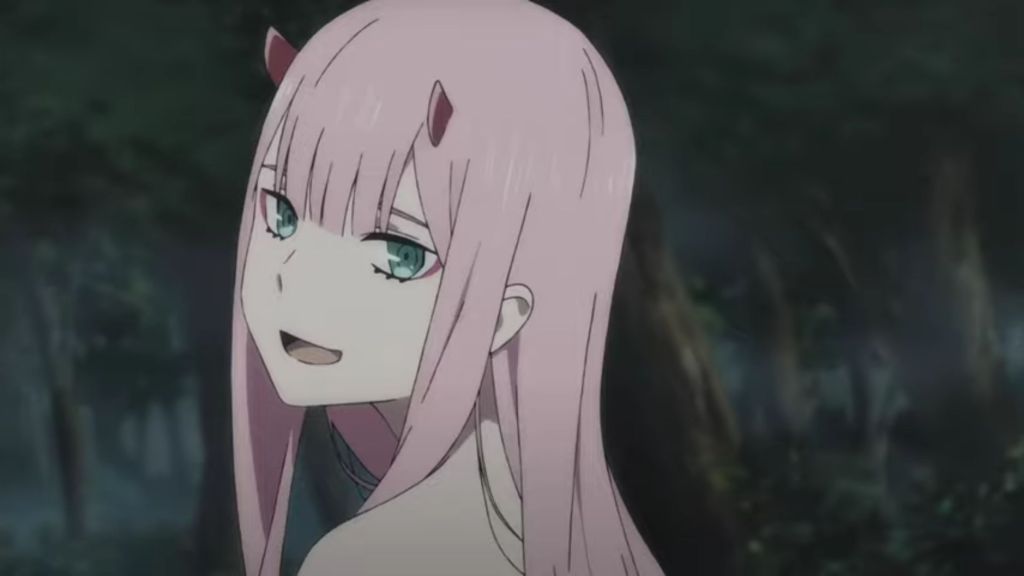
Darling in the Franxx is a science fiction anime series with a dedicated fan base and a singular character whose popularity outlives the general regard towards the overall show. The anime started strong with a compelling plot, depicting the initial growth of the protagonist into the pilot he’s always longed to be. Set in a world that uses the young as meat shields against alien invaders, Darling in the Franxx doesn’t lack in emotional depth or character development, a rare combination in the mecha genre.
The series had such a solid, strong start that boosted its popularity within the anime community that it might seem strange to add it to this list. Darling in the Franxx is mostly considered polarizing due to its ending, generally viewed as a lackluster conclusion to what was, up until then, a complex plot undefined by tropes or undeserved romantic connection. Certain messages, like the meaning of humanity, along with some of the characters’ final fates, pushed a large portion of fans away from supporting the series in its final arc.
7) Beastars
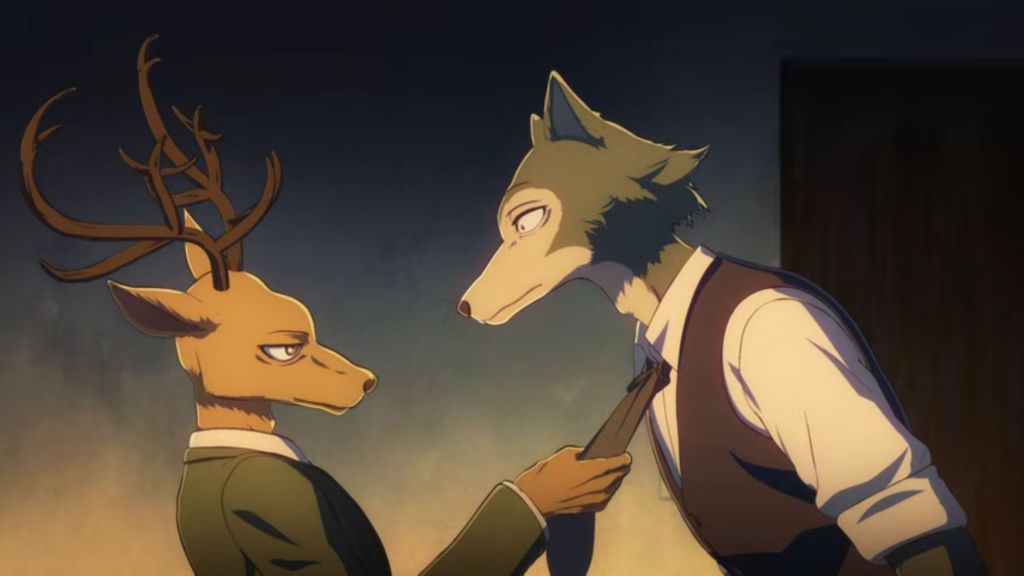
Beastars has remained one of the most controversial anime out there since its initial debut, with anime fans either loving or hating the use of anthropomorphic animals in a risque plot. Plenty of die-hard fans swear the show has more to offer than just the charged scenes between high school students with paws and antlers, like genuinely good character development and intriguing dynamics formed between the main cast. It certainly helps that the overall animation and art for Beastars don’t miss, which never hurts from a visual standpoint.
Any show that makes use of animals in a romantic setting will suffer heavier critique and judgment from viewers before it’s even been watched; Beastars is no exception, often cited as the “furry” anime series without any further deep-dive into the actual flaws or attributes of the show. This hard stance has plagued the anime since it was announced and hasn’t let up, with a clear divide between those who enjoy the show and those who are staunchly against giving it a fair try.
6) Devilman Crybaby
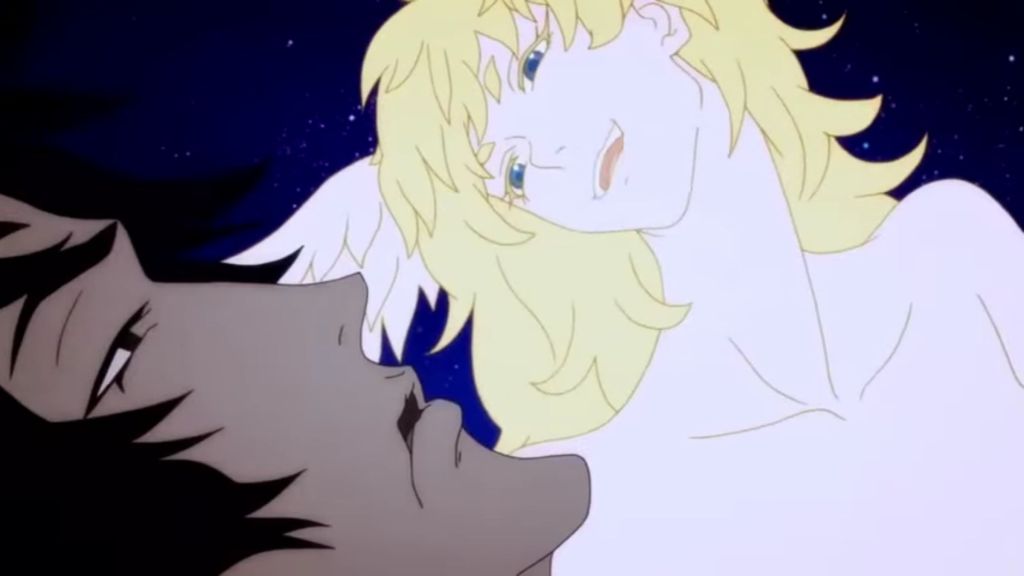
Devilman Crybaby takes a reigning spot for controversial endings that the audience either despised or immediately understood and loved. It’s one of the few anime series where the villain actually wins, finishing with a bleak outlook that made the show’s desperate fights for humanity’s survival feel pointless in the end. The show has a relatively short run-time but manages to fit its overarching message in, ensuring that it remains in the minds of those who watched the series.
In Devilman Crybaby, we see Satan himself take the form of a human to wipe out humanity, a plot twist that occurs at the anime’s climax. We also watch as Satan, done posing as his human form, successfully wipes out the world by the story’s end, including Akira, the one person he wished to spare and take with him. The divide between fans who feel that the show didn’t do enough to communicate the mature message it was going for, versus fans who adored the abrupt, unhappy ending, has made this show a hit or miss depending on who’s watching.
5) Future Diary
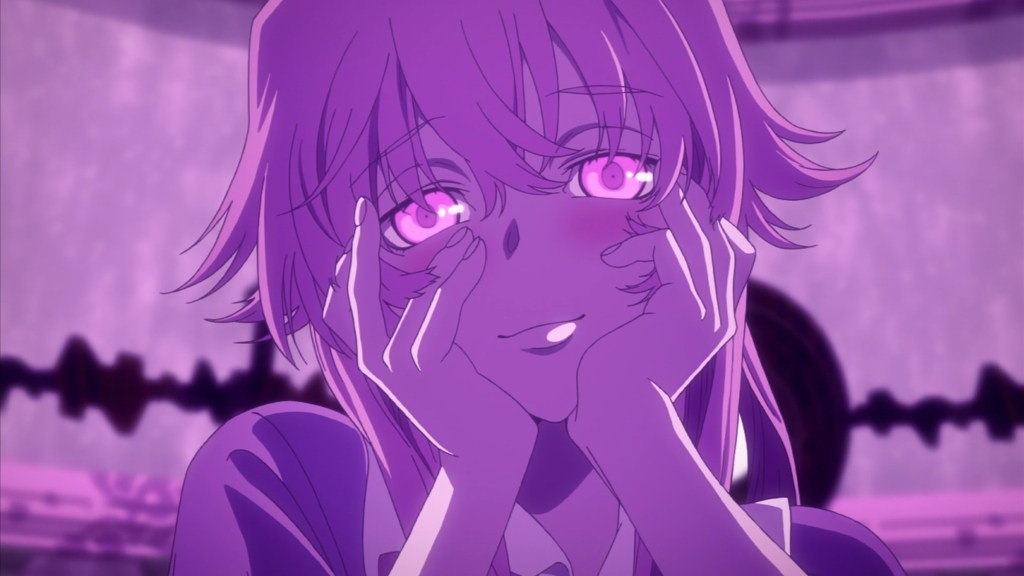
Future Diary has a reputation among anime fans for having one of the most toxic relationships portrayed in its story. The show itself focuses on a sort of battle royale theme, with characters competing against each other for the chance to become the new God of Time and Space. It’s got plenty of gore, fast-paced fight sequences, and characters who aren’t altogether there or willing to betray anyone to succeed. Altogether, Future Diary is a fun contribution to the battle royale genre, and a show often cited as a good pick by fans of darker anime series.
Of course, Future Diary is just as heavily critiqued and judged as it is loved among the anime community. The show is often compared to a popcorn flick, with the plot containing no real substance but being an overall fun watch for its action and battles. Its biggest source of criticism revolves around Yuno, a protagonist who is often labeled as one of shonen anime’s top yandere characters. Her violent obsession with Yukiteru is used as an excuse to embrace her cold, ruthless killing habits, and their relationship is often cited as completely unhealthy, even by fans of the show.
4) Fairy Tail
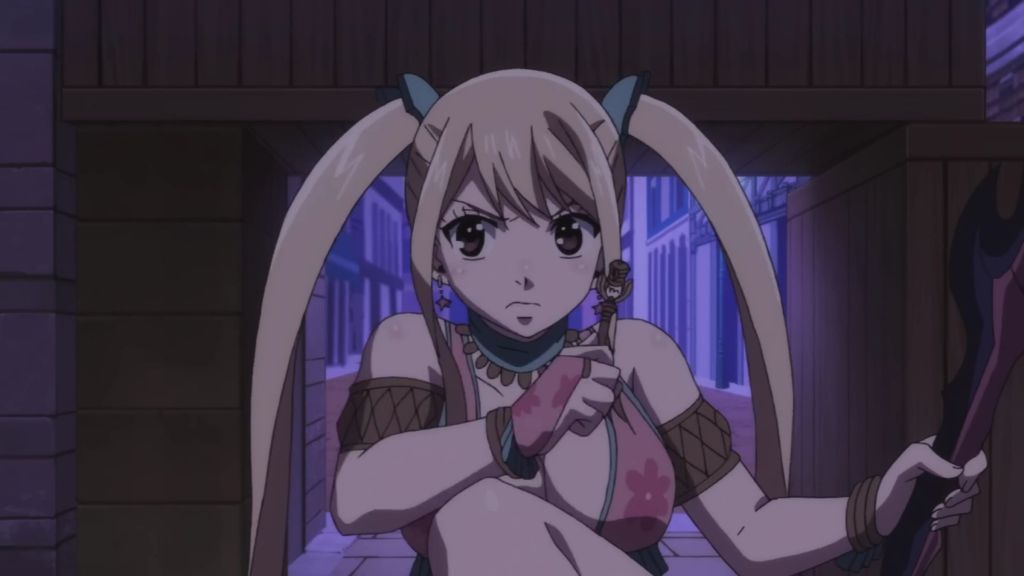
If there’s an anime series that catches more flak than love by the broader fandom, it’s probably Fairy Tail, known for a dedicated fan base as well as a slew of critics who view it as one of the prime examples of stereotypically bad shonen. Fairy Tail follows the adventures of a wizard’s guild as they traverse the land on a series of missions and quests; the plot itself sounds like a great basis for a fantasy action anime, and Fairy Tail does indeed have plenty of room for potential.
The series has a large cast of interesting characters, emotional backstories, and the makings of good world-building. A good portion of watchers think that Fairy Tail’s efforts to emphasize the importance of friendship and connection push a positive message that makes the show’s overall story heartwarming. Unfortunately, this exact trait is what upsets many fans, who find the show repetitive in structure and reliant on the power of friendship trope to solve problems. There’s also the issue of fan service heaped on in later episodes, a factor that’s turned plenty of fans off from continuing the series.
3) Sword Art Online
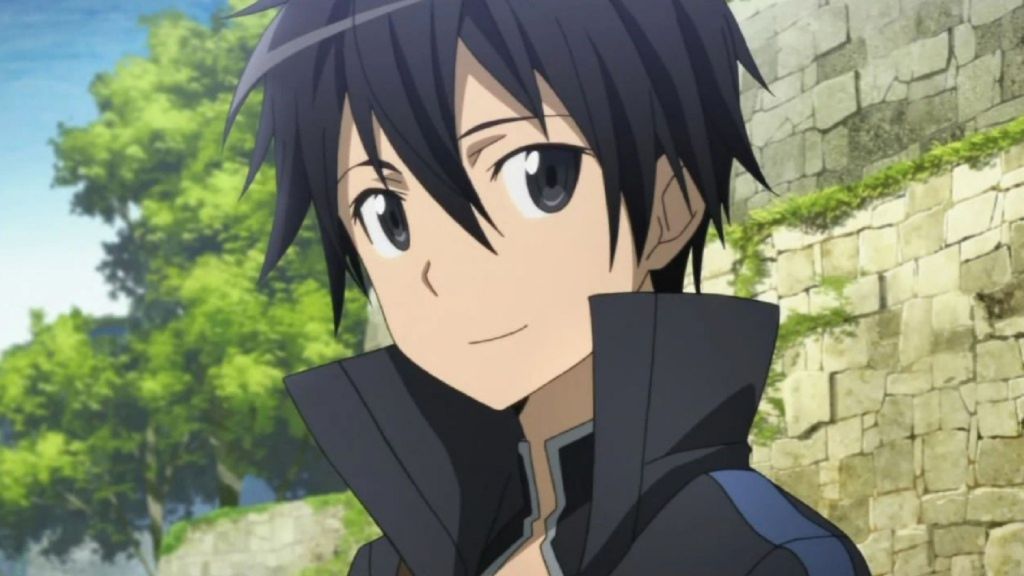
Sword Art Online is a modern interpretation of the Isekai genre, and had a decent surge of popularity when it first debuted back in 2012, over a decade ago. The show’s premise was based on the concept of a virtual reality game trapping the consciousness of players in a brutal battle for survival, with no way out but to win. A combination of action, science fiction, Isekai, and fantasy made Sword Art Online an interesting watch, with the first portion exploring the concept of living inside your favorite video game and how it might affect an individual’s perspective and actions.
Again, this show had plenty of potential to grow and showcase a compelling, thought-provoking take on transportation to a world not your own, where survival comes above all else. It’s not wrong to state Sword Art Online had a massive following and still boasts plenty of fans who enjoyed the show’s take on Isekai; it’s also not wrong to say any popular show will gain haters due to its success and people’s need to dislike what’s the current trend. But there are plenty of legitimate criticisms towards Sword Art Online too, ranging from the lack of growth in characters, to a weak adaptation of the original material.
2) Mushoko Tensei: Jobless Reincarnation
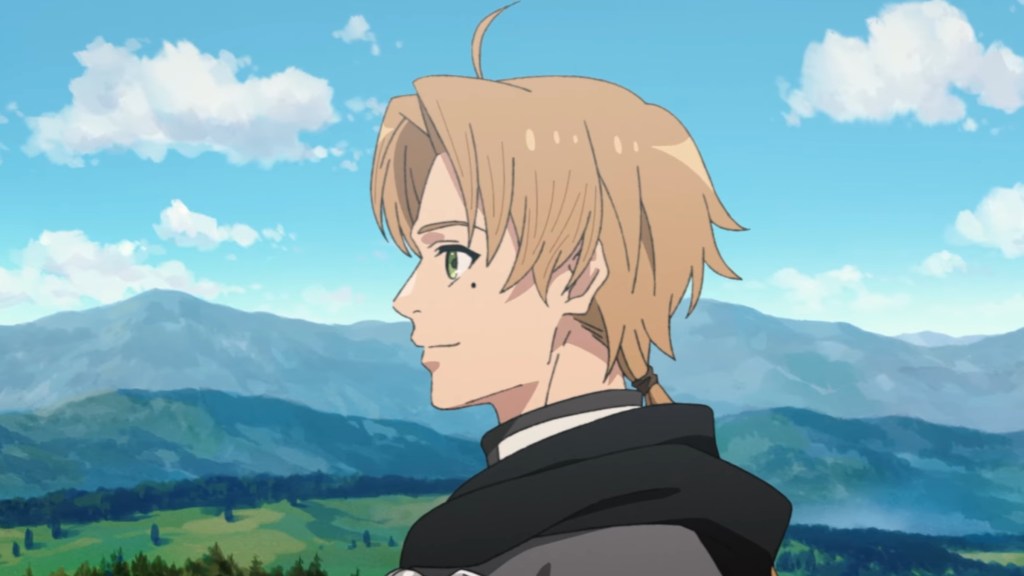
Mushoku Tensei: Jobless Reincarnation was probably the most obvious choice for a list talking about polarizing, controversial anime series. The Isekai anime came out somewhat recently, 2021, to be exact, and already has a third season in the works to release in 2026. There’s no denying it’s revamped and reinvigorated anime fans when it comes to their view of the Isekai genre, often cited as one of the very best modern interpretations within Isekai for its smooth animation, fun cast of characters, and extensive world-building.
All of the love Mushoku Tensei: Jobless Reincarnation has received doesn’t mean the show is without its critics. For every fan praising the show’s narrative depth and portrayal of mature themes, there’s someone else pointing out the singular issue many people take with the series. Rudeus Greyrat is the show’s protagonist, and it’s not untrue to state he’s morally flawed, perverted, and downright creepy, with numerous instances of sexual harassment and flirting with minors. This factor alone has made the show irredeemable to many fans, unable to enjoy watching when the character we’re supposed to root for is never held accountable for his behavior.
1) JoJo’s Bizarre Adventure

JoJo’s Bizarre Adventure is one of those anime that creates a hard divide between the fans who love it and the people who cannot stand anything about the series. It’s incredibly popular, with an adaptation of the “Steel Ball Run” arc in production right now. There’s no denying the influence this show has had on other series, on popular anime culture, or even on a global scale regarding the general style it evokes. JoJo’s Bizarre Adventure is the closest thing to a cult classic we’ve seen in modern anime.
Many of the things that fans love about JoJo’s Bizarre Adventure are the exact things others despise about the show, an interesting conundrum. The easiest example that comes to mind is the artwork, a distinct style that no other show comes close to replicating or resembling, and an iconic trademark of the series that makes it instantly recognizable. The show’s references to pop culture, silly moments during or around intense battles, and use of slapstick comedy in the midst of battle shonen are all features that either drive fans wild or drive them away.
Have you watched any of these anime shows before? Tell us which series you love and which you hate in the comments below.
Most Viewed
-
Image courtesy of Daybreak Game Company -
Image courtesy of MAPPA