Tokyo Ghoul is one of the most controversial anime series of the past decade for a handful of reasons. The series aired back in 2014 with a second season debuting in the following year, under the title Tokyo Ghoul √ A; the series concluded years later in 2018 with Tokyo Ghoul:re, which was broken into two parts and acts as the show’s third and fourth season. Part of the appeal of Tokyo Ghoul was the show’s brutal, gritty atmosphere and aesthetic, with a penchant for violence that permeated the narrative. In a way, this series was a predecessor to many of the more recent dark anime series that are so popular for diverting from the traditional shonen tropes.
Videos by ComicBook.com
While the first season of Tokyo Ghoul was mostly met with generally positive reviews from audiences and long-time fans of the manga, the following seasons were quickly considered some of the worst adaptations of source material put to screen. It quickly turned what was a promising anime that many considered to be the next big thing, into a forgotten show from the mid-2010s that’s only discussed when talking about what went wrong. The general disappointment surrounding the original series has prompted fans to push for a potential reboot of the series so that Tokyo Ghoul can finally get the recognition it deserves. With so many popular anime reboots, such as Hunter x Hunter and Fullmetal Alchemist: Brotherhood, it stands to reason that a remake of the series could actually revamp the entire franchise.
3) Modern Animation
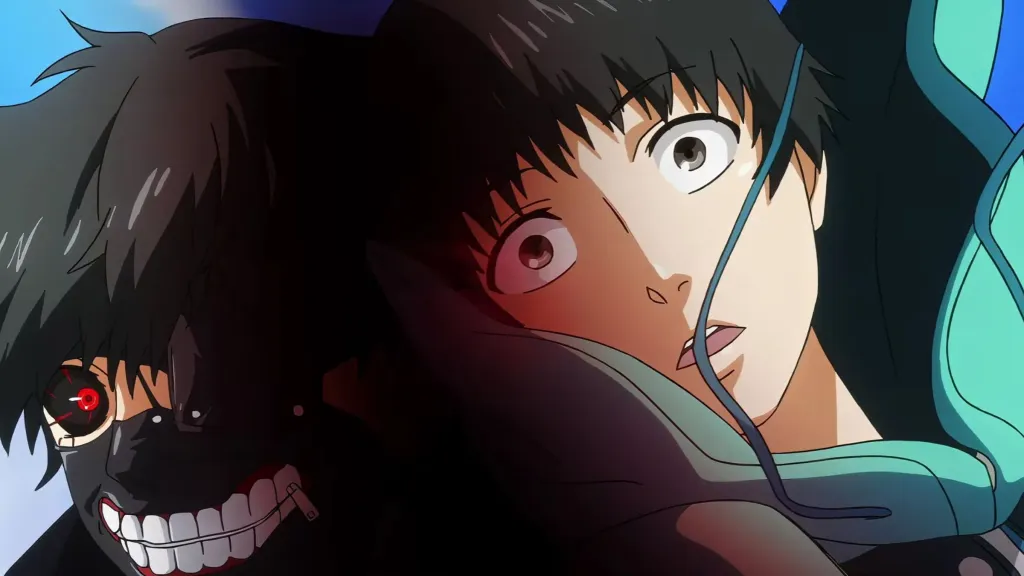
By all means, 2014 isn’t that long ago to claim the animation wasn’t up to standard when we have plenty of amazing pieces from that year such as Akama ga Kill or Parasyte: The Maxim. There’s still no way to deny that recent years have improved on animation in leaps and bounds, with shows like Demon Slayer known exclusively for their smooth, vibrant animation, while studios such as Mappa and Studio Bones have become known for their amazing work on fight-sequences. It stands to reason that a show like Tokyo Ghoul could absolutely benefit from new animation techniques to bring to life some of the high-stakes battle scenes, along with the fluid movement of different Ghouls’ Kagune. Honestly, getting a chance to see Kaneki versus Jason with updated animation would be a huge win for the fandom, along with more manga-accurate fight scenes.
2) Failure to Portray Themes
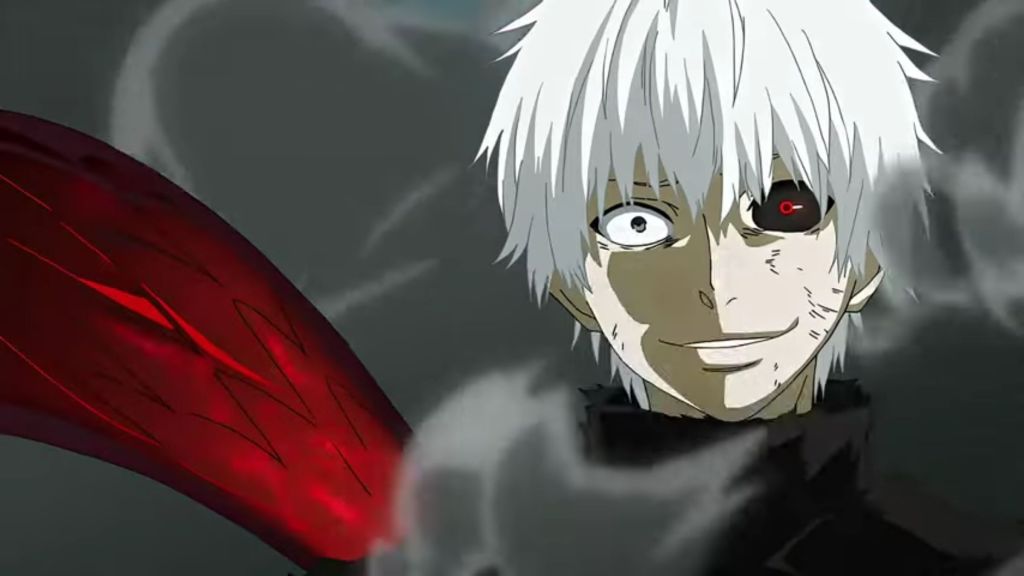
One of the biggest complaints surrounding Tokyo Ghoul is that the original series lacks in terms of translating the manga’s overarching tone and themes to its anime adaptation. The manga storyline is known for its heavy use of the horror genre to convey philosophical questions about the nature of humanity and the scales of morality. Ken Kaneki is a protagonist who embodies the dual nature of good and evil, with the potential to do so much damage while striving to do good for the people he cares about most. Tokyo Ghoul might soak in gore and violence, but these are merely tools to push the manga’s main theme of redemption and healing to overcome the brutality of the world. A lot of these themes weren’t truly handled well in the anime adaptation, with some of the more poignant scenes and arcs cut out of the anime entirely. This left Tokyo Ghoul’s anime with a disjointed message that never managed to fully resonate with audiences.
1) Deviation From the Manga
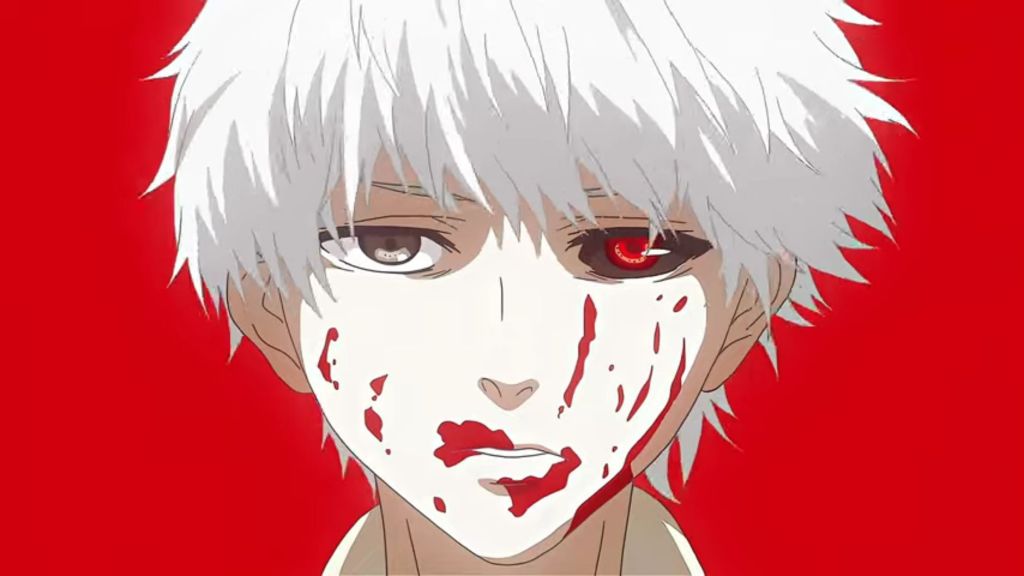
As with most anime series that deserve reboots, the biggest issue with the Tokyo Ghoul anime stems from a complete disregard for the manga plot. The first season changed a few things that were minor enough to be disregarded, but afterwards, the anime seems to completely veer away from the source material. Tokyo Ghoul √A deviates entirely from the manga by presenting an alternate narrative that has little to do with the character’s important development or necessary world-building. While Tokyo Ghoul:re tried to return to the manga’s storyline, the damage was already done, with an original plot stuck directly in the center of the anime series. The third and fourth seasons are also guilty of cutting down a lot of the important scenes from the manga in favor of stuffing too much into a few episodes, which resulted in poor pacing issues. A reboot of Tokyo Ghoul could properly explore the manga with good pacing, accurate arcs, and complete character development.
Have you watched Tokyo Ghoul before? Tell us which anime you think deserves a reboot in the comments below.
Most Viewed
-
Image Courtesy of Netflix