Manga, as a medium, thrives on intimacy and control. Unlike anime, which must conform to pacing, censorship, and production constraints, manga operates on pure artistic freedom. A mangaka can linger on a single disturbing panel, use silence to command emotional tension, or break composition rules to convey madness or claustrophobia. Readers move at their own pace, deciding how long to dwell on an image or how quickly to escape a troubling moment.
Videos by ComicBook.com
This freedom is precisely why some dark manga work only as manga. Their power depends on discomfort — pacing that’s out of sync with consumption, imagery that feels too still, too quiet, or too real. In anime, those same scenes would need soundtracks, voices, and movement that might unintentionally humanize or sensationalize what’s meant to feel raw or unbearable. For narratives exploring madness, existential dread, or moral decay, that difference is everything. The page, after all, can whisper horrors too intimate for a screen to safely speak aloud.
7. Battle Royale
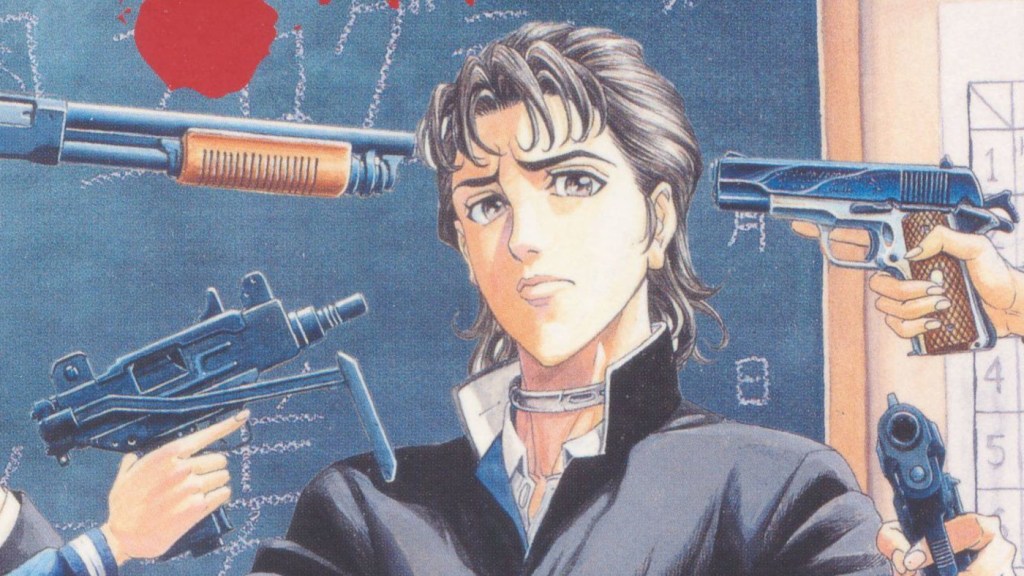
Set in a dystopian future where totalitarian governments control society, Battle Royale follows a group of junior high school students forced to participate in a deadly game on a remote island. Each student is given weapons and tasked with killing their classmates until only one survivor remains. It treats nihilism and teenage despair without the moral distance most anime prefer to maintain. Censorship would neuter its commentary, and any toned-down version would betray its raw thesis: that civilization’s veneer is thin, and teenage innocence is a myth.
6. MPD Psycho
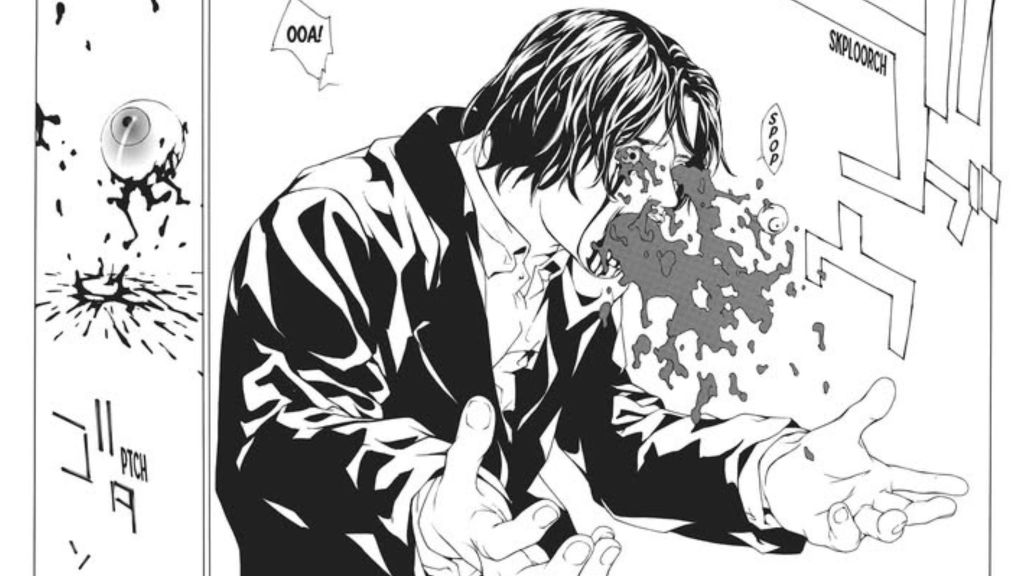
MPD Psycho (short for Multiple Personality Detective Psycho) follows Kazuhiko Amamiya, a detective with dissociative identity disorder who investigates gruesome serial killings. The cases he works on are connected to a larger conspiracy involving brainwashing, organ harvesting, and a cult worshiping a bizarre barcode system. The manga elves into taboo topics like human experimentation and brainwashing on a scale that would be difficult to portray in mainstream anime. Moreover, its nonlinear storytelling and complex themes would be hard to adapt without alienating viewers.
5. Hideout

Hideout is a psychological descent into hell. Hideout is a short horror manga about a man named Seiichi who, after losing his son and falling into financial ruin, decides to kill his wife on a tropical island. However, his plan goes awry, and both end up trapped in a dark cave inhabited by a deranged murderer. The story is a mix of survival horror and psychological terror, exploring human desperation and the descent into madness. This manga’s darkness lies in its intimacy. It’s not monsters or ghosts. It’s grief, failure, and repressed rage given form. Translating that into animation would risk making it “entertaining horror,” when Hideout is intentionally joyless. It wants to suffocate you, not thrill you — something anime studios, reliant on viewership and pacing, would almost certainly compromise.
4. Homunculus
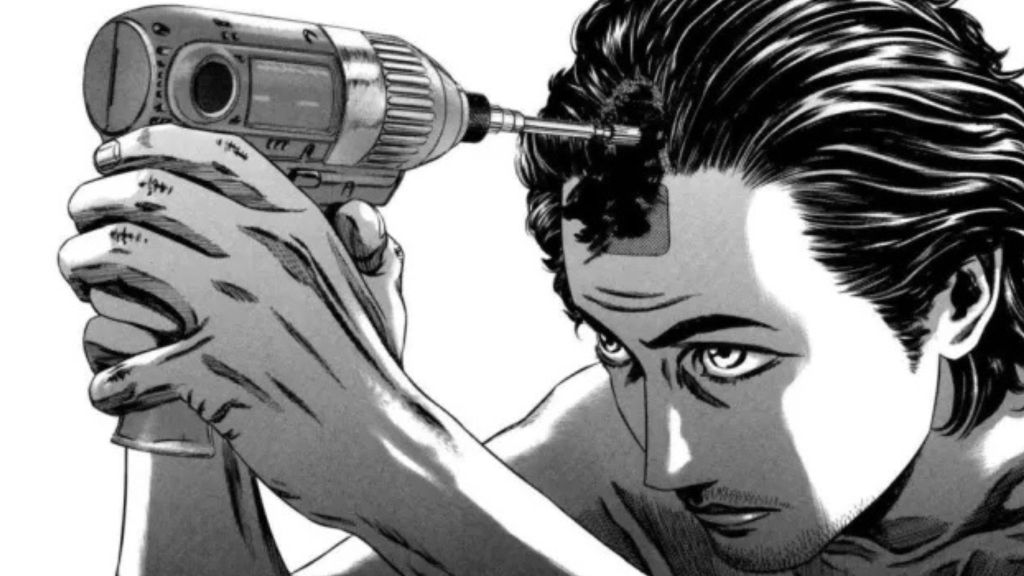
Homunculus follows Susumu Nakoshi, a homeless man who agrees to undergo a trepanation procedure (drilling a hole into his skull) for money. After the surgery, he begins to see distorted hallucinations of people’s deepest traumas and subconscious fears, which take physical form. As Nakoshi delves deeper into these visions, he begins to question his own sanity and humanity. It’s too dark not just visually but philosophically. The story dismantles concepts of self, trauma, and beauty through imagery so invasive it feels like mental vivisection. Anime could never convey its uncomfortable stillness — the way Yamamoto’s artwork lingers on ugliness and vulnerability. Watering that down would betray its soul.
3. Berserk
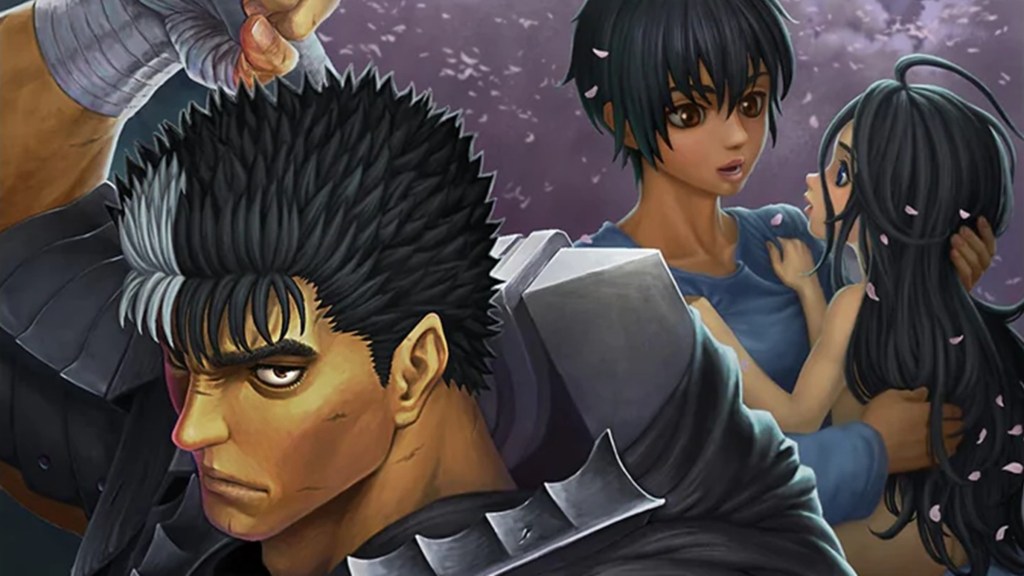
Berserk follows Guts, a lone swordsman with a tragic past, as he navigates a dark medieval world filled with demons, political intrigue, and betrayal. The story reaches its peak during the infamous Eclipse arc, where Guts and his comrades face unimaginable horrors at the hands of Griffith, a trusted friend who sacrifices them to achieve godhood. While Berserk has been adapted into anime several times, none have fully captured the manga’s raw intensity. The Eclipse arc, in particular, features graphic depictions of sexual violence, mass slaughter, and existential dread that would be extremely difficult to portray faithfully. Additionally, the manga’s unrelenting themes of despair and cruelty make it a harsh experience that would alienate casual viewers.
2. Oyasumi Punpun
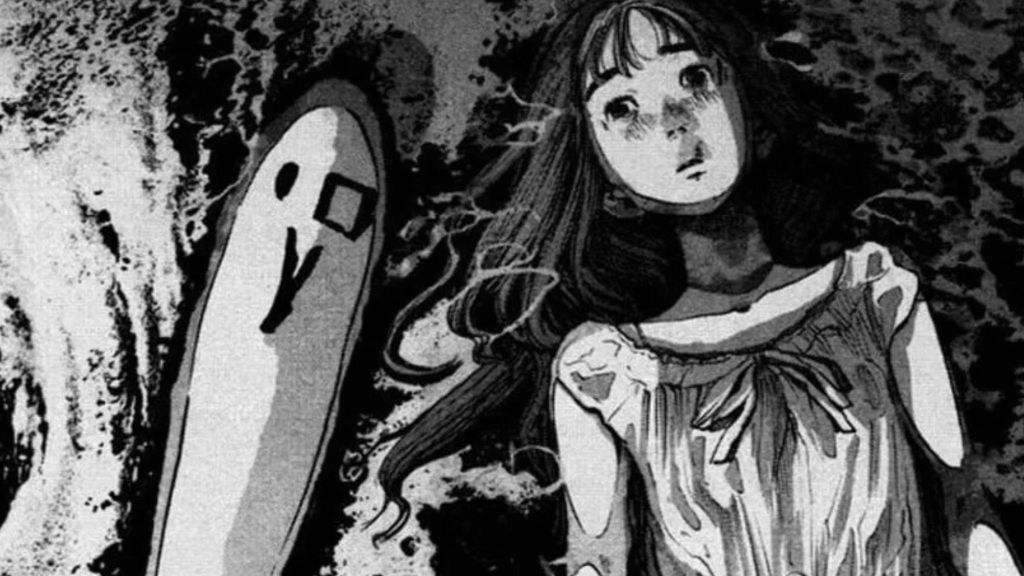
Oyasumi Punpun is a coming-of-age story told through the eyes of Punpun, a child represented as a simple bird-like figure. The manga delves into his dysfunctional family life, his struggles with love, and his descent into depression and self-destruction. It’s a deeply personal and introspective story about the loss of innocence and the pain of growing up. Animating Punpun would be artistically and ethically perilous. Its abstract tone relies on the disconnect between childish imagery and psychological collapse. Any attempt at literal translation would destroy its surreal voice. Plus, it’s so emotionally bleak that no network would risk broadcasting something that honest about depression and suicide.
1. Ichi the Killer
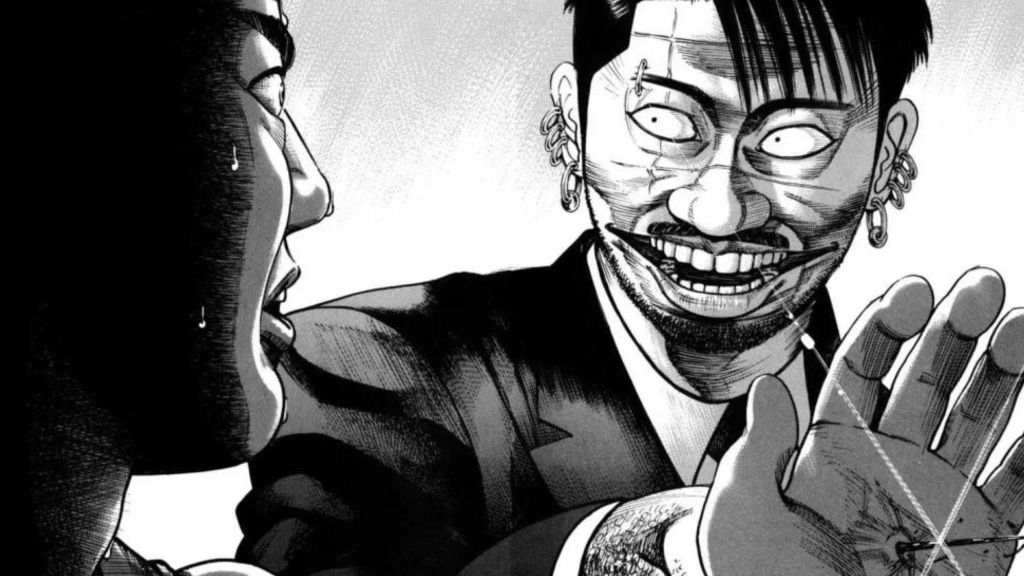
The same creator behind Homunculus gives us Ichi the Killer, which is arguably one of the most sadistic manga ever published. It follows a sadomasochistic Yakuza enforcer and a disturbed assassin whose violence borders on performance art. The series is a grotesque carnival of dismemberment, sexual violence, and moral decay.
While Takashi Miike managed a live-action adaptation, the manga itself remains far more graphic and anarchic. The core question — whether evil can be a form of self-expression — makes it philosophically grotesque as much as visually. In animation, its relentless sexual ultraviolence would cross every broadcast and streaming line imaginable.
What do you think? Leave a comment below and join the conversation now in the ComicBook Forum!
Most Viewed
-

Images Courtesy of DC Comics